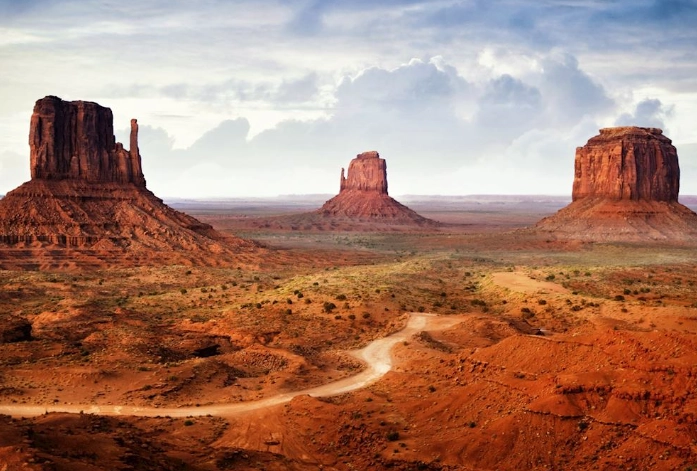
I remember the first time I saw Monument Valley. It wasn't in person, but on a grainy television screen during a classic western. The iconic buttes looked like a fantasy landscape. Years later, when I finally planned my own trip, my first question was a simple one: where on earth is Monument Valley, really? The answer, I discovered, is more nuanced than just a dot on a map between Arizona and Utah. Its location defines everything about visiting—the logistics, the rules, the vibe. Let's cut through the postcard imagery and talk about the real, practical geography of this place.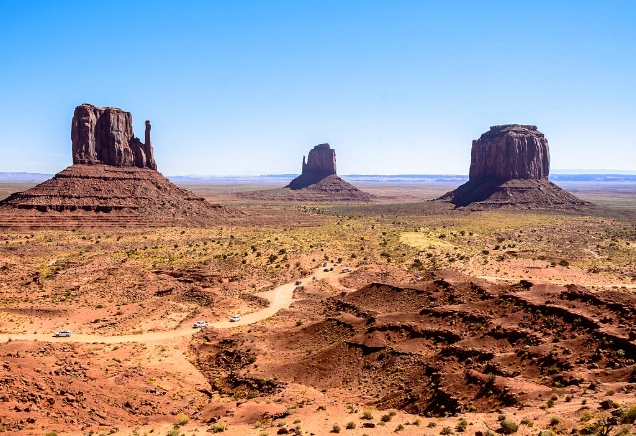
What's in This Guide?
The Exact Spot: It's Not Where You Think It Is
Let's get the technicalities out of the way first. The GPS coordinates for the Monument Valley Navajo Tribal Park Visitor Center are approximately 36.9864° N, 110.1125° W.
Now, here's the critical detail almost everyone glosses over. Yes, it's right on the Arizona-Utah state line. But the park itself, and nearly all the iconic views, lie within the Navajo Nation Reservation in Arizona. The Utah side has some stunning backdrops, but the primary access and famous valley drive are in Arizona. This isn't just trivia—it means you're visiting sovereign tribal land, not a U.S. National Park. The rules, the permits, the sense of place are all different.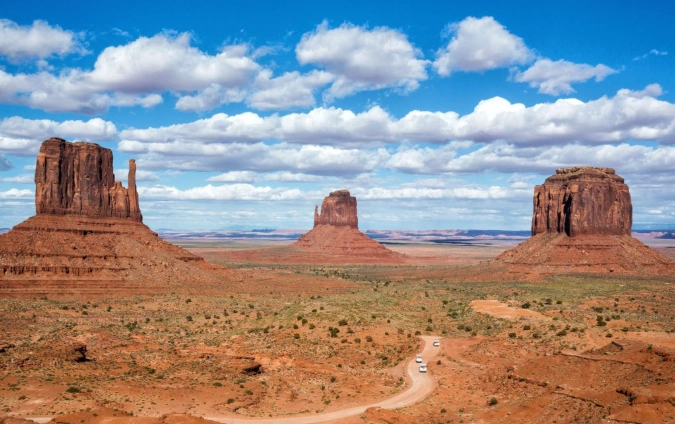
A common mistake is to lump it in with Utah's "Mighty 5" national parks. It's close, but it operates under a completely different jurisdiction. The official governing body is the Navajo Parks & Recreation Department.
How to Get to Monument Valley: A Detailed Transportation Guide
There's no gentle way to say this: Monument Valley is remote. There is no major public transportation that drops you at the gates. Your options are a road trip or a very expensive tour from a distant city.
Driving: The Only Realistic Option for Most
You'll be driving. Here are the most common routes, with realistic drive times (adding buffer for gas stops and photo breaks):
- From Las Vegas, NV: Take I-15 N to UT-9 E through Zion National Park (or bypass it on UT-59/389), then US-89 S to US-160 E, and finally US-163 N. ~7 hours (450 miles). A long haul, but part of an epic Southwest loop.
- From Phoenix, AZ: Take I-17 N to Flagstaff, then US-89 N to US-160 E, and US-163 N. ~5.5 hours (330 miles).
- From Salt Lake City, UT: Take I-15 S to US-6 E (near Spanish Fork), then US-191 S all the way to US-163 S. ~6.5 hours (390 miles). This route takes you past the stunning Moab and Canyonlands area.
- From Albuquerque, NM: Take I-40 W to Gallup, then US-491 N to US-160 W, and US-163 N. ~4 hours (240 miles). This is often the fastest major airport approach.
The final approach on US-163 is legendary. That's the road you see in Forrest Gump's famous running scene, stretching towards the mittens. It’s impossible to miss.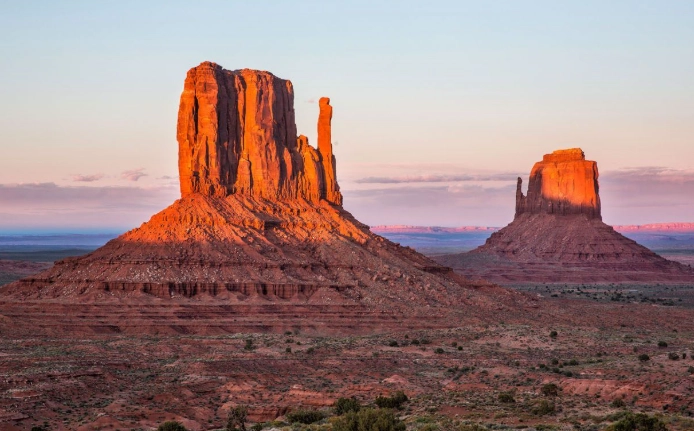
Airports & Tours
The nearest commercial airports are in Page, AZ (PGA) and Flagstaff, AZ (FLG), but they have limited connections. Most people fly into Las Vegas (LAS), Phoenix (PHX), Salt Lake City (SLC), or Albuquerque (ABQ) and rent a car.
Guided tours do operate from places like Page, Flagstaff, and even Sedona, but they involve very long days on a bus. For true flexibility, a rental car is king.
Nearby Towns & Where to Base Yourself
You won't find a metropolis next to the park. Your choice of base camp drastically affects your experience. Here’s a breakdown of the key hubs.
| Town | Distance to Park | Drive Time | The Vibe & Why Stay There |
|---|---|---|---|
| Kayenta, AZ | ~22 miles | 25 mins | The closest practical base. Has essential services (gas, grocery stores, a few hotels/motels like the Hampton Inn & Suites). No frills, purely functional. Best for maximizing park time with early starts. |
| Mexican Hat, UT | ~25 miles | 30 mins | A tiny, quirky spot on the San Juan River. Home to the iconic Mexican Hat rock. Has a couple of unique lodges (like the San Juan Inn) and is closer to Valley of the Gods, a free, driveable alternative. |
| Page, AZ | ~125 miles | 2 hours | A major tourism hub for Antelope Canyon and Lake Powell. Far, but offers vastly more lodging, dining, and tour options. Only consider this if you're centering a trip around Page itself. |
| Bluff or Moab, UT | ~60 miles / ~150 miles | 1 hour / 2.5 hours | Bluff is a quiet, historic Mormon settlement. Moab is the adventure capital for Arches & Canyonlands. Good if you're focusing on the Utah canyon country and don't mind the drive to Monument Valley as a day trip. |
My personal take? For a first visit dedicated to Monument Valley, stay in Kayenta. The ability to roll out of bed and be at the gate for a 6:00 AM sunrise entry is priceless. The hotels are fine—clean, with good Wi-Fi. You’re there to be in the valley, not a resort.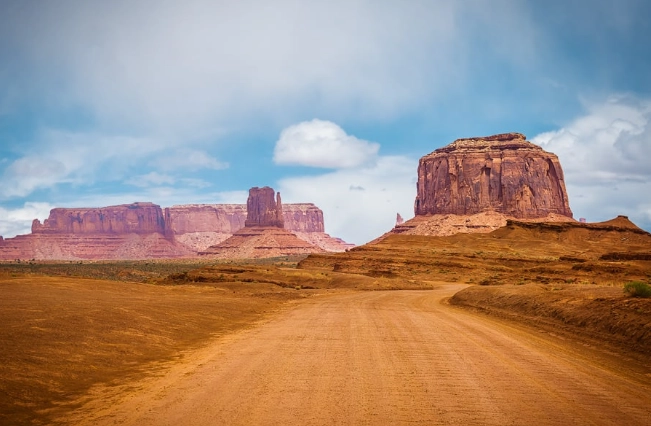
Itinerary Planning Based on Your Location
Your point of origin shapes your plan. Here are two common scenarios.
Scenario 1: The Dedicated Monument Valley Trip (Flying into Albuquerque)
- Day 1: Fly into ABQ, drive to Gallup (2 hrs). Explore Gallup's trading posts. Overnight in Gallup.
- Day 2: Drive to Monument Valley (2 hrs from Gallup). Check into Kayenta. Do the Valley Drive in the afternoon (last entry is 4:30 PM MST). Attend a sunset viewing at the visitor center overlook.
- Day 3: Sunrise entry into the park. Take a guided tour (essential to access areas like Mystery Valley or Hunt's Mesa). Drive to Mexican Hat and explore Valley of the Gods or Goosenecks State Park in the late afternoon. Overnight Kayenta or Mexican Hat.
- Day 4: Drive back to ABQ, perhaps stopping at Chaco Culture National Historical Park if time allows.
Scenario 2: The Grand Southwest Loop (Flying into Las Vegas)
- This is a classic. Vegas → Zion → Bryce Canyon → Page (Antelope Canyon) → Monument Valley → Moab → back to Vegas (or out of SLC). Monument Valley is a 1-2 night stop in the middle of this epic 10-14 day loop. In this case, you're likely coming from Page and heading to Moab afterward.
Practical Tips for Your Visit
- Park Hours & Fees: The park is open daily from 6:00 AM to 8:30 PM (Mountain Standard Time), but the scenic drive closes at 4:30 PM for entry. Admission is $8 per person (ages 9+), plus $8 per vehicle. Cash is accepted, but cards are easier. Check the official Navajo Parks site for the latest.
- Time Zone: The Navajo Nation observes Mountain Standard Time (MST) year-round. This means when most of the surrounding region (including Utah) is on Mountain Daylight Time (MDT) in the summer, the park is one hour behind. If your phone says 9:00 AM in Mexican Hat, UT, it's 8:00 AM at the Monument Valley gate. Mess this up and you'll miss a tour.
- The Scenic Drive: It's a 17-mile unpaved, rough loop. A high-clearance vehicle is recommended, but I've seen sedans do it slowly. It takes about 2-3 hours with stops. Dust is immense. Close your windows.
- Guided Tours are Non-Negotiable: To go beyond the public road, you need a Navajo guide. This isn't a restriction—it's an upgrade. They take you to arches, ancient petroglyphs, and private vistas. Book ahead with operators like Simpson's Trailhandler Tours or Goulding's Tours.
Your Monument Valley Location Questions Answered
What's the biggest mistake people make when planning a trip to Monument Valley based on its location?
They underestimate the distances and the complete lack of services between towns. There's a stretch of US-163 between Kayenta and Mexican Hat where you have zero cell service, no gas stations, and maybe one roadside vendor. You need a full tank of gas, plenty of water, and snacks in the car before you head out for the day. Treat it like a mini-expedition, not a drive between suburbs.
I'm coming from Page, AZ. Is it better to stay near Monument Valley or just do a very long day trip?
This is a tough call. The drive from Page is 2 hours each way on a good day. A day trip means 4+ hours of driving, leaving you maybe 6 hours in the park. You can see the overlook and do the scenic drive, but you'll be rushed and miss the magic of sunrise/sunset. If your budget allows, stay one night in Kayenta. The cost of a basic hotel is worth the profound difference in experience. If you must day-trip, leave Page by 6:00 AM.
How does the location on Navajo land actually change the visitor experience compared to a national park?
It's more than just a different managing agency. The connection to the culture is immediate and palpable. You'll see local Navajo families selling handmade jewelry at viewpoints (bring cash). The guided tours are often led by individuals whose families have lived here for generations—they share stories, not just geology. The facilities are more basic; don't expect a fancy visitor center with an IMAX theater. It feels authentic, not packaged. Respect is paramount—stay on marked trails, don't climb on the formations, and follow all posted rules.
Is Valley of the Gods a good free alternative to Monument Valley?
It's not an alternative, but an incredible complement. Located about 30 minutes north of Mexican Hat, Valley of the Gods is a Bureau of Land Management area with a stunning, unpaved 17-mile loop road through similar sandstone buttes and spires. It's free, you can camp (dispersed camping), and it's far less crowded. It lacks the sheer iconic scale of Monument Valley, but offers solitude and adventure. Do both. Use Valley of the Gods for a peaceful sunset after your Monument Valley tour.
We're driving from Monument Valley to Moab. What's the best route for scenery?
Absolutely take US-163 N to US-191 N. This route goes through the heart of the Bear's Ears National Monument area. You'll pass the dramatic rock formations of Forrest Gump Point, the sprawling Moki Dugway (a steep, gravel switchback road—check conditions), and the ancient cliff dwellings at Natural Bridges National Monument, which is absolutely worth a stop. It's slower than other routes, but every mile is a postcard. Allow at least 4 hours for the drive with short stops.
The location of Monument Valley is its defining characteristic. Its remoteness protects its grandeur. That Arizona-Utah border isn't just a line on a map; it's a gateway to a landscape that operates on its own time, by its own rules. Plan for the distance, respect the land and its people, and you'll find more than just a photo op—you'll find a place that truly feels like another world.
Reader Comments