You're driving up the legendary Highway 101, the redwoods are in your rearview, and the Pacific Ocean is calling. You want a beach that's more than just sand—you want drama, wildlife, and a slice of quiet California coast. You find the turnoff for Trinidad, and a few minutes later, you're there. Trinidad State Beach isn't the most famous beach in California, and that's precisely its magic. It's a place where sea stacks punch through the fog, gray whales breach on the horizon, and tide pools teem with life. Forget the crowded southern beaches; this is the Northern California coastline at its raw, beautiful best.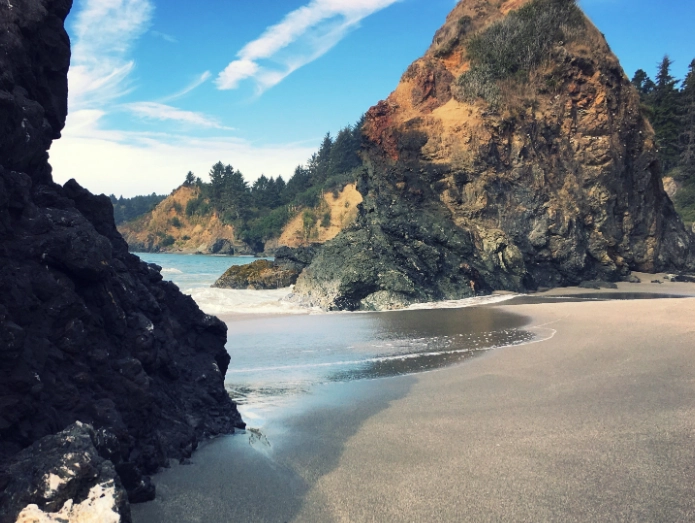
I've been coming here for over a decade, sometimes just to clear my head. The first mistake most people make? They see the main beach from the parking lot, snap a photo, and leave. They miss the secret.
Your Quick Guide to Trinidad State Beach
Getting There & The Lay of the Land
Let's get the logistics out of the way so you can focus on the experience.
Trinidad State Beach: The Essentials
Address: Main access is at the end of Stagecoach Road, off Patrick's Point Drive, Trinidad, CA 95570. (There's no specific "street number," but this pinpoints it).
Parking: A free, paved parking lot at the main entrance. It fills up by midday on sunny summer weekends.
Hours: Sunrise to sunset. Overnight camping is not permitted.
Cost: Absolutely free. No entrance fee, no parking fee.
Pets: Dogs are allowed on leash. This is a huge plus for travelers with furry friends.
Facilities: Basic pit toilets at the parking lot. No running water, no showers, no concessions. Pack in, pack out.
The drive is part of the appeal. From US Highway 101, take the Trinidad exit. You'll wind through the tiny, charming town of Trinidad (population: 360) before the road opens up to ocean views. The turn onto Stagecoach Road is well-marked. The beach itself is a series of connected coves and bluffs. The main area from the parking lot has a wide, sandy stretch, but the real character is to the north and south along the trails.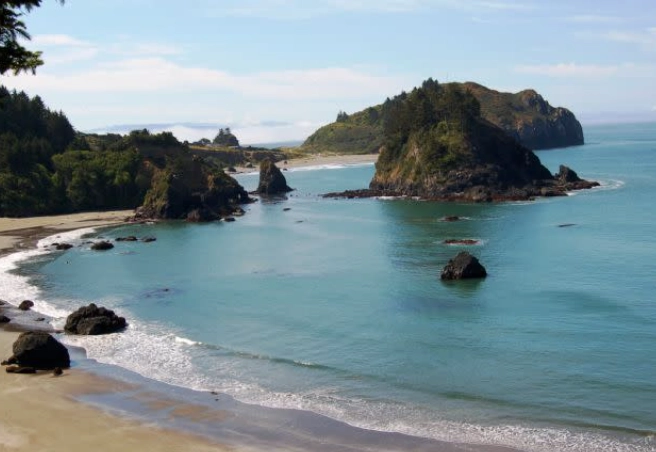
Most maps and even the California State Parks website list it simply as part of the greater area. That vagueness keeps the crowds manageable.
What to Actually Do at Trinidad State Beach
This isn't a lay-on-a-towel-all-day kind of beach (the wind and fog often have other plans). It's an explore-with-your-senses beach.
1. Tide Pooling Like a Pro (Not a Pest)
The rocky shelves to the north of the main beach are a world-class tide pooling area. You'll see anemones, hermit crabs, sea stars, and maybe an octopus if you're patient and lucky. Here's the non-consensus tip everyone misses: The best time isn't necessarily at the absolute lowest tide. Go about an hour before the published low tide. The pools are still full and accessible, but the receding water has already concentrated the most interesting creatures in the deeper pockets, and you avoid the scramble of everyone else who showed up right at "low tide." Check the NOAA tide charts for Trinidad Bay.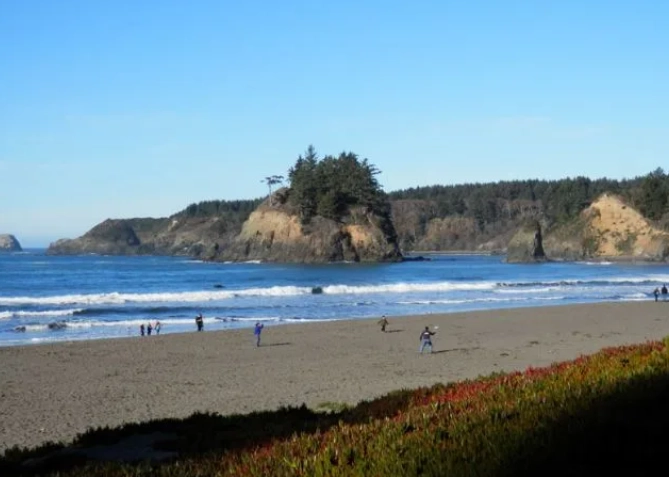
And for goodness sake, step carefully on bare rock, not on the mussel beds or algae. Don't poke the animals. This isn't a petting zoo; it's their home.
2. Whale Watching Without a Tour Boat
From the bluffs, you have a front-row seat to the Pacific Gray Whale migration. The southbound journey peaks late December through January, and the northbound (with calves) runs March through April. But here's a local secret: You can spot whales, humpbacks, and even orcas almost any time from late spring through fall. They're feeding. Bring binoculars. Look for the spout (a tall puff of mist), then a dark back, and if you're spectacularly lucky, a fluke.
The classic mistake? Staring endlessly at the empty horizon. Scan a section of ocean for 10 minutes, then move your gaze. Whales are where you find them.
3. Photography & Simply Soaking It In
The iconic view is of the sea stack just offshore, often with a stunted cypress hanging on for dear life. It's photographed a million times, but your shot will be unique with the right light—sunrise or the golden hour before sunset. The fog rolling in over the stacks is pure mood.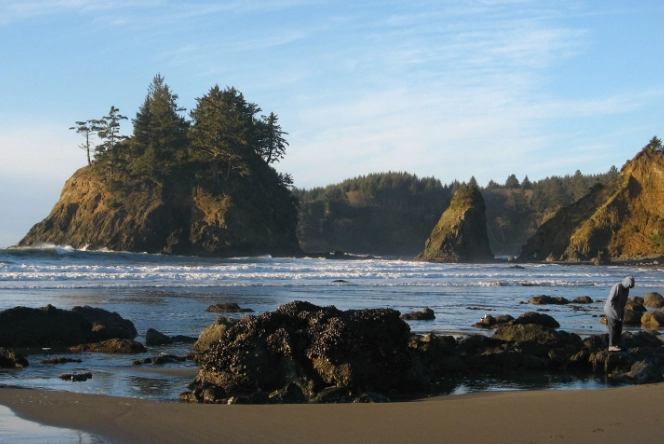
For a different perspective, take the trail south from the parking lot (towards College Cove). It's an easy walk with stunning cliff-top views. Find a bench, eat your sandwich, and just watch the ocean. That's the main activity for many of us.
The Nitty-Gritty: Planning Your Perfect Visit
To make your trip smooth, you need details beyond "it's pretty."
What to Pack (The Non-Obvious List)
- Layers, Layers, Layers: A warm fleece and a windproof/water-resistant shell are non-negotiable, even in August. The microclimate here is its own beast.
- Sturdy Shoes: Not flip-flops. Think hiking shoes or sneakers with grip for the rocky trails and slippery tide pool areas.
- A Tide Chart & Binoculars: More useful than a fancy camera for most.
- Water and Snacks: No services. I pack a thermos of hot coffee more often than a cold drink.
- A Small Backpack: To keep your hands free for scrambling and photography.
Where to Stay & Eat Nearby
Trinidad is tiny. You'll likely stay in Trinidad itself, Arcata (15 mins south), or Eureka (25 mins south).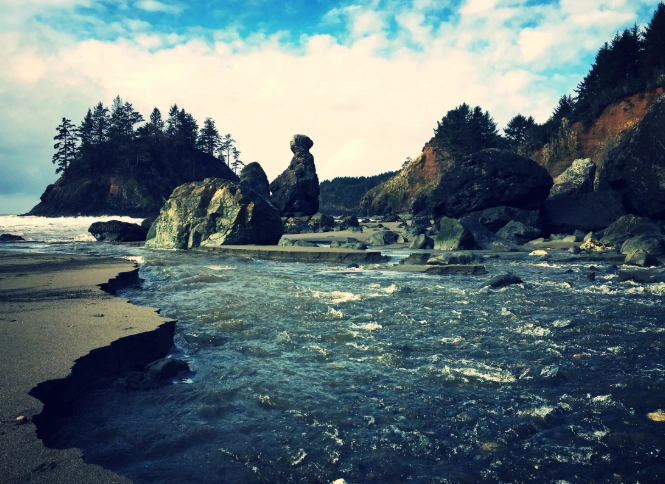
In Trinidad: The Trinidad Inn is cozy with great ocean views. The View Crest Lodge offers rustic cabins right on the bluff. For food, Seascape Restaurant is the go-to for fresh, upscale seafood with million-dollar views. Beachcomber Cafe is better for a hearty breakfast or lunch. Don't expect late-night options; everything closes early.
In Arcata: More choices and a college-town vibe. It's a great base if you want more dining and nightlife options after your beach day.
A word of warning about Trinidad accommodations: Book way in advance for summer. There are only a handful of places.
Combining Your Trip
Trinidad State Beach is rarely a standalone destination. It's the perfect coastal punctuation mark on a Redwoods road trip. Pair it with a morning hike in Patrick's Point State Park (just north) or among the giants in Prairie Creek Redwoods State Park (a short drive south). The Trinidad Chamber of Commerce site has good info on other local attractions.
Local's Advice: Your Questions Answered
Is Trinidad State Beach safe for swimming?
This is the most important question. The short answer is: no, not really. The water is frigid year-round (50-55°F), there are strong rip currents, and the beach drops off quickly. It's not a swimming beach. It's a wading-at-the-very-edge, watching-the-waves beach. Every year, people get into trouble by underestimating the power of the Pacific here. Enjoy the ocean from the shore.
We're visiting Trinidad with kids. Is it a good choice?
Absolutely, but with managed expectations. Kids love the tide pools (supervision is a must on the slippery rocks) and running on the wide, sandy part of the beach. The trails are easy for little legs. Just pack plenty of snacks, extra warm clothes, and have a backup plan (like the nearby town of Arcata) if the fog rolls in and the kids get cold and bored. It's not a build-sandcastles-for-hours beach, but it's a fantastic explore-and-discover beach.
What's the one thing most visitors miss at Trinidad State Beach?
The trail to the Memorial Lighthouse and the view of Pilot Rock. From the main parking lot, don't just go down to the sand. Look for the trail heading north along the bluff. It's a gentle, 10-15 minute walk to a small, historic lighthouse memorial with a panoramic view that will stop you in your tracks. You look south down the coast, north to more sea stacks, and west to the vast ocean. It's quieter than the main beach and feels more personal. Most people are so focused on getting to the sand they walk right past the trailhead.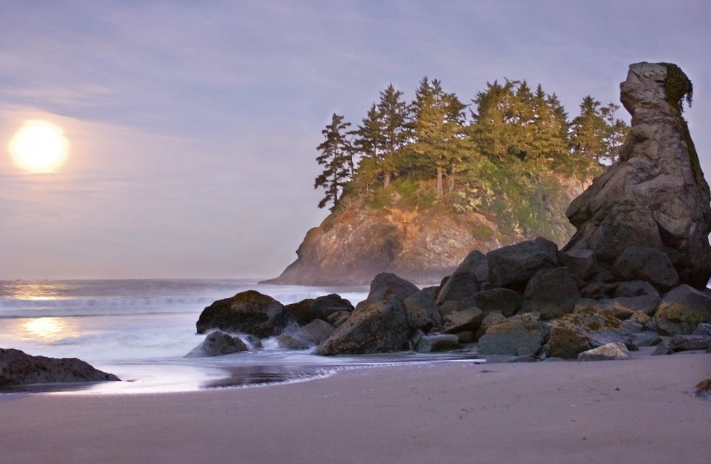
Can I have a bonfire or fly a drone at the beach?
No to both, and this is where people often get tripped up. Bonfires are prohibited at Trinidad State Beach. The wind, the proximity to dry grass on the bluffs, and the lack of supervision make it a major hazard and a surefire way to get a hefty fine. For beach fires, you need to go to designated fire ring areas at other state beaches further south. Drones are also prohibited as part of the California State Parks system rules, primarily to protect wildlife and the peace of other visitors. The sound stresses birds and marine mammals. Use your phone or camera from the ground.
Is it accessible for someone with mobility issues?
There's a significant limitation. The path from the parking lot down to the sandy beach is a moderately steep, paved ramp. It's manageable for many with care, but not wheelchair-accessible to the sand itself. However, the bluff-top area around the parking lot and the beginning of the trail to the Memorial Lighthouse offer spectacular, barrier-free ocean views. You can experience the grandeur and see the sea stacks without having to descend to the shore.
Trinidad State Beach stays with you. It's the smell of salt and cypress, the sound of gulls and crashing waves, the chill of the fog on your face. It's not manicured or easy. It's real. You come for the postcard view, but you leave with a feeling—a quiet reminder of the scale and beauty of the natural world. That's why, after all these years, I still find excuses to make the drive.
Reader Comments