The American Southwest isn't just a place on a map. It's a feeling. It's the dry heat on your skin, the impossible red of a sandstone cliff at sunset, and the profound silence of a desert canyon. Covering states like Arizona, Utah, New Mexico, Nevada, and parts of Colorado and California, this region is defined by its dramatic landscapes, Native American heritage, and a sense of vast, open space. Forget crowded cities; here, the attractions are cathedrals of rock, winding slot canyons, and skies so dark you can see the Milky Way with your naked eyes. This guide cuts through the noise to give you the practical, actionable information you need to plan an unforgettable Southwest US adventure.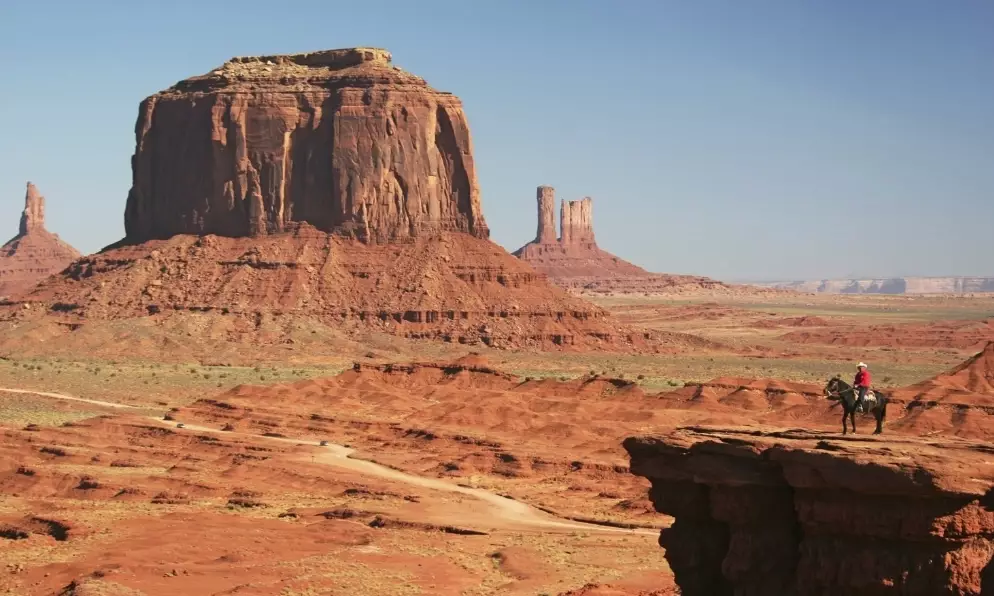
What's Inside This Guide
When to Go: Timing Your Southwest Adventure
Get the timing wrong, and your dream trip can turn into a grueling test of endurance. The Southwest's climate is extreme, and seasons dictate not just comfort, but accessibility.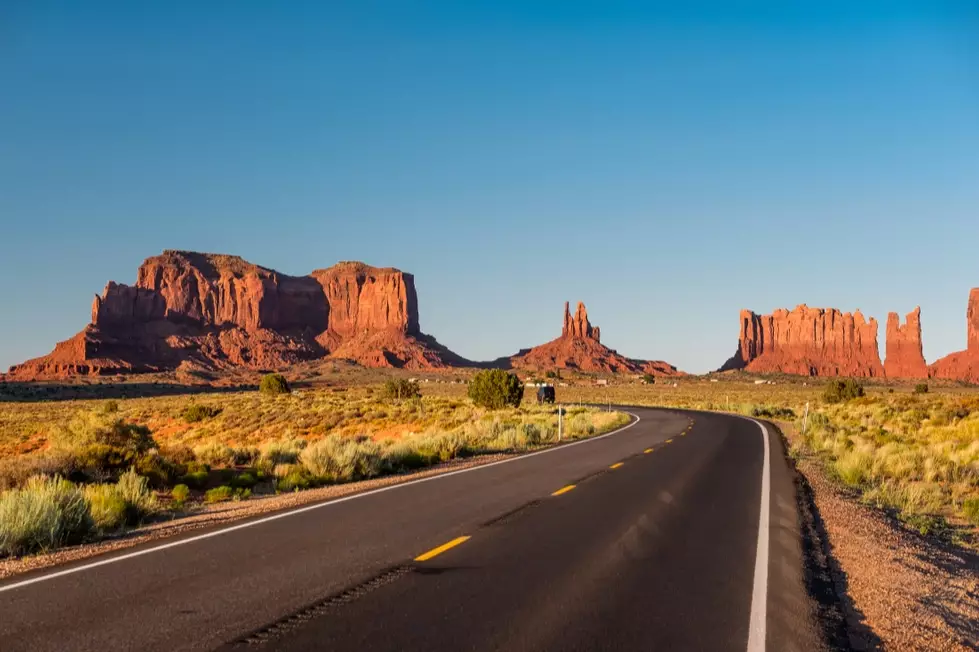
Spring (March to May) is arguably the best season. Daytime temperatures are pleasant (60s-80s°F), wildflowers bloom in the desert, and the summer crowds haven't fully arrived. It's perfect for hiking. I once hiked the Narrows in Zion in late April—the water was cold, but the canyon walls were alive with spring light, and we had stretches completely to ourselves.
Fall (September to November) is a close second. The scorching summer heat breaks, the light is golden, and the landscapes feel refreshed. It's my personal favorite for photography.
Now, here's the non-consensus part everyone glosses over: Summer (June to August) is not uniformly "bad," but you must be strategic. Yes, Death Valley and the floor of the Grand Canyon are brutally hot, often over 115°F (46°C). Hiking there is dangerous without extreme preparation. However, higher-elevation parks like Bryce Canyon (8,000-9,000 ft) are actually quite pleasant in summer, with highs in the 70s. The mistake is trying to mix low-desert and high-country activities in the same day without a clear plan for the heat.
Winter (December to February) brings snow to the high country, closing the North Rim of the Grand Canyon and making roads like the one to Cedar Breaks impassable. But the South Rim of the Grand Canyon and lower parks like Joshua Tree are accessible and crowd-free, if chilly. You'll need to pack for all conditions.
Top Parks & Sights You Can't Miss
You could spend a lifetime exploring here. To start, focus on these iconic places. I'm skipping the generic descriptions and telling you what you really need to know.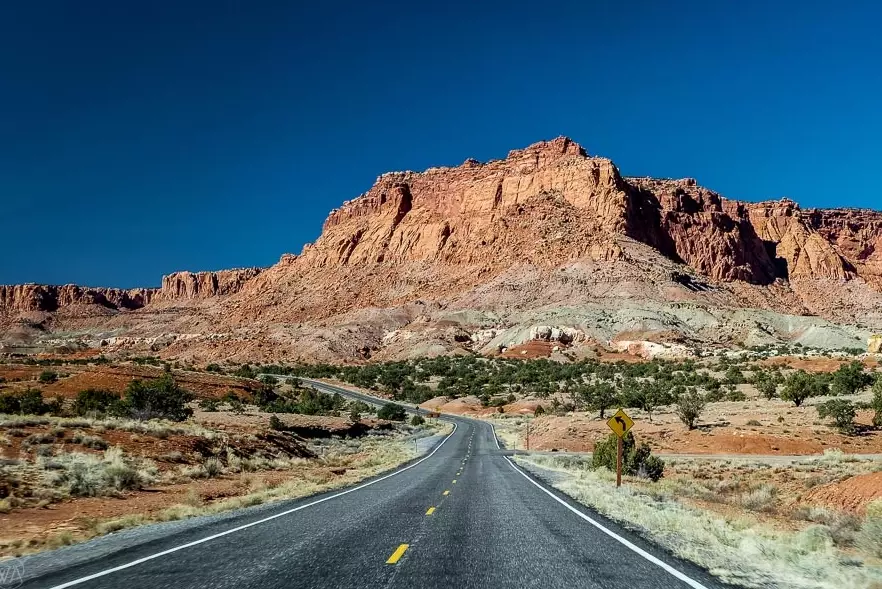
The Mighty National Parks
These are the crown jewels. An America the Beautiful Pass ($80/year) pays for itself if you visit more than three parks in a year.
| Park | Must-See/Do | Key Practical Info | My Take |
|---|---|---|---|
| Grand Canyon (South Rim) | Hike a section of the Bright Angel Trail (even just to the 1.5-mile resthouse), watch sunset at Hopi Point. | Open 24/7. $35/vehicle. South Rim is year-round. Lodging in the park books up a year in advance. The free shuttle bus is essential. | The scale is incomprehensible until you're there. Most people just peer over the edge. Hike down even a little to feel its grandeur. |
| Zion National Park | Angels Landing (permit required), The Narrows (rent gear in Springdale), Watchman Trail at sunset. | From March-November, the scenic canyon drive is accessible by shuttle bus only (free). Parking fills by 9 AM. Stay in Springdale. | It's the most "packed" park. To escape crowds, explore the lesser-visited Kolob Canyons section off I-15. |
| Bryce Canyon National Park | Sunrise at Sunrise Point, hike the Queen's Garden/Navajo Loop combo, stargazing. | High elevation (8,000-9,000 ft) means cool nights even in summer. The 18-mile scenic drive has 13 viewpoints. | The hoodoos are surreal. It feels smaller and more manageable than Zion or the Grand Canyon. Perfect for 1-2 days. |
| Arches National Park | Delicate Arch (hike at sunset), Landscape Arch, Windows Section. | Often requires a timed entry reservation (Apr-Oct). Book well in advance on Recreation.gov. Moab is the base town. | Getting a reservation is a hassle, but it prevents gridlock. The hike to Delicate Arch is exposed and busy but utterly worth it. |
Beyond the Parks: Iconic Landmarks
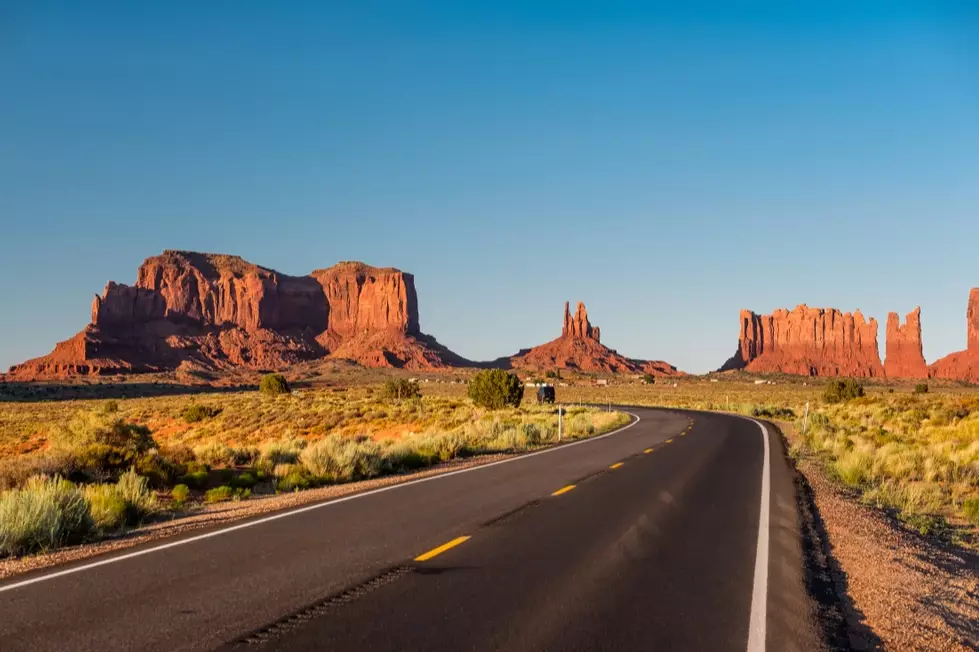
Monument Valley (Navajo Nation) is that classic Western landscape. You can do the self-drive loop on a dusty road, but taking a guided tour with a Navajo guide gets you into areas like the famous mittens up close and provides cultural context you'd miss otherwise. Tours start around $80-$100 per person.
Antelope Canyon (Page, AZ) is the famous slot canyon. You must book a guided tour. Upper Antelope is more famous for light beams (best around noon in summer); Lower Antelope involves ladders and is less crowded. Book months ahead. Honestly, it's expensive and feels a bit like a conveyor belt, but the swirling sandstone is undeniably beautiful.
Sedona, Arizona isn't a park; it's a town surrounded by stunning red rock formations. The energy vortex sites are a big draw (Cathedral Rock, Bell Rock). It's more developed, with great restaurants and upscale resorts. The 4x4 Pink Jeep Tours are a blast if you want an adrenaline kick.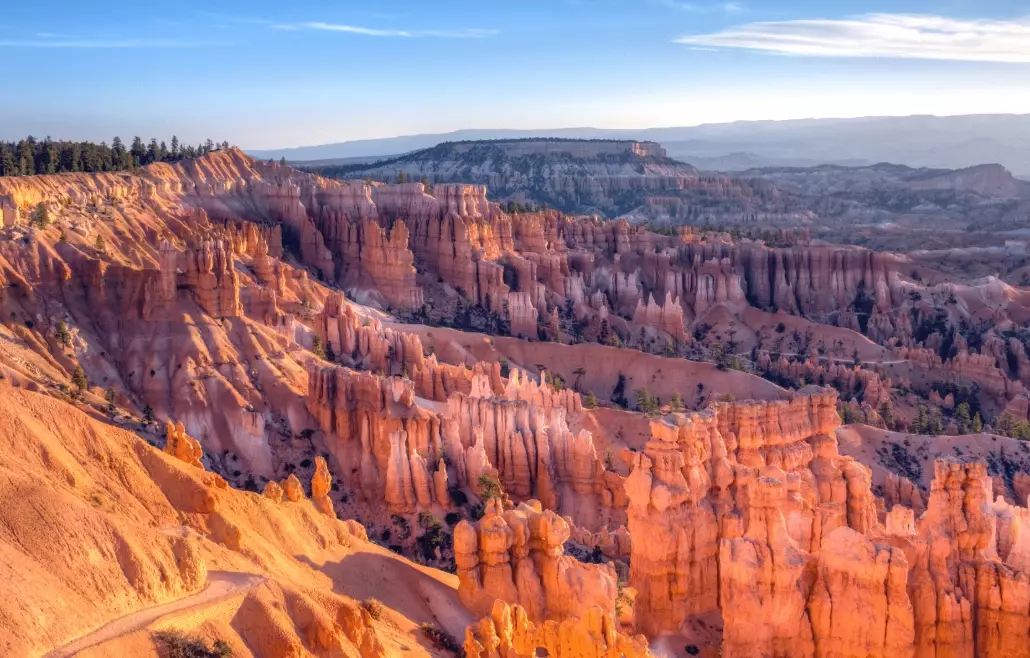
How to Build Your Southwest Itinerary
This is where trips fail. People underestimate distances. Driving from Las Vegas to the Grand Canyon South Rim is 4.5 hours. Zion to Bryce is 2 hours. Add in time to actually stop and look around.
Classic 7-Day Loop (The Introduction):
Day 1: Arrive Las Vegas, drive to Zion (2.5 hrs).
Day 2-3: Explore Zion National Park.
Day 4: Drive to Bryce Canyon (2 hrs), explore afternoon/sunset.
Day 5: Drive to Grand Canyon South Rim (4 hrs), catch sunset.
Day 6: Explore Grand Canyon.
Day 7: Drive back to Las Vegas (4.5 hrs).
It's fast, but it hits the big three.
10-14 Day Deep Dive (Recommended):
Add time in Page, AZ (Antelope Canyon, Horseshoe Bend), Monument Valley, and Sedona. This pace lets you breathe, do a few major hikes, and not feel like you live in your car.
Consider flying into different airports to avoid backtracking: into Las Vegas (LAS) and out of Phoenix (PHX), or vice-versa.
Practical Details: Where to Stay, Eat & Get Around
Accommodation: Book Early, Really Early
Inside-park lodging (like the Grand Canyon's El Tovar or Zion's Zion Lodge) offers unbeatable location but books out 6-12 months ahead. If they're full, look at "gateway" towns:
- Springdale, UT (for Zion): Walkable, great dining. Try the Cable Mountain Lodge.
- Tusayan, AZ (for Grand Canyon South Rim): Just outside the park gates, lots of chain hotels.
- Moab, UT (for Arches/Canyonlands): Adventure hub with funky motels and nice B&Bs.
In high season, expect to pay $150-$300+ per night for a decent hotel room near a major park.
Food & Water
Southwestern cuisine is a highlight—think green chile stew, Navajo tacos, and Sonoran hot dogs. In towns like Flagstaff and Santa Fe, you'll find fantastic local restaurants.
But when you're in the parks, options are limited and expensive. Pack a cooler with lunch supplies, snacks, and—most critically—water. I carry two 32-ounce Nalgene bottles per person and a 3-gallon jug in the car to refill them. Dehydration sneaks up fast.
Getting Around
You need a car. Public transport is virtually non-existent between destinations. Rent a standard SUV; you don't need 4x4 for the main highways and park roads, but the clearance is nice for dirt roads to some trailheads. Gas up whenever you see a station; stretches between towns can be long.
Expert Tips for Hiking and Desert Travel
After a decade of trips out here, these are the rules I live by:
1. Hike Early. No, Earlier. Aim to be on the trail at sunrise. You'll have the place to yourself, the light is magical, and you'll finish before the worst heat. A 10 AM start for a major hike is a beginner's mistake.
2. The 10 Essentials Are Not Optional. This isn't a walk in a city park. Always have: map/compass/GPS, sun protection (hat, sunglasses, SPF 50+), extra clothes (it gets cold at night), headlamp, first-aid kit, matches/firestarter, repair kit, extra food, extra water, emergency shelter. I've helped unprepared hikers on the Bright Angel Trail who had one small bottle of water for a 12-mile hike. Don't be that person.
3. Respect the Land and Culture. This is sacred land to many Native American tribes. Don't climb on archeological sites or disturb rock formations (stacking rocks, or "cairns," is often culturally disruptive). Follow Leave No Trace principles religiously.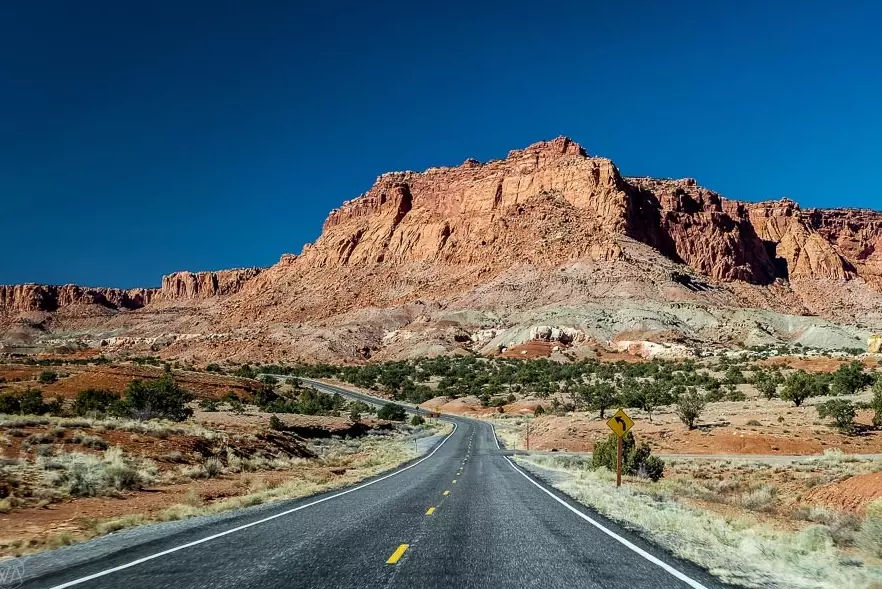
Your Southwest Travel Questions Answered
 The Southwest challenges and rewards you in equal measure. It demands preparation and respect, but in return, it offers some of the most powerful and memorable landscapes on the continent. Use this guide as your starting point, plan ahead, and get ready for an adventure that sticks with you long after you've shaken the red dust from your boots.
Reader Comments