Your Quick Guide to the San Juans
Let's be real. You're searching for "San Juan Mountains things to do" because you've seen the pictures. Those insane, jagged peaks. Those electric blue alpine lakes. That feeling of standing on top of the world. But between the dream and the reality sits a big, beautiful, slightly intimidating question: where do I even start?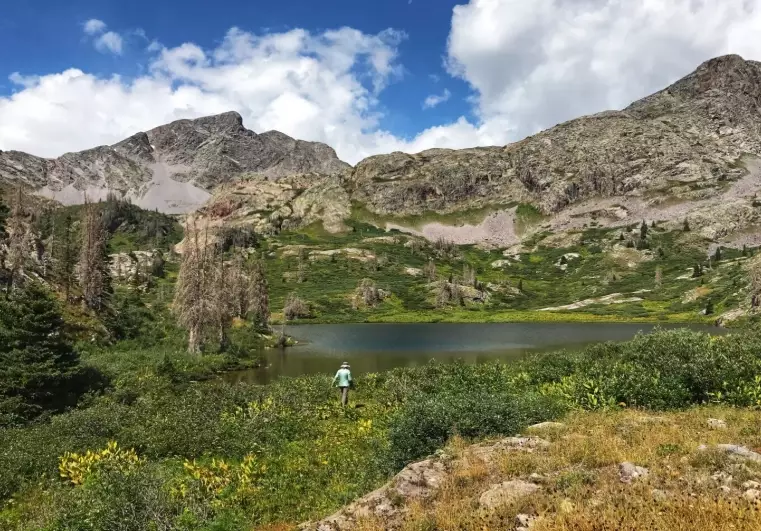
I get it. I've been there, staring at a map of southwestern Colorado feeling utterly overwhelmed. The San Juans aren't just one mountain; they're a sprawling, complex, and breathtakingly rugged range. Figuring out the best things to do in the San Juan Mountains can feel like trying to drink from a firehose of awesome.
Well, take a deep breath of that imaginary high-altitude air. I've spent more time in these hills than I can count, gotten lost (more than once), found magic in unexpected places, and learned a thing or two about what's actually worth your time. This isn't a generic listicle. It's the guide I wish I'd had—a down-to-earth, season-by-season, activity-by-activity breakdown of how to experience the San Juans right.
First, Let's Talk About This Place
The San Juan Mountains are special. They're the most extensive and rugged range in Colorado, part of the larger Rocky Mountains. What sets them apart? Geology, mostly. This is volcanic country, sculpted by glaciers into the dramatic spires, deep cirques, and passes that make your jaw drop. Towns like Ouray, Telluride, Silverton, and Lake City are your gateways, each with its own vibe. Ouray feels like a cozy Swiss village tucked in a canyon. Telluride is... well, Telluride (glamorous and gorgeous). Silverton is a raw, authentic mining town that hasn't lost its edge.
Knowing this helps you plan. The vibe you want influences the things you'll do.
The Crown Jewels: Summer & Fall Activities
This is peak season. Wildflowers explode in July, September brings the legendary aspen gold, and the high country is finally accessible. Most of your classic San Juan Mountains things to do happen here.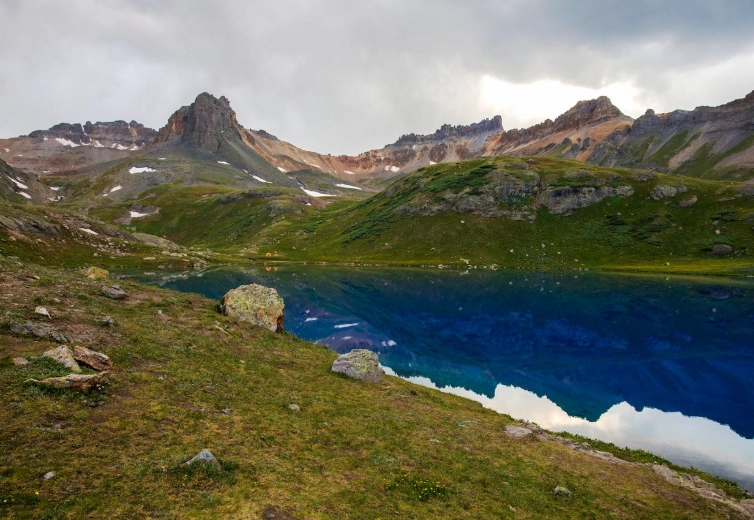
Hiking That'll Rewire Your Brain
This is the main event. The trail network here is absurdly good. We're talking life-list hikes. But not all trails are created equal. Here’s my take on a few iconic ones, warts and all.
Okay, back to the good stuff.
Ice Lakes Basin near Silverton is the poster child for a reason. The turquoise water of the lower lake against the stark, mineral-streaked peaks is unreal. It's also insanely popular. Get to the trailhead by 6 AM or you'll be parking a mile down the road. The hike is steep, relentless, and totally worth it. Is it overhyped? Maybe a little. But it's famous for a reason—it's spectacular.
Prefer something with similar payoff but fewer crowds? Blue Lakes Trail near Ridgway, leading up to Mt. Sneffels, is a strong contender. The series of lakes gets progressively more stunning. The wildflowers in July are stupidly good.
For a longer, more immersive backpacking experience, the Chicago Basin in the Weminuche Wilderness is legendary. You take the Durango & Silverton Narrow Gauge Railroad to the trailhead, which already feels like an adventure. Then you hike into a basin surrounded by 14,000-foot peaks. You'll likely see mountain goats. It's a commitment, but it’s the heart of the San Juans.
Looking for a great, moderate sampler? The Yankee Boy Basin road near Ouray lets you drive high (4WD required) and then hike short distances to waterfalls and insane basin views. It's one of the more accessible and rewarding things to do in the San Juan Mountains for those not wanting a full-day death march.
Camping: From Car-Side to Deep Wilderness
You haven't really experienced the San Juans until you've slept under its stars. The options are endless.
Dispersed camping is king here. Miles of National Forest roads lead to endless pull-offs with million-dollar views. Sites like the ones along the Alpine Loop (Engineer Pass, Cinnamon Pass) or Ophir Pass are first-come, first-serve free gems. The key? Have a good map, pack out EVERYTHING, and be fully self-sufficient. No services, no water, no toilets. Just you and the mountains.
I once camped at a spot above treeline near Engineer Pass. Waking up to a sunrise that painted the entire Uncompahgre Wilderness pink was a spiritual experience. The wind nearly took my tent, but I'd do it again in a heartbeat.
If you need facilities, developed campgrounds like Molas Lake near Silverton or Amphitheater near Ouray are great. Book early—they fill up months in advance for summer weekends.
Scenic Drives That Are Attractions Themselves
Not everyone wants to hike 10 miles. Some of the best things to do in the San Juan Mountains involve sitting in a (preferably high-clearance) vehicle.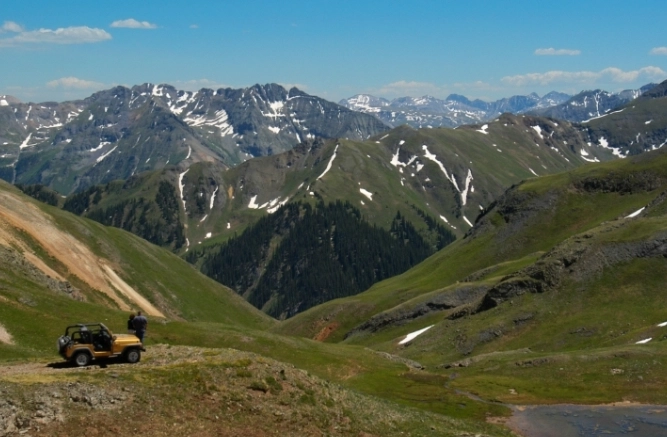
The Million Dollar Highway (US 550 between Silverton and Ouray) is world-famous. It's not for the faint of heart—tight curves, no guardrails, sheer drops. But the engineering is a marvel, and the views into the Uncompahgre Gorge are terrifyingly beautiful. Drive it slowly, pull over at the turnouts, and just soak it in.
For a true backcountry adventure, the Alpine Loop is a 65-mile network of 4x4 roads connecting Ouray, Silverton, and Lake City. You can tackle sections like Engineer Pass or Cinnamon Pass. You don't need a rock crawler, but a serious 4WD with good tires is mandatory. The sense of history is palpable—you're following old miner's routes past ghost towns like Animas Forks.
A quieter, stunning alternative is the Last Dollar Road between Telluride and Ridgway. It's dirt, often passable in a careful passenger car in dry conditions, and offers iconic views of Mt. Sneffels and the San Miguel range. In fall, it's a tunnel of gold.
When the Snow Flies: Winter & Spring Adventures
People think the San Juans shut down in winter. They could not be more wrong. The things to do just get... fluffier.
Backcountry Skiing & Snowboarding Mecca
Telluride and Silverton are legends for a reason. Telluride Ski Resort offers incredible in-bounds terrain. But the real magic for experts is the backcountry around Red Mountain Pass, Ophir Pass, and the areas around Telluride. This is serious, avalanche-prone terrain. If you're not experienced and educated (with the proper gear—beacon, probe, shovel), hire a guide. Companies like San Juan Mountain Guides or Telluride Backcountry Guides offer trips for all levels. Skiing untouched powder through silent, snow-draped evergreens is an experience that borders on religious.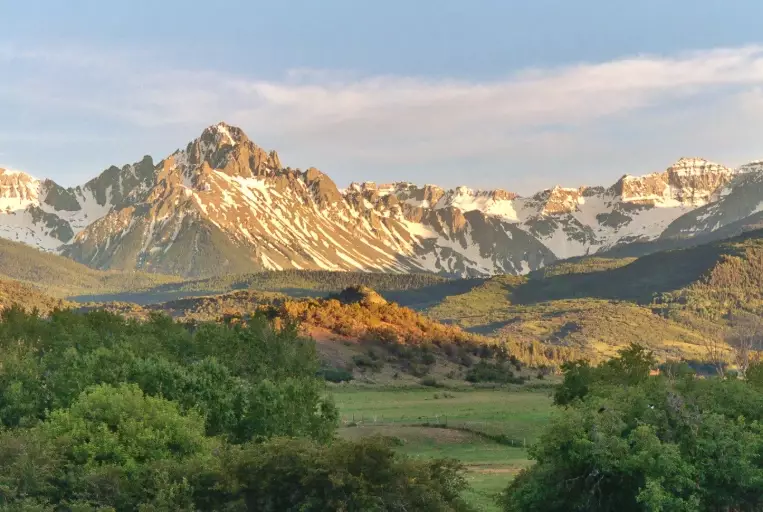
Snowshoeing & Winter Hitting
A more accessible way to experience the winter wonderland. Popular summer trails like the perimeter of Molas Lake or the lower sections of trails around Ouray become serene snowshoe routes. The Ouray Perimeter Trail offers stunning frozen waterfall views. The Yankee Boy Basin road is a popular, relatively safe snowshoe or ski tour when the road is closed.
Rentals are easy to find in any town. Just remember, winter days are short. Start early.
Soaking Those Aching Muscles
This might be the most underrated of all San Juan Mountains things to do. After a day in the cold, nothing beats a natural hot spring. Ouray Hot Springs Pool is a wonderful, family-friendly municipal pool fed by natural springs. For a more rustic, clothing-optional experience right on the river, Orvis Hot Springs near Ridgway is iconic (and adults-only). Sitting in 108-degree water while snow dusts your hair is a core memory waiting to happen.
Beyond the Trail: Other Noteworthy Experiences
Hiking and driving are the big two, but your list of San Juan Mountains activities doesn't have to stop there.
- Ride the Historic Railroad: The Durango & Silverton Narrow Gauge Railroad is a moving museum. The steam-powered train chugs along the Animas River Gorge, offering views completely inaccessible by road. It's touristy, yes, but it's legitimately cool and a great rest-day activity.
- Mine History: The San Juans were built on silver and gold. Tours of the Bachelor Syracuse Mine near Ouray or the Old Hundred Gold Mine near Silverton give you a gritty, fascinating look into the past that shaped these towns.
- Mountain Biking: The trail network in places like Phil's World near Cortez or the Hermosa Creek system is world-class. In Telluride, you can even take the gondola (free!) up and bike down.
- Fly Fishing: The gold-medal waters of the Animas, Gunnison, and Uncompahgre rivers are legendary. Hire a guide for a half-day to learn the holes and hatch cycles.
Planning Your Trip: The Nitty-Gritty Details
Alright, you're inspired. Now for the practical stuff. This is where most generic guides fall short.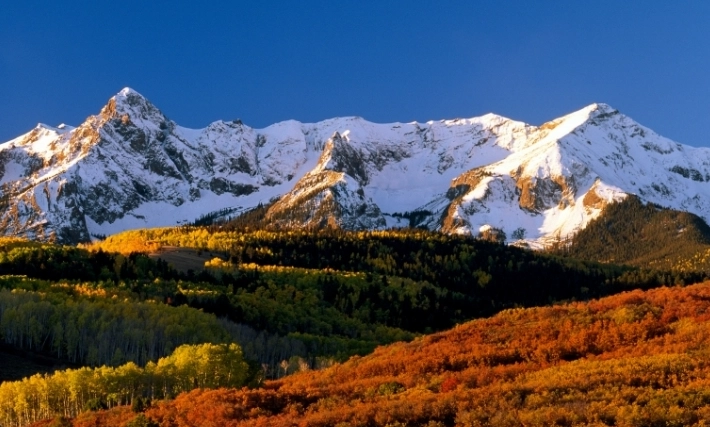
When to Go (It Depends)
| Season | Pros | Cons | Best For |
|---|---|---|---|
| Summer (July-Aug) | All trails open, wildflowers, stable weather, all activities available. | Crowds, afternoon thunderstorms EVERY day, mosquitoes at lower elevations. | High-altitude hiking, backpacking, 4x4 adventures. |
| Fall (Sept-Oct) | Fewer crowds, stunning aspen colors, crisp air, fewer bugs. | Unpredictable weather, early snow possible at high elevations, shorter days. | Photography, hiking at mid-elevations, scenic drives. |
| Winter (Nov-Apr) | Solitude, snow sports, hot springs, magical landscapes. | Many roads/trails closed, avalanche danger, extreme cold, limited services. | Backcountry skiing, snowshoeing, cozy town visits. |
| Spring (May-June) | Melting snow creates roaring waterfalls, green valleys, no crowds. | "Mud season," most high trails still snowbound, unpredictable storms. | Low-elevation hikes, waterfall viewing, river activities. |
My personal favorite? Late September. The summer rush is over, the air has a bite, and the mountains are on fire with color. But you have to be okay with a little weather roulette.
Where to Base Yourself
This choice defines your trip.
- Ouray: Central, stunning canyon setting, great hot springs, access to Million Dollar Highway and many 4x4 trails. Feels intimate.
- Telluride: Upscale, incredible mountain scenery, great dining, ski resort/gondola access. Can be expensive and busy.
- Silverton: Authentic, rugged, high-altitude (9,318 ft!). Direct access to epic hikes and the Alpine Loop. Fewer amenities, more remote.
- Durango: Larger town with all services (airport, big grocery stores). Further from the core peaks but a great hub for the southern San Juans.
- Lake City: The quiet, eastern gateway. Less crowded, direct access to the Alpine Loop and fantastic hiking in the Uncompahgre Wilderness.
What to Pack (The Non-Obvious Stuff)
Beyond the usual hiking gear:
- Layers, layers, layers. A puffy jacket, rain shell, and moisture-wicking base layers. The temperature can swing 40 degrees in a day.
- Sturdy, broken-in hiking boots. The trails are rocky and steep. Blisters ruin everything.
- Sun protection is no joke. High-altitude sun is brutal. Hat, sunglasses, SPF 50+.
- More water than you think. I carry a 3-liter hydration bladder plus a filter (like a Sawyer Squeeze) for refilling from streams.
- Physical maps. Cell service is a myth in the backcountry. The US Forest Service sells excellent maps, or get National Geographic Trails Illustrated maps for the area.
- A healthy respect for the weather. Afternoon thunderstorms are a daily summer certainty. Be off high ridges and peaks by 1 PM.
Answers to Questions You're Probably Asking
Let's get specific. Here are the real questions people have when planning their San Juan Mountains things to do list.
Wrapping It Up
Figuring out the best things to do in the San Juan Mountains isn't about checking off a list. It's about choosing the experiences that match your energy, your season, and your sense of adventure. Whether it's sweating up a silent trail to a blue lake, white-knuckling a scenic pass in a 4x4, or soaking in a hot spring as snow falls, this place gets under your skin.
It demands respect—for the weather, the altitude, the wildlife, the history. Give it that respect, and it pays you back a thousand times over in moments of pure, undistilled awe.
So start planning. Pick a season. Book a campsite or a cozy cabin. Get your boots ready. Your list of San Juan Mountains things to do is waiting to be written, one step, one turn in the road, at a time.
See you out there.
Reader Comments