Let's get straight to it. The Douglas Spring Trail isn't just a hike; it's a full immersion into the Sonoran Desert. Starting from the busy foothills of Tucson, it climbs steadily into the remote Rincon Mountains, offering everything from classic saguaro vistas to quiet pine forests. I've hiked it in every season, made every mistake you can think of, and learned what makes it special—and what makes it challenging.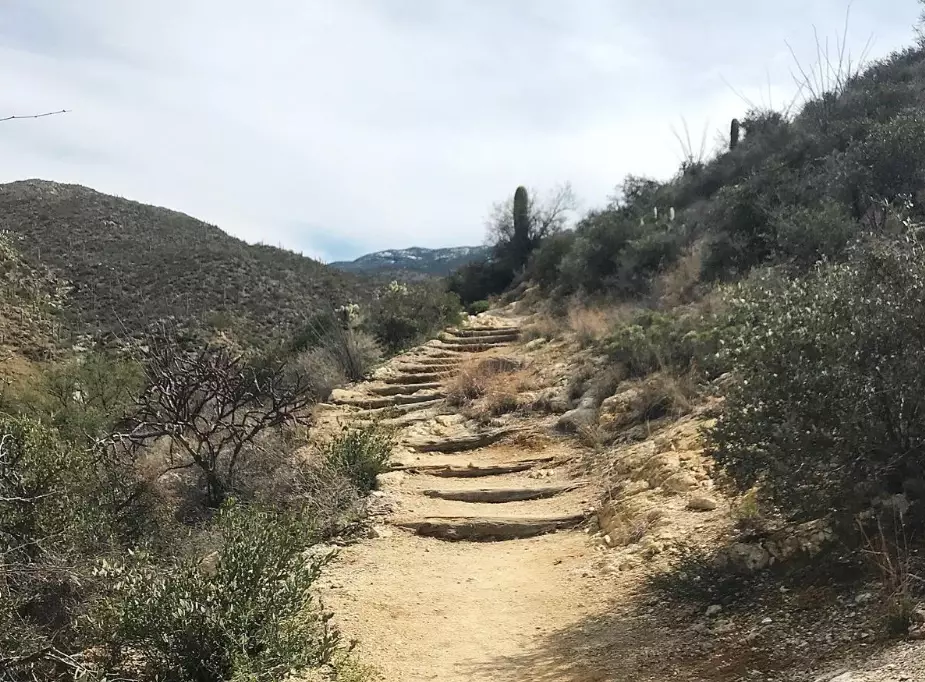
Most guides will give you the basics: 6.1 miles one-way, 1,650 feet of gain. I want to tell you about the loose gravel on the first switchback that's claimed more than a few ankles. Or the exact spot, about 2.3 miles in, where you're almost guaranteed to see a Gila woodpecker if you're quiet.
What You'll Find in This Guide
Trail Essentials & What to Expect
First, the numbers. The trailhead is in Saguaro National Park (Rincon Mountain District). You need to pay the park entrance fee. No way around it. The rangers check. The trail is well-signed, but it's not a sidewalk. You're in a wilderness area from the moment you step on it.
| Detail | Information |
|---|---|
| Trailhead Location | Douglas Spring Trailhead, Saguaro National Park (Rincon Mountain District), off Speedway Blvd. |
| Distance (Round Trip) | 12.2 miles to Douglas Spring Campground & back. Many turn around earlier. |
| Elevation Gain | ~1,650 feet (503 meters) to the spring/campground. |
| Difficulty | Moderate to Strenuous. The steady climb and exposure are the real challenges. |
| Park Hours & Fees | Park open sunrise to sunset. $25 vehicle entrance fee (valid 7 days). America the Beautiful pass accepted. |
| Best Time to Hike | October to April. Start at dawn. Summer hiking is not recommended due to extreme heat. |
The biggest thing most people underestimate? The exposure. There are exactly three small patches of shade in the first four miles. You are in a solar oven. Your preparation isn't about fitness as much as it is about heat management.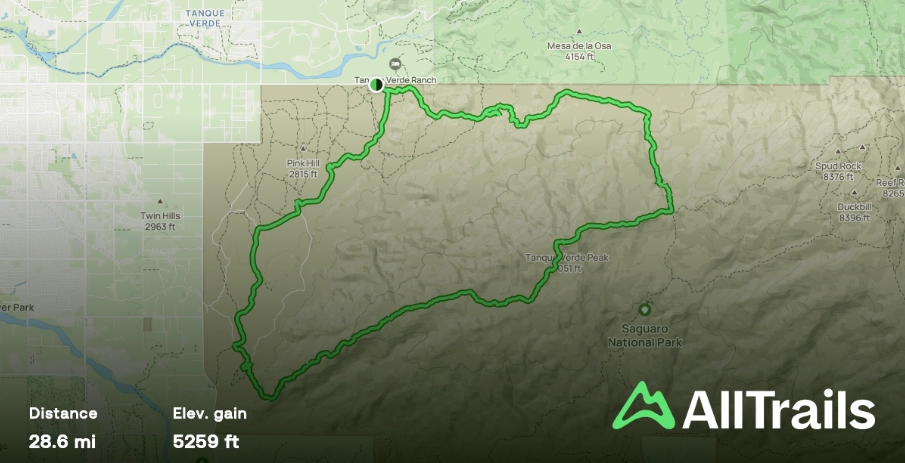
A Step-by-Step Walk of the Trail
Let's break it down. Not by mile markers, but by feel and landmarks.
The Initial Climb (Trailhead to First Major Wash)
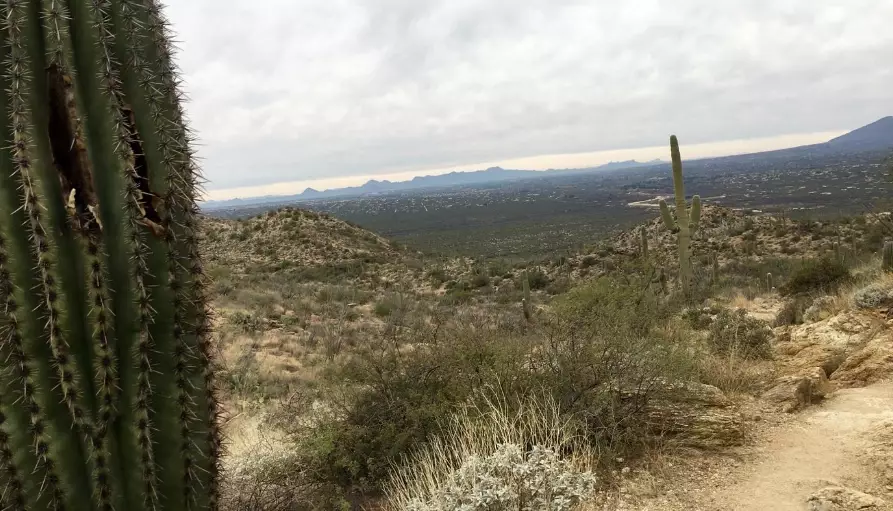
The first half-mile hits you hard. It's a rocky, sustained climb that gets your heart going. You're surrounded by towering saguaros immediately. This is the postcard view. Take pictures here, because you'll be too focused on your footing later.
Around 0.3 miles, you cross a wide, sandy wash. This is a great turnaround for families with very young kids. They get the desert experience without the grind.
The Long Grind & The Views (First Wash to Bridal Wreath Falls Turnoff)
This is the meat of the hike. The trail snakes along the side of the mountain, climbing relentlessly. The vegetation starts to change. Fewer saguaros, more ocotillo and mesquite.
Here's the non-consensus tip nobody tells you: Look back. Every ten minutes, stop and turn around. The view of Tucson and the Tucson Mountains unfolds behind you in a way you miss if you just stare at your boots. It's spectacular.
At about 2.5 miles, you'll see a sign for Bridal Wreath Falls. This is a popular side trip (adds 0.8 miles round trip), but a word of caution—the falls are usually dry. It's a pretty canyon, but don't expect Niagara. Go if you want to explore; skip it if you're tired or low on water.
Into the High Desert (To Douglas Spring)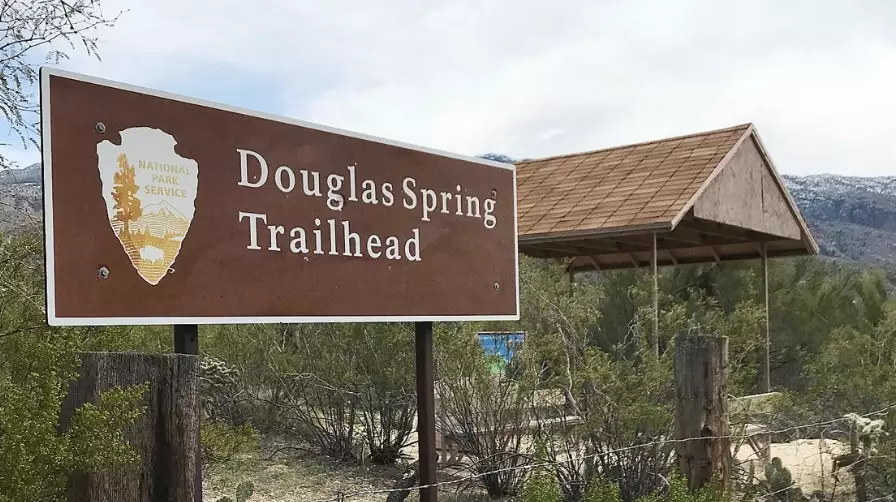
Past the turnoff, the air feels different. Cooler. You might even see a pine tree. The trail finally levels out a bit as you approach the spring. The "spring" itself is often just a damp patch in the rocks, not a flowing stream. The Douglas Spring Campground (mile 6.1) is a small, primitive site with a pit toilet. It feels a world away from the trailhead.
Most day hikers turn around at the campground. If you're feeling strong, you can continue toward Cow Head Saddle, but that's a whole other level of commitment.
Your Planning Guide: Logistics & Safety
This is where most online guides fail. They give generic advice. I'm giving you specifics for this trail.
What to Pack (The Non-Negotiables)
- Water: A minimum of 3 liters per person for a half-day hike. I carry 4. In summer, you shouldn't be here.
- Electrolytes: You're sweating it all out. Throw a hydration tablet in your second bottle.
- Sun Protection: Hat, sunglasses, long-sleeved shirt, sunscreen. The sun is brutal.
- Navigation: The trail is clear, but a map or GPS app (like Gaia GPS or AllTrails) is wise.
- Snacks: High-energy food like nuts, bars, or fruit.
Getting There & Parking
The trailhead is at the end of Speedway Blvd, which turns into a dirt road for the last few miles. It's well-maintained, but go slow. The parking lot is small and fills up by 8 AM on weekends. Get there early. There's an overflow area, but it adds a short walk.
Common Mistakes (And How to Avoid Them)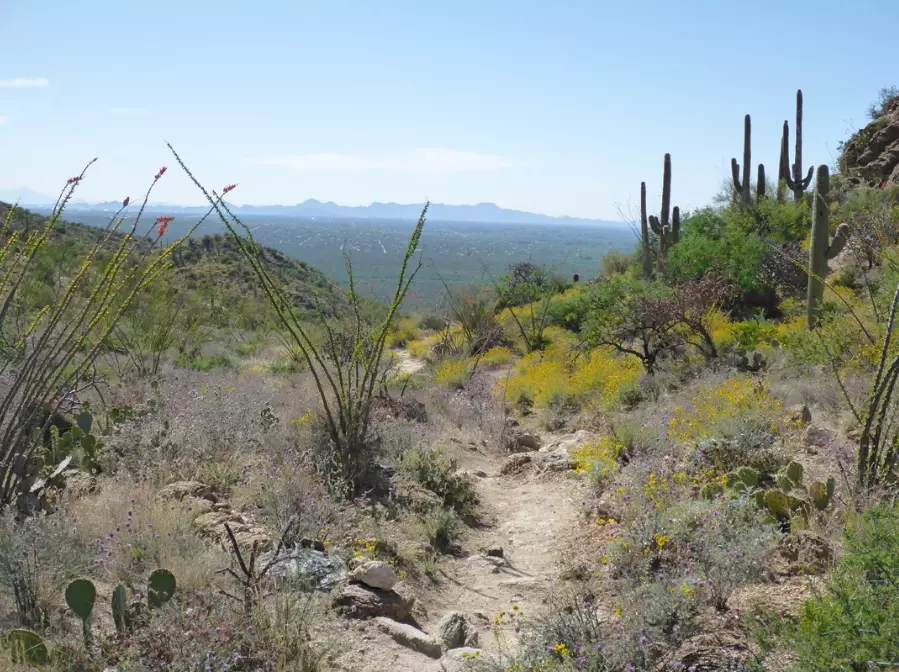
I've seen these happen again and again.
Mistake 1: Underestimating the Heat. Even on a 75°F (24°C) day, the direct sun can feel like 90°F (32°C). Start at sunrise. No excuses.
Mistake 2: Wearing the Wrong Footwear. This is a rocky trail. Running shoes are okay for some, but sturdy hiking boots or trail runners with good grip are better. Ankle support is a plus.
Mistake 3: Not Turning Back Soon Enough. Pride is dangerous. If you're halfway through your water at the turnaround point, you've already misjudged. Turn back when you have half your water left, not when you finish it.
Mistake 4: Expecting Cell Service. You will lose service within the first mile. Tell someone your plans.
Your Questions, Answered
 Do I need a permit to hike the Douglas Spring Trail?
The Douglas Spring Trail is a rewarding challenge. It shows you the harsh beauty of the Sonoran Desert and rewards effort with incredible views. Respect the trail, prepare thoroughly, and you'll have an unforgettable experience.
Reader Comments