Your Safety Roadmap
- By the Numbers: What Do the Statistics on Independence Pass Accidents Really Tell Us?
- The High-Risk Zones: Knowing Where the Road Fights Back
- Your Vehicle: Is It Really Ready for Independence Pass?
- Seasonal Shifts: How Weather Dictates Everything
- The Human Factor: Altitude, Mindset, and Shared Responsibility
- Frequently Asked Questions (The Stuff You're Actually Wondering)
- Beyond the Drive: Respecting the History and the Environment
- The Final Word: Making Your Trip Safe and Memorable
Let's talk about Independence Pass. If you've driven it, you know. That mix of awe and white-knuckle tension. The views are absolutely breathtaking—literally, at over 12,000 feet. But there's another side to this story, one that doesn't get posted on Instagram as often. The sobering reality of accidents and, sadly, Independence Pass deaths. I remember my first time driving it years ago. I was in a sedan that was probably too low to the ground, creeping around those blind curves, my passenger side mirror practically scraping the rock face. I saw a memorial by the side of the road—a simple cross with faded flowers—and it hit me. This beauty demands respect. A lot of it.
This isn't meant to scare you away. Far from it. Independence Pass is a Colorado treasure, a vital link between Aspen and Twin Lakes, and an experience every mountain enthusiast should have. But knowledge is power, especially here. The goal is to replace fear with prepared respect. To understand the risks associated with Independence Pass deaths so thoroughly that you can mitigate them almost without thinking. Most tragedies on this pass are preventable. They stem from a handful of repeated, understandable mistakes. Let's break those down, so your trip is remembered for all the right reasons.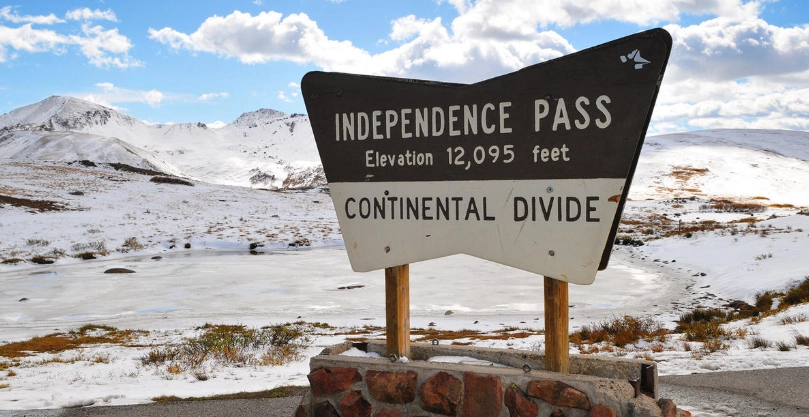
The Core Issue: The conversation around Independence Pass deaths isn't about blaming the road. It's about understanding the mismatch between driver expectation and mountain reality. This is not a highway. It's a historic, engineered path over a colossal mountain. Treating it like the former is where trouble begins.
By the Numbers: What Do the Statistics on Independence Pass Accidents Really Tell Us?
You'll hear a lot of anecdotes. "Oh, there's a crash every season." But what's the real picture? Concrete data is crucial for context. The Colorado Department of Transportation (CDOT) and the Colorado State Patrol are the primary sources for crash statistics on state highways, including Highway 82 over the pass.
Now, getting a single, neat number for "Independence Pass deaths" is trickier than you'd think. Official reports often categorize incidents by mile marker or county line. But by piecing together news reports, CDOT alerts, and law enforcement summaries, a clear pattern of causes emerges. Fatalities are relatively rare given the traffic volume, but serious accidents are not. And every serious accident on a road like this has the potential for tragedy.
Here’s the uncomfortable truth: the vast majority of incidents aren't caused by avalanches or rock slides (though those happen). They're caused by driver decisions. A look at the primary factors linked to serious crashes and Independence Pass fatalities, based on historical analysis:
| Primary Cause | Typical Scenario | Why It's So Dangerous on the Pass |
|---|---|---|
| Failing to Stay in Lane / Corner Cutting | Drifting over the center line on a blind curve; taking a turn too wide. | Blind curves are everywhere. An oncoming vehicle, often a large truck or RV, has zero time to react. This is a leading cause of head-on collisions. |
| Excessive Speed for Conditions | Going the posted speed limit (or above) on a wet, icy, or gravel-strewn curve. | The posted limit is for ideal, dry summer conditions. Speed drastically reduces reaction time and increases the force of any impact or rollover. |
| Vehicle Inadequacy | Overheating brakes on long descents; lack of power for steep climbs; poor tire tread. | The grade is relentless. Failing brakes can lead to a runaway vehicle. Underpowered vehicles can stall in dangerous spots. |
| Driver Distraction & Fatigue | Looking at scenery, adjusting GPS, or being tired from altitude. | Demands 100% visual and mental attention. A two-second glance at a waterfall can mean driving off the road. |
| Ignoring Road Closures & Conditions | Trying to "beat" a seasonal closure or driving in a snowstorm without proper gear. | The pass is closed for a reason. Early-season snow hides guardrails and road edges. Storms can be sudden and severe. |
Looking at that table, it feels almost mundane, doesn't it? Speeding. Distraction. Bad tires. These are risks on any road. But on Independence Pass, the margin for error isn't measured in feet; it's measured in inches. A slight drift isn't a fender-bender in a parking lot. It's a potential plunge or a catastrophic collision. That's the critical mindset shift.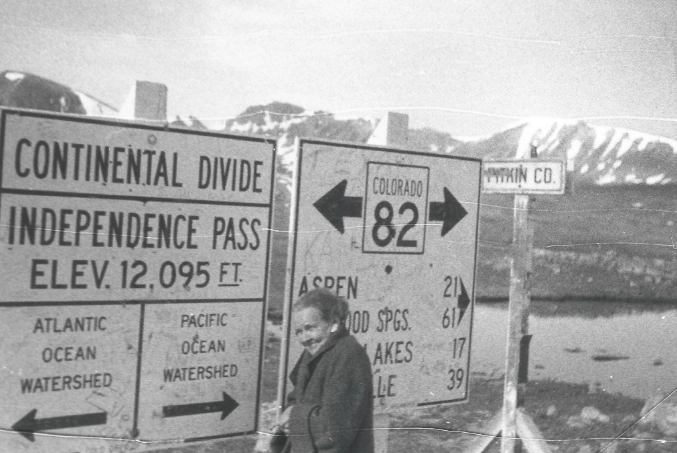
The High-Risk Zones: Knowing Where the Road Fights Back
The pass isn't uniformly treacherous. Certain sections demand hyper-vigilance. If you understand these spots, you can prepare for them mentally before you even arrive.
The Aspen Side (West) Approach
As you leave Aspen, the road starts climbing in earnest. The lanes are narrow, and the vegetation is thick. This area can lull you into a false sense of security before the real exposure begins. Watch for cyclists—they have every right to be here, and passing them requires extreme caution and patience.
The "W's" and Switchbacks
You'll know them when you see them. A series of tight, consecutive switchbacks. The road here is essentially stacked on itself. The danger is two-fold: navigating the sharp turn itself and managing traffic coming the other way. This is a prime spot for the infamous "corner cutting" I mentioned earlier. Big vehicles often need to use part of the oncoming lane to make the turn. The protocol? Slow down, hug the inside (mountain side), and be prepared to stop if you see a large vehicle approaching the turn from above or below.
My least favorite part? Those switchbacks. You're concentrating so hard on your own turn that you have to instantly process what the truck around the bend is doing. It's a real test of focus.
The Summit Area and Eastward Descent
Congratulations, you're at the top! Park at the lot, enjoy the view. But the drive down the east side towards Leadville has its own personality. It feels steeper, more exposed in sections. The drop-offs are sheer. This is where brake fade becomes a silent killer. Riding your brakes down the long, steep grade can overheat them to the point of failure. The technique is to use a low gear ("engine braking") to control your speed, only using your brakes intermittently to slow further if needed. If you smell burning brakes, pull over in a safe turnout immediately and let them cool.
It's also worth checking the official CDOT Independence Pass page for any specific advisories on construction or temporary hazards. They manage the road and their info is gospel.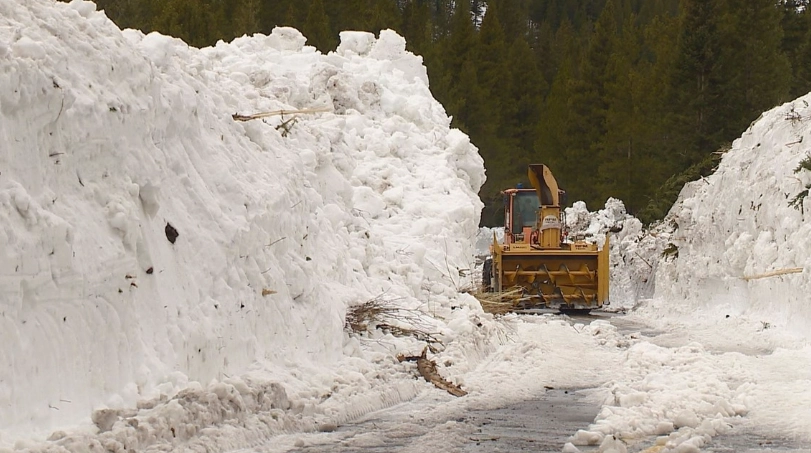
Your Vehicle: Is It Really Ready for Independence Pass?
This is a non-negotiable. Your everyday commuter car might not be the right tool for this job. The physical demands are extreme.
The Absolute Must-Check List Before You Go:
- Brakes: Have they been inspected recently? Worn pads and old fluid are a recipe for disaster on the descent.
- Tires: Tread depth matters. Bald tires have no grip on wet pavement or gravel. Check your pressure too—altitude changes affect it.
- Engine Cooling System: Is your coolant fresh and at the proper level? Long, slow climbs in summer heat can push an aging system over the edge.
- Power: Be honest. Does your vehicle struggle on big hills? If it's underpowered, it will strain the entire way, overheat easier, and become a traffic hazard.
- Length & Width: There's a vehicle length restriction (typically 35 feet). But even if you're under that, a long wheelbase makes navigating turns harder. If you're in a large RV or towing, you need to be an expert driver. No joke.
I'll be blunt: I've seen people in massive, rented RVs looking utterly terrified, holding up a line of 20 cars because they can't make a turn. It's stressful for everyone and creates a dangerous situation. If you're not 100% confident in handling a big rig on a cliffside road, don't do it. Find another route or a smaller vehicle. The risk of causing an accident, or worse, contributing to the statistics on Independence Pass deaths, is not worth the Instagram photo.
Seasonal Shifts: How Weather Dictates Everything
The pass is only open seasonally, usually from Memorial Day weekend through late October or the first major snowstorm. This closure isn't a suggestion; it's a lifesaving necessity. CDOT crews do incredible work clearing it, but the open/close dates are at the mercy of the snowpack.
- Early Season (May-June): Snowmelt means water on the road, even ice in shaded corners in the morning. Potentially the most deceptive conditions.
- Peak Summer (July-August): The most crowded time. Afternoon thunderstorms are a daily possibility. Rain makes the road slick in an instant, and visibility can drop to zero.
- Fall (September-October): Arguably the most beautiful time. But temperatures plummet at night. Black ice is a real threat in the early morning, especially near the summit. Snow can fall any day.
The rule is simple: check the forecast not just for Aspen or Leadville, but for the pass itself. The National Weather Service provides detailed mountain forecasts. If it calls for snow or severe storms, just don't go. Plan for another day. The history of Independence Pass deaths includes drivers who thought they could outrun a storm or navigate a "little" snow. The mountain doesn't care about your schedule.
The Human Factor: Altitude, Mindset, and Shared Responsibility
We've talked about the car and the road. Now for the driver. You.
Altitude sickness isn't just for hikers. Driving to 12,000+ feet can cause lightheadedness, headache, and impaired judgment. Stay hydrated. Not with coffee or soda, but with water. If you start feeling foggy, it's a real signal to pull over and take a break.
Mindset is everything. This is not a race. Let faster drivers pass you at turnouts. Use the turnouts if you have more than a couple cars behind you—it's courteous and reduces the pressure on them to make a risky pass. The goal is to get everyone over safely.
And about those cyclists and motorcycles. They are incredibly vulnerable. When passing, give them as much space as you legally can—the three-foot rule is a minimum, not a target. A gust of wind, a pebble, anything can wobble them. Your patience could save a life.
Frequently Asked Questions (The Stuff You're Actually Wondering)
Let's tackle some direct questions I've heard or searched for myself.
How many people die on Independence Pass each year?
Thankfully, fatal accidents are not an annual event. They are sporadic but tragic when they occur. There is no single official tally that is publicly updated in real-time. Fatal crashes are investigated by the Colorado State Patrol, and their reports are the definitive source. Focusing on the annual "count" misses the point. Even one is too many, and the pattern of causes is what we need to learn from to prevent the next one.
Is it scarier to drive eastbound or westbound?
This is a common debate. Some say eastbound (from Aspen to Leadville) is scarier because the passenger is on the outside, overlooking the drop-off. Others find the westbound climb more tense due to the steep grades. Honestly, both directions have their intense moments. The fear factor often has more to do with weather, traffic, and your own comfort level than the direction. Being prepared reduces fear regardless of which way you're headed.
Can I drive a rental car over the pass?
Most rental companies prohibit taking their vehicles on "off-road" or mountain passes like Independence Pass in their contract fine print. You must check your rental agreement. If you violate it and have an accident, you may have zero insurance coverage. Even if it's allowed, ensure the rental is a suitable vehicle (good tires, solid engine). Don't assume.
What should I do if I have a mechanical failure or emergency?
First, try to coast to a designated turnout or the widest shoulder you can find. Turn on your hazard lights. If you are in a travel lane and cannot move, STAY IN YOUR VEHICLE if it's safe to do so. Getting out on a narrow road with blind curves is extremely dangerous. Call 911. Be prepared to tell them the nearest mile marker (they are posted on small green signs) or describe your location (e.g., "on the east side, about 3 miles below the summit"). Cell service is spotty but often exists near the summit.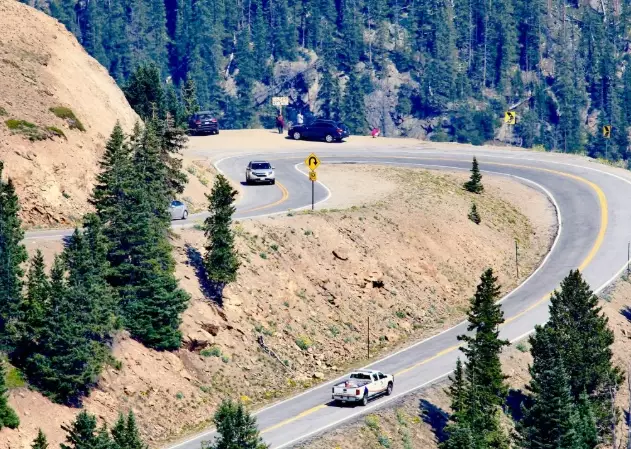
Beyond the Drive: Respecting the History and the Environment
Independence Pass isn't just a road; it's a historic corridor. The National Park Service notes its significance as a route for miners in the late 1800s. Those miners traveled by foot and wagon on paths far more primitive than what we drive today. A little perspective helps.
When you stop, please respect the area. Stay on established paths at overlooks. The tundra ecosystem at the summit is fragile—footsteps can kill plants that take decades to grow. Pack out all your trash. This respect extends to the roadside memorials you might see. They are poignant reminders of loss. Observe them quietly, but do not disturb them.
The Final Word: Making Your Trip Safe and Memorable
So, after all this, should you drive Independence Pass? Absolutely. It's an unforgettable journey through the heart of the Rockies. The key is to swap anxiety for a confident, prepared awareness.
To minimize risk and maximize enjoyment, internalize this final checklist:
- Prepare the Machine: Brakes, tires, engine. No compromises.
- Prepare Yourself: Rest, hydrate, get in the mountain-driving mindset. Leave the hurry behind.
- Know the Conditions: Check CDOT and the weather forecast. No surprises.
- Master the Techniques: Use turnouts, engine braking, and extreme caution on curves.
- Embrace Patience: It's not a highway. Let others pass. Share the road.
The legacy of Independence Pass deaths is a sobering one, but it doesn't have to define the road. It can instead inform a culture of heightened safety and mutual respect among everyone who travels it. By understanding the why behind the tragedies—the lane drift, the speed, the distraction—we can each make a conscious choice to drive differently.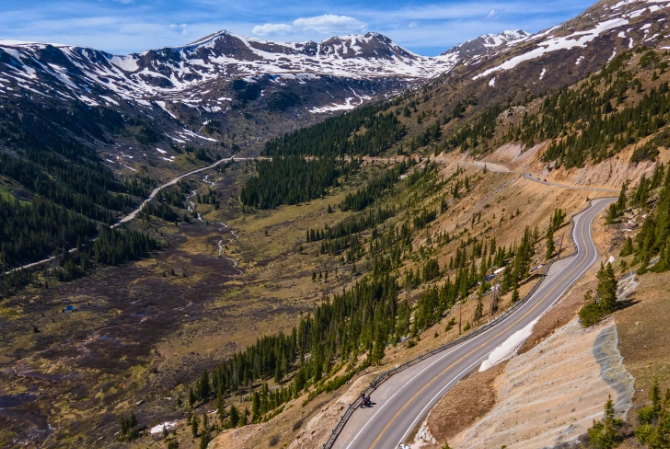
Drive smart. Drive present. And then, when you pull over at the top and look out at those endless peaks, you'll know you earned that view.
Reader Comments