Let's cut to the chase. If you're searching for Fire Canyon Nevada, you probably already know it's not your typical tourist spot. Tucked away in the Nevada desert, this place is raw, rugged, and ridiculously photogenic. I've hiked here half a dozen times over the years, and each visit throws something new at me—maybe a hidden slot canyon or a sunset that makes your jaw drop. But here's the thing: most guides gloss over the nitty-gritty, like how to actually find the trailhead or what to do when your phone dies in the middle of nowhere. That's where this guide comes in. I'll walk you through everything, from driving directions to that one mistake I made with my water supply that almost ruined my trip.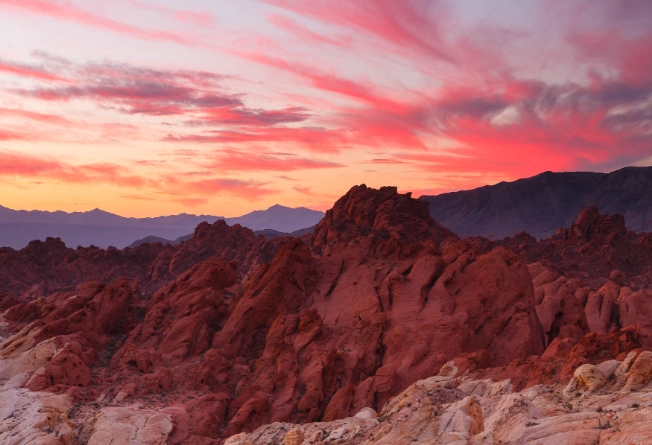
What You'll Find in This Guide
- What Exactly is Fire Canyon Nevada?
- Getting There: Directions and Transportation
- Best Time to Visit and What to Pack
- Top Hiking Trails in Fire Canyon
- Safety First: Essential Tips for Desert Hiking
- Capturing the Beauty: Photography Tips
- Nearby Attractions and Where to Stay
- Frequently Asked Questions (FAQs)
What Exactly is Fire Canyon Nevada?
Fire Canyon isn't a single marked park with a gift shop. It's part of the larger Valley of Fire State Park area in Nevada, about an hour northeast of Las Vegas. Think of it as a sprawling network of red Aztec sandstone formations that look like they're on fire when the sun hits them—hence the name. The colors shift from orange to deep red, especially at dawn or dusk. Geologically, it's a playground of erosion, with slots, arches, and canyons carved over millennia.
Now, here's a detail most people miss. Fire Canyon is often confused with the main Valley of Fire State Park. While they're connected, Fire Canyon tends to be less crowded because it's more remote and lacks paved trails. That's a plus if you hate bumping into tour groups, but it also means you need to be self-sufficient. There's no entrance booth or ranger station right at the canyon. You're on your own out here.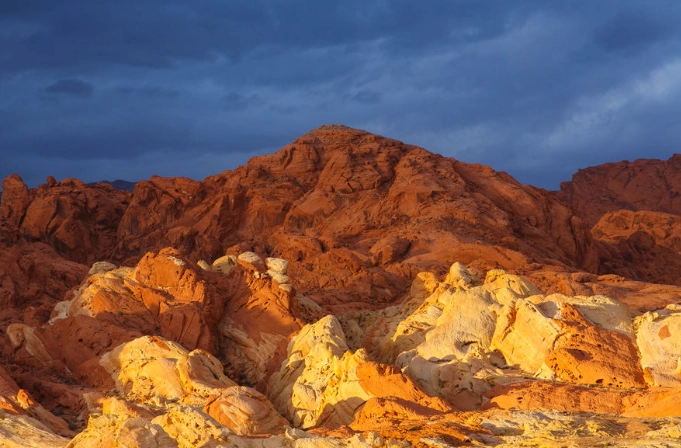
Key Details at a Glance
Address: Roughly located within Valley of Fire State Park, near Overton, NV 89040. GPS coordinates are your best bet—try 36.4322° N, 114.5250° W for a general starting point.
Admission: If accessing via Valley of Fire State Park, there's a $10 per vehicle fee (as of 2023, but check the Nevada State Parks website for updates). However, some remote approaches might be free if you're coming from BLM land.
Operating Hours: Valley of Fire State Park is open sunrise to sunset, but backcountry areas like Fire Canyon are accessible 24/7. That said, I'd never recommend hiking at night unless you're an experienced desert navigator.
Getting There: Directions and Transportation
Getting to Fire Canyon Nevada is half the adventure. From Las Vegas, take I-15 north for about 30 miles, then exit onto Valley of Fire Highway (State Route 169). Drive east for another 20 miles until you see signs for Valley of Fire State Park. Now, here's where it gets tricky. To reach Fire Canyon specifically, you'll need to turn onto a dirt road off the main park road. Look for a small, unmarked turnabout near the White Domes area. I missed it my first time and ended up adding an extra hour to my drive.
If you're relying on Google Maps, don't. Cell service drops fast once you're off the highway. Download offline maps or use a GPS device with pre-loaded coordinates. A high-clearance vehicle isn't strictly necessary, but after a rainstorm, that dirt road can turn into a mud pit. I saw a sedan get stuck once—not pretty.
Public transportation? Forget it. There are no buses or shuttles. You'll need your own car or a rental. Carpool if you can; it saves on park fees and reduces environmental impact.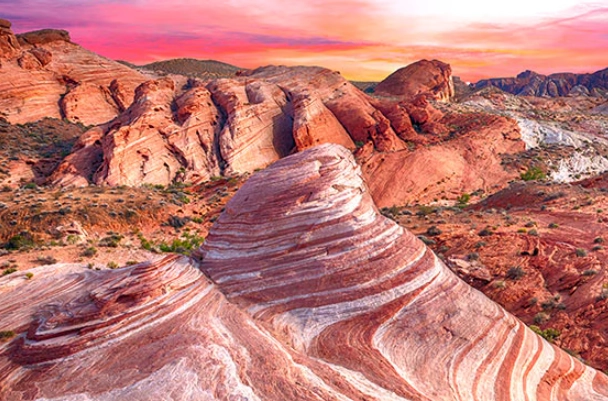
Best Time to Visit and What to Pack
Timing is everything. Visit between October and April. Summer temperatures regularly hit 100°F (38°C) or more, and hiking then is borderline dangerous. I made the mistake of going in July once, thinking I could handle it with extra water. By 10 AM, I was dizzy and had to retreat. Spring and fall offer mild weather, with daytime temps in the 60s-80s°F (15-30°C). Winter can be chilly, especially at night, but crowds are thin.
Packing list? Go beyond the basics. Everyone says water, but bring at least one gallon per person per day. I pack two, plus electrolyte tablets. Wear sturdy hiking boots—the terrain is rocky and uneven. Sun protection is non-negotiable: wide-brim hat, sunglasses, and SPF 50 sunscreen. A physical map and compass are lifesavers; phones fail here. And don't skimp on snacks. High-energy bars, nuts, and jerky keep you going.
Here's my pro tip: throw in a lightweight emergency blanket and a whistle. They weigh nothing but could save your life if you get lost.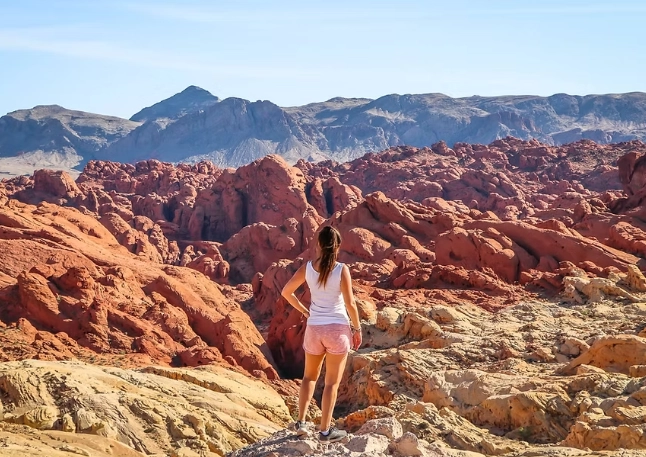
Top Hiking Trails in Fire Canyon
Fire Canyon doesn't have signed trails like a national park. Instead, you'll find informal routes created by hikers. Here are the three most reliable ones, based on my experience.
| Trail Name | Difficulty | Estimated Length | Highlights |
|---|---|---|---|
| Fire Canyon Loop | Moderate | 3-4 miles round trip | Panoramic views, narrow slots, best for sunrise |
| Red Rock Scramble | Strenuous | 5-6 miles | Steep climbs, hidden arches, photography hotspots |
| Desert Wash Exploration | Easy to Moderate | 2-3 miles | Family-friendly, petroglyph sightings, sandy paths |
The Fire Canyon Loop is where I take first-timers. Start at the dirt parking area (coordinates around 36.4300° N, 114.5300° W) and follow the cairns—those small rock piles left by other hikers. The path winds through a main canyon, then up a ridge for killer views. But watch your step; the sandstone can be slippery.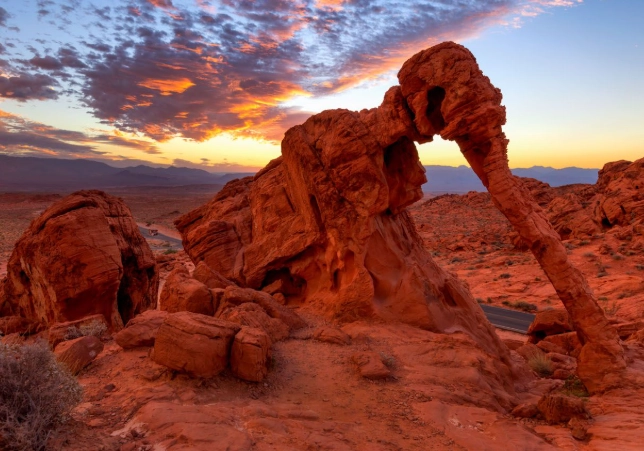
Red Rock Scramble is for the adventurous. It involves some Class 3 scrambling (using your hands). I love it for the solitude, but I've seen people turn back because they weren't prepared for the exposure. If you're afraid of heights, skip this one.
Desert Wash Exploration is gentler. It follows a dry wash, so the footing is softer. Great for kids or if you're just soaking in the scenery. Look out for ancient petroglyphs on the rock faces—they're easy to miss if you're rushing.
How to Navigate Without Trail Markers
This is where most newbies mess up. They rely solely on GPS pins from AllTrails. Problem is, those pins can be off by hundreds of feet in canyon country. Instead, use natural landmarks. Memorize the shape of a distinct rock formation or note where the wash bends. I always take a photo of my starting point with a landmark in the background. Sounds simple, but it's saved me from wandering aimlessly more than once.
Safety First: Essential Tips for Desert Hiking
Desert hiking isn't a walk in the park. Dehydration and heatstroke are real risks. Drink water before you're thirsty—sip small amounts consistently. I set a timer on my watch to remind myself every 20 minutes.
Wildlife encounters are rare but possible. I've seen rattlesnakes basking on rocks, especially in spring. Give them space, and they'll usually slither away. Scorpions and spiders hide under rocks, so don't stick your hands where you can't see.
Tell someone your plans. I email a friend my route and expected return time. If you get lost, stay put. Wandering burns energy and makes rescue harder. Use that whistle to signal for help.
Another thing: weather changes fast. Flash floods can happen even if it's not raining where you are. Check the forecast, but trust your eyes. If clouds build up, get to higher ground.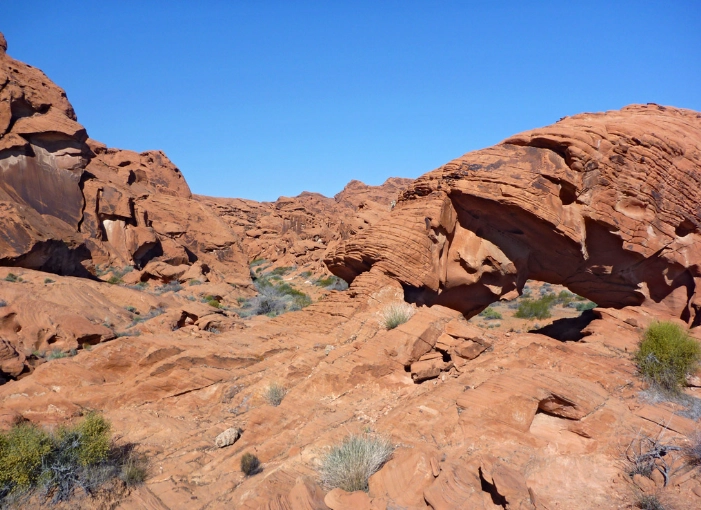
Capturing the Beauty: Photography Tips
Fire Canyon is a photographer's dream, but lighting is tricky. The best shots come during golden hour—just after sunrise or before sunset. The low angle sun makes the rocks glow. Midday light is harsh and flat; I use that time for scouting, not shooting.
Gear-wise, a wide-angle lens captures the vastness, but don't overlook a telephoto for details like textures or distant formations. A polarizing filter cuts glare and enhances colors. Tripod? Essential for low-light shots, but it's extra weight. I compromise with a lightweight travel tripod.
Composition ideas: frame the canyon with a foreground element like a cactus or rock. Play with shadows to add depth. And please, respect the environment. Don't move rocks or trample vegetation for the perfect shot. I've seen too many social media influencers damaging fragile cryptobiotic soil—it takes decades to recover.
Nearby Attractions and Where to Stay
If you have extra time, explore Valley of Fire State Park's main areas like Mouse's Tank or Elephant Rock. They're more developed, with picnic areas and restrooms. Lake Mead is about 30 minutes south for water activities.
Accommodations are limited nearby. Overton has a few motels, but they book up fast. I usually camp. There are developed campgrounds in Valley of Fire State Park (reservations recommended) or dispersed camping on BLM land for free. My favorite spot is a quiet pull-off along the dirt road near Fire Canyon—waking up to the sunrise there is unbeatable.
Dining options are sparse. Pack all your food. Overton has basic diners, but don't expect gourmet meals. Stock up on supplies in Las Vegas before you head out.
Frequently Asked Questions (FAQs)
Fire Canyon Nevada isn't just a destination; it's an experience that demands respect and preparation. Whether you're here for the hikes, the photos, or the silence, take it slow and savor every moment. And remember, leave no trace—pack out everything you bring in. Happy trails!
Reader Comments