Let's clear something up right away. You might be searching for "Grand Basin National Park," but the official name is Great Basin National Park. It's a common mix-up. Honestly, "Grand Basin" sounds more fitting once you stand at 13,000 feet on Wheeler Peak and look out over what feels like the entire world. This place isn't on the typical Las Vegas-to-Zion tourist circuit, and that's its greatest strength. No shuttle buses, no traffic jams. Just vast, silent basins, ancient trees, and a night sky so clear it'll ruin you for every other park.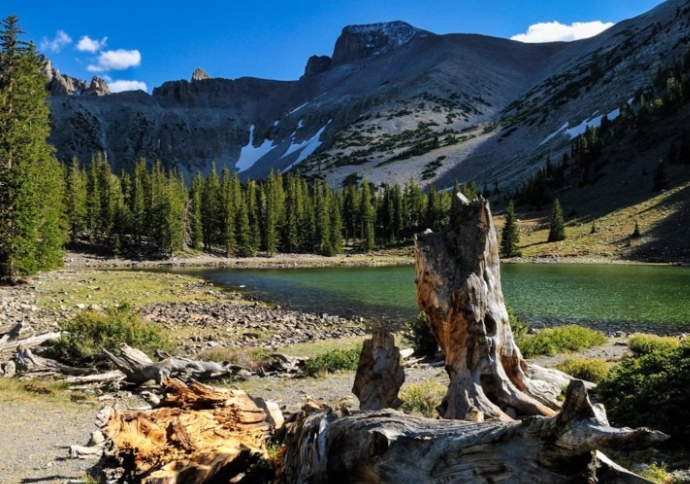
I've been multiple times over the last decade, and my first mistake was treating it as a quick pit stop. I rushed the caves, snapped a photo, and left. I missed everything. This guide is what I wish I'd known: how to navigate the park's split personality (desert floor vs. alpine peaks), where to find solitude, and how to plan a trip that actually does this unique landscape justice.
Your Trip at a Glance
- How to Get to Grand Basin National Park (And Why the Drive Matters)
- The Must-Do Experiences in Grand Basin National Park
- Where to Stay Near Grand Basin National Park?
- Making the Most of Your Time: Sample Itineraries
- What is the Best Time to Visit Grand Basin National Park?
- Your Questions, Answered (The Real Stuff)
The Basics at a Glance:
Location: Eastern Nevada, near the Utah border. The physical address for your GPS is: 100 Great Basin National Park, Baker, NV 89311.
Entrance Fee: None. That's right, it's free to enter. However, fees apply for Lehman Caves tours and campgrounds.
Visitor Center Hours: The Great Basin Visitor Center in Baker and the Lehman Caves Visitor Center have seasonal hours, typically 8 AM - 4:30 PM. The park itself is open 24/7, year-round.
Official Info: Always check the latest conditions on the National Park Service website for Great Basin.
How to Get to Grand Basin National Park (And Why the Drive Matters)
This is the first test. Great Basin is remote. The nearest major airports are in Salt Lake City (4-hour drive) and Las Vegas (4.5-hour drive). There is no public transportation to or within the park. You need a car.
The drive isn't an obstacle; it's part of the experience. Highway 50, the "Loneliest Road in America," runs right by it. You'll pass through valleys so empty you can see the curvature of the earth. Fill your gas tank in Ely or Delta, because services are sparse. My pro tip? Download offline Google Maps or GPS coordinates. Cell service disappears for long stretches, and that's a good thing.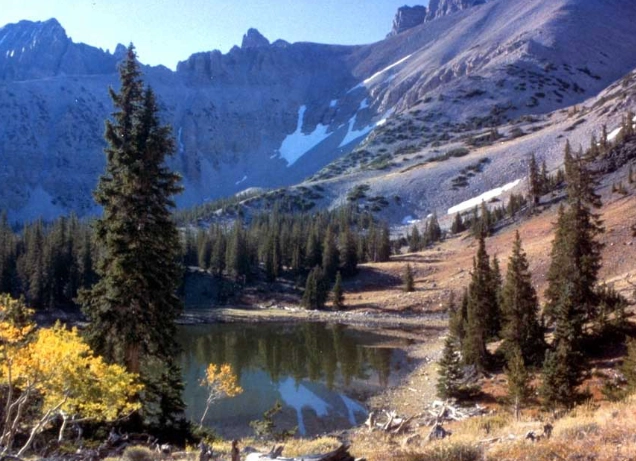
Once you turn onto NV-488 towards Baker, the Wheeler Peak Scenic Drive is your main artery into the high country. It's a 12-mile paved road that climbs nearly 4,000 feet. It's usually open from late May to October, depending on snow. Check the road status before you go—nothing worse than planning a hike only to find the road closed at the Mather Overlook.
The Must-Do Experiences in Grand Basin National Park
This park has two distinct zones: the lowland desert around the visitor centers and the soaring Snake Range mountains. Most people make the mistake of only experiencing one.
1. Go Underground: Lehman Caves
This isn't an optional add-on. The 60-minute Lodge Room Tour is the perfect introduction. You'll see shield formations, delicate soda straws, and the famous Parachute Shield. The 90-minute Grand Palace Tour goes deeper. Book your tickets online well in advance, especially for summer weekends. They sell out. The cave is a constant 50°F (10°C), so bring a light jacket even if it's 100°F outside.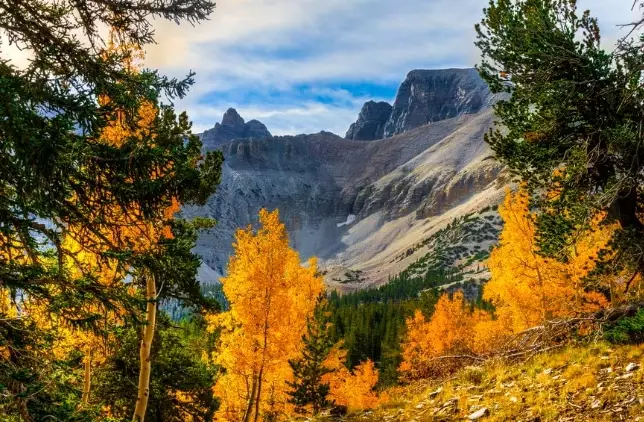
2. Touch History: The Bristlecone Pine Grove
After the caves, drive up the scenic drive to the Wheeler Peak Campground. From there, the Bristlecone & Glacier Trail is a moderate 4.6-mile round trip. It leads to a grove of ancient bristlecone pines, some over 3,000 years old. These trees are the oldest non-clonal organisms on Earth. The gnarled, weathered wood feels like art. Most visitors stop at the first few trees. Hike another 10 minutes to the less crowded grove for true solitude.
3. Summit the Peak: Wheeler Peak Trail
This is the crown jewel for hikers. The Wheeler Peak Summit Trail is 8.6 miles round trip with 2,900 feet of elevation gain. It's strenuous. Start early (like, 6 AM early) to avoid afternoon thunderstorms. The view from the top—seeing the "basin and range" geography unfold—is unforgettable. If the summit feels like too much, the Alpine Lakes Loop (2.7 miles) from the same trailhead offers stunning views of Stella and Teresa Lakes with less effort.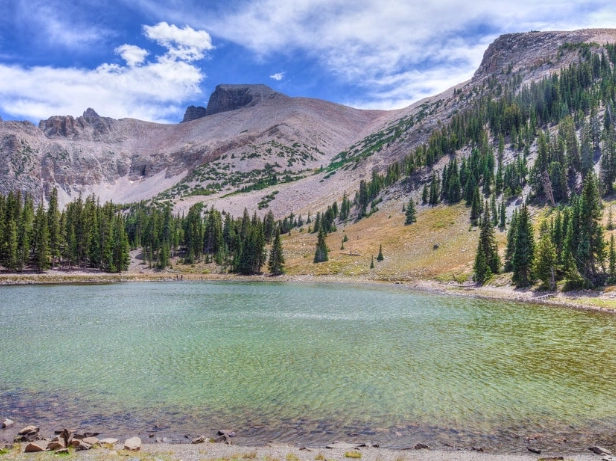
4. Look Up: The Night Sky Program
Great Basin is a Gold-Tier International Dark Sky Park. The Milky Way is so vivid it casts shadows. The park regularly hosts astronomy programs. Even if there's no formal program, just drive a few miles up the scenic drive after dark, turn off your lights, and look up. It's the park's most underrated attraction.
A Common Mistake to Avoid: Don't just do the caves and leave. The real magic of Great Basin is in the alpine zone. If you only have a few hours, at minimum drive to the top of the Wheeler Peak Scenic Drive and do the short, paved Sky Islands Forest Trail (0.3 miles) for a quick taste of the high country.
Where to Stay Near Grand Basin National Park?
Options are limited and fill up fast. Planning ahead is non-negotiable.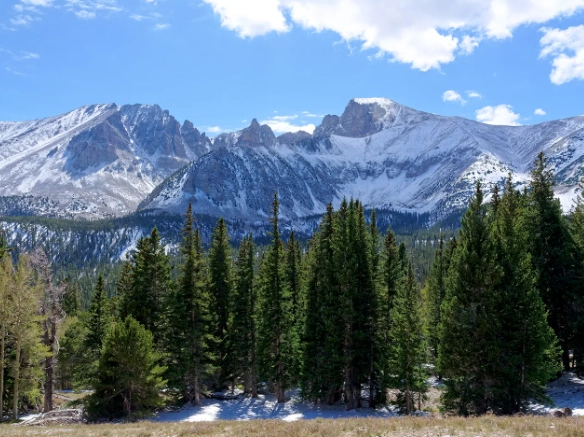
| Option | Location & Address | What to Know | Price Range |
|---|---|---|---|
| Park Campgrounds (4 total) | Inside the park, along Wheeler Peak Scenic Dr. | Upper & Lower Lehman Creek are first-come, first-served. Wheeler Peak (the best one) and Baker Creek are reservable on Recreation.gov. Wheeler Peak is at 10,000 ft—cold at night! | $20 - $30/night |
| Stargazer Inn | Baker, NV (1 mile from park) | The closest motel. Basic, clean, and you can walk to the one restaurant in town. A classic, no-frills park gateway. | $$ |
| Hidden Canyon Retreat | Near Baker, NV | Private rental cabins. More space, kitchens, and privacy. Ideal for families or groups. Books out months in advance. | $$$ |
| Hotels in Ely | Ely, NV (67 miles west) | More choices (Prospector, Hotel Nevada), restaurants, and supermarkets. You'll have a 1-hour+ commute to the park each day. | $ - $$ |
Making the Most of Your Time: Sample Itineraries
Here’s how to structure your visit, whether you're blowing through or settling in.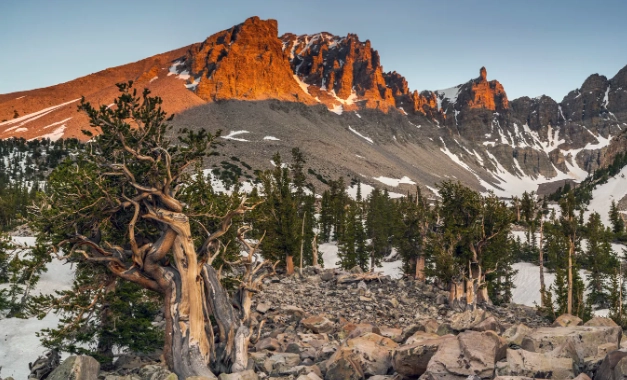
The 24-Hour Blitz (Realistic)
Morning: Arrive early. Grab a walk-in cave tour ticket if you didn't reserve. Do the 60-minute Lodge Room Tour.
Midday: Drive the Wheeler Peak Scenic Drive to the top. Hike the Bristlecone & Glacier Trail (2-3 hours).
Evening: Dinner in Baker. Drive back into the park for the evening astronomy program or your own stargazing session.
The Perfect 3-Day Weekend
Day 1: Arrive, settle into your campground or lodge. Afternoon Lehman Caves Grand Palace Tour. Evening attend a ranger talk.
Day 2: Summit day. Hike Wheeler Peak. Celebrate with a well-earned dinner.
Day 3: Relaxed morning. Hike the Alpine Lakes Loop or explore the Lexington Arch area. Depart in the afternoon.
What is the Best Time to Visit Grand Basin National Park?
It completely depends on what you want.
Summer (June-August): Most accessible. All roads and trails open. Wildflowers in July. Also the most crowded (though "crowded" here means more than 10 cars at a trailhead). Afternoon thunderstorms are common in the alpine zone.
Fall (September-October): My favorite. Crisp air, golden aspen groves, fewer people. The scenic drive closes with the first significant snow (often late Oct).
Winter/Spring (Nov-May): The high country is snowed in. The road is closed past the Lehman Caves area. But you can still tour the caves, snowshoe, and enjoy profound silence. It's a completely different, starkly beautiful experience.
Your Questions, Answered (The Real Stuff)
Great Basin National Park—or Grand Basin, if you're still thinking of it that way—doesn't shout for your attention. It waits. It rewards those who seek out quiet, scale its peaks, and look up at its impossible stars. It's not the most famous park, but for many, it becomes the most remembered.
Reader Comments