Quick Navigation
- Where Exactly Is This Place? Defining Far North California
- The Crown Jewels: National Parks and Monuments of the Far North
- The Heartbeat of the Region: Towns and Communities
- What Do You Actually *Do* in Far North California?
- Navigating the Practicalities: A Realistic Look
- Answering Your Burning Questions (FAQs)
- The Final Word: Why You Should Bother
Let's be honest. When someone says "California," what pops into your head? Probably the Golden Gate Bridge, Hollywood, maybe the beaches of San Diego. Almost nobody thinks of the far north. And that's a huge mistake.
I made that mistake for years. I'd driven up I-5 plenty of times, rushing to get to Oregon, barely glancing at the massive volcano on my right. It wasn't until I got off the highway, completely on a whim, that I realized I'd been ignoring a whole other California.
Far north California isn't just "a bit north of San Francisco." It's a different world. It's where California stops feeling like the California of postcards and starts feeling like the Pacific Northwest. The air smells different—like damp earth and pine. The towns are smaller, the pace is slower, and the wilderness isn't a park you visit, it's the backdrop to everything.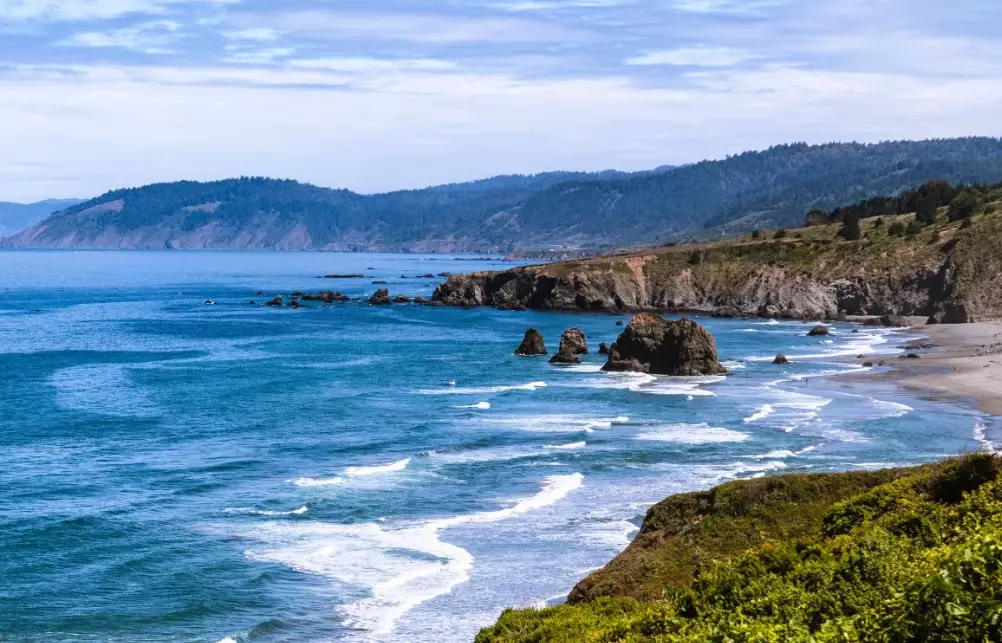
So, what exactly is Far North California? It's not an official term, which is part of the problem. There's no sign that says "Welcome to Far North California." But broadly, we're talking about everything from about Redding upwards. The massive chunk of the state that includes the Shasta Cascade region, the northernmost part of the coast, and the remote corners of the Klamath Mountains. It's defined more by rivers and forests than by freeways.
Quick Reality Check: This area is BIG. From the Oregon border down to, say, Redding, is about 150-200 miles as the crow flies. But with the mountains and winding roads, distances feel much larger. Planning is not a suggestion here; it's a necessity.
Where Exactly Is This Place? Defining Far North California
Since it's not on any official map, let's draw some mental boundaries. Think of it as a triangle. The top point is the Oregon border. The western edge is the Pacific Ocean, specifically the coastline of Del Norte and Humboldt counties. The eastern edge runs along the Modoc Plateau, brushing against Nevada. The southern "base" of the triangle is a bit fuzzy, but Redding and the southern ends of Trinity and Shasta counties are a good marker.
This area encompasses several well-known but often disconnected destinations:
- The Redwood Coast (Humboldt & Del Norte Counties): Home to the world's tallest trees. Towns like Eureka and Crescent City are your gateways.
- The Shasta Cascade Core: Dominated by Mt. Shasta and Lake Shasta. Redding is the main hub.
- The Trinity Alps Wilderness: A vast, rugged mountain range often called California's "little Switzerland."
- The Modoc Plateau: High desert country in the northeast, all wide-open spaces and volcanic landscapes. It feels more like Eastern Oregon than California.
Geographically, it's the meeting point of several major ranges—the southern end of the Cascades, the Klamath Mountains, the Coast Ranges. This collision of geology creates an absurd diversity of scenery. You can stand in a rainforest in the morning and be in a high desert by afternoon. That's the magic of far north California.
I remember looking at a map and seeing all these squiggly lines—the Trinity River, the Klamath River, the Smith River. That's when it clicked. This isn't a land of cities; it's a land of watersheds. Your journey is dictated by the rivers.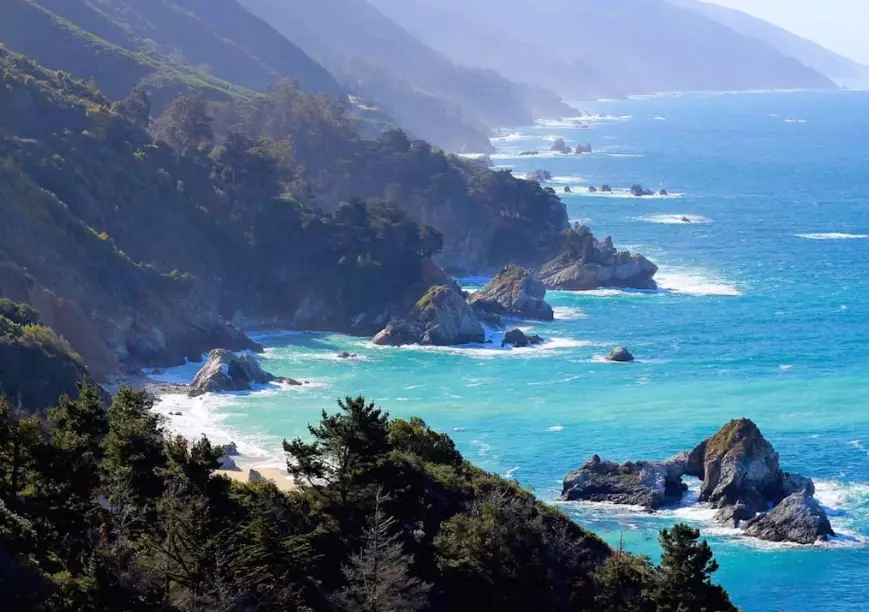
The Crown Jewels: National Parks and Monuments of the Far North
This is where far north California truly shines. The parks here aren't just pretty places; they protect some of the most significant landscapes on the continent.
Redwood National and State Parks
This is the big one. It's actually a complex of one national park and three state parks (Prairie Creek, Del Norte Coast, Jedediah Smith) working together. Forget everything you think you know about trees. The coast redwoods (Sequoia sempervirens) here are a different scale of life. Walking among them is a humbling, almost spiritual experience. The light is dim and green, the air is cool and silent.
The parks do an incredible job of preservation. For the most current information on trails, conditions, and permits, always check the official National Park Service website for Redwood National and State Parks. It's your most reliable source.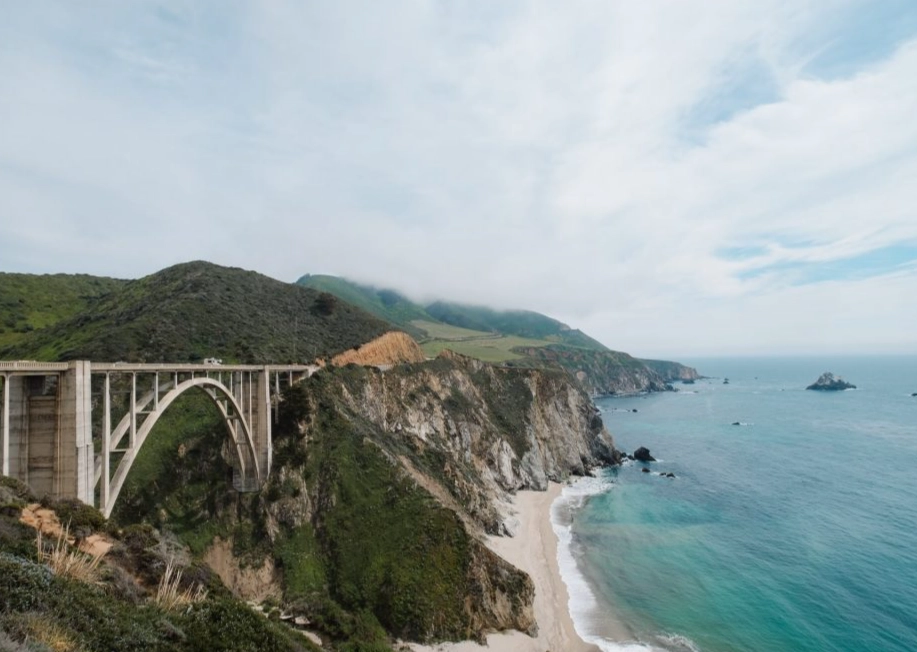
Lassen Volcanic National Park
Often overlooked for Yellowstone, Lassen is California's secret volcanic playground. It has all four types of volcanoes found on Earth. The main event is Lassen Peak, which last erupted in 1917. The park is a wonderland of bubbling mud pots, steaming fumaroles, and brilliantly colored hydrothermal lakes like the stunning Boiling Springs Lake.
It's far less crowded than other major parks, which means you can often have a geothermal area mostly to yourself. The hiking is fantastic, ranging from easy boardwalk loops to challenging summit climbs. The NPS page for Lassen has essential updates on road openings (the main road is often closed by snow into June or July) and trail conditions.
Whiskeytown National Recreation Area
Just west of Redding, this is the aquatic playground of the region. Centered around the crystal-clear Whiskeytown Lake, it's for swimming, kayaking, boating, and fishing. But don't ignore the land—it has over 70 miles of trails leading to waterfalls like the beautiful Brandy Creek Falls. It's a great family-friendly spot to break up a road trip.
Pro Tip for Park Hopping: If you're planning to hit multiple national parks in a year (including ones outside this region), the America the Beautiful Pass is a no-brainer. It saves you a ton of money. You can get it at any park entrance station or online via the USGS.
To help you compare these major federal sites at a glance:
| Park Name | Main Attraction | Best For | Seasonal Note |
|---|---|---|---|
| Redwood National and State Parks | Coast Redwoods (Tallest trees on Earth) | Hiking, scenic drives, profound nature immersion | Accessible year-round. Summer is foggy/ cool, winter is rainy. |
| Lassen Volcanic National Park | Active Volcanic Landscape | Geology fans, hiking, hydrothermal features, snowshoeing | Main park road closed by snow Oct/Nov - June/July. Summer & early fall are prime. |
| Whiskeytown National Recreation Area | Whiskeytown Lake | Water sports, family outings, waterfall hikes | Lake season is late spring through fall. Some trails accessible year-round. |
The Heartbeat of the Region: Towns and Communities
The towns in far north California have character. They're not polished tourist traps. They're working towns built on logging, fishing, farming, and now, tourism and a bit of a back-to-the-land vibe.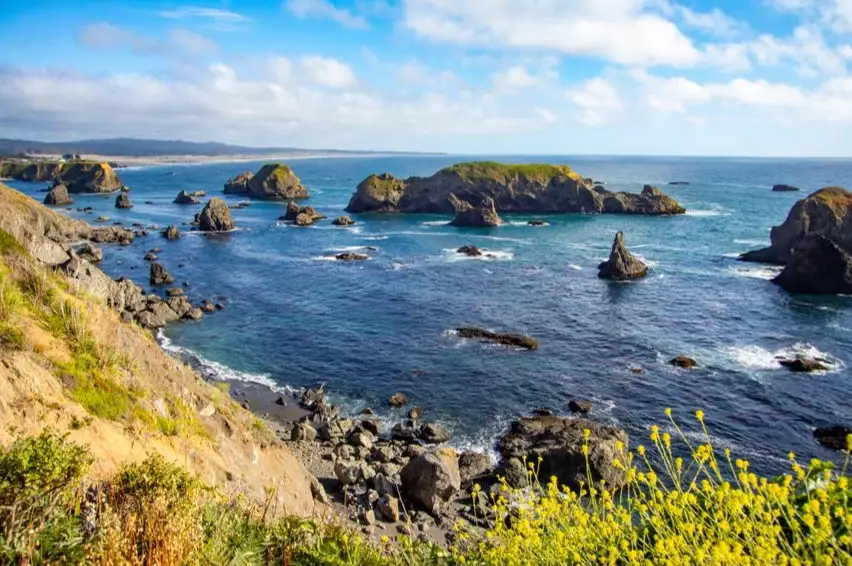
Redding is the undisputed gateway and supply hub. Is it a beautiful city? Not particularly—it's hot in summer and feels a bit sprawling. But it has all the services you might need after days in the wilderness. Its crown jewel is the Sundial Bridge at Turtle Bay, a stunning functional work of art. Use Redding as your base, not your destination.
Eureka and its smaller neighbor Arcata are the cultural hearts of the Redwood Coast. Eureka has a fantastic Old Town with Victorian architecture. Arcata is a college town (Humboldt State) with a fiercely independent, eco-conscious spirit. The vibe here is unique in California. You'll find great local coffee, weird little bookstores, and people who genuinely love where they live.
Mount Shasta City is, unsurprisingly, at the foot of the mountain. It's a mix of outdoor enthusiasts, spiritual seekers drawn to the mountain's purported energy vortices, and regular folks. It's a great little town with good food and an epic view from every street.
Then you have the smaller spots. Crescent City is windswept and a bit rough around the edges, but it's the access point for the northern redwoods. Weaverville is a historic Gold Rush town in the Trinity Alps with a fantastic main street. Fort Jones and Etna in Scott Valley are these hidden, charming agricultural communities that feel like stepping back in time.
What Do You Actually *Do* in Far North California?
This isn't a place for fancy spas or nightclubs (with the possible exception of a few spots in Arcata). The activities are all about the outdoors.
Hiking and Backpacking
This is the main event. The trail networks are immense.
- For Epic Day Hikes: The Trinity Alps are hard to beat. Trails like the Canyon Creek Lakes trail offer alpine scenery that rivals the Sierras with a fraction of the people. In the Marble Mountain Wilderness, the hike to Sky High Lakes is stunning. Around Mt. Shasta, the hike to Panther Meadow is a shorter, spiritual walk with incredible views.
- For Backpacking: You're spoiled for choice. The Bigfoot Trail is a long-distance route that traverses the entire Klamath Mountains. Sections of it make for incredible multi-day trips. Permits are often self-issued at trailheads, but always check with the managing forest service office. The US Forest Service Klamath National Forest site is a key resource.
- For Waterfall Chasers: The coast gets the fame, but the inland parts of far north California are laced with waterfalls. McArthur-Burney Falls Memorial State Park is home to the famous Burney Falls, often called "the eighth wonder of the world" by Teddy Roosevelt. It's crowded but worth it. Whiskeytown has several. The coastal trails near Redwood National Park also hide gorgeous falls like Fern Canyon.
I learned the hard way on a hike in the Trinity Alps: always, always carry more water than you think you need. The inland areas can be deceptively hot and dry, even if the trail starts in a forest.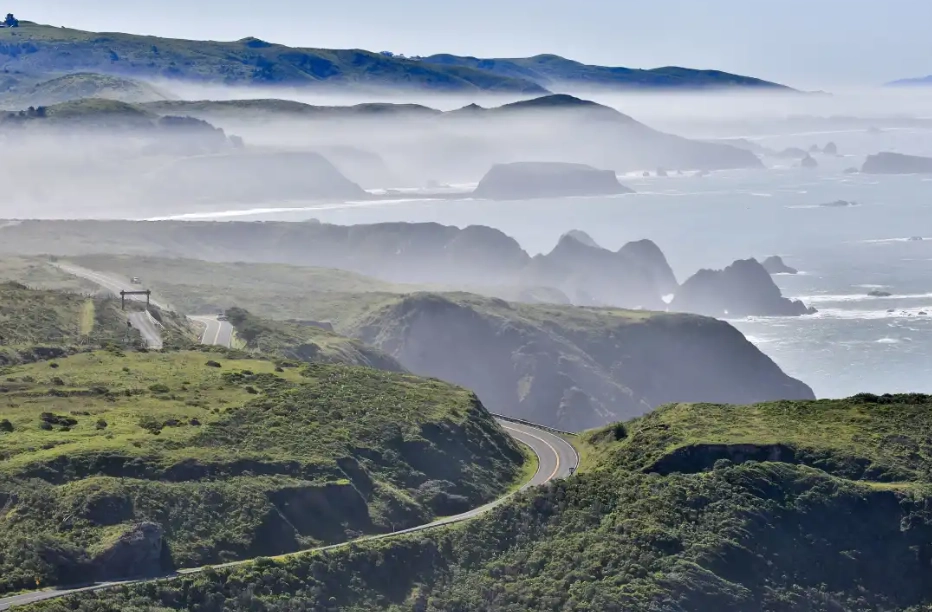
Water Activities
The rivers here are legendary.
The Smith River is the last major undammed river in California. Its turquoise water is unbelievably clear. It's fantastic for swimming in deep emerald pools, fishing for steelhead, and, for the experienced, world-class kayaking.
The Klamath River and the Trinity River are famous for rafting and kayaking. There are sections for all levels, from gentle family floats to adrenaline-pumping Class V rapids. Always go with a reputable guide service if you're not an expert—these rivers are powerful and remote.
And then there's Lake Shasta. It's a massive reservoir, yes, but when it's full, it's a boater's paradise with countless coves and houseboat rentals. The houseboat culture is a whole unique vacation in itself.
Scenic Drives
Sometimes you just want to roll the windows down.
The Avenue of the Giants is the classic—a 31-mile stretch of old Highway 101 that runs through the heart of Humboldt Redwoods State Park. It's a must-do.
For something different, try the Volcanic Legacy Scenic Byway that goes past Lassen and up into Oregon. Or the incredibly twisty, remote State Route 299 that cuts from Arcata on the coast to Redding inland. That drive will give you a real sense of the scale and ruggedness of the Klamath Mountains. Don't be in a hurry.
My Personal Favorite Hidden Drive: Take Highway 96 along the Klamath River from Willow Creek to Happy Camp. It's a slow, winding road following a wild river the whole way. You'll see more eagles and river otters than other cars. Gas up first, and don't expect cell service.
Navigating the Practicalities: A Realistic Look
Let's get down to brass tacks. Visiting far north California requires a shift in mindset from a typical California vacation.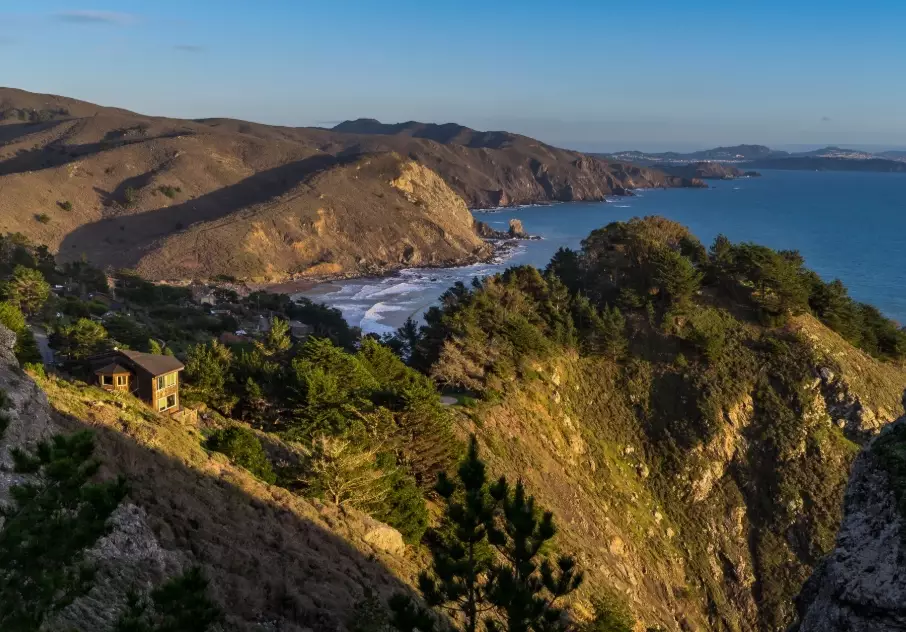
When to Go? This is critical.
- Coast (Redwoods): Accessible year-round, but be prepared for rain (and lots of it) from October to April. Summer is cool and often foggy—pack layers. Spring and fall can have glorious sunny days.
- Inland (Shasta, Trinity Alps): Prime season is late June through September. Higher elevation trails may hold snow into July. Spring is lovely but trails can be muddy. Winters are cold and snowy, limiting access but creating opportunities for snow sports around Mt. Shasta.
- High Desert (Modoc): Best in late spring, summer, and early fall. Winters are harsh and very cold.
Getting Around: You need a car. Full stop. Public transportation is virtually non-existent for exploring. And not just any car—while main highways are fine, if you want to get to the best trailheads or remote spots, a vehicle with good clearance (like an SUV or crossover) is highly recommended. Some forest roads are rough gravel.
Cell Service & Connectivity: Assume you will have none once you leave a town center. Download offline maps (Google Maps allows this) and save important web pages (like trail descriptions) to your phone before you go. Tell someone your itinerary if you're heading into the backcountry.
Wildlife: This is black bear country (especially in the Trinity Alps and coast). Practice proper food storage—use bear boxes at trailheads and campsites. Mountain lions exist but sightings are rare. More immediate concerns are ticks (check yourself after hikes) and, in some areas, rattlesnakes. Just be aware.
Fire Season Reality: Late summer and fall (July-October) have become increasingly plagued by wildfire smoke and potential closures. This is now a major factor in planning. Always check air quality (apps like AirVisual are good) and for active incidents on the Cal Fire website and InciWeb. Have flexible plans.
Answering Your Burning Questions (FAQs)
Based on what I looked up and wondered myself before going, here are the real answers.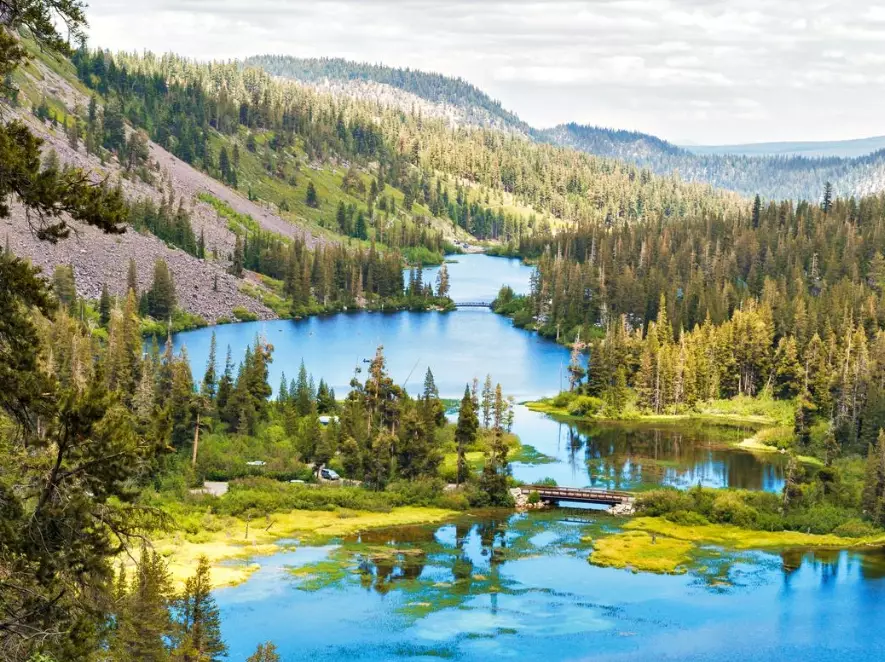
The Final Word: Why You Should Bother
Far north California asks a little more of you. It requires planning, a willingness to drive, and acceptance that you might get a little dirty. In return, it gives you something increasingly rare: a sense of discovery.
You won't find Instagram influencers on every corner. You'll find quiet, towering forests, rivers that run wild, and small towns that haven't lost their soul. You'll find a version of California that existed long before the tech boom, and if we're lucky, will exist long after.
It's not for everyone. If you need constant stimulation, perfect weather, and five-star amenities, look elsewhere. But if you want to feel the scale of the natural world, to hike a trail where you might not see another person all day, or to simply stand under a tree that was already ancient when Rome fell, then this is your place.
Start planning. Look at a map of California, find Redding, and look at everything above it. That's your next adventure. Just remember to gas up, download your maps, and leave your hurry behind. Far north California won't be rushed.
Reader Comments