You've seen the pictures—towering, creamy-white spires rising from a wash of red dirt, looking more like a Dr. Seuss illustration than a real place. That's the Wahweap Hoodoos, a hidden geological wonder tucked away in the Grand Staircase-Escalante National Monument of southern Utah. Finding the right trailhead and knowing what to expect is half the battle for this off-the-beaten-path adventure. I've hiked this trail multiple times over the years, in different seasons, and made my share of mistakes so you don't have to. This guide cuts through the vague online descriptions to give you the exact, actionable info you need to plan your visit.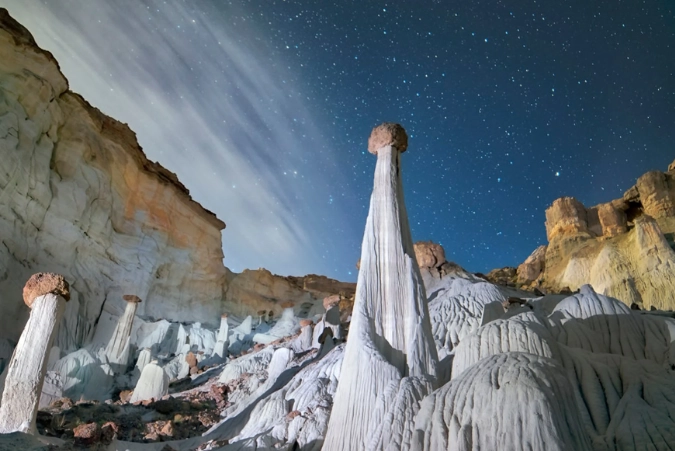
Quick Navigation
Wahweap Hoodoos Trailhead: The Essential Facts
Let's start with the cold, hard details. Unlike a national park entrance, there's no ranger station or fancy sign here.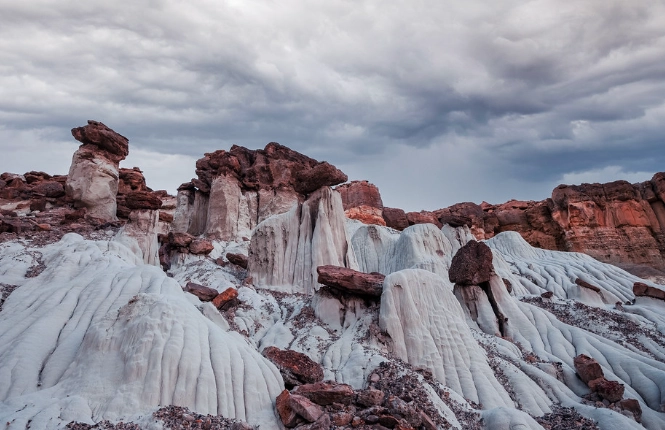
Location: Grand Staircase-Escalante National Monument, Kane County, Utah. The nearest real town is Big Water, UT, about 15 miles away.
Trailhead Coordinates: 37.1233° N, 111.7208° W (Plug this into your GPS or mapping app).
Fees & Permits: None. It's on Bureau of Land Management (BLM) land, so you can just show up and hike.
"Hours": Public land is always open, but you should only hike during daylight. Plan to be back at your car well before sunset.
Facilities: Zero. No water, no toilets, no trash cans. This is a pack-it-in, pack-it-out, bring-your-own-everything kind of place.
The trailhead is essentially a wide pullout on a dirt road. You'll see a few other cars, maybe a cattle gate, and an informal path leading into the wash. That's it. The magic is all ahead of you.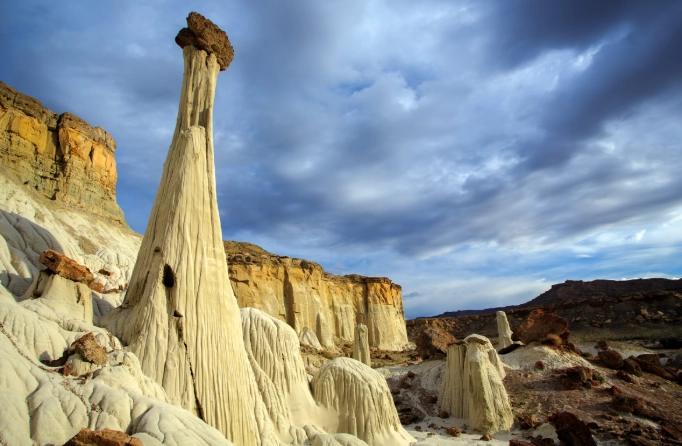
How to Get to the Wahweap Hoodoos Trailhead
The drive is part of the adventure, and where most people get tripped up. You're not on pavement for long.
Driving Directions from Page, AZ / Lake Powell
From the junction of US-89 and SR-89 in Big Water, Utah, head east on US-89 for about 1.5 miles. Turn right (south) onto the clearly signed "Cottonwood Canyon Road" (BLM Road 400). This is a well-maintained gravel road. Drive for exactly 8.5 miles. You'll see a smaller dirt road branching off to the right (west)—this is the Wahweap Hoodoos access road (sometimes called BLM Road 401). It's easy to miss, so watch your odometer. Turn right here. Follow this bumpier dirt road for about 1.5 miles until you see cars parked in a wide area near a wash. That's the trailhead.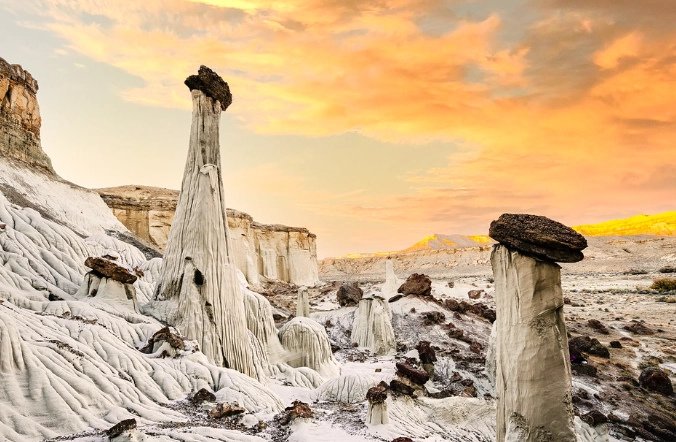
Road Conditions and Vehicle Requirements
This is critical. Cottonwood Canyon Road (the main gravel road) is usually fine for passenger cars when dry. However, the final 1.5-mile access road to the trailhead is rougher. It has sand, ruts, and rocks.
| Vehicle Type | Recommended? | Notes & Precautions |
|---|---|---|
| Standard Sedan | Possible, but not ideal | Go slow, avoid if rain is recent. High clearance is better for comfort. |
| SUV/Crossover | Yes | Perfect for this road. AWD/4WD not necessary in dry conditions. |
| 4WD/AWD Truck/SUV | Yes | Most comfortable choice. Allows you to navigate any unexpected obstacles. |
| Low-Sports Car | No | Seriously, don't try it. You'll high-center or damage your undercarriage. |
Check road conditions with the local BLM Kanab Field Office before you go, especially after any rain. These clay roads turn into impassable, tire-sucking mud that can strand you for days.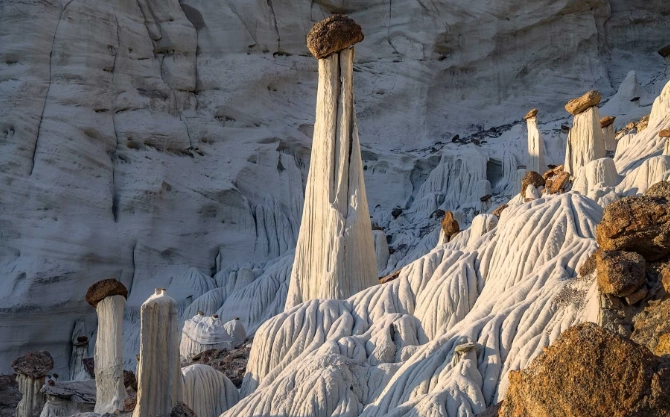
I once saw a sedan make it, but the driver was white-knuckling the whole way and scraped his bumper on a dip. An SUV rental from Page gives you immense peace of mind for about $50 more.
What to Expect on the Wahweap Hoodoos Hike
The hike itself is straightforward but has a few quirks most blogs don't mention.
Distance: It's about 4.5 miles round trip out-and-back. Not long.
Elevation Gain: Minimal, maybe 200 feet total. The challenge isn't climbing; it's the surface.
Terrain: You'll hike down into and then up a sandy wash for the first mile. This sand can be ankle-deep and tiring—it's like walking on a beach. After the wash, you climb a short, rocky slope onto a bench, and the hoodoos come into view. The final approach is across open, hard-packed dirt and around the formations themselves.
Time: Allow 2.5 to 4 hours. You'll want at least an hour just to wander among the hoodoos and take photos. The sand slows you down more than you think.
The Trail Experience: A Mile-by-Mile Breakdown
Mile 0-1: Sandy wash walking. Look for cairns (rock stacks) marking the way. It feels like you're going nowhere, but trust the path.
Mile 1-1.5: You leave the wash, climb up, and get your first breathtaking view of the main hoodoo amphitheater. This is the payoff.
Mile 1.5-2.25: Exploring the hoodoos. There's no single trail here. Wander respectfully among the formations. The main group is stunning, but look for smaller, isolated spires further along the bench.
The Return: Retrace your steps. The sandy wash feels longer on the way back when you're tired. The sun will be at a different angle, offering new photo ops.
Photographing the Hoodoos: Light, Lenses, and Angles
This is a photographer's dream, but the light is tricky. The most common mistake? Arriving at midday when the harsh sun flattens all the incredible texture.
Best Time of Day: Late afternoon until sunset is golden hour magic. The low sun rakes across the formations, creating deep shadows that define every curve and layer. The white rock glows warmly. Sunrise is also good, but you'll be hiking in the dark to get there in time.
Lens Recommendations: A wide-angle lens (16-35mm) is essential to capture the scale of the group. Bring a mid-range zoom (24-70mm) for tighter compositions on individual hoodoos. A polarizing filter can help deepen the blue sky contrast against the white rock.
Unique Angles: Everyone shoots from the front. Walk around to the side or back of the main group. Look for frames using one hoodoo to shoot past at another. Get low to the ground to emphasize height. After a rare rain, look for reflective puddles.
Planning and Safety: The Non-Negotiables
This is remote desert hiking. Your preparation list is more important than your camera gear.
Water: Carry a minimum of 3 liters per person, more in summer. I carry 4. There is no shade and no water source.
Sun Protection: A wide-brimmed hat, sunglasses, and high-SPF sunscreen are mandatory. The sun reflects off the white sand and rock.
Navigation: Download the area on Google Maps or use a GPS app like Gaia GPS. The trail in the wash is obvious, but it's easy to take a wrong fork on the return. Having a map on your phone is a simple safety net.
Footwear: Hiking boots or trail runners with good tread. The sand gets into low-top shoes easily. Gaiters are overkill, but ankle support is nice.
Weather Watch: Summer temperatures regularly exceed 100°F (38°C)—hike at dawn. Afternoon thunderstorms in July/August can cause flash floods in the wash. Check the forecast and get out of the wash if storms build.
Leave No Trace: This place is pristine. Don't climb on the fragile hoodoos (it causes erosion), don't carve your name, and pack out every scrap of trash, including toilet paper.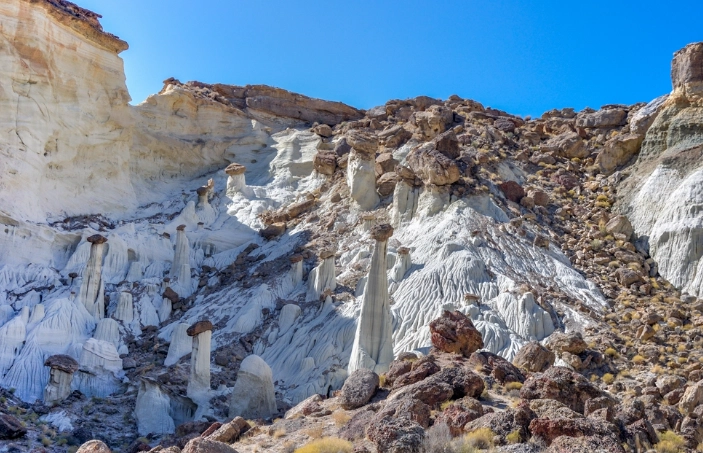
Your Wahweap Hoodoos Questions, Answered
The Wahweap Hoodoos offer a slice of pure, weird, and wonderful Utah. It rewards those who do a bit of homework with an experience that feels genuinely discovered. Know the road conditions, respect the desert, carry enough water, and aim for that late afternoon light. You'll leave with photos that look like they're from another planet and memories from the heart of this one.
Reader Comments