I almost drove right past it the first time. Tucked away off a dusty forest service road south of Mammoth Lakes, Kaiser Hot Springs isn't signed, promoted, or developed. It's a whisper among Eastern Sierra hikers—a series of shallow, mineral-rich pools fed by a geothermal seep, sitting pretty at the edge of a meadow with views of the stark, beautiful White Mountains. Forget fancy spa resorts. This is soaking in its most primitive, rewarding form. But that reward comes with conditions, literally and figuratively.
After a half-dozen visits across different seasons, I've learned its moods. I've also seen plenty of disappointed folks who read a rosy blog post and showed up unprepared. This guide is different. It's the one I wish I'd had: no fluff, just the concrete details and honest assessments you need to decide if this adventure is for you, and how to do it right.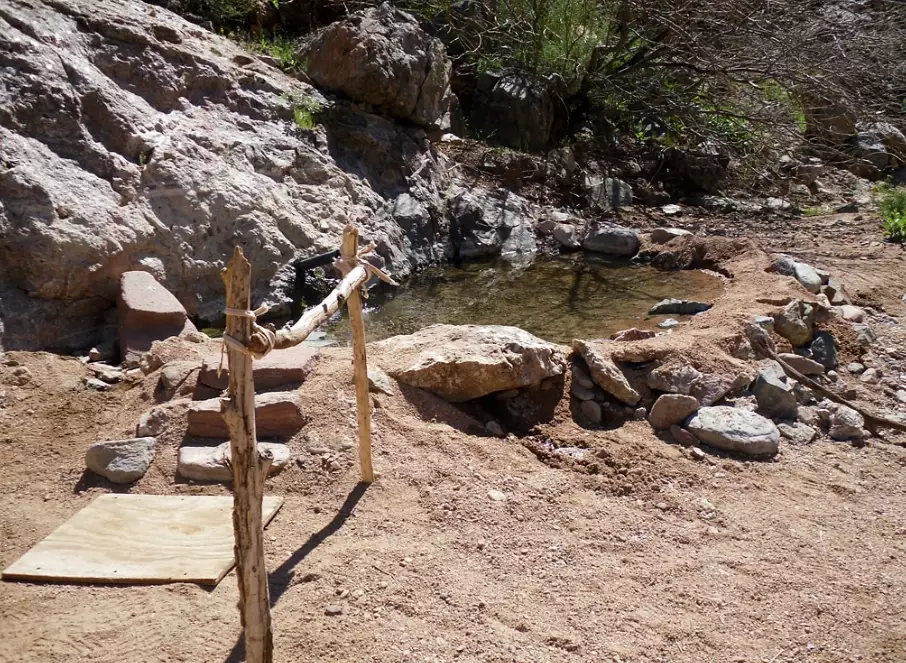
Your Quick Guide to Kaiser Hot Springs
What It's Really Like: The Unfiltered Experience
Let's set the scene. You won't find piping hot, jacuzzi-style water here. The main pool, a rough stone and cement structure built by past visitors (not the forest service), usually holds water around 90-100°F (32-38°C). On a cold day, that's bliss. On a hot summer afternoon, it might feel tepid. The source is a gentle seep higher up the hill—the water's hottest right there, but you're talking a small, muddy puddle.
The magic isn't in the temperature alone. It's in the setting.
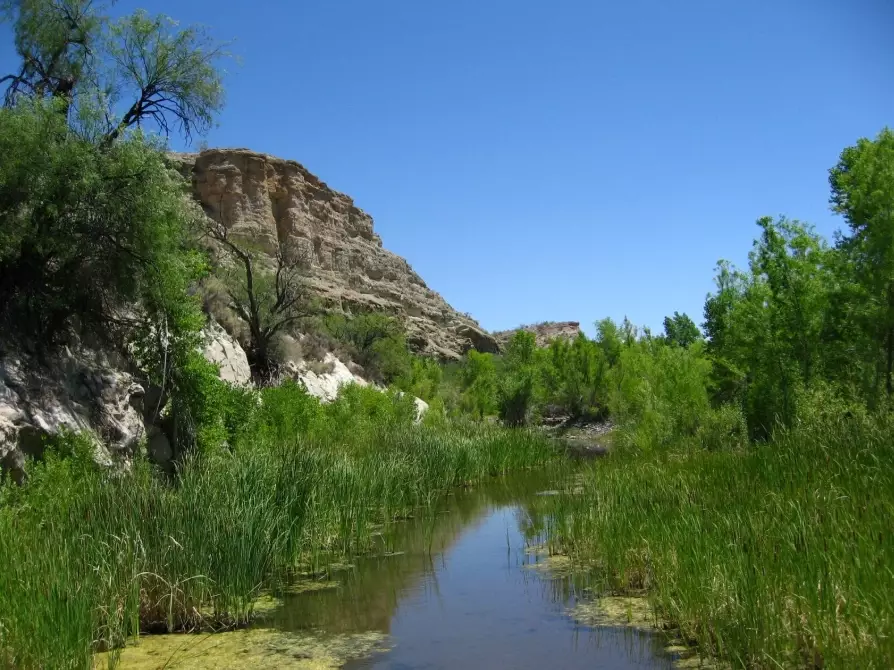
You're surrounded by sagebrush and pine, with the vast, dry Owens Valley stretching out thousands of feet below. The light at sunset turns the White Mountains a brilliant pink. It's profoundly quiet, save for the wind and maybe a distant coyote. You're sharing a natural phenomenon, not a manufactured experience.
But here's the non-consensus bit everyone glosses over: the pools are shallow. You sit, you don't swim. The bottom is silty. Algae grows. It's nature's bath, not a crystal-blue lagoon. If that sounds unappealing, this isn't your spot. For those who get it, it's perfect.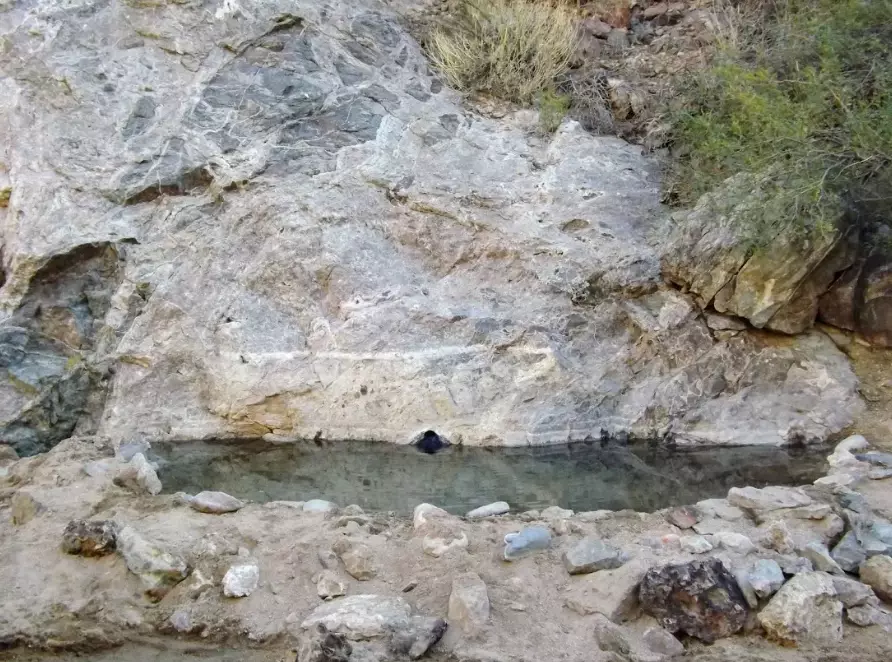
Need-to-Know Details: Location, Hike & Logistics
This is where most guides get vague. Not this one.
Kaiser Hot Springs: The Vital Stats
Nearest Town: Bishop, CA (about a 45-minute drive to the trailhead). Mammoth Lakes is closer in distance but the route via Highway 395 and Forest Road takes similar time.
Trailhead Coordinates: Approximately 37°18'17.2"N 118°34'12.5"W. Search for "Kaiser Pass Road" off Highway 168 west of Bishop.
Managing Agency: Inyo National Forest, White Mountain Ranger District. Always check their website for current alerts on road conditions, fire restrictions, and closures.
Official Designation: This is a natural area, not a developed recreation site. There is no entrance station, no fee (as of my last visit), no trash service, no lifeguard, and no maintenance crew for the pools.
The Hike In: Step-by-Step
The access is a moderate 2.5 to 3-mile roundtrip hike with about 400 feet of elevation loss on the way in (which means a climb back out). The trail isn't officially maintained—it's a use path. Here's exactly what to expect:
1. Parking: You'll see a wide pull-out on the north side of Kaiser Pass Road (Forest Road 4S01). Don't block any gates. High-clearance is helpful for the last mile of dirt road, but I've seen sedans make it in dry conditions. Drive slowly.
2. The Descent: The trail starts by heading downhill through pinyon pines and juniper. It's rocky and can be slippery with loose gravel. Good hiking shoes are non-negotiable.
3. Finding the Springs: After about 20-25 minutes of hiking, the terrain flattens near the meadow. Listen for water and look for steam on cooler days. The main pool is obvious. Please respect the area—stay on durable surfaces to protect the fragile meadow ecosystem.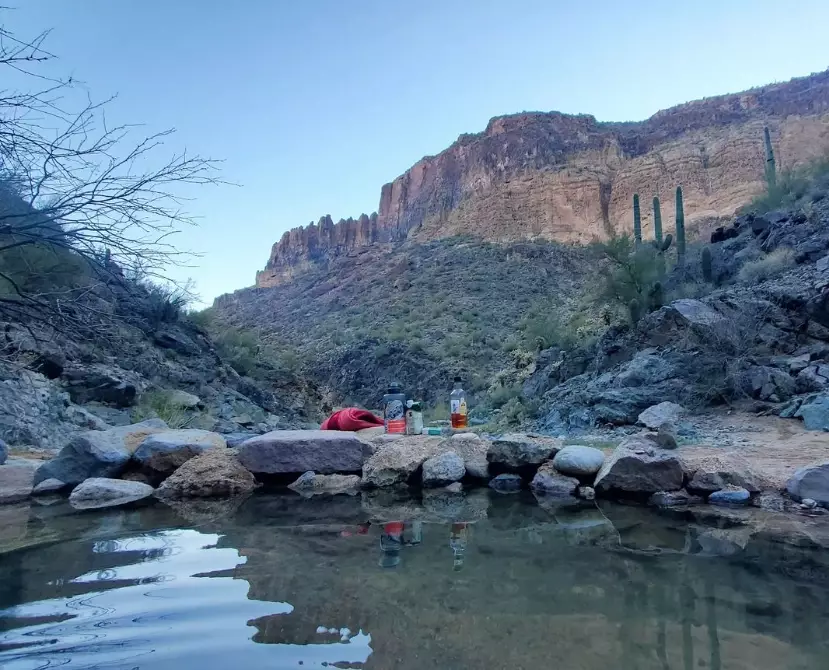
Planning Your Trip: A Realistic Checklist
Success here is about what you bring and when you go.
Best Time to Visit: Spring (May-June) and Fall (September-October). Summer days can be scorching with no shade on the hike. Winter access is for experienced snowshoers or skiers only—the road is not plowed.
Worst Time: Holiday weekends. The small area feels crowded with more than a few groups. Aim for a weekday.
Essential Gear
- Hiking boots/shoes (no sandals for the hike)
- Plenty of water (more than you think—it's dry)
- Swimsuit & towel
- Headlamp if you might finish after dark
Leave No Trace Kit
- Bag for all trash (including food scraps)
- Small bag for used toilet paper (pack it out!)
- Biodegradable soap if you must wash (use it away from the springs)
Safety & Comfort
- Layers (temperature swings are huge)
- Sun protection (hat, sunscreen)
- Basic first-aid kit
- Download offline maps (cell service is nil)
A quick note on nearby amenities: You're in remote country. The last reliable gas, food, and supplies are in Bishop. Fill up there. If you need a post-soak burger and a real shower, the town of Bishop is your best bet. For camping, developed US Forest Service campgrounds like McGee Creek or Convict Lake offer water and toilets—a more comfortable base than trying to rough it right at the springs.
Your Questions, Honestly Answered
 So, is Kaiser Hot Springs worth it? If your ideal soak involves pristine wilderness, earning your relaxation with a hike, and accepting nature on its own terms, then absolutely. It's a special place precisely because it hasn't been tamed. Just go in with clear eyes, the right gear, and low expectations for luxury. Your reward will be a view, a soak, and a story that feels genuinely yours.
Remember, places like this persist only if we care for them. Soak gently, leave nothing behind, and help keep the secret a secret by respecting it.
Reader Comments