Let's be honest. When you first pull into Grand Canyon National Park, every viewpoint looks breathtaking. Mather Point, Yavapai Point—they're all stunning. But after a dozen trips to the South Rim, I keep circling back to one spot that feels different. More focused. More dramatic, especially as the day ends. That spot is Moran Point.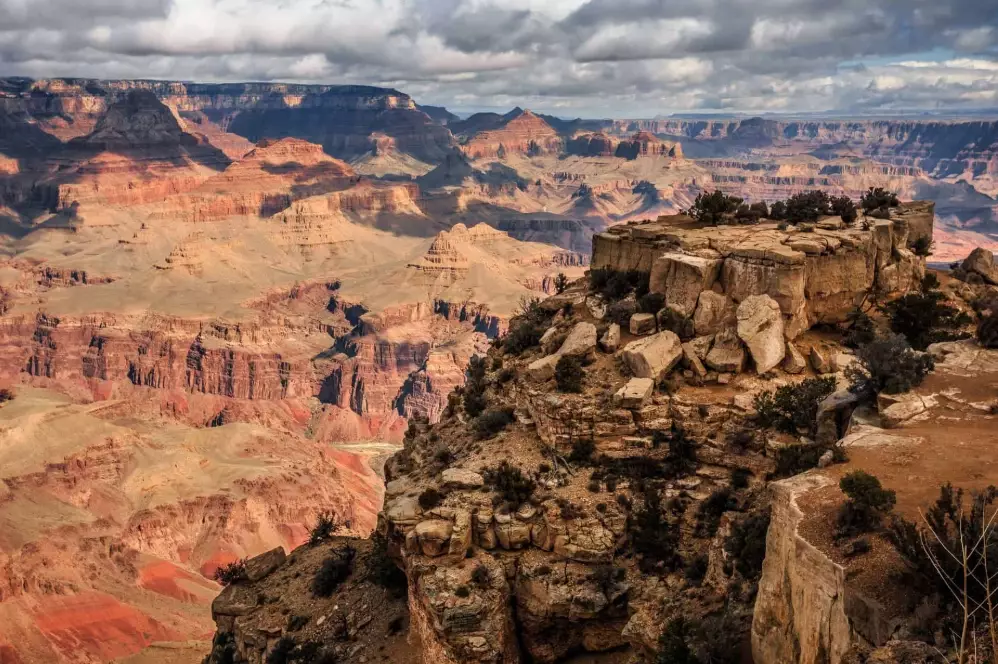
Named for the landscape painter Thomas Moran, whose work helped convince Congress to protect this place, Moran Point delivers a view that feels like a living painting. It's not the widest panorama, but it's one of the most perfectly composed. Your eye is drawn directly to the massive buttes and temples—Vishnu Temple, Wotans Throne—carved by the Colorado River over millions of years.
Most visitors rush past it on their way to Hermits Rest or Desert View. That's their mistake. For sunset, intimacy, and that classic "Grand Canyon" photo, Moran Point is hard to beat. Here’s everything you need to know to visit it right.
Your Quick Guide to Moran Point
What Makes Moran Point Special?
It’s all about the frame. While other viewpoints offer a sprawling, sometimes overwhelming vista, Moran Point feels curated. The canyon walls seem to wrap around you, focusing your attention on the central formations. The Colorado River isn't always visible from here—it's more about the sculpted rock.
The connection to Thomas Moran is key. Standing there, you can almost see what he saw in the 19th century: not just geology, but light, shadow, and sublime beauty. The National Park Service has a small interpretive sign about him, which is worth a quick read. It adds a layer of history you won't get elsewhere.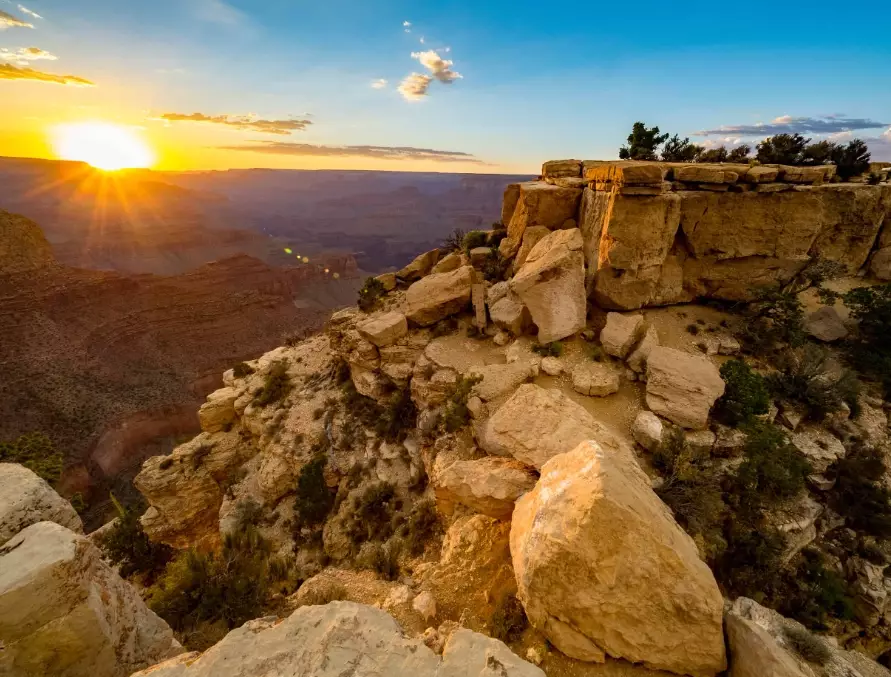
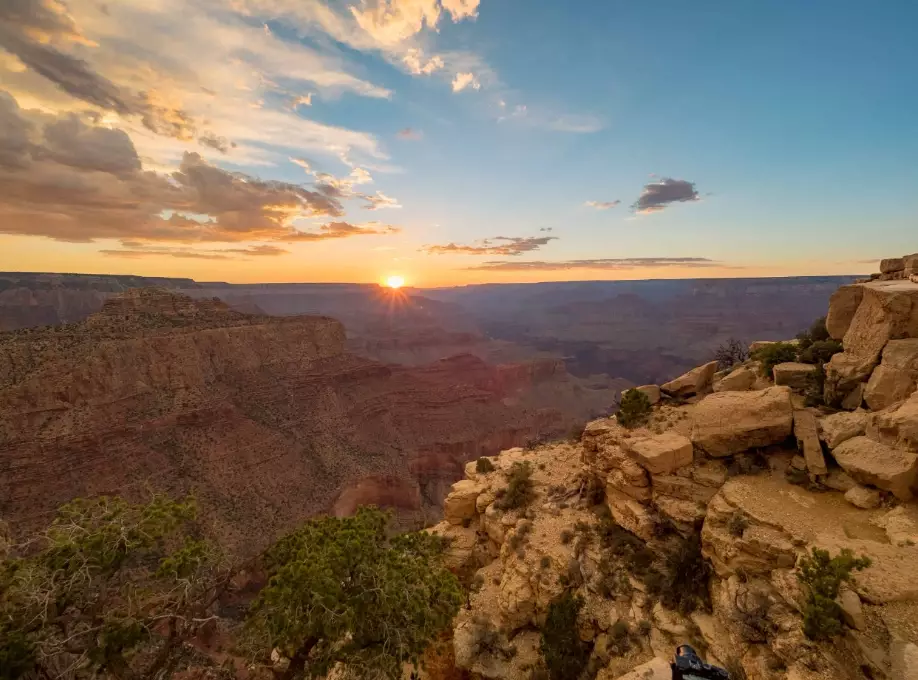
But the real magic happens late in the day. Because of its east-facing orientation (it actually looks north into the canyon, but the opening is to the east), the late afternoon sun hits the buttes head-on. The layers of red, orange, and pink sandstone light up like they're on fire. For sunset purists, it's a front-row seat.
Moran Point at a Glance
Location: South Rim, approximately 23 miles east of Grand Canyon Village on Desert View Drive (State Route 64).
Parking: A medium-sized paved lot. It fills up completely 60-90 minutes before sunset. Arrive early.
Facilities: Basic pit toilets are available. There is no water, food, or gift shop. Fill your bottle before you come.
Crowd Level: Moderate to high at sunset. Surprisingly quiet during midday.
Best For: Sunset viewing, landscape photography, a quieter moment away from the main village crowds.
Planning Your Visit: The Nitty-Gritty Details
Getting to Moran Point is straightforward, but timing is everything.
How to Get There
From Grand Canyon Village, head east on Desert View Drive. It's a scenic 30-40 minute drive. You'll pass Yaki Point and Grandview Point before seeing the signs for Moran. The turn-off is well-marked. If you're coming from the park's East Entrance near Desert View Watchtower, it's only about a 10-minute drive west.
A crucial note: Desert View Drive is open to private vehicles year-round. Unlike Hermit Road (which is shuttle-only for most of the year), you can drive your own car right to the Moran Point parking lot. This is a huge advantage for photographers lugging gear or families who want flexibility.
Fees and Hours
Access is included with your Grand Canyon National Park entrance fee ($35 per vehicle, valid 7 days). No extra ticket is needed. The America the Beautiful Annual Pass works here too.
The point itself is open 24/7, as is Desert View Drive. The parking lot is not gated. This means you can, theoretically, come for sunrise or even stargazing. Be warned: it is extremely dark at night. Bring a good headlamp and use extreme caution near the rim.
A Pro Tip Most Miss
Everyone clusters on the paved area right next to the parking lot. Don't stop there. For a better, less obstructed view, walk east (left if you're facing the canyon) along the Rim Trail for about 5-10 minutes. The paved path ends, but a clear dirt trail continues. You'll find several rocky outcroppings that offer unobstructed, people-free compositions. This is the local photographer's secret.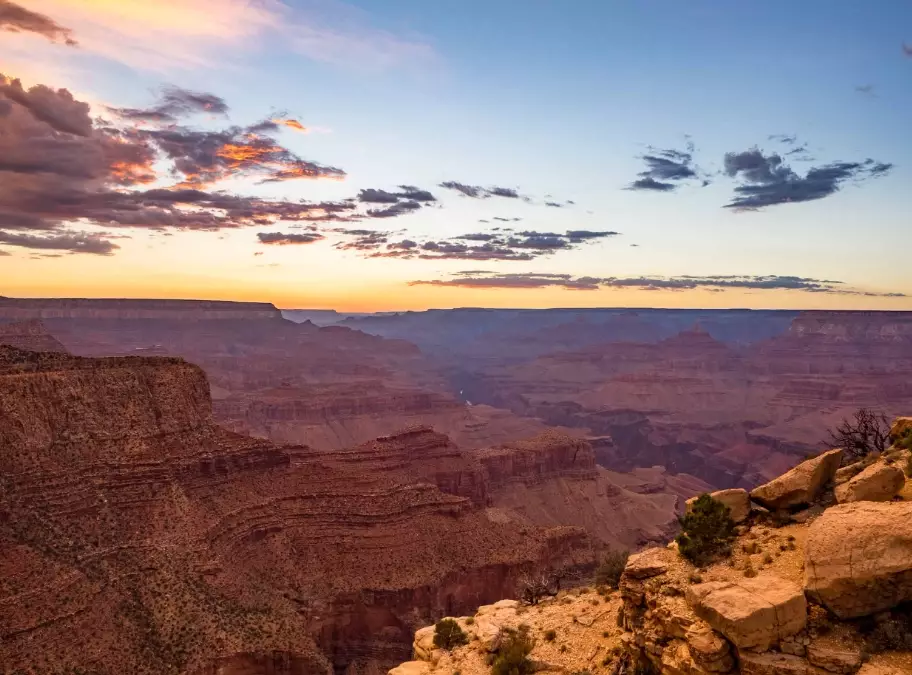
Moran Point Photography: Capturing the Perfect Shot
I've seen photographers here make classic mistakes. They show up at sunset, plant their tripod in the middle of the crowd, and shoot straight on. The results are fine, but not great.
Here’s how to do it better.
Composition is King: Use the natural leading lines. The canyon walls create a V-shape that draws the eye inward. Frame your shot with a bit of the pine trees on the rim in the foreground to add depth and scale. Don't just center the horizon; place it in the lower or upper third of your frame.
The Light: Midday light is harsh and flat here—avoid it for serious photography. The magic window opens about 2 hours before sunset. As the sun gets lower, side-light rakes across the buttes, revealing incredible texture. During the 20 minutes after the sun dips below the horizon (the "blue hour"), the sky can turn incredible purples and blues, reflecting a soft glow onto the rocks. Most people pack up and leave the second the sun is gone. Wait. This is often when the best color happens.
Building Your South Rim Itinerary Around Moran Point
Moran Point shouldn't be a standalone stop. It works best as part of a Desert View Drive corridor day.
Sample Afternoon/Evening Plan:
2:00 PM: Start at the Visitor Center, watch the orientation film.
3:00 PM: Drive east on Desert View Drive.
3:30 PM: Stop at Grandview Point (huge views, great history).
4:30 PM: Arrive at Moran Point. Scout your spot, take some daytime shots.
5:00 PM - Sunset: Settle in. Enjoy the changing light. Have a snack (pack it in!).
Post-Sunset: Drive 10 more minutes east to the Desert View Watchtower. The views from the tower's base over the Colorado River are stunning in twilight, and it's often less crowded then.
Then drive back to your lodging in the dark (watch for wildlife!).
If you're coming from the east (maybe from Page or the East Entrance), reverse this: hit Desert View first, then Moran Point for late afternoon/sunset, then continue west to the village for dinner.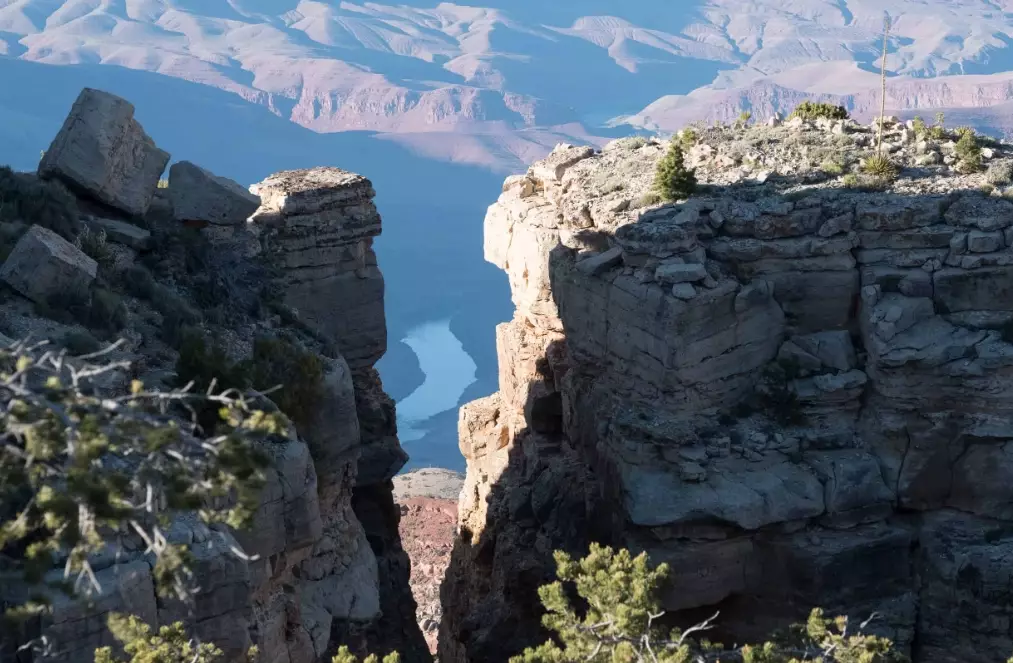
How Moran Point Stacks Up Against Other South Rim Stops
Wondering if you should skip it for something else? Here’s a blunt comparison.
| Viewpoint | Best For | Crowds | Moran Point's Edge |
|---|---|---|---|
| Mather Point | First-time wow factor, convenience. | Very High | Moran is more intimate, less chaotic, better for sunset composition. |
| Yavapai Point | Geology, understanding rock layers. | High | Moran feels more "wild" and less developed. Better sunset light. |
| Desert View | Seeing the Colorado River, iconic watchtower. | High | Moran is a quieter, pure nature experience without the tower complex. |
| Hopi Point (Hermit Road) | Unobstructed west-facing sunset views. | Extremely High (shuttle access) | You can drive to Moran. Hopi can feel like a crowded spectator event. |
The takeaway? Moran Point splits the difference. It offers a classic, focused view with better-than-average sunset light, without the absolute peak crowds of the most famous spots. It's a strong #2 or #3 on your viewpoint list, not necessarily the only one, but for many, it becomes the favorite.
Your Moran Point Questions Answered
 How does Moran Point compare to more popular viewpoints like Mather Point or Yavapai?
So, next time you're mapping out your Grand Canyon day, pencil in Moran Point for the late afternoon. Bring some water, a jacket (it gets chilly fast after sunset), and your patience. Find a spot away from the main crowd, maybe on that little trail to the east. Then just watch. As the light shifts and paints the canyon, you'll understand why Thomas Moran fought so hard to save this view—and why it's still one of the South Rim's most rewarding stops.
Reader Comments