You've seen the photos. That impossible, milky-turquoise water snaking through a deep, rust-colored gorge. It looks like a fantasy landscape, a trick of the light or heavy photo editing. I thought the same thing before my first visit. Let me tell you, the Little Colorado River Gorge is very real, and its beauty is almost disorienting in person. This isn't just a scenic stop on the way to the Grand Canyon's main viewpoints; it's a destination that demands its own plan, its own respect, and a bit of local know-how that most quick guides gloss over.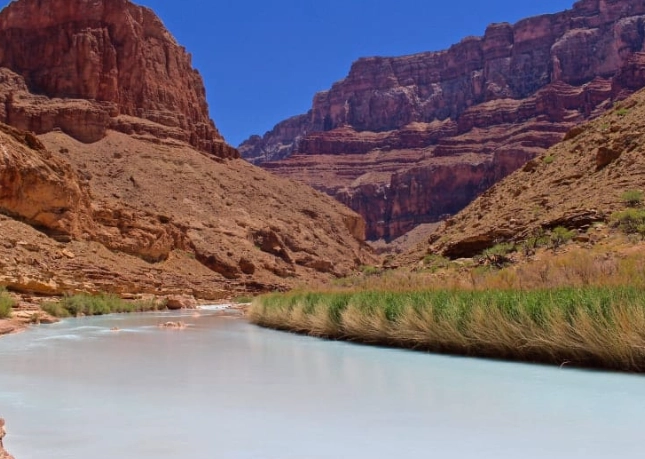
Your Trip Planning Shortcut
What Exactly Is the Little Colorado River?
The Little Colorado River is a major tributary that joins the Colorado River deep inside the Grand Canyon. For most visitors, the term "Little Colorado River Arizona" refers to the stunning upper section near Cameron, where the river has carved a dramatic gorge. The water gets its surreal blue-green color from dissolved calcium carbonate and other minerals picked up from the limestone bedrock. The intensity of the color changes with the flow. During spring snowmelt or after summer monsoons, the river can run thick and chalky. In drier periods, it settles into those famous, serene pools of turquoise.
Here's the thing most articles miss: the public overlook gives you a breathtaking view from the top. To actually get down to the river's edge at the confluence with the main Colorado is a serious, multi-day hike or rafting trip requiring permits. The overlook experience and the river-level experience are worlds apart.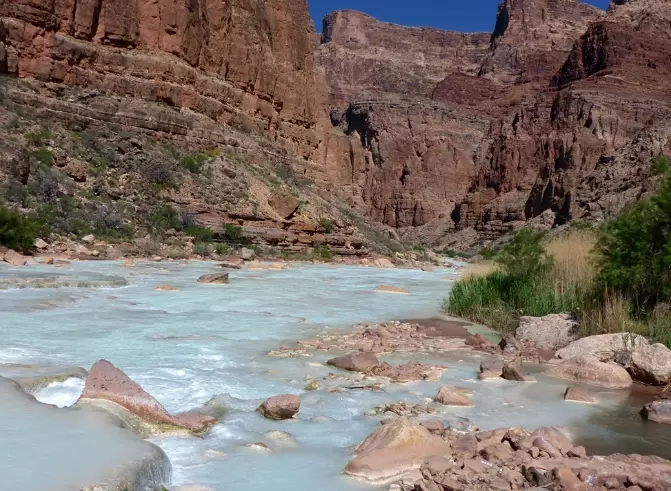
Visiting the Little Colorado River Gorge Overlook
This is the accessible part, and it's absolutely worth it. The overlook is managed by the Navajo Nation Parks and Recreation.
Essential Visit Info:
Address: Look for signs on Highway 64, about 30 miles north of Cameron, AZ. There's no specific street address. It's roughly 50 miles east of Grand Canyon Village.
Operating Hours: Typically 8:00 AM to 5:00 PM daily, but can vary seasonally. It's closed on major Navajo Nation holidays.
Admission: A Navajo Nation Parks permit is required. As of my last check, it's $8 per vehicle (subject to change). Have cash ready.
Getting There: From Page, AZ, take US-89 South to Cameron, then head west on AZ-64. From Grand Canyon South Rim, take AZ-64 East. The turnoff is well-marked.
The overlook itself is a developed site with a parking lot, restrooms (vault toilets, so manage expectations), and paved paths leading to several viewing platforms. The main platform juts out over the gorge, offering that iconic, heart-stopping view straight down 1,000 feet to the river. The scale is hard to comprehend until you're there.
Photography Tip: The light is best in the morning. By midday, the sun is directly overhead, flattening the shadows in the canyon. Late afternoon can also work, but the far rim might be in shadow.
The color is real. But it looks different every day.
The Link to Arizona's Famous Slot Canyons
This is a critical connection. When people search for "Little Colorado River AZ," they're often planning a broader Northern Arizona itinerary that includes slot canyons. The river's watershed includes and feeds many of the region's famous narrows.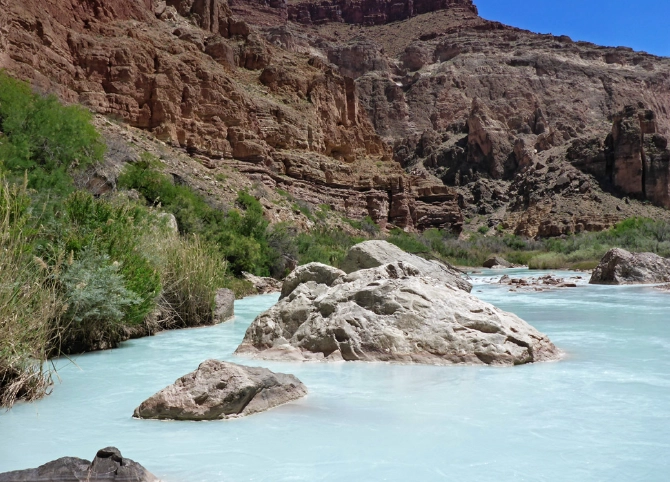
The most famous of these is, of course, Antelope Canyon, located in Page, about an hour and a half drive north. Antelope Canyon is a slot canyon carved by flash flooding from the Little Colorado River watershed. Understanding this geological link adds a whole new layer to your visit.
If you're doing both in one trip, here's a logical sequence most tourists get wrong: they do Antelope Canyon in the morning and the Little Colorado overlook in the afternoon. Flip it. The overlook is better in the morning light, and the afternoon light beams in Antelope Canyon (especially Upper Antelope) are what you're after. Book your Antelope Canyon tour for midday or early afternoon.
| Destination | Key Feature | Access Type | Typical Time Needed |
|---|---|---|---|
| Little Colorado River Gorge Overlook | Aerial view of turquoise river in deep canyon | Self-driven, easy walk | 45-90 minutes |
| Upper Antelope Canyon (Page) | Famous light beams, smooth flowing shapes | Guided tour only (book weeks ahead) | 1.5-2 hours |
| Lower Antelope Canyon (Page) | More climbing, less crowded, dramatic lighting | Guided tour only (book ahead) | 1-1.5 hours |
| Canyon X or Antelope Canyon X | Similar beauty, fewer crowds, often better value | Guided tour only | 1.5 hours |
How to Plan Your Little Colorado River Trip
You can't just wing it. The remoteness demands a plan.
Option 1: The Grand Canyon Day Trip
If you're based at the South Rim, the overlook makes a perfect half-day excursion. Drive east on Desert View Drive (AZ-64), stop at the Desert View Watchtower, then continue to the Little Colorado turnoff. It breaks up the "viewpoint fatigue" you can get at the main canyon.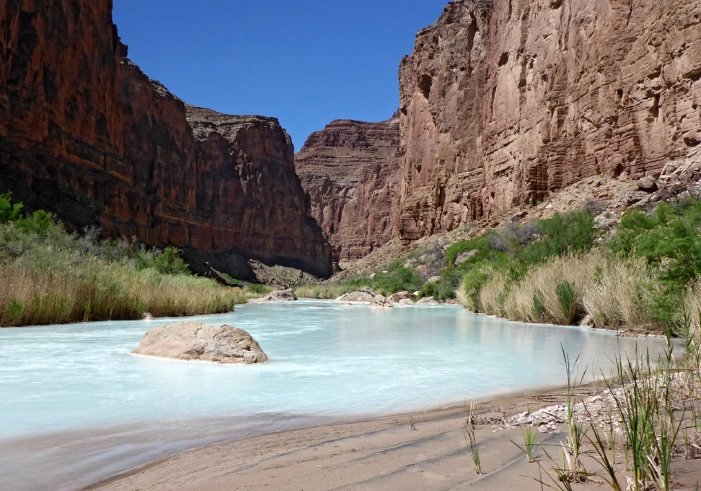
Option 2: The Page, AZ Basecamp
This is my preferred method. Stay in Page (more hotel and food options). One day: Antelope Canyon tour in the afternoon, Horseshoe Bend at sunset. Next day: Drive south to the Little Colorado River Gorge in the morning, then explore the Cameron Trading Post on your way back. It's a more relaxed pace.
Option 3: The Serious Adventure (River Level)
This is for the 1%. Reaching the actual confluence involves a permit from the Grand Canyon National Park Backcountry Information Center for the strenuous hike, or a commercial rafting trip that includes it as a side hike. This is not a casual undertaking.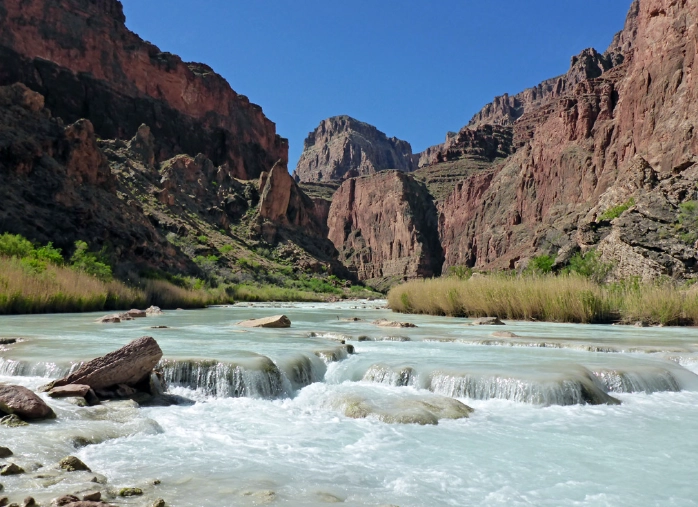
My Personal Gear Advice: Everyone says bring water. I'm saying bring twice what you think you need for the drive. Services between Cameron and the Grand Canyon are sparse. Also, a wide-brimmed hat is better than a baseball cap—the sun here is no joke, even at 7,000 feet. And wear shoes with grip, not flip-flops; the pavement near the edge can be sandy and slick.
Answers to Your Burning Questions
The Little Colorado River is more than a photo op. It's a lesson in geology, a testament to the power of water, and a reminder of the layers of history and culture in the Southwest. See it from the rim, understand its connection to the land around it, and you'll walk away with more than just a memory card full of pictures.
Reader Comments