Explore This Guide
- What You Actually Do and See There
- The Honest Pros and Cons: Who Will Love It, Who Might Be Whemed
- Making the Most of Your Visit: The Practical Nitty-Gritty
- Common Questions People Ask (The FAQ You Actually Need)
- How Horseshoe Curve Stacks Up: A Quick Comparison
- The Final Verdict: Is Horseshoe Curve Worth Visiting?
You've probably seen the pictures. A massive train snaking around a perfect, lush green curve carved into the Pennsylvania mountainside. It looks incredible, almost too perfect. And now you're asking yourself the big question: is Horseshoe Curve worth visiting, or is it just a quick photo stop that gets overhyped?
I asked myself the same thing before I drove out there. I'm not a hardcore railfan, but I appreciate history and engineering marvels. My trip was a mix of "wow" moments and a few shrugs. Let me break it down for you, no fluff, so you can decide if it's worth your time and gas money.
The short answer? It depends entirely on what you're looking for. For some, it's a pilgrimage. For others, it might be a pleasant 90-minute detour. There's no single verdict.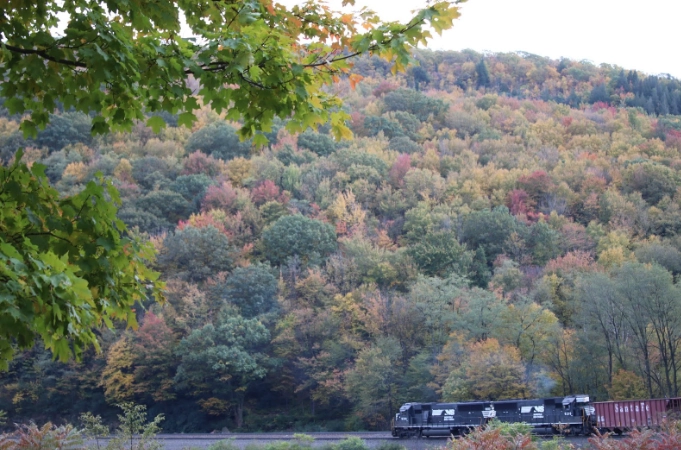
The Core Appeal: Horseshoe Curve is an active, working railroad landmark. It's not a static museum piece. Completed in 1854 by the Pennsylvania Railroad, it was a monumental feat of engineering that solved the problem of crossing the Allegheny Mountains. It reduced a steep, impossible grade to a manageable one, literally shaping the growth of the nation. You're watching history roll by, several times an hour.
What You Actually Do and See There
Let's manage expectations first. This isn't a sprawling amusement park. The main visitor area, managed by the nonprofit Railroaders Memorial Museum in Altoona, is relatively compact. You park, pay a small admission fee for the museum grounds area (viewing from the public road above is free), and then you have a few key experiences.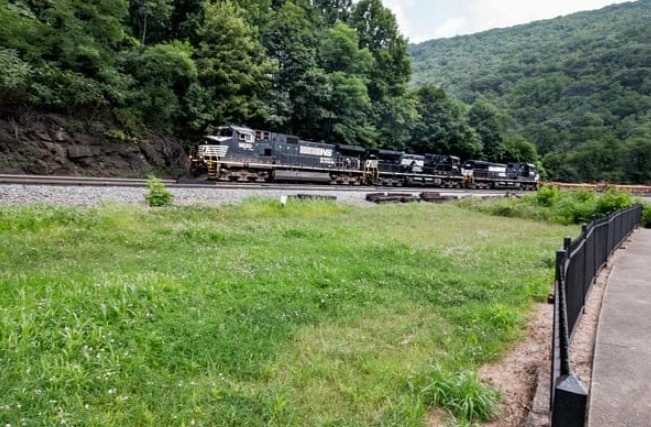
The Incline Plane and Observation Area
You reach the prime viewing spot by riding a funicular incline railway. It's a short ride, but it adds to the experience, especially for kids. At the top, you're on a wide, fenced observation deck right at the level of the tracks.
This is where you wait, watch, and listen. The view of the curve itself is impressive—you can truly see the geometry of it. The informational plaques tell the story well. But the main event is the train, obviously. When one comes, it's a slow, powerful spectacle. You hear it long before you see it—the deep rumble building in the valley. Then it appears, engine first, crawling around the bend. It takes a full minute or two for a long freight to completely navigate the curve right in front of you.
It's cool. Really cool. The first time.
The Visitor Center and Exhibits
The small visitor center has a gift shop and some historical exhibits. They're fine, informative about the construction and the role of the railroad. The real value for understanding the context is at the main Railroaders Memorial Museum in Altoona itself (your Curve ticket gets you a discount). If you're pondering "is Horseshoe Curve worth visiting," pairing it with the museum makes the day much richer.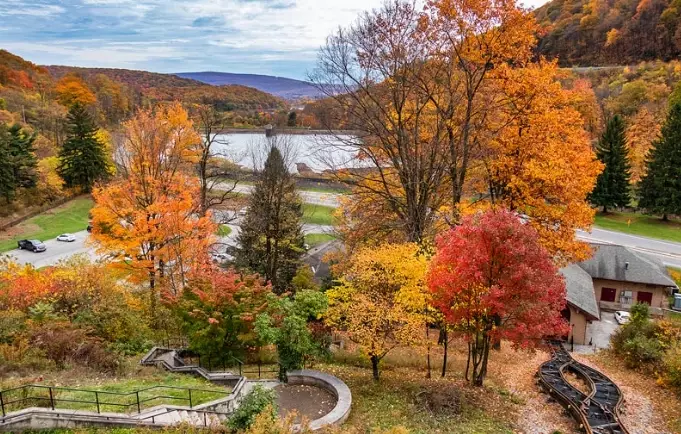
The Honest Pros and Cons: Who Will Love It, Who Might Be Whemed
The Good Stuff (The Pros):
- Pure, Unadulterated Engineering Awesomeness: When you understand what it took to build this in the 1850s, it's mind-blowing. It's a testament to human ingenuity. Standing there makes that history tangible.
- It's Alive: Unlike a preserved steam engine in a park, this is the real deal. Massive modern freight trains from Norfolk Southern and occasional Amtrak passenger trains use it every day. You're seeing the current backbone of American commerce.
- Great for Photography: If you have a decent camera or even a good phone, you can get stunning shots. The landscape provides a beautiful backdrop in every season—green summers, fiery autumns, stark winters.
- Family-Friendly and Easy: It's not physically demanding. The incline does the work. Kids (especially train-loving ones) are usually mesmerized. It's an easy add-on to a Pennsylvania road trip.
- Affordable: The admission cost is low, especially considering it helps maintain the site.
The Not-So-Good Stuff (The Cons):
- It Can Be... Passive: You go, you watch, you leave. The activity is watching. If you're not fascinated by trains or history, you might find yourself checking your watch after 30 minutes. "Is that it?" is a common thought for the under-enthused.
- The Timing is Everything: You could hit a busy period with trains every 20 minutes, or you could hit a lull. There's no guaranteed schedule publicly posted for obvious security reasons. This unpredictability can frustrate some visitors hoping for non-stop action.
- Weather Dependent: It's an entirely outdoor viewing experience. A cold, rainy, or foggy day can significantly dampen the fun (literally). The view can be spectacular in the fog, but it's not for everyone.
- Limited Amenities: It's a historic site, not a mall. Food options are basic (vending machines). Plan accordingly.
- For the true railfan, the viewing is distant. You're safe and separated by a fence. You won't get the ground-shaking, up-close feel of a grade crossing. Some enthusiasts prefer finding their own spots along the public roads above for a different perspective.
My personal take? I loved the first 40 minutes. The scale surprised me. But I brought a book for the waiting periods, which was a good call. I'm glad I went, but I wouldn't drive 5 hours only for this. It needs to be part of a bigger day.
Making the Most of Your Visit: The Practical Nitty-Gritty
If you've decided to go, these tips will transform your trip from "okay" to "great."
Insider Tip: Train traffic is generally heavier on weekdays than weekends. Freight moves commerce, and commerce doesn't stop Saturday and Sunday. Mid-morning through mid-afternoon is typically the most active window, but it's always a gamble.
Best Times to Go: Weekdays are better for train frequency. Seasonally, fall is magic for colors, but summer has longer, more comfortable days. Winter offers a dramatic, snowy landscape but bundle up!
What to Bring:
Binoculars. Seriously. They let you read the logos on the cars, see the engineers, and appreciate the detail.
A radio scanner tuned to the railroad frequency (161.565 MHz is a common one for the area). Hearing the dispatchers and engineers talk adds a whole new layer of understanding to the ballet of movements. It's like having the director's commentary on.
Patience, water, snacks, and a seat cushion or stadium chair if you plan to stay a while. The benches are functional but not plush.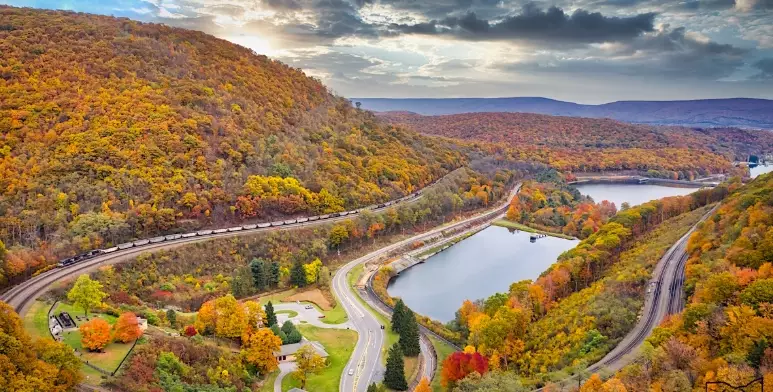
Pair It With Something Else: This is the golden rule for answering "is Horseshoe Curve worth visiting?". Make it a day.
- Must-Do Combo: Visit the main Railroaders Memorial Museum in Altoona. It provides the crucial context—the stories of the workers, the tools, the dangers. The Curve is the "where," the museum is the "who" and "why." Together, they make a complete story.
- Other Altoona Sights: The historic Mishler Theatre, the quaint downtown area.
- Outdoor Options: Hike or bike a section of the nearby Lower Trail or Ghost Town Trail, both rail-trails that continue the railroad theme in a more active way.
- For a Full Day Trip: Combine the Curve with a visit to the Allegheny Portage Railroad National Historic Site about 30 minutes away. It's the predecessor to the Curve—an even more bizarre and brilliant canal-and-rail incline system. The NPS site is fantastic. Seeing both shows you the evolution of mountain-crossing tech.
Common Questions People Ask (The FAQ You Actually Need)
How long should I plan to spend at Horseshoe Curve?
Plan for 1.5 to 2.5 hours. This gives you time to ride the incline, watch for several trains, read the exhibits, and not feel rushed. If you're a photographer waiting for the perfect light or a railfan documenting every train, you could easily spend half a day.
Can you see Horseshoe Curve for free?
Yes and no. The official, close-up observation deck at track level requires an admission ticket. However, there is a free public overlook area located off of Old Horseshoe Curve Road (just follow the signs). The view is from higher up and farther away, but you still get a great panoramic view of the entire curve. It's a fantastic option if you're on a tight budget or just want a quick look.
Is it good for young kids?
Most kids, especially between 3 and 10, find the trains thrilling. The incline ride is a hit. The confined, safe observation area is parent-friendly. Just manage their expectations about waiting and bring snacks. For toddlers, it might be a short-attention-span theater.
What if I'm not into trains at all?
Then the value proposition drops significantly. You'd be going for the sheer scale of the landscape engineering and the historical significance. In that case, I'd strongly recommend combining it with the Altoona museum or the Portage Railroad NHS to get the story that makes the dirt and steel meaningful. Otherwise, you might leave wondering what the fuss is about.
How Horseshoe Curve Stacks Up: A Quick Comparison
Wondering how it compares to other railroad attractions? This might help.
| Attraction | Type of Experience | Best For | Activity Level |
|---|---|---|---|
| Horseshoe Curve | Viewing an active, monumental engineering site. | History buffs, engineering enthusiasts, casual train watchers, photographers. | Low (ride incline, walk short distance). |
| Scenic Heritage Railroad Ride (e.g., Strasburg) | Riding a historic train through scenery. | Families wanting a relaxing ride, romantic outings, vintage train lovers. | Very Low (sit and enjoy). |
| Large Railroad Museum (e.g., PA RR Museum) | Indoor/outdoor collection of static locomotives and cars. | Deep-dive historians, model railroaders, those wanting to see rare equipment up close. | Moderate (lots of walking). |
| Train-Themed Amusement Park | Rides and entertainment with a railroad theme. | Families with young kids seeking thrills and entertainment. | High. |
The Final Verdict: Is Horseshoe Curve Worth Visiting?
Here’s my bottom line, after going there, talking to other visitors, and thinking about it.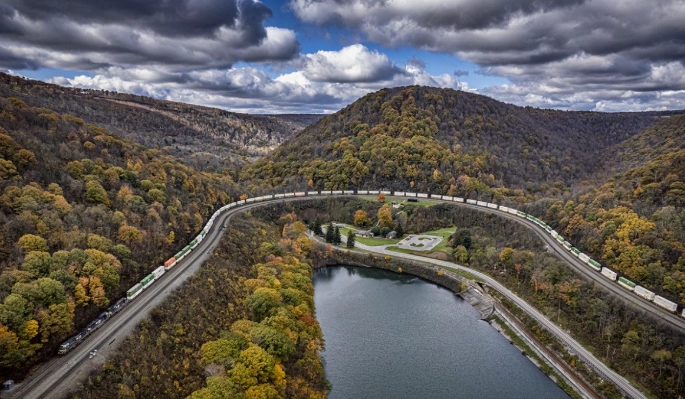
YES, Horseshoe Curve is worth visiting IF:
- You have even a passing interest in American history, industrial history, or engineering.
- You're building a day trip or road trip itinerary in central Pennsylvania (it's a perfect anchor).
- You're traveling with kids who like big machines.
- You're a photographer looking for a unique and iconic subject.
- You go in with the right expectations: it's about watching, learning, and appreciating, not constant entertainment.
NO, you might want to skip it IF:
- You demand non-stop, curated entertainment and hate any waiting.
- You have zero interest in trains, history, or how things are built.
- You're only in the area for a couple hours and need to maximize every minute with action.
- You're expecting a theme-park-style experience with rides and shows.
Ultimately, the question "is Horseshoe Curve worth visiting?" is personal. For me, it was a solid yes. The sight of a modern freight train dwarfed by the mountains, tracing a path laid down 170 years ago, is a powerful reminder of how we've shaped this country. It's not glamorous. It's not thrilling in a roller-coaster sense. It's quietly impressive.
My advice? Don't make it a standalone destination. Pair it with the museum in Altoona, take a hike on a rail-trail, explore the National Historic Site at the Portage Railroad. Make a day of discovering how Pennsylvania conquered the mountains. When you do that, the value of seeing the Horseshoe Curve itself becomes crystal clear. It's the star player in a much bigger and fascinating story. And that story is absolutely worth your time.
Check the weather, pack your binoculars, and go see for yourself. Just maybe bring a book for between trains.
Reader Comments