Just east of Phoenix, the Superstition Mountains erupt from the Sonoran Desert floor like a broken fortress. That first glimpse from the highway never gets old—jagged peaks silhouetted against a vast blue sky. It's a landscape that demands attention. For hikers, it's a playground of challenging climbs and hidden canyons. For history buffs, it's the backdrop to Arizona's most enduring legend: the Lost Dutchman's Gold Mine. But most visitors arrive with the same basic questions. Where do I start? Is it safe? What's the deal with that gold mine?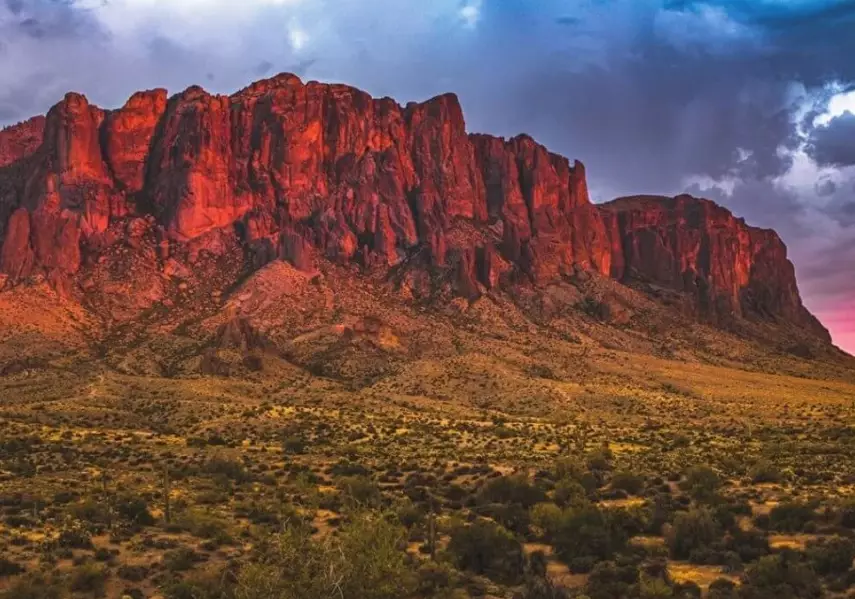
Let's clear that up right away. You're not finding any gold. But what you will find is worth far more: some of the most ruggedly beautiful and accessible desert hiking in the American Southwest.
Your Quick Guide to the Superstition Mountains
The Top Hikes: From Easy Loops to a Brutal Climb
Don't make the mistake of thinking "desert hike" means "easy stroll." The Superstitions offer a full spectrum. Your choice depends entirely on your fitness, preparation, and the time of year.
The main access points are Lost Dutchman State Park and the Superstition Wilderness trailheads along the Apache Trail (Highway 88). The state park requires a daily fee ($7 per vehicle as of my last visit) and offers maintained restrooms and picnic areas. The wilderness area is free for day use but is pure, rugged backcountry.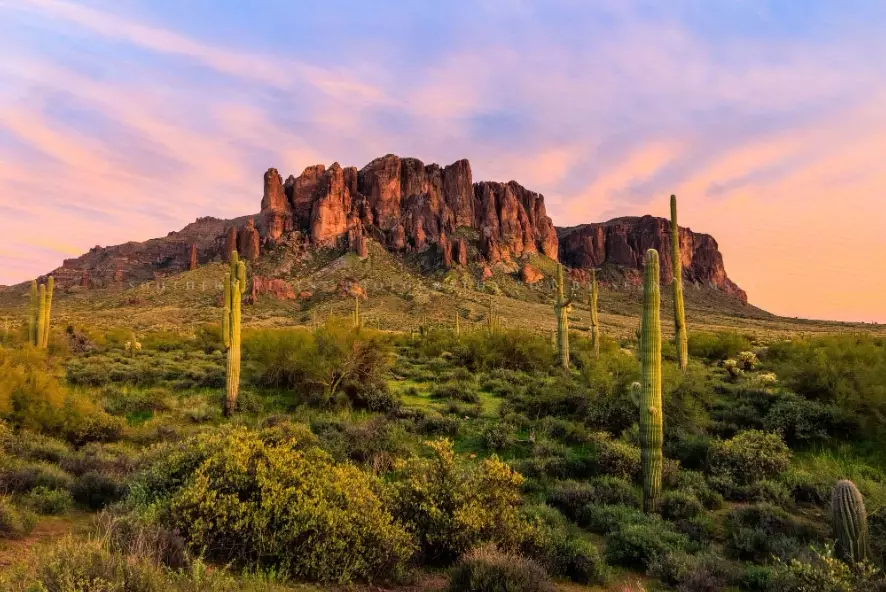
| Trail Name | Location / Trailhead | Distance & Difficulty | Why Hike It |
|---|---|---|---|
| Jacob's Crosscut to Prospector's View Loop | Lost Dutchman State Park (Park at the Siphon Draw trailhead) | ~2.5 miles, Easy to Moderate | The perfect introduction. Wide paths, gentle inclines, and postcard views of the famous "Flat Iron" peak without the brutal climb. Great for families and sunrise/sunset. |
| Hieroglyphic Canyon Trail | Superstition Wilderness (Trailhead off US-60) | ~3 miles round trip, Easy | It's not Egyptian, but the Hohokam petroglyphs at the end are the real draw. The trail ends at a series of pools (often with water, a rarity!). Minimal elevation gain. |
| Siphon Draw to the Flatiron | Lost Dutchman State Park | ~6 miles round trip, Strenuous | This is the iconic, leg-burning challenge. The first half is a rocky wash, the second is a steep, hands-on scramble up 2,000 ft. The payoff is a panoramic view from the top of the Flatiron. Not for beginners or summer hikers. |
| Peralta Canyon to Fremont Saddle | Superstition Wilderness (Peralta Trailhead) | ~4.6 miles round trip, Moderate | My personal favorite for dramatic scenery. The trail winds through a beautiful canyon before climbing to a saddle that unveils a breathtaking view of Weaver's Needle—the epicenter of the Lost Dutchman legend. Gets crowded on weekends; go early. |
A common mistake I see? People head straight for the Flatiron because it's famous, vastly underestimating the climb and their water needs. If you're new to the area, start with Jacob's Crosscut or Hieroglyphic Canyon. Get a feel for the desert, then decide if you're ready for the big ones.
Key Trailhead Addresses & Fees
Lost Dutchman State Park: 6109 N. Apache Trail, Apache Junction, AZ 85119. Open 5 AM - 10 PM. Vehicle entry fee: $7 (subject to change, check the Arizona State Parks website for updates).
Peralta Trailhead: Off Peralta Road, Apache Junction, AZ. No fee for day use. Dirt road access, high-clearance vehicle recommended after rain. No facilities.
Hieroglyphic Canyon Trailhead: Off US-60, near Gold Canyon. Look for the marked parking lot. No fee, portable toilet often available.
The Lost Dutchman's Gold Mine: Separating Fact from Dangerous Fiction
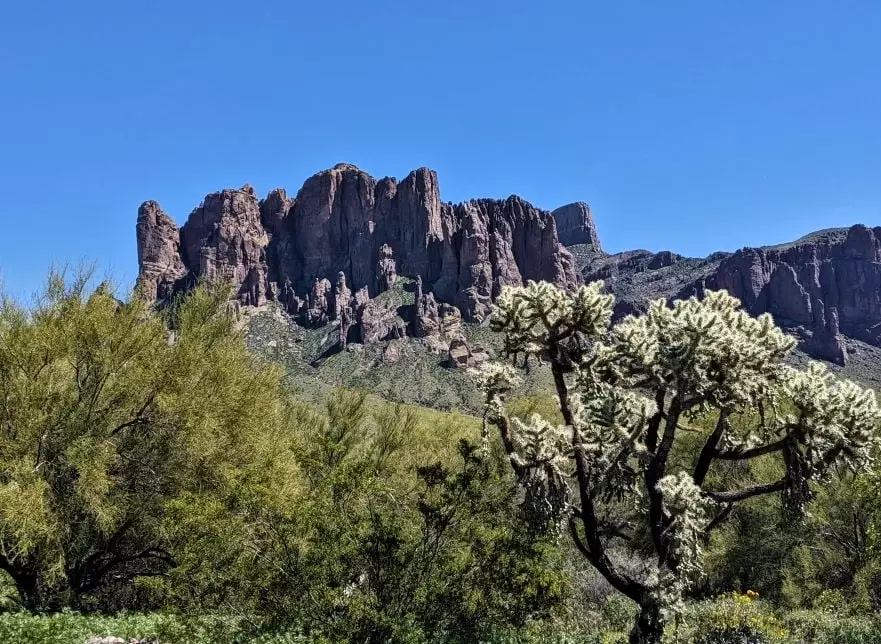 You can't talk about these mountains without the legend. In the late 1800s, a German immigrant named Jacob Waltz (the "Dutchman") supposedly spoke of a rich gold mine hidden in the Superstitions. He died taking its location with him. Cue over a century of treasure hunters, books, maps, and mystery.
Here's the blunt truth from someone who's spent years hiking every canyon: The mine, as described, almost certainly does not exist. Geologists from the U.S. Geological Survey have found no evidence of a motherlode matching the story. The terrain has been scoured. Yet, the myth persists, fueled by occasional flakes of gold found in washes (placer gold, not a vein) and our love for a good mystery.
The real cost isn't just wasted time. People die out here looking for it. They get lost, fall off cliffs, or succumb to the heat. The Tonto National Forest, which manages the wilderness, has to launch risky, expensive rescues. A local ranger once told me, "We can predict search and rescue calls based on spikes in Dutchman book sales."
So, appreciate the legend as a piece of Arizona folklore. Visit the Superstition Mountain Museum in Apache Junction to see artifacts and hear the tales. But let the search be for natural beauty, not fool's gold.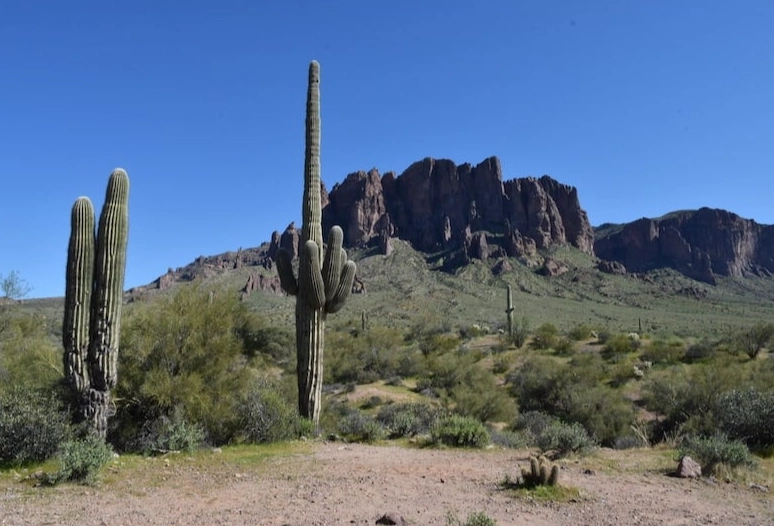
How to Hike Safely in the Superstition Mountains?
Desert hiking is a different beast. Your number one enemy is the sun. Your number two enemy is yourself—overconfidence.
The Non-Negotiable Rules
Water: Carry at least one gallon (4 liters) per person, per day for a moderate hike. For the Flatiron in warm weather, I carry 5-6 liters. A single 16-oz plastic bottle is a recipe for disaster.
Timing: Hike early. Be on the trail at sunrise, especially from May to September. Plan to be finished before 11 AM in the hot months.
Navigation: Trails are rocky and can be faint. A printed map from the ranger station or a reliable GPS app with offline maps (like Gaia GPS or AllTrails) is essential. Don't rely on phone service.
Tell Someone: Always file a trip plan. Tell a friend where you're parking, what trail you're taking, and when you'll be back.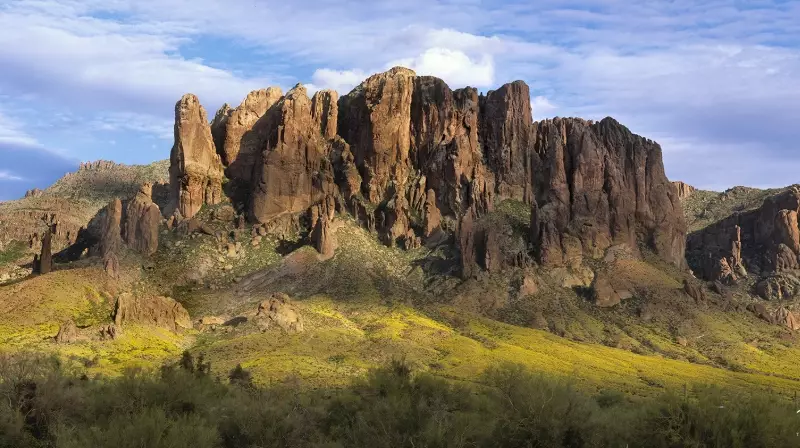
The Gear Most People Forget
Electrolytes (powder or tablets), a wide-brimmed hat, sunglasses, and high-SPF sunscreen. Your shoes need aggressive tread—the gravel is like walking on ball bearings. And a headlamp, even for a day hike. If you twist an ankle, your 4-mile hike might end after dark.
Planning Your Superstition Mountains Trip: The Logistics
You're not just hiking; you're visiting a region. A little planning makes it smooth.
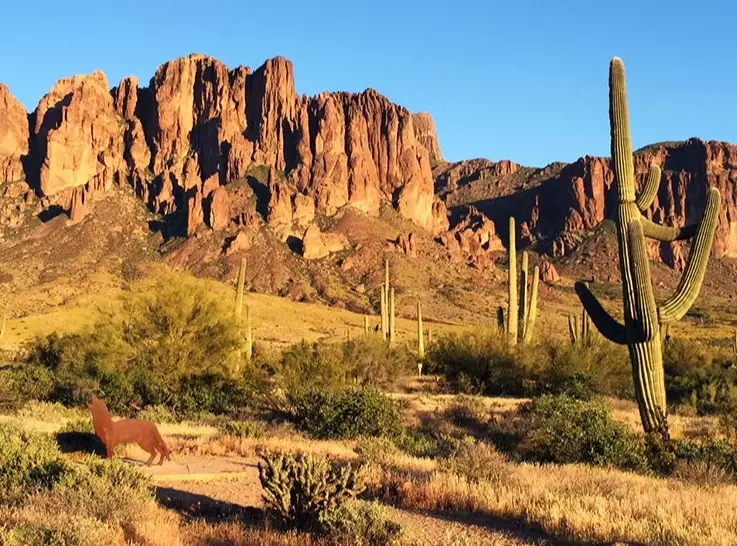
When to Go: Prime season is October through April. Spring (Feb-Apr) brings wildflowers. Summer is for mad dogs and Englishmen—and even they should think twice. If you come in summer, stick to very short, shaded trails at dawn.
Getting There: Fly into Phoenix Sky Harbor (PHX). It's about a 45-60 minute drive east on US-60 to Apache Junction, the gateway town. You'll need a rental car.
Where to Stay: Apache Junction and nearby Gold Canyon have all the chain hotels and motels. For a more unique experience, look at vacation rentals in Gold Canyon or the resorts along the base of the mountains. Camping is available at Lost Dutchman State Park (sites can be reserved online) and at first-come, first-served sites in the Tonto National Forest.
Beyond Hiking: Drive the Apache Trail (Highway 88) to Tortilla Flat, a quirky little stagecoach stop, and onward to Canyon Lake for a scenic cruise. The drive is partially unpaved and stunning.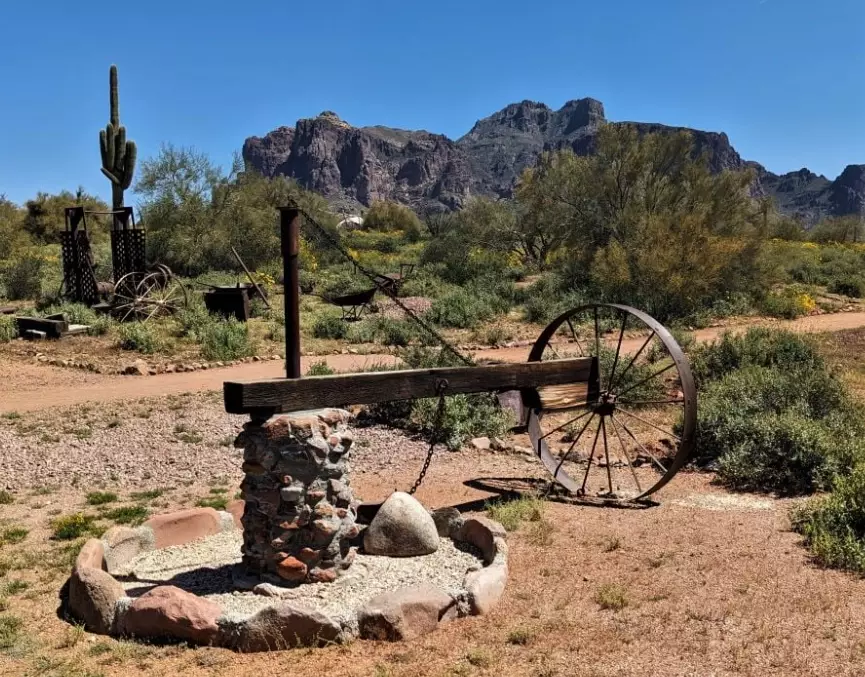
Your Questions, Answered (The Real Stuff)
 What is the best time to visit the Superstition Mountains?
The Superstition Mountains don't give up their secrets easily. They demand respect, preparation, and a good pair of boots. But if you come prepared, you'll get back more than you expect—a sense of scale, a connection to a wild landscape, and maybe a great story that doesn't involve digging for gold.
Reader Comments