You've seen the pictures. Those iconic, arm-raising saguaro cacti silhouetted against a fiery Arizona sunset. For most people, that image is the Sonoran Desert. And the best place to immerse yourself in that living postcard is Saguaro West, the Tucson Mountain District of Saguaro National Park. But here's the thing most blogs don't tell you: if you just drive in, snap a photo, and leave, you're missing 90% of the magic. This place isn't a static museum; it's a breathing, surprisingly complex ecosystem that changes with every hour and season. I've spent over a decade exploring these trails in every condition, and I still find new details—a blooming night-blooming cereus I'd never spotted, a new angle on the Valley View Overlook. This guide is about moving past the postcard and into the real, practical, and sometimes tricky experience of visiting Saguaro West.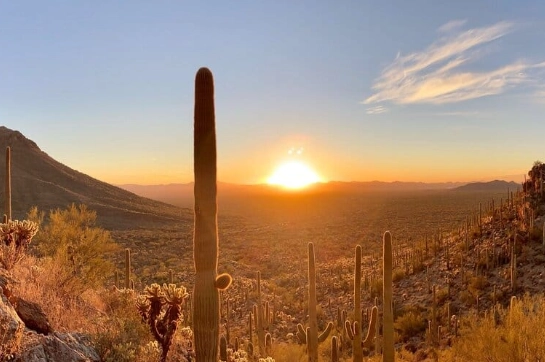
Your Quick Trail Map
Planning Your Visit: The Non-Negotiables
Let's get the logistics out of the way first. Saguaro West is located west of Tucson, Arizona. The mailing address is 2700 N Kinney Rd, Tucson, AZ 85743, but your GPS will get you there just fine.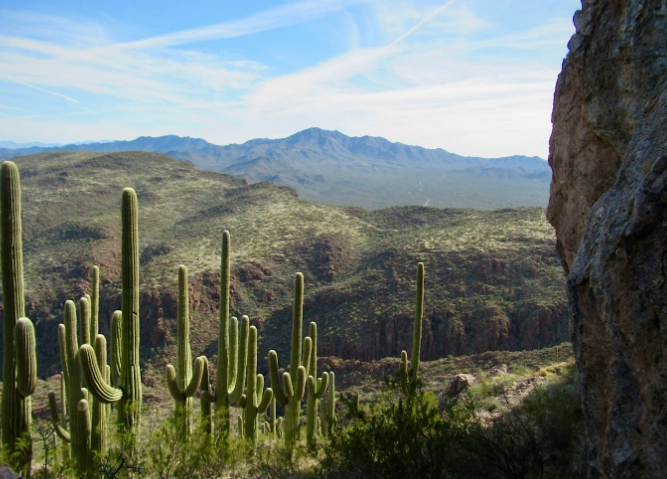
Hours & Fees: The park is open 24 hours a day, but the Red Hills Visitor Center typically operates from 9:00 AM to 5:00 PM. The scenic Bajada Loop Drive (a dirt road) has hours from sunrise to sunset. Entrance fees are $25 per private vehicle, valid for 7 days in both the East and West districts. If you plan to visit more National Parks in a year, the $80 America the Beautiful Pass is a no-brainer.
The biggest mistake I see? People showing up at noon in July. The desert is brutally honest about poor planning. The absolute best times to visit are late October through April. Mornings (sunrise to 10 AM) and late afternoons (3 PM to sunset) are golden, both for comfort and light. Summer visits (June-August) require a completely different, hydration-obsessed strategy and are only for the well-prepared.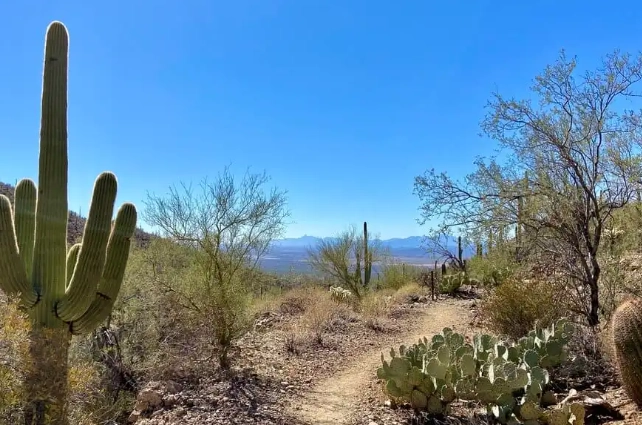
Hiking Trails for Every Stride
Driving the Bajada Loop is nice, but your feet on the dirt is where the connection happens. The trail network here is fantastic, but not all trails are created equal. Here’s a breakdown based on real experience, not just trail length.
| Trail Name | Distance (Round Trip) | Difficulty | Why It's Worth It | The Insider Note |
|---|---|---|---|---|
| Valley View Overlook Trail | 0.8 miles | Easy | Maximum payoff for minimum effort. The panoramic view of the saguaro forest sprawling across the valley is the iconic shot. | Go for sunset. The light turns the cactus spines to gold. It's crowded then, but for good reason. |
| Sendero Esperanza Trail | 4.6 miles | Moderate | Gets you into the heart of the dense saguaro forest without the steep climbs of other moderate trails. You feel surrounded. | This is my go-to for feeling immersed. It's less crowded than trails near the visitor center. Look for gila woodpecker holes in the saguaros. |
| King Canyon Trail to Wasson Peak | 7.2 miles | Strenuous | The highest point in the Tucson Mountains. 360-degree views of Tucson, the desert, and on clear days, distant mountain ranges. | Start at dawn. The ascent is exposed and gets hot. The feeling of accomplishment on the summit, with hawks circling below, is unmatched. |
| Signal Hill Petroglyph Trail | 0.3 miles | Easy | Short walk to ancient Hohokam petroglyphs (rock carvings). Adds a crucial cultural layer to the natural beauty. | Don't just look at the obvious boulder. Explore the smaller rocks around it—more carvings are hidden. And please, don't touch. |
A note on "easy" trails: Even the 0.8-mile Valley View has rocky, uneven sections. Good, closed-toe shoes are not a suggestion; they're a requirement. I've seen more than one flip-flop casualty.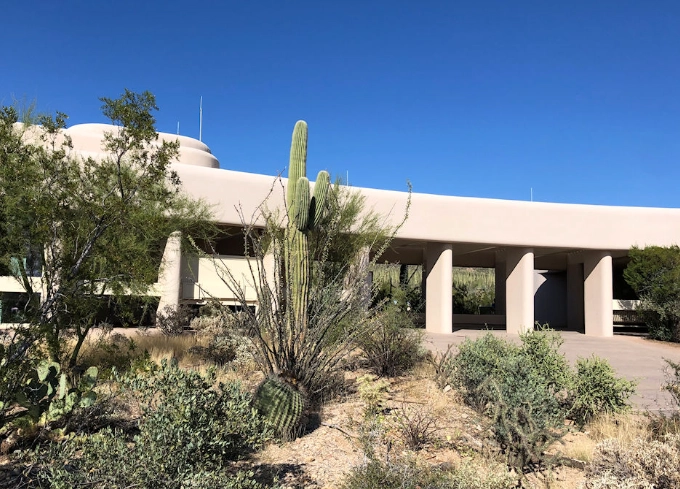
A Closer Look: Valley View Overlook Trail
This trail is so popular it deserves its own spotlight. It's a loop, and most people go right (clockwise). Try going left. You'll get the expansive view as a grand finale rather than an opening act, and you might avoid the bottleneck at the main overlook if it's busy. The benches partway up are perfect for just sitting and listening—the desert is quiet, but not silent. You'll hear the buzz of insects, the call of a cactus wren, the wind through a thousand spines.
Beyond the Hike: Other Ways to Experience Saguaro West
Hiking is the main event, but not the only one.
Bajada Loop Drive: This 6-mile graded dirt road is passable by most standard cars in dry conditions. It offers access to several trailheads and picnic areas. Drive it slowly. Use the pullouts. This is a scenic drive, not a commute.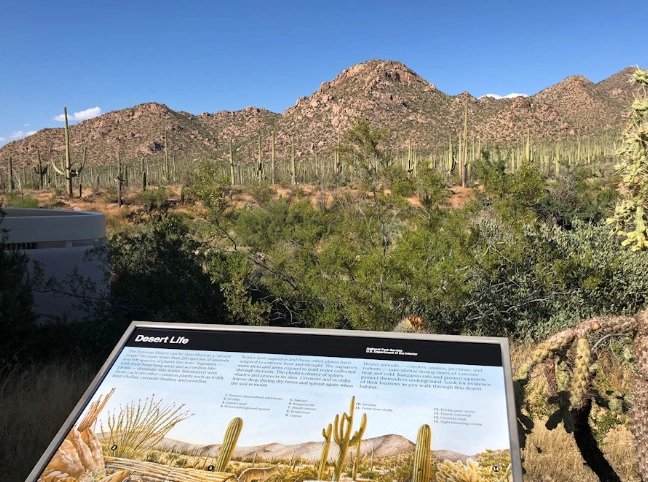
Red Hills Visitor Center: It's small, but don't skip it. The rangers are fonts of knowledge. Ask them what's blooming or where wildlife was recently spotted. Their tips can define your day. The bookstore has excellent regional natural history guides.
Stargazing: With minimal light pollution, the night sky here is staggering. The park occasionally hosts night sky programs (check the National Park Service website for events). Even without a program, just pulling into a picnic area after dark reveals a Milky Way you might never have seen.
Photography & Timing Secrets They Don't Tell Beginners
The classic saguaro silhouette shot is classic for a reason. But everyone gets that. For something different, focus on the details in the soft, raking light of early morning or late afternoon: the intricate patterns of a cholla cactus skeleton, the vibrant red of a barrel flower, the texture of a thousand-year-old rock. The "golden hour" before sunset is prime time, but the hour after sunrise is often more magical and completely empty of people.
Most photographers chase the wide-angle landscape. Try a telephoto lens (or your phone's zoom) to compress the layers of cacti, creating a dense, tangled forest effect. In spring, especially after a wet winter, the desert floor explodes with wildflowers. Follow park reports to time this right.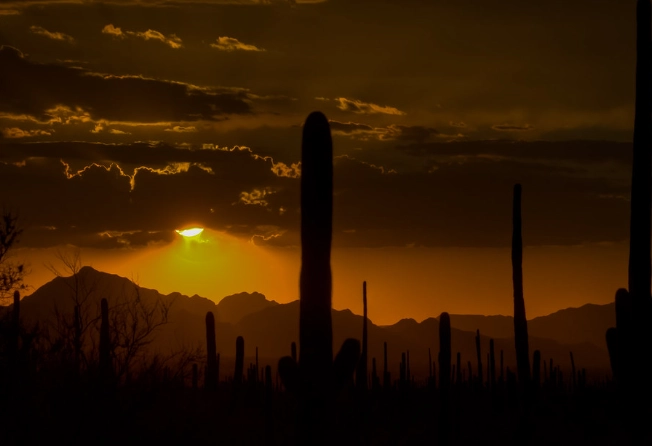
The Common Pitfalls (And How to Avoid Them)
I've guided enough friends here to see the patterns.
Underestimating the Sun and Dryness: This is the big one. Carry more water than you think you need—a minimum of one liter per hour of hiking. Wear a wide-brimmed hat, sunglasses, and slather on the sunscreen. There is often no shade.
Overestimating Footwear: Sandals are a terrible idea. The terrain is rocky, and there are spines and thorns everywhere. Sturdy hiking shoes or boots protect your feet and ankles.
Missing the Cultural Context: It's not just a pretty landscape. This land has been home to the Tohono O'odham people for millennia. The saguaro cactus is sacred, providing food, water, and shelter. Visiting the Signal Hill petroglyphs is a small way to acknowledge this deep history.
Rushing: The desert reveals itself slowly. Sit on a rock for ten minutes. You'll start to see the lizard you didn't notice, hear the bird, see the pattern in the chaos.
Your Saguaro West Questions, Answered
Walking among the saguaros isn't just a hike; it's a lesson in patience, resilience, and quiet beauty. It's understanding that this harsh landscape is full of life, just on its own terms. Do your homework with the practical stuff—the water, the shoes, the timing. Then let all that go, step onto the trail, and just be there. The desert will do the rest.
Reader Comments