Let's get straight to it: Santa Elena Canyon is the poster child of Big Bend National Park for a reason. Those 1,500-foot vertical cliffs of limestone, split by the Rio Grande, create a landscape that feels more like a movie set than real life. But here's the thing nobody tells you right away – visiting it isn't just about showing up and snapping a photo from the overlook. To really experience it, you need to hike into its mouth. And that requires a bit of know-how most generic travel guides skip.
I've lost count of how many times I've made the drive down Ross Maxwell Scenic Drive. Each visit teaches me something new – like the exact time of day the light turns the canyon walls to gold, or which shoe choice will save you from cursing in the deep sand. This guide is that accumulated knowledge, boiled down into everything you need to plan a perfect visit.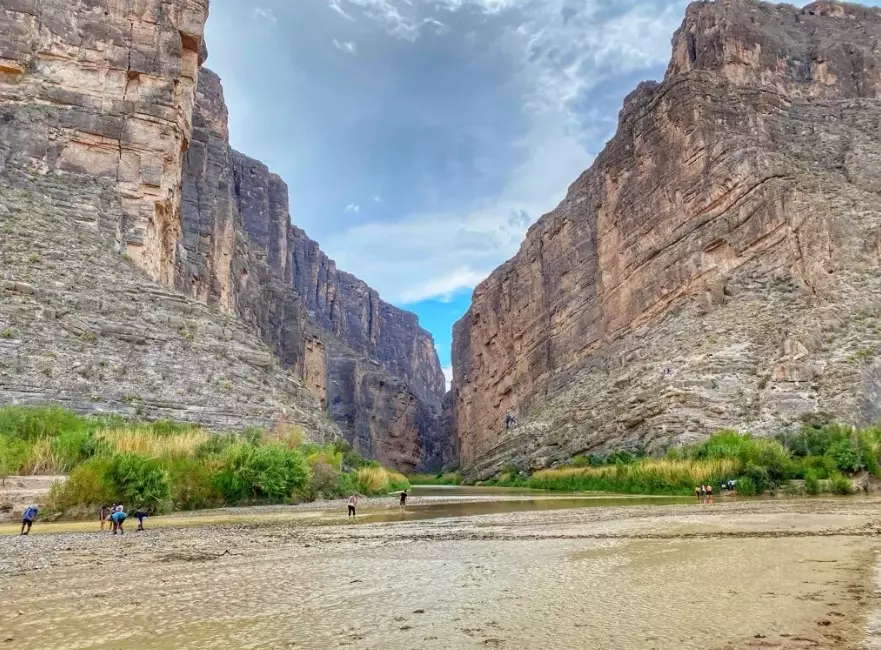
What's Inside This Guide
Why Santa Elena Canyon is a Must-See in Big Bend
You'll see photos. They don't do it justice. The scale is what hits you first. The United States on one side, Mexico on the other, separated by a river that seems too small to have carved such a monstrosity. It's a textbook example of geologic force, but it feels deeply spiritual. The silence inside the canyon, broken only by the river and wind, is profound.
Compared to other Big Bend canyons, Santa Elena is the most accessible and visually dramatic for a day hike. Boquillas is beautiful but less about towering walls. Mariscal is more remote. Santa Elena gives you the full, awe-inspiring package with a trail that gets you right into the thick of it.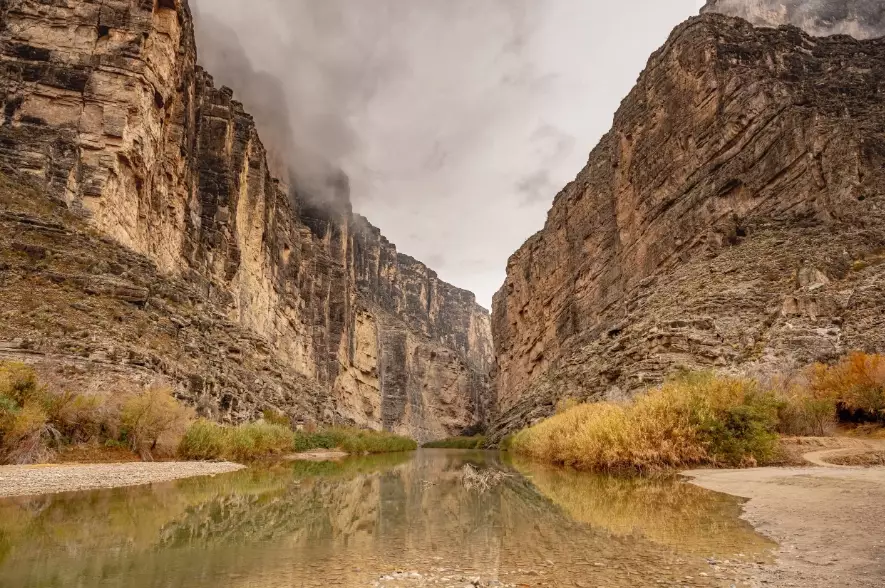
How to Get to Santa Elena Canyon: Location & Directions
Santa Elena Canyon is located in the western part of Big Bend National Park, Texas. The trailhead is at the end of the Ross Maxwell Scenic Drive, a spectacular 30-mile road that is an attraction in itself.
- Nearest Airport: Midland/Odessa (MAF) is about 3 hours away. El Paso (ELP) is about 4.5 hours away. Most people drive to the park.
- From Panther Junction Visitor Center: Drive west on the main park road for about 5 miles, then turn right onto Ross Maxwell Scenic Drive. Follow it for approximately 30 miles to its end at the canyon. The drive takes 45-60 minutes without stops (but you should stop).
- The Final Stretch: The road ends in a large parking lot. You'll see the restrooms and the obvious path leading towards the towering cliffs.
Planning Your Visit: Hours, Fees & Best Time to Go
Address & Hours: Big Bend National Park is open 24/7, year-round. The Santa Elena Canyon area is always accessible, but hiking in the dark is not recommended. The trailhead parking lot can fill up by late morning during peak season.
Fees: You need a park entrance pass, valid for 7 days.
- Vehicle pass: $30.
- Motorcycle pass: $25.
- Individual (hiker/biker): $15 per person.
- Consider the America the Beautiful Annual Pass ($80) if you visit multiple national parks.
Best Time of Year:
Fall (October-November) and Spring (March-April) are ideal. Temperatures are mild, typically 60-80°F (15-27°C).
Winter (December-February) can be lovely but chilly, especially in the morning. It's the least crowded time.
Summer (May-September) is brutally hot. Hiking here after 9 AM can be dangerous due to heat exposure. If you must go in summer, start at sunrise, carry massive amounts of water, and know the signs of heat illness.
Best Time of Day: Start early. I mean, really early. An 8 AM start in spring feels crowded. Aim for 7 AM or earlier. You'll get parking, solitude on the trail, and softer light for photos. Late afternoon is also beautiful for light, but you'll have more company.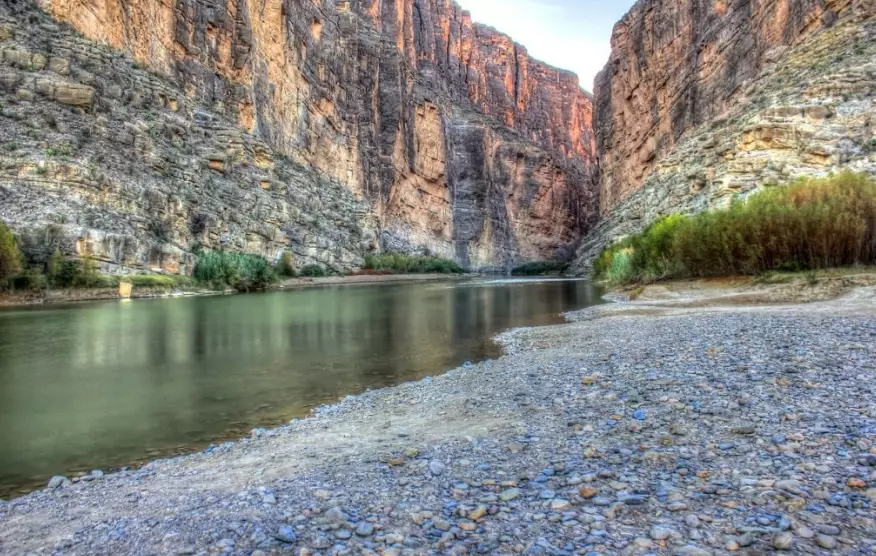
Hiking the Santa Elena Canyon Trail: What to Expect
The Santa Elena Canyon Trail is a 1.7-mile round trip out-and-back hike. The National Park Service rates it as moderate, and that's fair. It's not a flat walk in the park.
Trail Difficulty & Length
It's short but packs a punch. The elevation change is only about 80 feet, but the terrain is varied. Most people take 1.5 to 2.5 hours, depending on how long they linger inside the canyon.
The Terrain: River, Sand & Rock
The hike has three distinct phases:
- The Approach & River Crossing: From the parking lot, a sandy path leads down to Terlingua Creek, which feeds into the Rio Grande. This is the big variable. Most of the year, you can rock-hop across it or wade through shallow water (ankle to shin deep). After heavy rain, it can be a significant, knee-deep or higher crossing. Check at a visitor center for current conditions.
- The Sandy Climb: After crossing the creek, you climb a series of stone and concrete steps up the side of the canyon wall. Then it's a sandy, sometimes soft path along a ledge. This is the part that tires people out. Let me be honest – the sand can be exhausting.
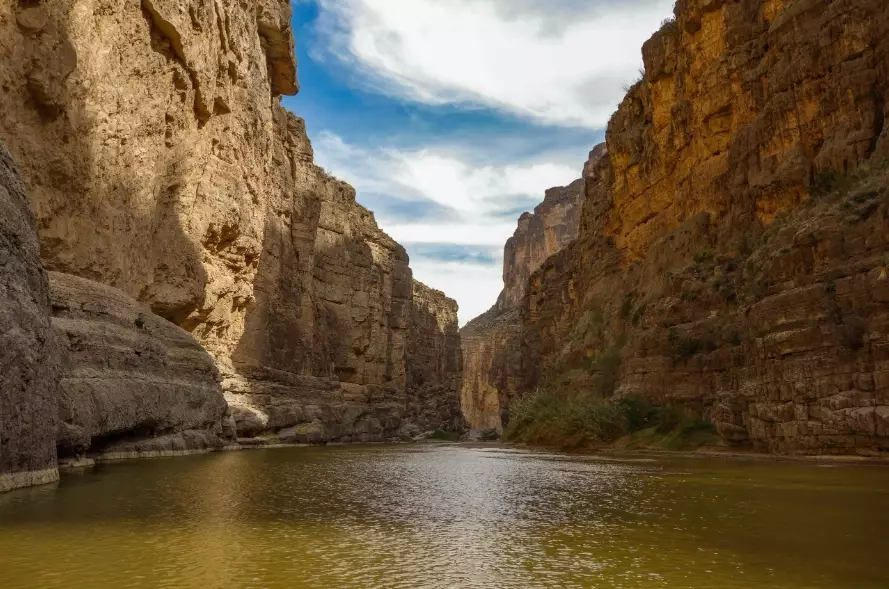
- The Canyon Floor: The path eventually descends back to the river's edge inside the canyon. Here, you're walking on rock, sand, and gravel right next to the Rio Grande. The trail officially ends when the canyon walls get too close to the water, but you can scramble a bit further on rocks.
Key Highlights Along the Trail
- The View from the Steps: After the initial climb, look back. The view of the canyon mouth framing the Chihuahuan Desert is iconic.
- The Sound: Inside the canyon, listen. The echo of bird calls, the rush of wind, the ripple of water – it's an acoustic experience.
- The Scale: Find a spot to just sit and look up. The sheer walls leaning in make you feel wonderfully small.
What to Pack for Santa Elena Canyon: The Essential Gear List
Forgetting something here isn't just inconvenient; it can cut your hike short or be unsafe. This isn't a city park stroll.
| Item | Why It's Essential | Notes & Pro Tips |
|---|---|---|
| Water | Dehydration is the #1 risk. No water sources on trail. | Carry at least 1 liter per person, 2+ liters in warm weather. A hydration bladder is easiest. |
| Sturdy Footwear | For sand, water, and rocky scrambling. | Hiking shoes or trail runners are best. Sandals are risky for the rocky parts. Have a spare pair of socks in the car. |
| Sun Protection | Intense desert sun, even in winter. | Wide-brim hat, sunglasses, and mineral-based sunscreen (it lasts longer). Reapply. |
| Snacks | Energy for the sandy sections. | Trail mix, energy bars, fruit. Eat before you're tired. |
| Trekking Poles | Optional but highly recommended. | A game-changer for stability in sand and during water crossings. Collapsible ones are perfect. |
| Dry Bag / Zip-locks | Protect electronics from water/sand. | For your phone, keys, wallet during the creek crossing. |
| Camera | You'll want photos. | A wide-angle lens (16-35mm) is ideal for capturing the scale. |
The one thing I see people forget? A small trash bag. Pack out everything you bring in. It keeps the place pristine for everyone.
Photography Tips for Santa Elena Canyon: Capturing the Grandeur
From my experience, most people make one big mistake: they only shoot the classic wide shot from the overlook near the start. That's great, but it's been done a million times.
Light is Everything: The best light is during the "golden hours" – the first hour after sunrise and the last hour before sunset. The low sun rakes across the canyon walls, creating texture and warm, golden hues. Midday light is harsh and flat.
Composition Ideas Beyond the Obvious:
- Look for Details: The patterns in the limestone, a single cactus clinging to a cliff, the swirls in the river mud.
- Use the River: Get low and use the Rio Grande as a leading line into the heart of the canyon.
- Include People for Scale: A tiny silhouette of a hiker against the massive wall tells the story of scale better than an empty shot.
Gear Advice: A tripod is useful for low-light shots inside the canyon. A polarizing filter can help cut glare off the water and make the sky pop. But honestly, your smartphone can take amazing photos here if you focus on composition and light.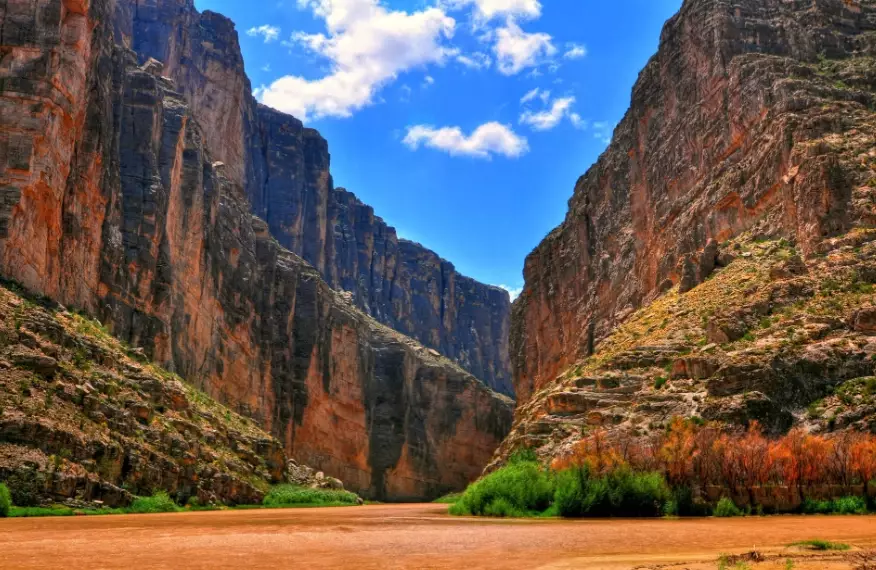
Beyond the Trail: Other Things to Do Near Santa Elena Canyon
You're in the heart of the park's best scenery. Don't just hike and leave.
- Ross Maxwell Scenic Drive Stops: Hike the short Lower Burro Mesa Pouroff trail, see the Tuff Canyon overlook, and stop at the Mule Ears Viewpoint.
- Castolon Historic District: Just a few miles before the canyon, this old army camp and trading post has a small store (seasonal) and interesting history plaques.
- Stargazing: This area has minimal light pollution. Stay past sunset (safely in the parking lot) for an incredible star show. Big Bend is a Gold-Tier International Dark Sky Park.
Santa Elena Canyon FAQs: Your Questions Answered
Is the Santa Elena Canyon hike safe for young children?
The hike can be safe for older, sure-footed children who are closely supervised, particularly on the rocky sections near the end. However, the combination of deep sand, potential river crossings (water depth varies), and scrambling over rocks makes it challenging for toddlers or young kids. I'd recommend it for children aged 8 and up who have some hiking experience. Always hold their hand near the water and on the rockier parts.
Can I swim in the Rio Grande at Santa Elena Canyon?
Officially, the National Park Service advises against swimming in the Rio Grande due to unpredictable currents, submerged debris, and variable water quality. Wading is common and generally safe when the water is shallow (often knee-deep), but full immersion swimming is not recommended. The river's flow is controlled by upstream releases, so conditions can change rapidly.
Do I need a guide for Santa Elena Canyon?
No, a guide is not necessary for the standard Santa Elena Canyon Trail. The path is well-defined and popular. A guide becomes valuable if you're planning more advanced adventures, like a canoe trip through the entire canyon (which requires permits and significant skill) or seeking deep geological or ecological interpretation. For the day hike, a good guidebook or this article provides all the essential info you need.
Are there restrooms at the Santa Elena Canyon trailhead?
Yes, there are vault toilets (pit toilets) available at the trailhead parking lot. They are basic but functional. This is the last guaranteed restroom stop before you start the hike, so it's a good idea to use them. There are no facilities along the trail itself.
Santa Elena Canyon isn't just a checkmark on a Big Bend itinerary. It's a place that demands a little effort and rewards you with a sense of awe that's hard to find anywhere else. Plan well, pack smart, start early, and take your time inside those towering walls. The memory of that quiet grandeur is what you'll take home long after the hike is over.
Reader Comments