You see a photo of a five-story building tucked into a limestone cliff in Arizona. It looks impossible, like something from a fantasy movie. That's your first glimpse of Montezuma Castle National Monument. It's not a castle, and it has nothing to do with the Aztec emperor Montezuma. The name is a 19th-century misnomer that stuck. What it really is, is one of the best-preserved cliff dwellings in North America, built by the Sinagua people over 800 years ago. Standing there, looking up at it, you feel a mix of awe and a hundred practical questions. How did they build it? Can you go inside? What's the best time to visit? I've been multiple times, in different seasons, and I've seen the same confused looks on first-time visitors. This guide cuts through the clutter and gives you everything you need to plan a meaningful visit.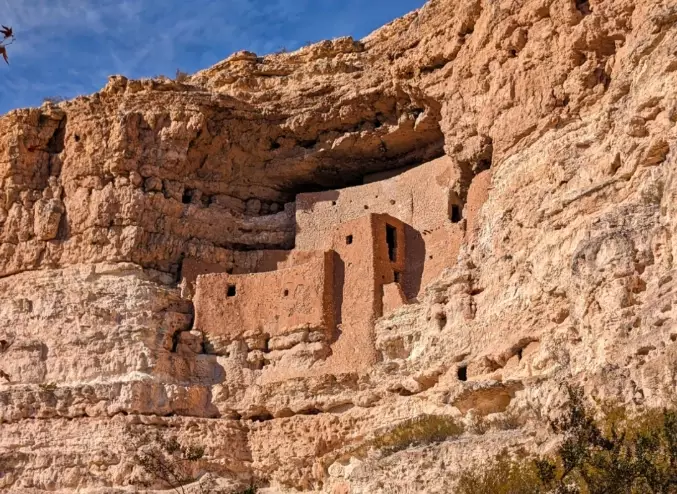
Your Quick Guide to Montezuma Castle National Monument
- What Exactly Is Montezuma Castle National Monument?
- Planning Your Visit: Tickets, Hours, and Location
- How do I get to Montezuma Castle National Monument?
- What is the best time to visit Montezuma Castle?
- What to See and Do at Montezuma Castle
- Beyond the Castle: Montezuma Well
- Montezuma Castle National Monument Photography Tips
- Respecting and Preserving the Site
What Exactly Is Montezuma Castle National Monument?
Let's clear this up first. This isn't a single site. Montezuma Castle National Monument protects two main units: the Castle itself and Montezuma Well, about 11 miles apart. The star attraction is the 20-room cliff dwelling built into a recess 100 feet up a cliff face. The Sinagua, a pre-Columbian culture, started building it around 1100 AD and occupied it for over 300 years. They were farmers, traders, and incredible engineers. The "castle" was likely home to about 35-50 people—more of an extended family apartment complex than a royal palace.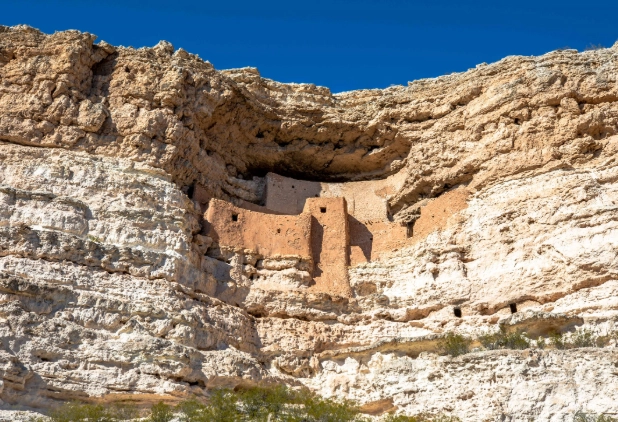
A common mistake visitors make is rushing to the cliff dwelling and missing the story. The real magic is in understanding *why* they built here. Look at the landscape. Beaver Creek runs right below. It was about security, sure, but also about climate control (the cliff provides natural insulation) and proximity to water and fertile land. The National Park Service does a decent job explaining this, but you have to read the plaques. The visitor center exhibits are a bit dated, but the diorama showing the interior is crucial for understanding what you can't see firsthand.
Planning Your Visit: Tickets, Hours, and Location
This is the straightforward, need-to-know info. Getting it right saves you a headache, especially in peak season when the small parking lot fills up.
The site is managed by the National Park Service (NPS), so standard NPS rules and passes apply.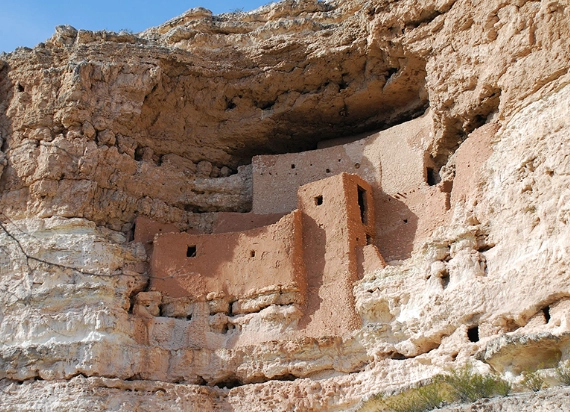
| Detail | Information |
|---|---|
| Entrance Fee | $10 per person (age 16+). This ticket is valid for 7 days and includes entry to Montezuma Well. The America the Beautiful Annual Pass gets you in for free. |
| Operating Hours | Open daily from 8:00 AM to 5:00 PM. Closed on Christmas Day. |
| Best Contact | Visitor Center: (928) 567-3322. Check the official NPS website for alerts about extreme heat or closures. |
| Time Needed | For just the Castle loop trail: 30-45 minutes. With the visitor center and a relaxed pace: 1 to 1.5 hours. Add 1+ hour if visiting Montezuma Well. |
Pro tip: Buy your ticket online in advance during spring break or holiday weekends. It doesn't guarantee parking, but it speeds up entry. The visitor center has clean restrooms and a small bookstore—use them before you hit the trail, especially with kids.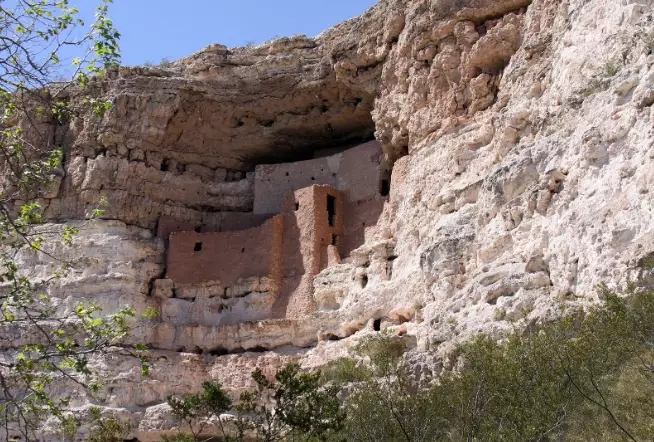
How do I get to Montezuma Castle National Monument?
It's all about the car. There's no public transportation that drops you at the gate.
- From Phoenix: Take I-17 North for about 90 minutes. It's roughly an 80-mile drive. Exit at 289, turn left, and you'll see the entrance in half a mile.
- From Flagstaff: Take I-17 South for about 45 minutes (50 miles). Exit at 289, turn right.
The parking lot is paved but not huge. RVs and large trailers have a designated area, but it can get tight. If the lot is full, rangers might implement a one-in, one-out system. My advice? Arrive right at 8 AM or after 3 PM. The light is better for photos at those times anyway.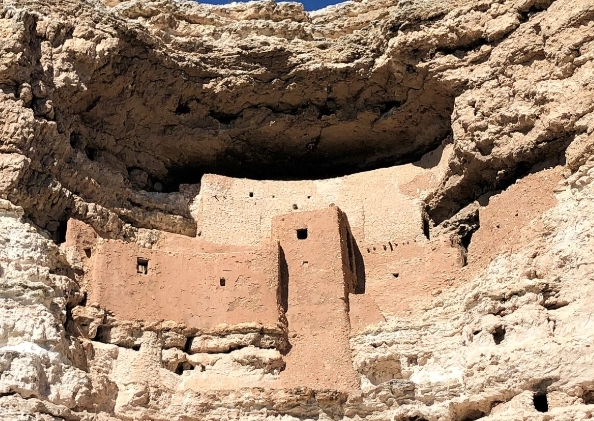
What is the best time to visit Montezuma Castle?
This is Arizona, so weather dictates everything.
Spring (March-May) and Fall (September-November) are ideal. Days are mild, crowds are manageable. Wildflowers can be nice in spring. This is the absolute best time.
Summer (June-August) is brutal. Temperatures regularly exceed 100°F (38°C). The trail is short and mostly shaded, but just walking from the car to the visitor center is punishing. If you must go in summer, be the first person there at 8 AM. Carry more water than you think you need.
Winter (December-February) can be surprisingly pleasant. Daytime temps are often in the 50s and 60s (10-20°C). It's the quietest season. You might even have the view to yourself for a few minutes. Just check for ice on the path on cold mornings.
What to See and Do at Montezuma Castle
The experience is more contemplative than action-packed. You're here to observe and learn.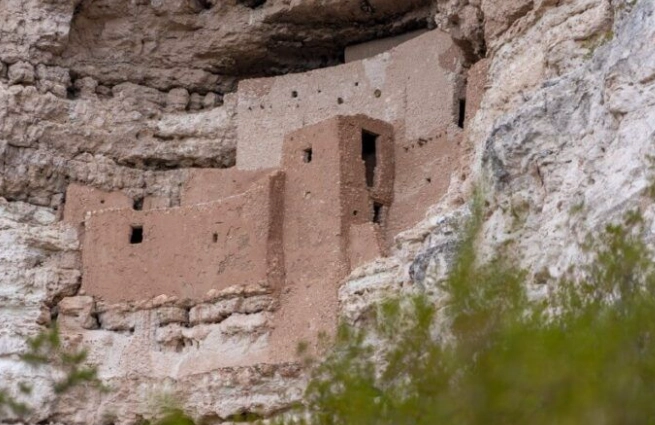
The Main Loop Trail
This is a flat, paved 0.3-mile loop that takes you from the visitor center to the base of the cliff dwelling and back. It's fully accessible. You'll get the iconic frontal view. Look for the smaller, partially collapsed dwelling to the left—it shows how the natural alcove was utilized. Rangers are often stationed along the trail for questions.
The Visitor Center & Museum
Don't skip it. The museum, while not flashy, has authentic artifacts—Sinagua pottery, stone tools, jewelry made from shells traded from the Gulf of California. It puts flesh on the bones of the stone structure outside. The park film is short and gives good context.
What You Won't See (And Why)
You cannot enter the cliff dwelling. Access was closed to the public in 1951 due to extensive damage from visitors. This disappoints some people, but it's the reason the structure is still here. Peer through the binoculars mounted on the trail—you can see construction details like the mud mortar and the roof beams (vigas) that are original, 800-year-old wood.
Beyond the Castle: Montezuma Well
If you have time, drive the 11 miles to Montezuma Well. It's included in your ticket. This is a completely different vibe—a natural limestone sinkhole filled with water that pumps out 1.5 million gallons a day. It's a lush, green oasis. A short trail leads down to the water's edge where you can see more small cliff dwellings built into the rim. The water is full of unique species found nowhere else on earth. It feels more intimate and biological than the grand architecture of the Castle.
Montezuma Castle National Monument Photography Tips
Everyone gets the same shot from the trail. To get something unique, you need a strategy.
- Lens: A standard zoom (24-70mm) is perfect. You'll want a telephoto (70-200mm) to pick out details in the dwelling from the trail.
- Light: Midday light is flat and harsh. The cliff face is in shadow in the early morning. The absolute best time is late afternoon, when the setting sun warms up the limestone with a golden glow. That's magic.
- Composition: Include the sycamore trees along Beaver Creek in your foreground to add scale and depth. Look for reflections in the creek on calm days.
- Detail Shots: Photograph the textures—the rough cliff, the smooth plaster patches still visible on some walls. Tell a story beyond the wide-angle postcard.
Respecting and Preserving the Site
This isn't a theme park. It's a sacred place to descendant communities and a fragile archaeological treasure. Stay on the paved trail. Don't throw coins into Beaver Creek (it's not a wishing well). Don't try to climb or touch the cliff face. The stability of the dwelling depends on the preservation of the entire ecosystem around it, down to the cryptobiotic soil crusts. Take pictures, leave footprints, and carry out any trash.
Frequently Asked Questions (Answered by a Local)
Can you go inside Montezuma Castle?
No, and that's a firm rule for preservation. Public access to the interior was permanently closed decades ago. The structure is incredibly fragile. The view from the trail is as close as you can get, and with the binoculars provided, you can see impressive details. Think of it like a museum artifact behind glass—you're there to appreciate it, not handle it.
How much time do I need at Montezuma Castle?
Most visitors spend 1 to 1.5 hours. That's enough for the museum, the loop trail, and the gift shop. If you're a fast walker and just want the photo, you can do it in 30 minutes. But if you're combining it with Montezuma Well, budget at least 2.5 to 3 hours for the whole experience, plus drive time between sites.
Is Montezuma Castle National Monument worth visiting?
It depends on what you're after. If you need adrenaline-pumping adventure, no. If you're interested in history, archaeology, or unique landscapes, absolutely. It's one of the most accessible and well-preserved examples of its kind. It's also a perfect, low-impact stop to break up a drive between Phoenix and Flagstaff. For families with young kids or travelers with mobility issues, it's a fantastic option because the trail is so easy.
Are there any hiking trails at Montezuma Castle?
There's only the paved 0.3-mile loop trail. It's a walk, not a hike. For a real hiking experience, you'll need to go to nearby parks like Red Rock State Park or Sedona. Montezuma Castle is about observation, not exertion.
What should I bring to Montezuma Castle?
Water. Sunscreen. A hat. Comfortable shoes. A camera. In summer, bring a cooling towel or mister. There's no food for sale, so bring snacks if you think you'll need them. Cell service can be spotty, so download or print your ticket and a map beforehand.
Reader Comments