What You’ll Find in This Guide
- Getting There: Location and Transportation
- When to Visit: Best Seasons and Weather
- Hiking Trails Explained
- Permits, Fees, and Regulations
- What to Pack: Essential Gear List
- Safety Considerations You Can’t Ignore
- Photography Tips for Stunning Shots
- Nearby Attractions to Extend Your Trip
- Frequently Asked Questions
I still remember my first glimpse of Waterholes Canyon. It was a blistering afternoon in late spring, and the sun beat down on the red rocks as I scrambled over boulders. The air smelled of dry earth and eucalyptus. Then, rounding a corner, I saw it—a series of crystal-clear pools nestled deep in the gorge, shimmering under the Australian sky. That moment hooked me. But let’s be real: without proper planning, a trip here can go sideways fast. I’ve seen folks show up in flip-flops or without enough water, only to turn back defeated. This guide is everything I wish I’d known before that first hike, packed with practical details to help you avoid the pitfalls.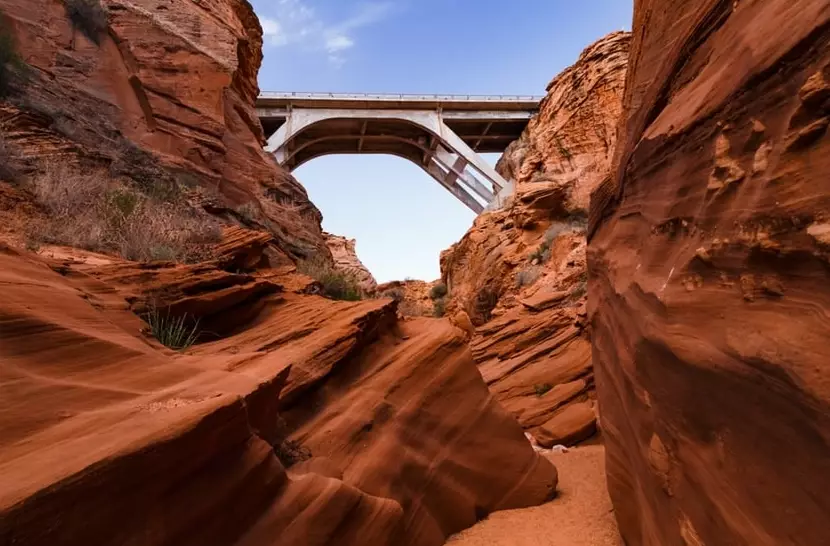
Waterholes Canyon isn’t just another hiking spot. It’s a hidden gem in New South Wales, about 150 kilometers northwest of Sydney, near the town of Mudgee. Think dramatic sandstone cliffs, seasonal waterfalls, and those iconic waterholes that give the canyon its name. But here’s the thing—it’s not a walk in the park. The terrain is rugged, the weather unpredictable, and access is controlled to protect the environment. Over the years, I’ve learned the hard way how to navigate it all. So, whether you’re a seasoned hiker or a curious beginner, stick around. I’ll break down exactly what you need for a successful visit.
Getting There: Location and Transportation
First off, let’s talk logistics. Waterholes Canyon is located in the Goulburn River National Park, New South Wales, Australia. The exact address isn’t a street number—it’s more about coordinates. Most people use GPS points: approximately 32°30′S, 149°45′E. But don’t worry, you won’t need to plug that in blindly.
The main access point is via the Waterholes Canyon trailhead, which is signposted from the Golden Highway. If you’re driving from Sydney, it’s about a 2.5-hour trip. Take the M4 westward, merge onto the Great Western Highway, then follow signs to Mudgee. From Mudgee, it’s another 30 minutes on local roads. I’d recommend downloading offline maps because mobile reception drops out fast once you’re near the park. Last time I went, my GPS glitched, and I spent an extra hour on dirt roads—not fun.
Public transport options are limited. You can catch a train from Sydney to Mudgee, but from there, you’ll need a taxi or rental car. Some tour operators offer shuttle services, but they’re pricey. Honestly, driving is your best bet. Parking at the trailhead is free, but spaces fill up by 9 AM on weekends. Arrive early, or you might end up parking a kilometer away.
When to Visit: Best Seasons and Weather
Timing is everything here. Waterholes Canyon can be stunning or miserable depending on when you go. Let me give you the lowdown.
The best months are from March to May (autumn) and September to November (spring). During these periods, temperatures hover between 15°C and 25°C—perfect for hiking. The waterholes are often full from seasonal rains, and the wildflowers bloom in spring, adding pops of color. I once visited in April, and the weather was ideal: cool mornings, warm afternoons, and barely any crowds.
Avoid summer (December to February). Sure, the water might be inviting, but the heat is brutal. Temperatures regularly hit 40°C, and the sun exposure on the exposed trails is dangerous. I made the mistake of going in January once; within an hour, my water bottle felt like hot tea, and I had to cut the hike short. Also, summer brings more flies and mosquitoes, which can ruin the experience.
Winter (June to August) is cooler, with temps ranging from 5°C to 15°C. It’s less crowded, but the waterholes may be shallow or dry. If you don’t mind the chill, it’s a peaceful time to visit. Just pack layers—mornings can be frosty.
Check the Bureau of Meteorology website for up-to-date forecasts. Sudden storms can cause flash floods in the canyon, so always look at the weather a day before.
Hiking Trails Explained
Now, the fun part—the trails. Waterholes Canyon offers a few routes, each with its own character. Don’t expect paved paths; this is raw, natural terrain.
Main Trail to the Waterholes
This is the most popular route, about 6 kilometers round trip. It starts at the trailhead and winds down into the canyon. The first section is relatively flat, but soon you’ll encounter steep descents and rocky scrambles. It takes roughly 2-3 hours to complete, depending on your pace. The payoff? Those iconic waterholes where you can take a dip (if conditions allow). I’ve seen families with older kids manage this, but it’s not stroller-friendly. Wear sturdy shoes—I’ve witnessed too many people slipping in sandals.
Alternative Routes for Experienced Hikers
For the adventurous, there’s a longer loop that stretches 10 kilometers and includes cliff-top views. It’s unmarked in parts, so navigation skills are a must. I tried it with a group last year, and we got lost for an hour because a rockfall had obscured the path. Bring a physical map or a GPS device. This route adds another 2-3 hours and involves more elevation changes. Not for beginners, but the solitude is worth it if you’re prepared.
Here’s a quick comparison:
| Trail Name | Distance | Difficulty | Estimated Time | Highlights |
|---|---|---|---|---|
| Main Waterholes Trail | 6 km round trip | Moderate | 2-3 hours | Waterholes, easy access |
| Canyon Loop Trail | 10 km loop | Hard | 4-5 hours | Cliff views, solitude |
| Ridge Top Walk | 4 km one-way | Easy | 1-2 hours | Panoramic vistas, birdwatching |
The Ridge Top Walk is a shorter option if you’re short on time or want something less strenuous. It’s mostly flat and offers great photo ops of the canyon from above.
Permits, Fees, and Regulations
This is where many people slip up. Waterholes Canyon is within Goulburn River National Park, so you need a park entry permit. It’s not optional—rangers do checks, and fines can be hefty.
Permits cost $12 per vehicle per day for a standard car. You can buy them online via the NSW National Parks and Wildlife Service website or at the Mudgee Visitor Centre. I always book online to avoid queues. For overnight camping, there’s an additional fee of $10 per person per night, but camping is only allowed in designated areas (more on that later).
The park is open from sunrise to sunset daily. No overnight hiking without a camping permit. They’re strict about this to protect the fragile ecosystem. I’ve heard stories of campers being fined for setting up outside zones, so don’t risk it.
Other regulations: no dogs allowed (it’s a wildlife sanctuary), no littering (pack out everything), and no swimming if signs indicate pollution risks. During my last visit, a section was closed due to water quality issues—check the park’s alerts page before you go.
What to Pack: Essential Gear List
Packing right can make or break your trip. Here’s my go-to list, honed from years of trial and error.
- Footwear: Trail shoes or hiking boots with good grip. No exceptions—I’ve seen ankles twist on loose rocks.
- Water: At least 3 liters per person. In summer, carry more. Dehydration is a real danger.
- Food: High-energy snacks like nuts, bars, and fruit. There are no facilities in the canyon.
- Clothing: Lightweight, moisture-wicking layers. A hat and sunglasses for sun protection. In cooler months, add a fleece jacket.
- Navigation: A physical map or GPS device. Phone reception is spotty.
- First Aid Kit: Basics like bandages, antiseptic, and snake bite bandages (yes, snakes are present).
- Sun Protection: SPF 50+ sunscreen and lip balm. The Australian sun is harsh.
- Backpack: A comfortable daypack to carry it all.
If you’re camping, add a tent, sleeping bag, and cooking gear. But remember, fires are prohibited—use a portable stove.
Safety Considerations You Can’t Ignore
Safety isn’t just a checklist; it’s a mindset. Waterholes Canyon has its hazards, and being aware can prevent disasters.
First, wildlife. I’ve encountered snakes, spiders, and even kangaroos. Most are harmless if left alone, but keep your distance. Snake bites are rare, but know basic first aid. Stick to marked trails to avoid disturbing habitats.
Weather changes fast. One minute it’s sunny, the next a storm rolls in. Flash floods are a serious risk in the canyon—never enter if rain is forecast. I got caught in a sudden downpour once, and the water levels rose alarmingly quick. Check forecasts and heed warnings.
Hydration is critical. I can’t stress this enough. On a hot day, you’ll sweat out more than you think. Drink regularly, even if you don’t feel thirsty. Signs of heat exhaustion include dizziness and nausea; if that happens, find shade and rest.
Tell someone your plans. Let a friend know your route and expected return time. Mobile service is unreliable, so don’t rely on it for emergencies.
Photography Tips for Stunning Shots
If you’re like me, you’ll want to capture the beauty. Here are some insider tips for great photos.
The best light is during golden hour—early morning or late afternoon. The sun casts long shadows, highlighting the canyon’s textures. Midday light is harsh and flat, so avoid it for landscapes. I often arrive at dawn to set up shots of the waterholes with mist rising.
Key spots: the main waterhole for reflections, the cliff edges for panoramic views, and the narrow gorge sections for dramatic compositions. Use a polarizing filter to reduce glare on the water. For wildlife, a zoom lens helps; I’ve snapped great shots of birds like wedge-tailed eagles.
Don’t forget to put the camera down sometimes. Some moments are better experienced than photographed.
Nearby Attractions to Extend Your Trip
Waterholes Canyon is just the start. If you have time, explore these nearby gems.
- Mudgee Wine Region: About 40 minutes drive. Perfect for post-hike relaxation. Wineries like Lowe Family Wine Co. offer tastings. I love their Shiraz.
- Goulburn River National Park: More hiking trails and camping spots. The river itself is great for kayaking.
- Historic Town of Gulgong: A step back in time with preserved 19th-century buildings. Worth a quick visit.
Plan a weekend trip—hike the canyon one day, wine taste the next. It balances adventure with relaxation.
Frequently Asked Questions
 That wraps it up. Waterholes Canyon is a place that stays with you—the silence of the gorge, the cool dip in a waterhole, the challenge of the trail. But respect it. Plan ahead, pack smart, and leave no trace. I’ve shared my hard-earned lessons so you can focus on the adventure. Now, go out and explore. Just watch out for those snakes.
Reader Comments