I still remember my first time driving into the Great Salt Lake Desert. The horizon stretched endlessly, a blinding white sheet under the Utah sun. It felt like landing on another planet. But here's the thing most guides don't tell you: this place isn't just about the salt. It's a fragile ecosystem with hidden dangers and surreal beauty. If you're planning a trip, you need to know more than the basics. Let's dive into what makes this desert unique and how to explore it without the rookie mistakes I made years ago.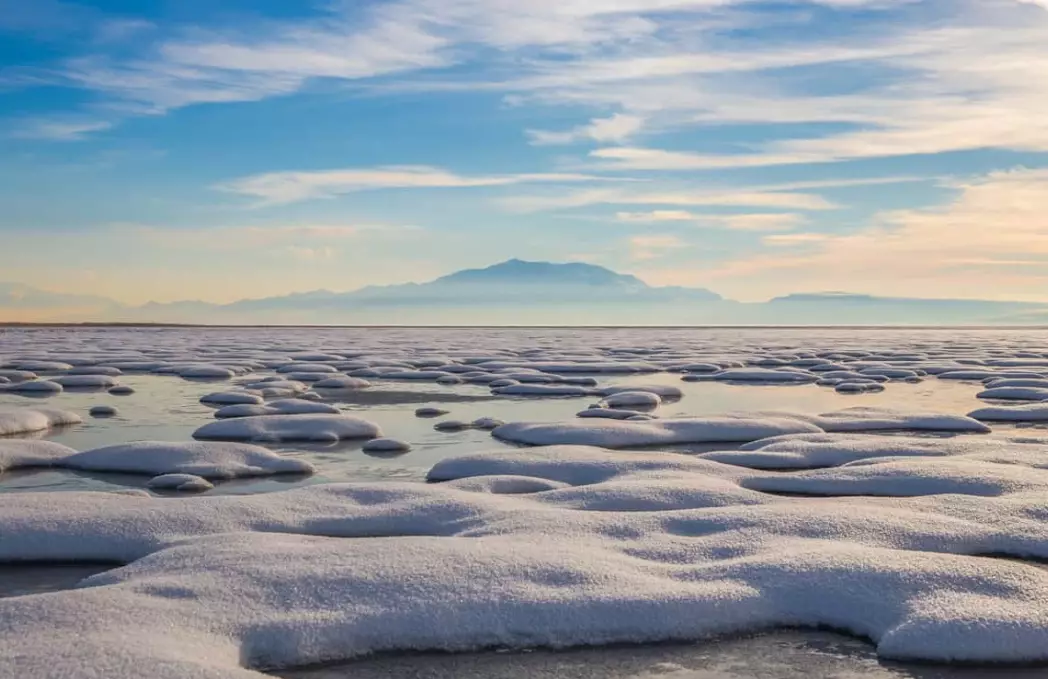
Jump to What Matters
What is the Great Salt Lake Desert Really?
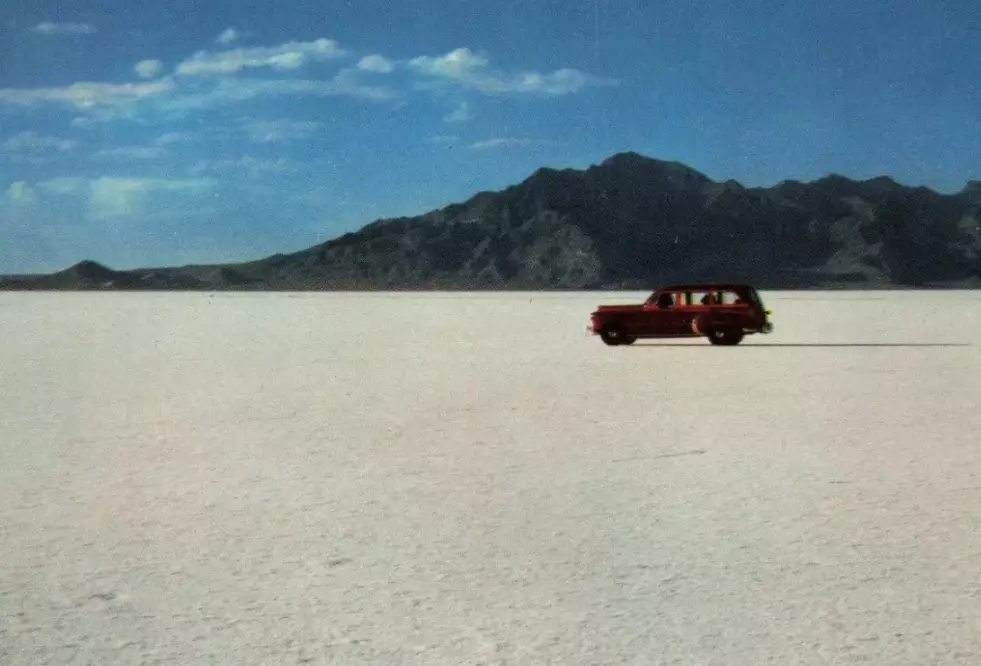
The Great Salt Lake Desert covers over 4,000 square miles in northwestern Utah. It's part of the larger Great Basin Desert, and its crown jewel is the Bonneville Salt Flats. Geologically, it's a remnant of ancient Lake Bonneville that dried up thousands of years ago, leaving behind a thick crust of salt. The area is managed by the Bureau of Land Management (BLM), so it's public land—free to access, but with responsibilities.
Location-wise, it's about 120 miles west of Salt Lake City, near the town of Wendover on the Utah-Nevada border. Getting there is straightforward: take I-80 west from Salt Lake City for about two hours. Exit at Bonneville Speedway or use the rest areas along the highway for access points. There's no physical address like a city park; it's just open desert. That's part of the charm, but also the challenge.
Quick Fact: The salt flats are famously flat—the elevation variation is less than a foot over miles. This makes it a hotspot for land speed racing, but also a tricky place to navigate if you're not prepared.
Geology and History in a Nutshell
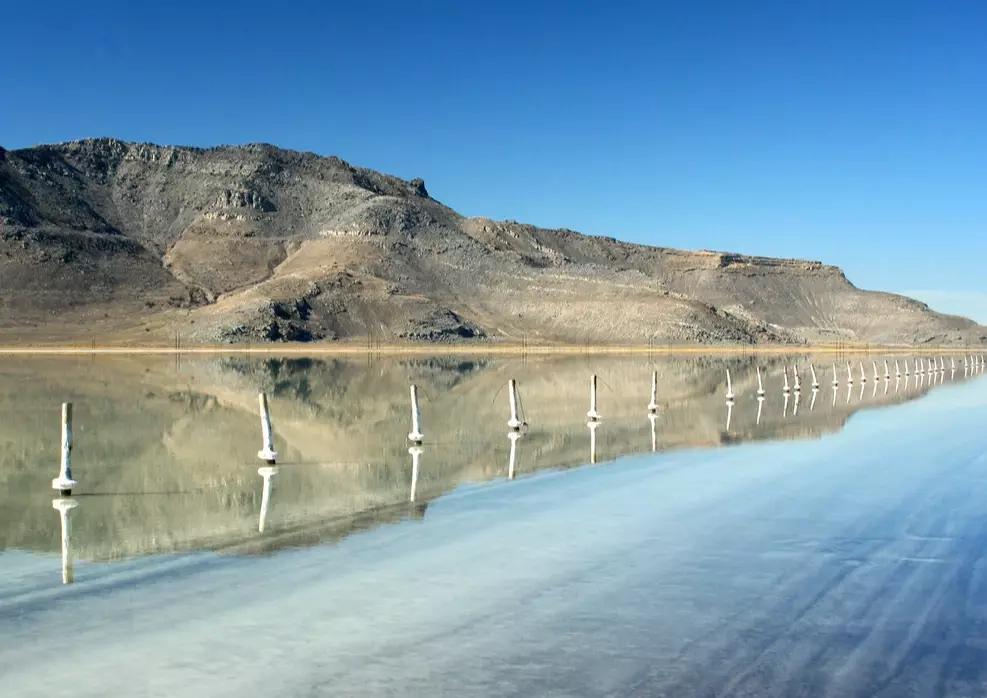
The salt crust is mostly sodium chloride, up to five feet thick in places. When dry, it's hard as concrete. After rain, it turns into a shallow lake that mirrors the sky—a photographer's dream. Historically, it was a barrier for pioneers on the Hastings Cutoff, and today, it's a protected area for scientific study. The U.S. Geological Survey has done extensive research on its hydrology, which shows the salt is thinning due to groundwater extraction. That's a non-consensus point: many tourists think it's eternal, but it's actually shrinking, so visit responsibly.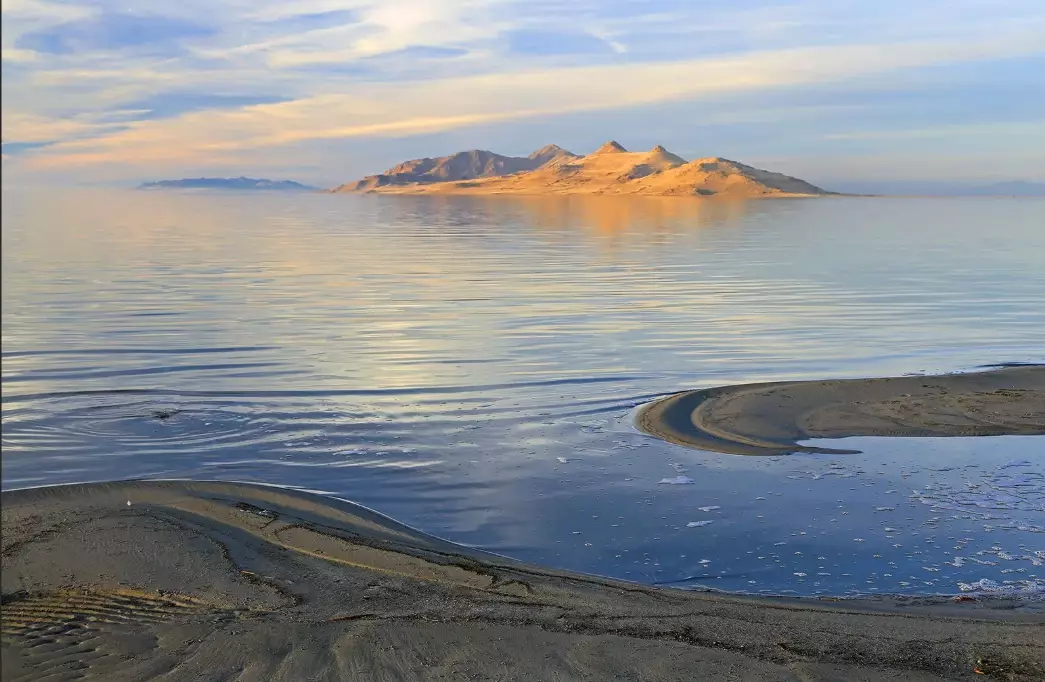
Planning Your Visit to the Bonneville Salt Flats
Let's get practical. Visiting the salt flats isn't like going to a national park with gates and rangers. It's raw, open desert. Here's a step-by-step guide based on my multiple trips.
Getting There: Directions and Transportation
From Salt Lake City, drive west on I-80 for roughly 110 miles. Take exit 4 for Bonneville Speedway or exit 2 for the rest area. The flats are visible from the highway—just park safely off the road. If you're coming from Nevada, it's east on I-80 from Wendover. Public transportation is non-existent, so you need a car. A high-clearance vehicle isn't necessary for the main areas, but avoid low-slung sports cars. I once saw a sedan bottom out on a salt ridge; it wasn't pretty.
Entrance Fees, Hours, and Permits
No entrance fees. No permits for general visitation. It's open 24/7, year-round. However, during events like Speed Week in August, parts may be restricted. Check the BLM website for updates. For commercial activities, contact the BLM Salt Lake Field Office. Honestly, the lack of fees is a blessing, but it means you're on your own for safety.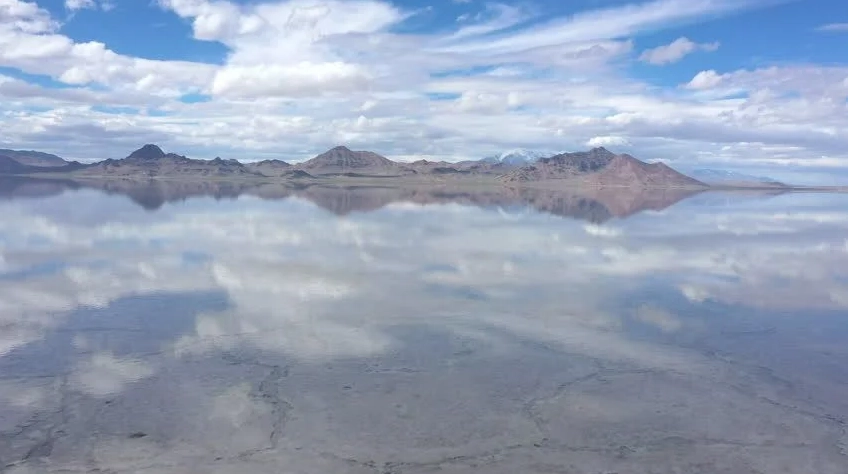
Best Times to Visit
Timing is everything. Most people flock in summer, but that's when temperatures soar above 100°F (38°C). My favorite times are spring (April-May) and fall (September-October). The weather is mild, and the salt is often dry and firm. Winter can be cold but offers stark, beautiful landscapes. Avoid rainy periods—the flats become impassable. Here's a quick comparison:
| Season | Pros | Cons | Recommendation |
|---|---|---|---|
| Spring | Mild temps, good for photography | Unpredictable rain | Best for first-timers |
| Summer | Dry salt, event season | Extreme heat, crowds | Go early morning or late evening |
| Fall | Cool weather, clear skies | Shorter days | Ideal for hiking |
| Winter | Solitude, unique frost patterns | Freezing nights, access issues | For experienced adventurers |
Top Attractions and Activities You Can't Miss
Beyond just staring at the salt, there's plenty to do. But don't expect developed trails or signs—it's about exploration.
Speed Week and Other Events
If you're into cars, Speed Week in August is legendary. Organized by the Southern California Timing Association, it's where racers break land speed records. Spectating is free, but get there early. Other events include motorcycle races and photography workshops. Check event calendars from the Bonneville Speedway website. I find the atmosphere electric, but the crowds can be overwhelming. A pro tip: camp nearby at the Bonneville Salt Flats International Raceway for the full experience.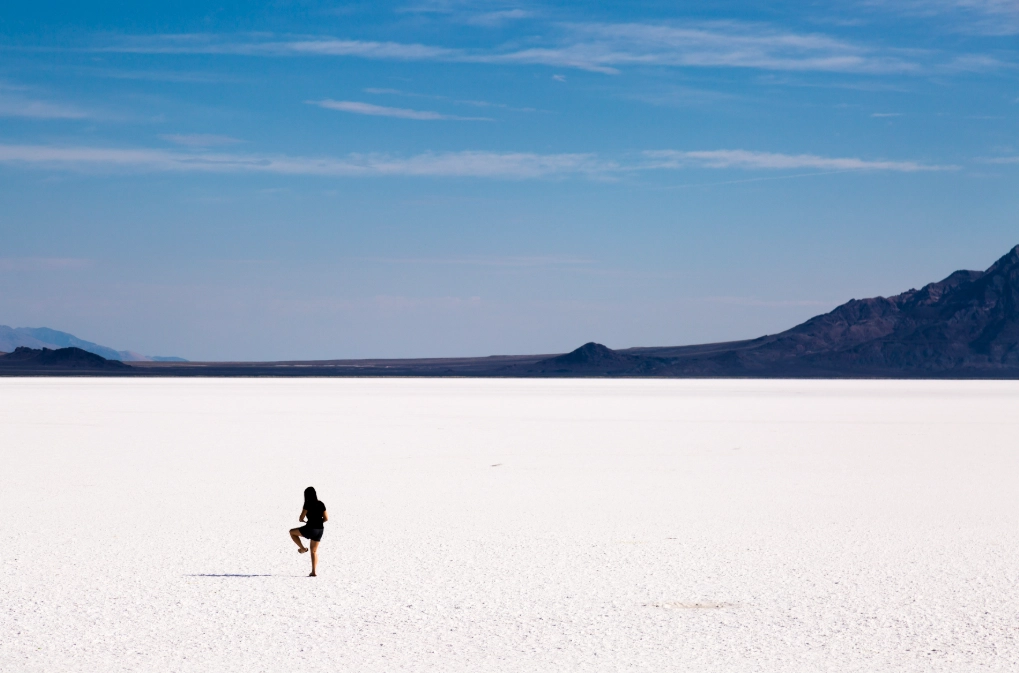
Photography and Stargazing Hotspots
The salt flats are a photographer's paradise. For reflections, go after a light rain—the surface turns into a perfect mirror. Sunrise and sunset offer golden hues. At night, the lack of light pollution makes for incredible stargazing. Bring a tripod and shoot the Milky Way. Avoid the highway lights; hike a bit into the desert for darker skies. I've captured some of my best astrophotography shots here, but the salt can damage camera gear—clean it thoroughly afterward.
Hiking and Exploration Zones
Hiking is allowed, but there are no marked trails. Stick to the salt crust to avoid damaging vegetation. The Silver Island Mountains to the north offer short hikes with panoramic views. Remember, the desert is fragile. Leave no trace—pack out all trash. I've seen too many tire tracks and litter; it ruins the pristine feel.
Essential Travel Tips from a Local Explorer
After a decade of visiting, I've learned the hard way. Here's my distilled advice.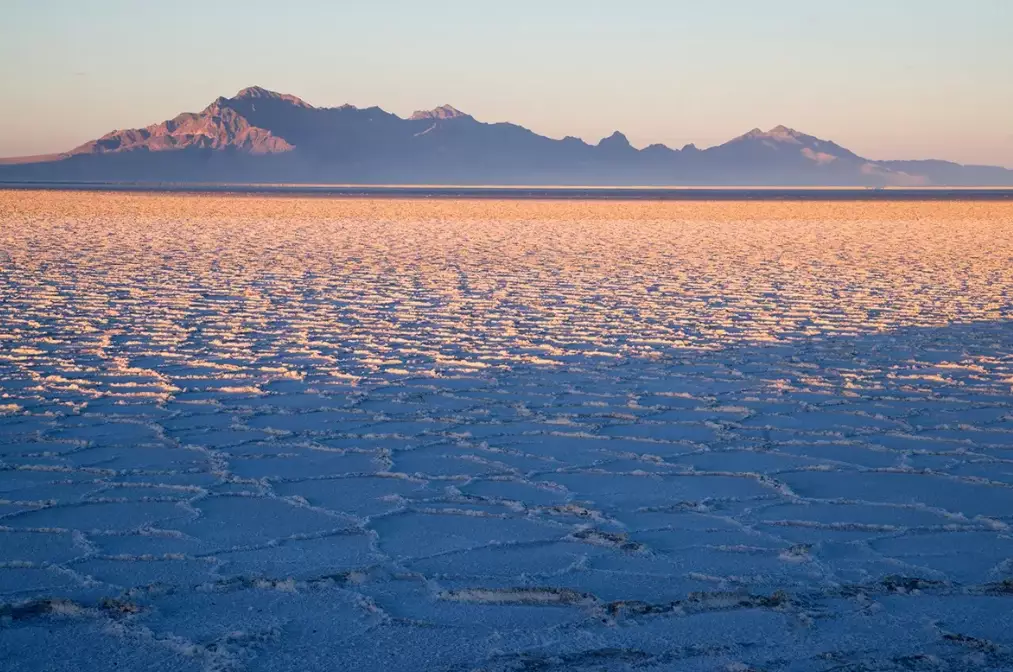
What to Pack: The Desert Survival Kit
Don't skimp on supplies. Water is critical—bring at least one gallon per person per day, plus extra. Sun protection: wide-brimmed hat, sunglasses, and SPF 50+ sunscreen. Wear sturdy shoes; the salt can be sharp. A basic first-aid kit, flashlight, and fully charged phone (service is spotty). For your car, carry a shovel, tow rope, and extra fuel. I once ran low on gas near Wendover and had to hitch a ride—not fun.
Common Mistakes to Avoid
People underestimate the desert. Driving too fast on the salt can cause cracks or getting stuck. Never venture off alone without telling someone. Ignoring weather changes—sudden storms can flood the flats in minutes. And please, don't take salt as a souvenir; it's protected. I've seen tourists fill bags, which harms the ecosystem.
Safety Precautions You Might Overlook
Heatstroke is a real risk. Drink water even if you're not thirsty. Watch for signs of dehydration: dizziness, fatigue. If driving on the flats, test the surface by walking first. The BLM recommends checking conditions via their hotline. Also, wildlife like rattlesnakes exists—stay alert. I've had a close encounter; it's rare but possible.
FAQ: Your Burning Questions Answered
 How do I prepare for extreme temperatures in the Great Salt Lake Desert?
 The Great Salt Lake Desert isn't just a stop on a road trip; it's an experience that demands respect and preparation. Whether you're chasing speed records or quiet moments under vast skies, this Utah gem offers something raw and real. Plan ahead, pack smart, and you'll walk away with stories—and maybe a few lessons—like I did. Now, go explore, but tread lightly.
Reader Comments