Quick Guide
Let's cut to the chase. You typed "What is the best month to go to Sequoia National Park?" into Google because you're planning a trip and you want a straight answer, not a bunch of generic travel advice. I get it. I've been there, scrolling through articles that all seem to say the same thing: "Summer is great!" Well, yeah, but it's also packed. Is it really the *best*?
The truth is, the "best" month completely depends on what you're after. Are you trying to hike to alpine lakes without post-holing through snow? Do you want to see the giant sequoias with hardly anyone else around? Or is your dream to let the kids play in a snow bank right next to a 2,000-year-old tree?
I've visited Sequoia and its neighbor Kings Canyon in every single season over the years. I've made mistakes—like showing up in early April expecting spring and finding winter instead—and I've had those perfect, magical days where everything aligns. This guide is built on that experience, month by month, with the good, the bad, and the downright inconvenient.
Breaking Down Sequoia National Park Month by Month
Here’s the detailed, no-BS breakdown. I’m including the stuff other guides gloss over, like when the famous Generals Highway can turn into a parking lot, or which months the mosquitoes will eat you alive.
May: The Spring Awakening (A Top Contender)
May is when the park shakes off winter. The lower elevations, like the Giant Forest around the General Sherman Tree, are glorious. Wildflowers start popping, the ferns are lush and green, and the crowds from summer haven't arrived yet. The air is crisp, and the light through the sequoia groves is incredible.
But—and this is a big but—it's all about timing within the month.
- Early May: A gamble. The Generals Highway is usually fully open, but higher trails (like anything near Crescent Meadow or towards the High Sierra) will likely still be buried under snow or be a muddy, slushy mess. You're mostly confined to the main sequoia groves.
- Late May: The goldilocks zone. Snowmelt is in full swing, feeding the waterfalls. Roads to iconic spots like Moro Rock and Crescent Meadow are reliably open. You can start doing some serious lower-elevation hiking. This is when I personally start recommending the park to friends.
So, is May the best month to go to Sequoia National Park? For avoiding crowds and catching spring beauty, it's absolutely a frontrunner. Just don't expect full access to the high country.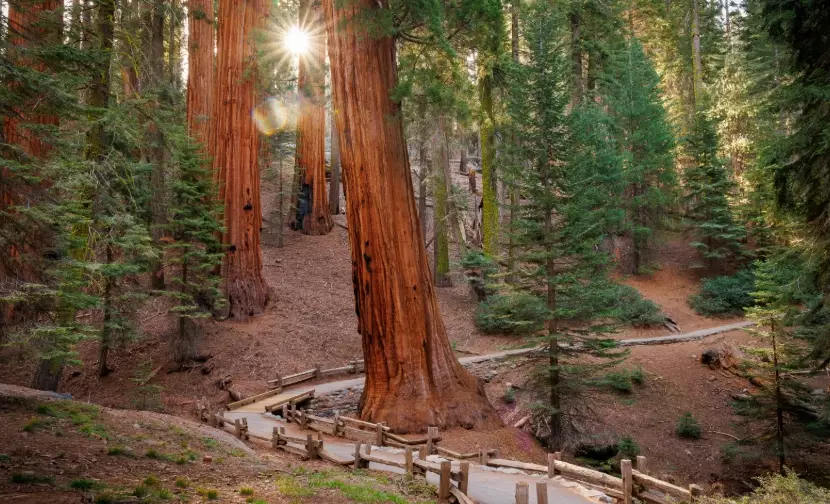
June: The Door to Summer Swings Open
June is fantastic, especially the first two weeks. The weather is warming up nicely, but the brutal inland heat hasn't fully settled in. Snow continues to retreat, opening up more trails. The rivers and creeks are still full and dramatic from snowmelt.
The crowd level starts to ramp up mid-month, particularly as schools let out. By the last week, you're firmly in summer season.
Access improves dramatically throughout June. The road to Crystal Cave might open (check the National Park Service website for tour dates), and hikes around Lodgepole become more viable. If you want summer activities without peak summer chaos, early June is a brilliant answer to "what is the best month to go to Sequoia National Park?".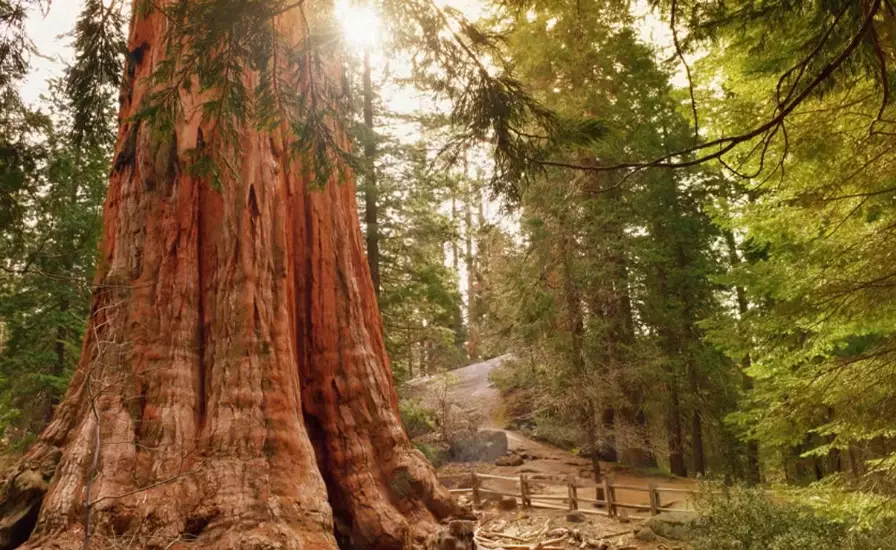
July & August: Peak Season in Every Sense
This is when the park is fully open. All roads, all trails, all services. The high country around Mineral King and the trails out of Lodgepole are accessible for epic backpacking and day hikes to alpine lakes. The weather is consistently warm and sunny—perfect for swimming in the Kaweah River's pools.
It's also peak in terms of people. I'm not exaggerating when I say the parking lot for the General Sherman Tree can feel like a suburban mall on a Saturday. The Generals Highway, the main road connecting the two parks, gets congested. You'll need to use the park's shuttle system smartly.
If your heart is set on high-altitude adventures, this might be your only window. But you must plan like a general: arrive at trailheads by 7 AM, book lodging or campsites months in advance (I mean it, Recreation.gov releases sites 6 months out), and embrace the shared experience.
For families tied to the school calendar, this is the default time. It's busy, but it's busy for a reason—everything works.
September: The Secret Superstar
If I had to pick one month, September might be it. The crowds from summer dissipate almost overnight after Labor Day. The weather remains summer-like, especially in the first half, but the intense heat fades. The mosquitoes are (mostly) gone. The light takes on a golden, autumn quality.
Everything is still open. You can hike to Tokopah Falls, climb Moro Rock, and explore the High Sierra trails with far more solitude than in August. The nights start to get crisper, which is perfect for campfires.
This is the month for long, satisfying day hikes without the pressure. I remember a September hike to Heather Lake where we saw maybe three other groups all day. In July, that same trail feels like a highway.
For adults without kids or anyone with flexible schedules, asking "what is the best month to go to Sequoia National Park?" almost always leads me to say September.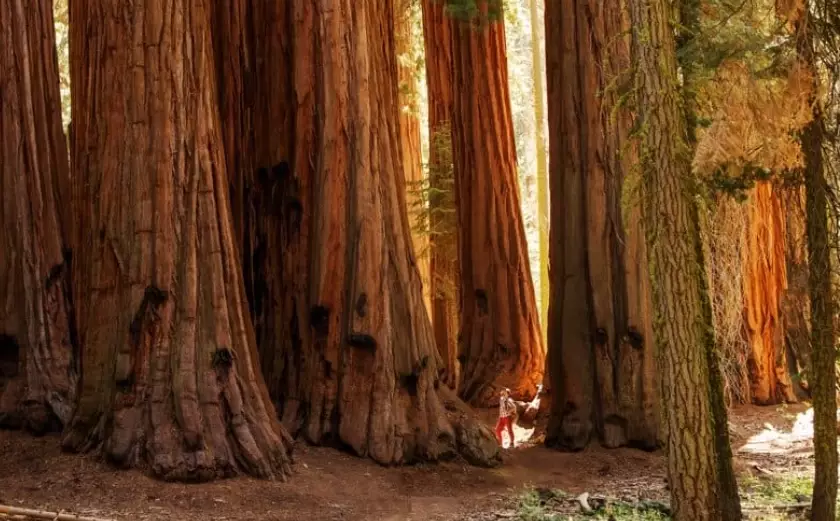
October: Autumn's Grand Finale
October is a close second to September, and for some, it's even better. The crowd levels drop even further. The autumn colors start to show, not on the sequoias (they're evergreen), but on the dogwoods, oaks, and maples in the canyons and lower elevations. It's stunning contrast against the green conifers and red sequoia bark.
The weather is cooler, ideal for hiking. You'll need layers—warm days, chilly nights. The first snows can dust the highest peaks by late October, which makes for breathtaking scenery.
The catch? Services start to wind down. Some campgrounds close. The road to Mineral King usually closes with the first significant snow. Always check current conditions on the NPS conditions page before an October trip. But if you're self-sufficient and prepared for changeable weather, October is magical.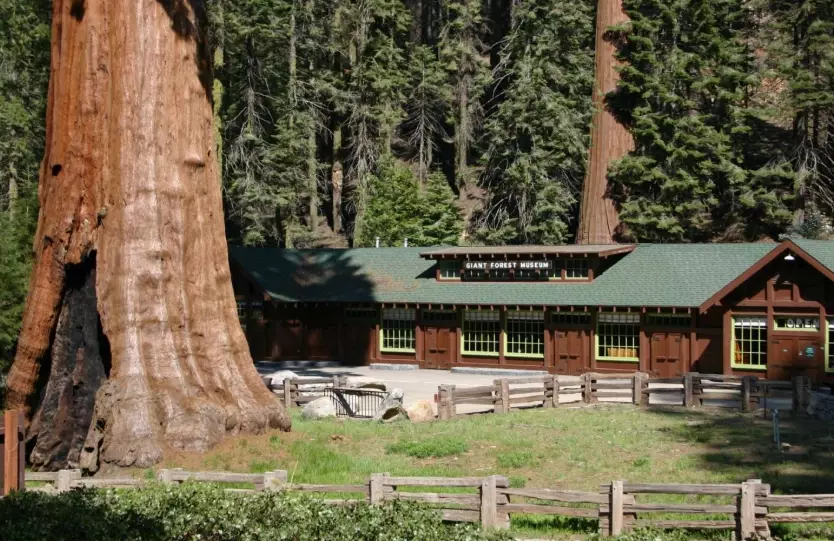
November through April: The Quiet Winter World
Calling this "winter" is a bit simplistic. Conditions vary wildly. November and April are shoulder months with snow at higher elevations but often clear roads to the Giant Forest. December through March is full winter.
Winter is a completely different park. The Giant Forest is often under a blanket of snow. The giant sequoias with snow-laden branches are a phenomenal sight. Crowds are minimal. You need tire chains in your vehicle, and you must be prepared for cold, icy conditions. The main activity becomes snowshoeing or cross-country skiing through the sequoia groves—an unforgettable experience.
But access is severely limited. The Generals Highway from the Foothills up to the Giant Forest is plowed, but the road to Kings Canyon's Cedar Grove closes for the season. Most trails are snow-covered.
Is winter the best month to go to Sequoia National Park? Not for hiking and exploring. But for a serene, snowy wonderland experience focused on the big trees, it's unbeatable. It's a specialist's season.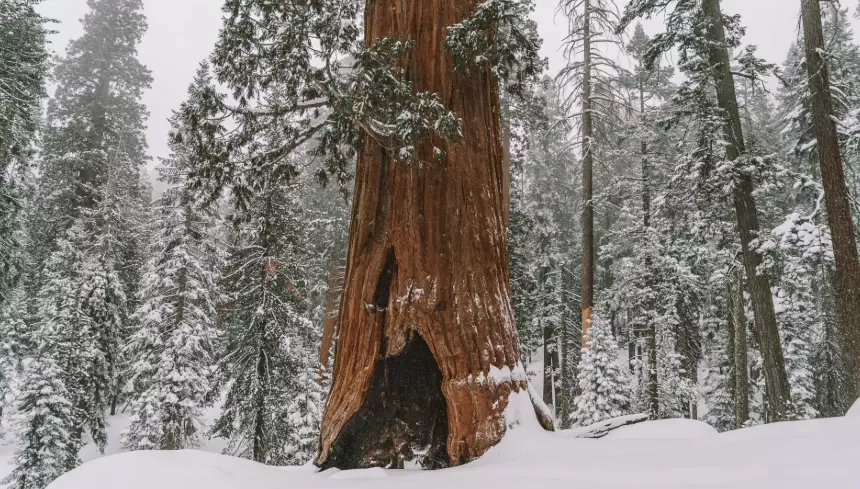
| Month | Weather Vibe | Crowd Level | Access & Activities | The Vibe |
|---|---|---|---|---|
| May | Spring chill to mild. Unpredictable at higher elevations. | Low to Moderate | Lower groves open. Higher trails snowy/muddy. Waterfalls peak. | Awakening, fresh, uncrowded. |
| June | Warm, pleasant. Mosquitoes hatch. | Moderate to High (increasing) | Most roads/trails open by late month. High country starts to clear. | Energetic, green, buggy. |
| July & August | Warm to hot days, cool nights. Sunny. | VERY HIGH | Fully open. All services running. Ideal for high Sierra. | Bustling, vibrant, competitive. |
| September | Perfect warm days, crisp nights. Less bugs. | Moderate (drops after Labor Day) | Fully open. Best hiking weather. | Golden, relaxed, optimal. |
| October | Cool days, cold nights. Chance of early snow. | Low | Mostly open, but services wind down. Fall colors. | Peaceful, atmospheric, autumnal. |
| Nov - Apr | Cold, snowy. Icy roads. Chains required. | Very Low (except holidays) | Limited to plowed roads. Snowshoeing/skiing in groves. | Silent, majestic, stark. |
What Really Makes a Month "The Best"? Key Decision Factors
Okay, so you've seen the monthly rundown. But to truly decide what is the best month to go to Sequoia National Park for you, you need to weigh these four things against each other.
Factor 1: Your Crowd Tolerance
This is huge. Your experience in a packed July versus a quiet October is night and day. If you get stressed in traffic and hate competing for a photo spot, avoid July and August like the plague. Seriously. September and October offer 90% of the access with 50% (or less) of the people. May and June are also great before the school rush.
Factor 2: What You Want to Do (Your Activity List)
Be honest with your itinerary.
- High Sierra Backpacking/Alpine Lakes: Your window is July through September. Maybe late June if it's a low snow year.
- Easy, iconic sightseeing (General Sherman, Tunnel Log): Any month the roads are open. Do it in the off-season for peace.
- Waterfall chasing: Aim for peak runoff in late May and June.
- Snowshoeing among the giants: December to March, after a good snowfall.
- Stargazing: Fall, winter, and spring have the clearest, darkest skies. Summer can have haze from fires.
Factor 3: Weather & Road Conditions
Check not just averages, but extremes. The National Weather Service has good data. The park's elevation ranges from 1,300 feet to over 14,000 feet, so there is no single "park weather." The Giant Forest sits around 6,400 ft—it's always cooler than you think. Also, tire chain requirements in fall, winter, and spring are not a suggestion; they are law when posted. Have them in your car from November to April.
Factor 4: Logistics: Lodging & Campsites
This might dictate your timing more than anything. The park's lodges and major campgrounds (Lodgepole, Dorst) book up insanely fast for summer. If you haven't booked 6 months in advance, summer might be off the table unless you're willing to stay outside the park or try for first-come, first-served sites (stressful). September and October bookings are slightly easier but still competitive. Winter has the most availability.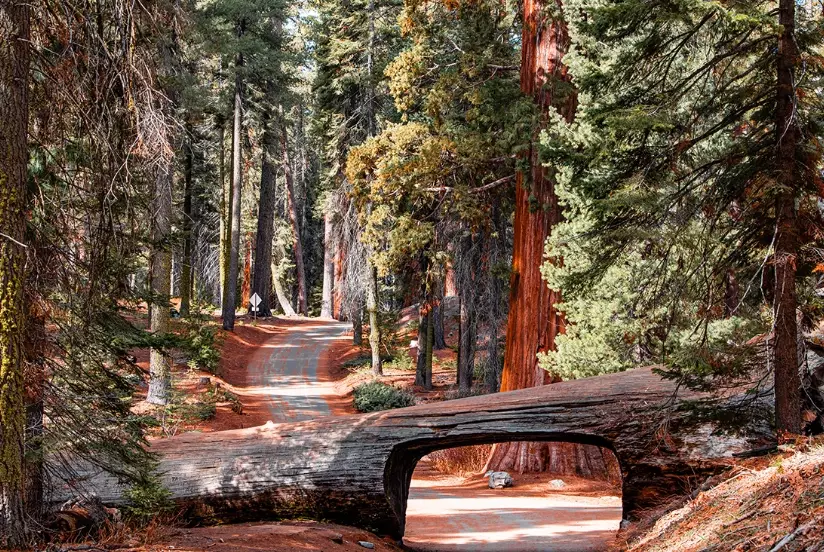
Your Questions, Answered (The FAQ Section)
The Final Verdict: Tailored Recommendations
So, after all this, what is the best month to go to Sequoia National Park? Let's match it to you.
For the First-Timer Who Wants the "Full Experience": Aim for September. You'll get great weather, open trails, functioning services, and manageable crowds. It's the safest bet for a fantastic all-around trip.
For the Hiker/Backpacker Chasing the High Sierra: You're looking at July or August. Book your wilderness permits the second they become available. Embrace the early starts to beat the crowd on popular trails.
For the Crowd-Hater & Solitude Seeker: October is your month. Or a weekday in late May. Be prepared for cooler temps and some closures, but you'll have the giants largely to yourself.
For the Family with School-Age Kids: You're likely looking at June, July, or August. If you can swing a trip right after school gets out in early June, you'll hit a sweet spot before the biggest crowds. Book everything—everything—as far in advance as possible.
For the Photographer: October for fall color, February for winter snowscapes, June for lush greenery and full waterfalls. Sunrise in the groves is magic in any season.
Look, no month is perfect. Every single one has a trade-off. Summer has people, spring has mud, fall has shorter days, winter has cold. But that's also what makes each visit unique. The question of the best month to go to Sequoia National Park doesn't have one right answer—it has several great ones, depending on the adventure you're trying to craft.
My final piece of advice? Pick a month that aligns with your priorities, book your crucial logistics early, pack for variable mountain weather (seriously, layers are key), and go. Standing beneath a tree that was ancient when Rome fell has a way of making minor inconveniences fade away.
Reader Comments