Let's cut to the chase. If you're looking for manicured trails, cell service, and a steady stream of day hikers, the Wind River Range isn't for you. This is raw, unfiltered wilderness. Over 100 miles of jagged granite peaks, more than 1,300 lakes, and glaciers that feel plucked from Alaska. It's the kind of place that demands respect and rewards preparation with views that'll stick in your mind for decades. I've spent over a decade exploring these mountains, and I'm still finding new corners that take my breath away. This guide isn't just a list of facts; it's the hard-earned knowledge I wish I'd had before my first trip out there.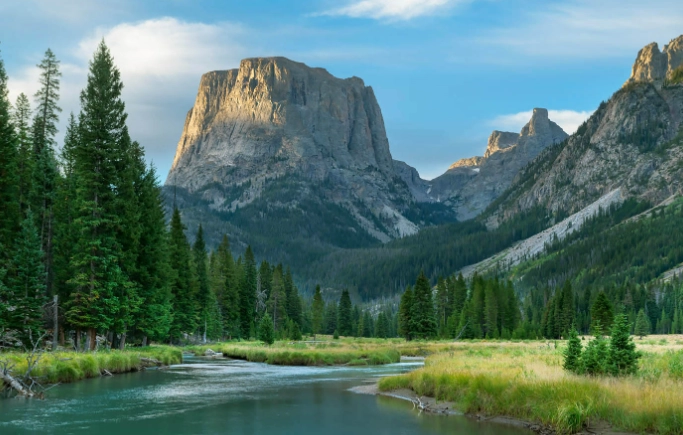
What’s Inside This Guide
What Makes the Wind River Range So Special?
For starters, it's massive. Stretching across west-central Wyoming for about 100 miles, it's the single largest mountain range entirely within the state. The Continental Divide snakes through its heart, splitting the range into eastern and western drainages. The east side, managed by the Shoshone National Forest, tends to be drier and rockier. The west side, in the Bridger-Teton National Forest, feels lusher, with more dense forest and meadows.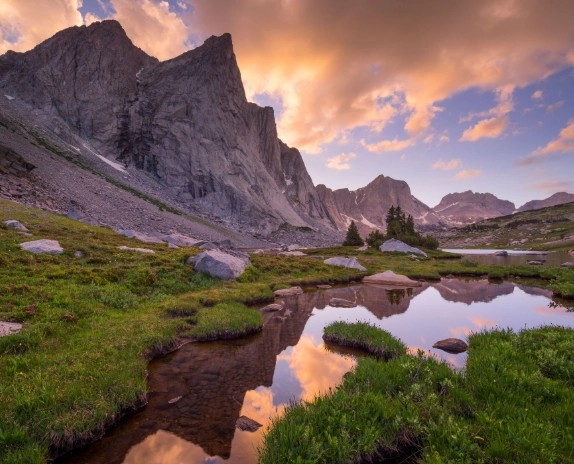
The real magic, though, is in the details. The Cirque of the Towers gets all the press (and for good reason—it's stunning), but places like Titcomb Basin or the Alpine Lakes region offer equally epic scenery with half the crowds. You can hike for days without seeing another soul, crossing passes over 12,000 feet where the only sound is the wind and your own heartbeat.
A Quick Geography Lesson
The Winds are part of the larger Rocky Mountains. Major gateway towns are Pinedale (west side) and Lander (east side). There are no roads crossing the core of the range. Your options are to hike in from the edges or charter a bush plane to drop you at a remote lake. The latter is expensive but unlocks a whole different level of solitude.
How to Plan Your Wind River Range Backpacking Trip
Fail here, and your trip goes from dream to nightmare. The planning phase is everything.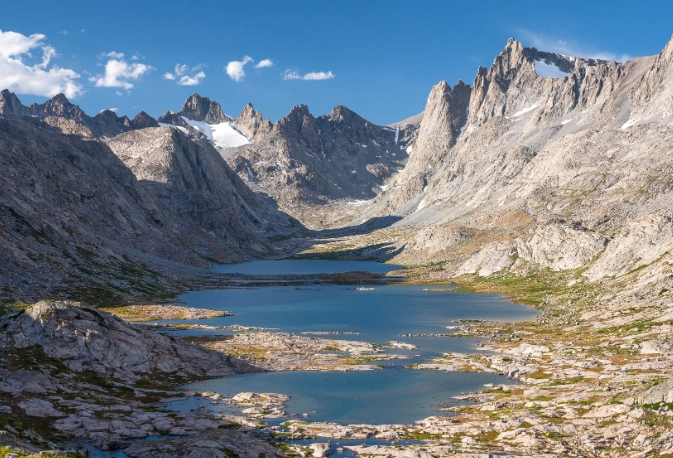
When to Go: Timing is Everything
The short, sweet season runs from late July to mid-September. Go in early July, and you'll be post-holing through deep snow on the high passes. Wait until October, and you're flirting with blizzards. August is prime, but also the busiest. A little secret? The first two weeks of September are golden. Fewer bugs, fewer people, and the tundra starts turning brilliant red and gold. The trade-off is shorter days and colder nights.
Permits, Fees, and Red Tape
This is where most online guides are vague. Here's the clear breakdown.
- Shoshone National Forest (East Side): You need a free, self-issued permit from the trailhead kiosk. That's it. No quotas, no reservations. Simple.
- Bridger-Teton National Forest (West Side, including the popular Big Sandy & Elkhart Park areas): This is the tricky one. For certain high-use trailheads and zones (like the Cirque of the Towers), there is a quota system from July 1 to September 10. You can reserve 50% of permits online at Recreation.gov starting March 15. The other 50% are first-come, first-served, available at the local ranger station (Pinedale or Great Outdoor Shop) after 12 PM the day before your hike. Plan to be in line by 10 AM to snag one.
- Wind River Indian Reservation (Eastern Slopes): Some eastern approaches, like for Gannett Peak via the Glacier Trail, cross the Reservation. You must obtain a permit from the Wind River Visitor Center in Fort Washakie. It's not optional, and it's respectful.
Fees are minimal—usually $5-$15 for reservation transactions or tribal permits.
Getting There and Where to Stay
Flying: Major airports are Jackson Hole (JAC, 2.5-3 hours to Pinedale) or Salt Lake City (SLC, 4.5 hours). Rent a car with good clearance; some forest service roads to trailheads are rough.
Driving: It's a road trip destination. From Denver, it's about a 6-hour drive.
Pre/Post-Hike Lodging: Don't just book any motel. In Pinedale, the Lodge at Pinedale is hiker-friendly, with a gear drying room. In Lander, the Pronghorn Lodge is a classic. For a splurge, the Old Stone House B&B in Pinedale is worth it. Campgrounds near trailheads (like Big Sandy or Elkhart Park) fill fast. Show up early or have a backup plan.
Top Hiking Routes & Trailheads Compared
Picking a route is the fun part. Here’s a comparison of the most popular gateways to help you decide.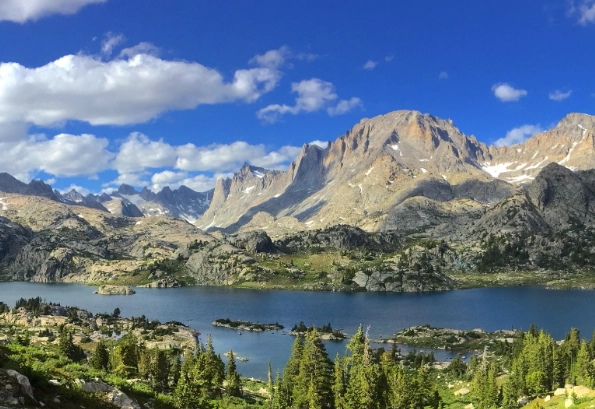
| Trailhead | Best For | Sample Route & Distance | Difficulty & Notes |
|---|---|---|---|
| Elkhart Park (West) | Classic loops, access to Titcomb Basin & Indian Basin. | Pole Creek -> Titcomb Basin -> Indian Pass -> Photographers Point loop. ~45 miles, 4-6 days. | Moderate to Strenuous. High altitude start (~9,300 ft). Gets crowded on summer weekends. |
| Big Sandy (West) | Direct shot to the Cirque of the Towers, also access to Texas Pass for longer trips. | Big Sandy -> Cirque of the Towers (out & back). ~18 miles, 2-3 days. | Moderate. The final climb into the Cirque is steep. The parking lot is a zoo. Go mid-week. |
| Green River Lakes (West) | Gradual entry, stunning views of Squaretop Mountain, access to the northern Winds. | Green River Lakes -> Cube Rock Pass -> Porcupine Pass loop. ~60 miles, 5-7 days. | Moderate initial miles, becomes strenuous over high passes. More solitude than southern trailheads. |
| Glacier Trail (East, via Reservation) | Summiting Gannett Peak, remote glacier travel. | Glacier Trail -> Gannett Peak summit bid. ~45 miles round trip, 4-5 days minimum. | Expert Only. Involves technical climbing, glacier travel with crevasse danger, and complex logistics. |
| Boulder Lake (East) | Solitude, fishing, and exploring the less-visited east side. | Boulder Lake -> Rainbow Lake -> Temple Pass out-and-back exploration. Varies. | Moderate. Less maintained trails, more route-finding. You'll likely have lakes to yourself. |
My personal favorite for a first-time, week-long trip is the Elkhart Park to Titcomb Basin loop. It packs in everything—alpine lakes, high passes, wildflowers, and that iconic basin view without requiring technical skills.
Climbing Gannett Peak: What They Don't Tell You
Gannett Peak (13,804 ft) is the highest point in Wyoming. It's a serious mountaineering objective, not a hike. Most online forums gloss over the brutal realities.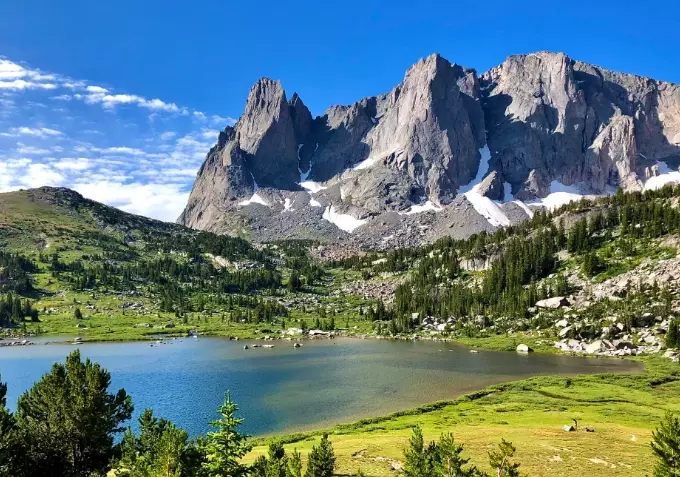
The approach is a marathon. From the Glacier Trailhead, it's over 20 miles one-way just to reach base camp. You're carrying a heavy pack with a rope, harness, ice axe, and crampons the whole way. The altitude gain is relentless.
The Gooseneck Glacier is no joke. This isn't a walk-up snowfield. It's a moving glacier with hidden crevasses. You need to know how to rope up, travel on a glacier, and perform a crevasse rescue. I've turned around on perfect weather days because the snow bridges looked suspect. Hiring a guide from a reputable outfit in Jackson or Lander isn't a sign of weakness; it's smart.
Logistics are a nightmare. You need permits from two different agencies (Shoshone NF and the Wind River Reservation), a bear canister, and a weather window that aligns after you've already hiked for two days. Most successful summit bids involve caching food and fuel partway in.
If you're not an experienced alpinist, set your sights on Wind River Peak (13,192 ft) instead. It's a non-technical scramble from the Cirque of the Towers area with a view that's arguably better. You get the 13er bragging rights without the life-or-death stakes.
Non-Negotiable Safety & Conservation Rules
The Winds are wild country. Your safety and our collective impact on it matter.
The Bear Reality
Both black and grizzly bears live here. The Bridger-Teton National Forest requires the use of bear-resistant food canisters in most of the Wind River Range. Not just hanging—canisters. The Ursack or similar soft sacks are NOT approved. Rent one from the Great Outdoor Shop in Pinedale or the Forest Service office. Cook 100+ yards downwind from your tent. Carry bear spray, know how to use it, and keep it accessible, not buried in your pack.
Weather: Afternoon thunderstorms are a daily possibility in summer. Get over high passes early. Hypothermia is a real risk even in August.
Navigation: Trails can vanish in talus fields or over passes. A GPS (with extra batteries) is helpful, but a detailed paper map (Earthwalk Press or Beartooth Publishing are best) and compass are mandatory. Don't rely on your phone.
Leave No Trace: This is sacred ground. Pack out everything, including toilet paper. Use established campsites on durable surfaces. Camp at least 200 feet from lakes and streams. For human waste, dig a cathole 6-8 inches deep. In the alpine zones above treeline, the soil is thin and life is fragile—consider using a lightweight portable toilet system like a WAG bag for packing it out. It's the next level of stewardship this place deserves.
Your Wind River Questions, Answered
Reader Comments