Quick Guide
- The Raw Numbers: A Temperature Showdown
- Why Is Black Canyon City Cooler? It's All About the Elevation
- Beyond the Thermometer: What It Actually Feels Like
- Living With the Heat: A Lifestyle Comparison
- Visiting and Touring: Which is Better for Your Trip?
- Common Questions (The Stuff You're Really Wondering)
- The Final Verdict: Is Black Canyon City Cooler Than Phoenix?
If you've ever been in Phoenix during July, you know the feeling. You step outside and it's like walking into a giant hair dryer. The heat is intense, relentless, and seems to rise up from the pavement itself. It's no wonder folks start looking for an escape, a place that's just... cooler. That's when the question pops up, often whispered with hope: Is Black Canyon City cooler than Phoenix?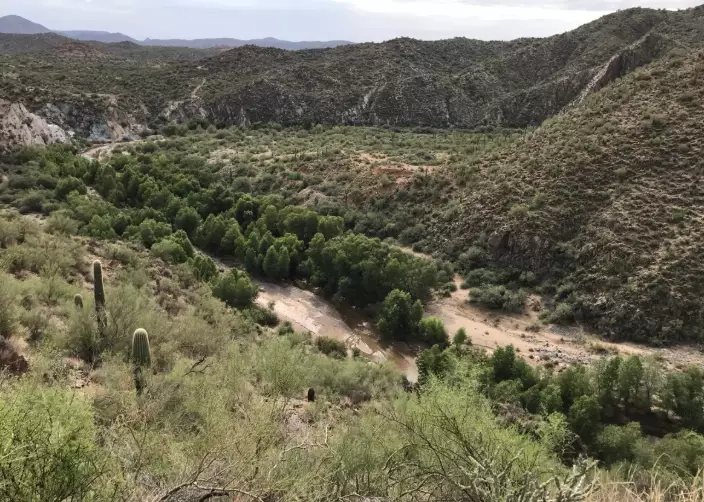
I've asked myself the same thing, usually while sitting in my Phoenix backyard under a misting fan that feels like it's blowing warm soup. So I decided to dig into the data, look at the maps, and even spend some time in both places to get a real feel for it. What I found wasn't just a simple yes or no. It's a story about elevation, desert geography, and what "cool" really means when you're talking about Arizona.
But stick with me, because the full picture is way more interesting than just a few degrees on a thermometer. We're talking about why that happens, how much of a difference you can actually feel, and what it means for whether you should visit, hike, or even think about moving.
The Raw Numbers: A Temperature Showdown
Let's cut straight to the data. Talking about heat is one thing, but seeing the numbers side-by-side really drives the point home. I pulled information from the National Oceanic and Atmospheric Administration (NOAA) climate databases to get the official averages, because guessing isn't good enough.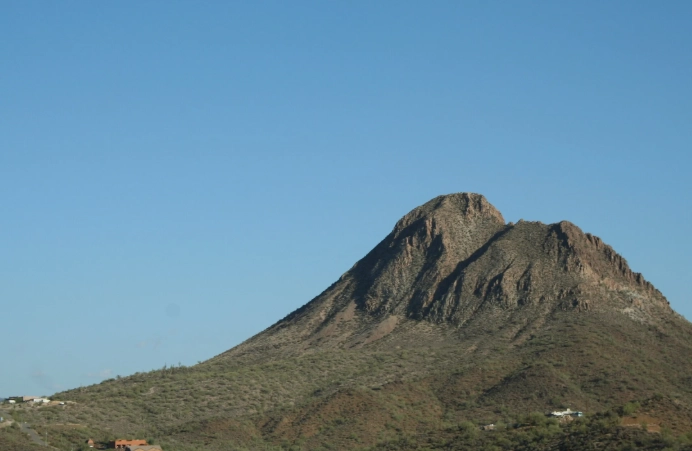
What you see below isn't just a random summer day. It's the long-term average, which smooths out the oddball hot or cold spells and gives us the real, predictable pattern.
| Month | Black Canyon City Average High (°F) | Phoenix Average High (°F) | Temperature Difference (Approx.) |
|---|---|---|---|
| January | 62°F | 67°F | Phoenix is slightly warmer |
| April | 78°F | 84°F | 6°F cooler in BCC |
| July (Peak Summer) | 98°F | 106°F | 8°F cooler in BCC |
| October | 80°F | 88°F | 8°F cooler in BCC |
See that July number? An average high of 98°F versus 106°F. That's not a minor statistical blip. That's the difference between a very hot day and a brutally hot day. On the worst Phoenix days, where the mercury hits 115°F+, Black Canyon City might be sitting at a (still hot, but manageable) 105°F. In the desert, every degree above 100 feels exponentially worse, so that 8-10 degree gap is a big deal.
The Nighttime Bonus: Here's where it gets even better. Desert cooling is more pronounced at higher elevations. Summer nights in Phoenix might only drop to a sticky 85°F. In Black Canyon City, you can often expect lows in the mid-70s. That's a game-changer for sleeping without cranking the AC all night. It's the kind of difference that makes you want to sit outside in the evening, something that's often off the table in Phoenix in July.
So, is Black Canyon City cooler than Phoenix? Based on the hard data from sources like NOAA, the answer is a clear yes for most of the year, especially during the critical summer months. The gap narrows in the winter, and Phoenix might even be a touch warmer on pleasant winter days, but let's be honest—nobody is fleeing Phoenix for cooler weather in January.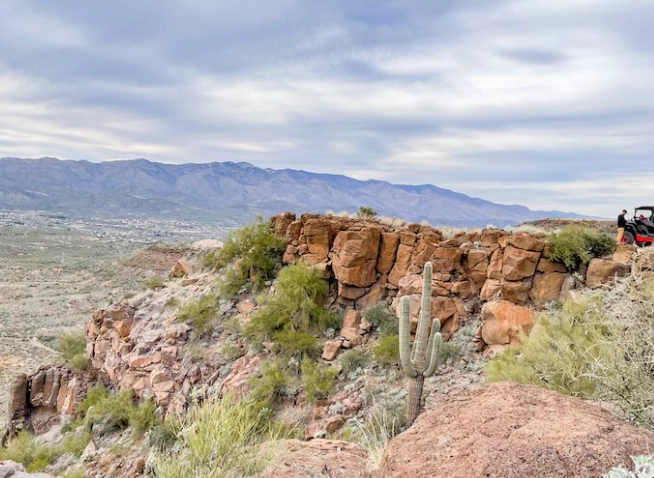
Why Is Black Canyon City Cooler? It's All About the Elevation
Okay, so we know that it's cooler. But why? This isn't magic. It's basic atmospheric science, and understanding it helps you predict what other areas might offer similar relief.
The main actor in this drama is elevation. Phoenix sits in a valley, the Salt River Valley, at an elevation of roughly 1,100 feet above sea level. Black Canyon City, on the other hand, is nestled in the foothills of the Bradshaw Mountains at about 2,200 feet. That's a difference of over 1,000 vertical feet.
Here’s the simple rule: air temperature generally decreases by about 3.5 to 5 degrees Fahrenheit for every 1,000 feet you go up. This is called the lapse rate. So, just based on elevation alone, we'd expect Black Canyon City to be 4-5°F cooler. But the table shows differences of 8°F or more in summer. Why the extra chill?
Other factors pile on:
- Drainage of Hot Air: Hot air rises. In Phoenix, the heat gets trapped in the valley basin, creating what's sometimes called an "urban heat island" effect, amplified by all the concrete and asphalt. The higher, more open terrain around Black Canyon City allows hot air to drain away more easily.
- Slightly Different Terrain: It's a bit rockier, with more canyons and washes. This can create subtle shade and airflow patterns that you don't get in Phoenix's flatter grid.
- Distance from the Urban Core: Simply being farther from the immense heat mass of a major city like Phoenix helps. The U.S. Geological Survey has great resources on urban heat islands and how they intensify local temperatures.
So when someone asks, "Is Black Canyon City cooler than Phoenix?", you can confidently say yes, and explain it's mainly because it's a thousand feet higher, sitting above the valley's heat trap.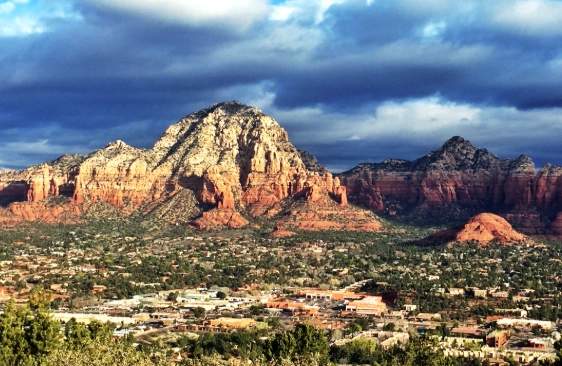
Beyond the Thermometer: What It Actually Feels Like
Weather isn't just about the number on a thermometer. Humidity, wind, and sun intensity play huge roles in the "feels like" temperature. This is where Phoenix's reputation for a "dry heat" comes from, and where Black Canyon City doubles down on that advantage.
Phoenix can get surprisingly muggy during the summer monsoon season (roughly July to September). Moisture surges up from the Gulf of California, and suddenly that 108°F day feels like 115°F with the humidity. It's oppressive.
In my experience, Black Canyon City seems to handle the monsoon moisture a bit differently. The higher elevation might mean slightly less oppressive humidity, or at least the cooler baseline temperatures make the humid spells more bearable. The heat just doesn't feel as heavy or inescapable.
Wind is another factor. The I-17 corridor near Black Canyon City can be breezy, which provides a welcome cooling effect, even if it's just moving hot air around. Phoenix can be still and stagnant for days, allowing the heat to build without relief.
Then there's the sun. Both places have intense sun, but the perception can be different. Sitting in the shade in Black Canyon City, with a slight breeze and temperatures in the high 90s, can feel okay—like a very hot day anywhere. Sitting in the shade in Phoenix at 110°F still feels like you're next to a furnace. The ambient air is just hotter.
Living With the Heat: A Lifestyle Comparison
This is where we move from theory to daily life. If you're considering a move or an extended stay, the practical differences matter a lot.
Black Canyon City: The Pros and Cons
The Good Stuff (The "Cooler" Part):
- Lower Summer Utility Bills: Running an air conditioner when it's 98°F outside is cheaper than running one when it's 108°F. That's just physics. Your AC doesn't have to work as hard or as long.
- More Usable Outdoor Time: Early mornings and evenings are genuinely pleasant for much of the year. You can walk the dog, have a BBQ, or just sit outside without feeling like you're being cooked.
- Gateway to Cooler Spots: It's a stepping stone. Prescott, which is over 5,000 feet, is less than an hour away. Flagstaff (7,000 feet) is within a 90-minute drive. Your escape from the heat doesn't have to be a major expedition.
The Trade-Offs:
- Winter is Cooler Too: Remember the table? In January, BCC can be a few degrees cooler. It might get a light frost occasionally, which is rare in central Phoenix. It's not Minnesota, but you'll need a heavier jacket a bit more often.
- Amenities are Smaller Scale: You're in a town, not a metropolis. You have grocery stores and basic services, but for major shopping, specialty stores, or a wide variety of restaurants, you're driving down to the Phoenix suburbs (like Anthem) or into the city. That's a 30-45 minute commute.
- The "Island" Effect: Sometimes it feels a bit isolated. The town is strung along the highway. It's not for someone who needs constant urban stimulation.
Phoenix, of course, offers the opposite trade-off. Unbeatable convenience, endless options for dining and entertainment, and a reliably warm winter. But you pay for it with those extreme summer months where life largely retreats indoors or to the pool.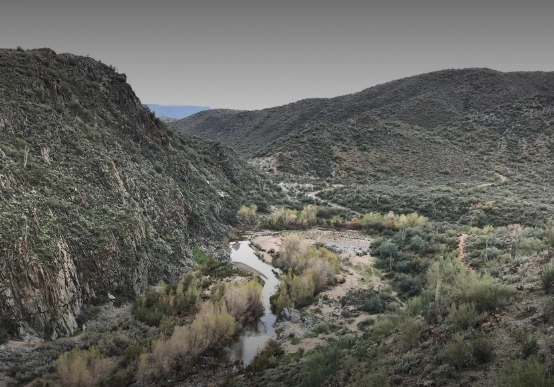
So, when evaluating if Black Canyon City is cooler than Phoenix for living, you have to weigh the tangible benefit of milder summers against the quieter lifestyle and slightly nippier winters.
Visiting and Touring: Which is Better for Your Trip?
You're planning an Arizona vacation. Should you base yourself in Phoenix and day-trip, or stay somewhere like Black Canyon City? It depends entirely on what you want to do and when you're coming.
For Summer Visits (May - September)
This is a no-brainer. If you're visiting in the summer and have any plans to be outdoors (hiking, sightseeing, etc.), Black Canyon City is the dramatically better base camp. Waking up to temperatures in the 70s instead of the 80s means you can actually enjoy a morning hike before the heat peaks. Starting your day trip to Sedona or the Grand Canyon from BCC means you're already cooler and closer to the high country.
Phoenix in summer is best for a specific type of trip: a resort-and-pool vacation where you plan to be in the water or in air-conditioned spaces 90% of the time. For active exploration, the heat is a major limiting factor.
For Winter/Spring/Fall Visits (October - April)
The tables turn a bit. Phoenix shines in the winter. Those 60s and 70s are perfect for golf, desert hiking, and exploring the city's parks and gardens. Black Canyon City will be pleasant too, but possibly a little cooler than you'd like for swimming or sunbathing.
Spring is gorgeous everywhere, but Phoenix might have the edge with its wildflower blooms and longer stretch of pool-friendly weather.
Common Questions (The Stuff You're Really Wondering)
- Anthem (North Phoenix suburb): ~1,700 ft. A bit cooler than Phoenix, but not as much as BCC.
- Black Canyon City (2,200 ft): Our subject. A clear, consistent step cooler.
- Cordes Junction/Camp Verde (3,000+ ft): Another noticeable drop.
- Prescott (5,400 ft): Much cooler, with actual seasons.
The Final Verdict: Is Black Canyon City Cooler Than Phoenix?
After looking at the data, the science, and the lived experience, the verdict is clear and emphatic.
Yes, Black Canyon City is cooler than Phoenix. Not just by a little, but by a meaningful margin that has real-world impacts on your electric bill, your outdoor activities, and your overall comfort for a large portion of the year. The elevation advantage is the key, creating a reliable thermal buffer between it and the heat-soaked Phoenix valley.
But—and this is a big but—"cooler" doesn't mean "cold." It's still hot in the summer. You'll still need air conditioning. It's a moderation, not a elimination, of the desert heat. And you trade the worst of Phoenix's summers for slightly cooler winters and a more remote, small-town lifestyle.
So, who wins? It's not a competition with one winner. Phoenix wins for urban convenience, vibrant winter living, and endless options. Black Canyon City wins for offering a tangible, accessible escape from the most oppressive heat, a slower pace, and a front-row seat to Arizona's stunning high-desert transition zone.
The next time that Phoenix heat has you pinned indoors, wondering if there's a better way, you now know the answer to "Is Black Canyon City cooler than Phoenix?" is a solid yes. Whether that yes is right for you depends on what you're looking for beyond just the temperature reading.
Maybe it's time for a drive up I-17 to feel it for yourself. Just remember to check your car's outside temperature gauge on the way. You'll see the numbers fall, and you'll have your proof.
Reader Comments