Let's get straight to it. Independence Pass isn't just a checkbox on a Colorado road trip list. It's a full-blown, jaw-on-the-floor experience that stitches together history, raw mountain beauty, and a driving challenge that demands respect. Perched at 12,095 feet on State Highway 82, this isn't a road you just cruise through. It's a destination in itself, connecting the trendy vibes of Aspen with the quieter charm of Twin Lakes.
I've driven it more times than I can count, in everything from a beat-up sedan to a proper SUV, and I've seen people make the same mistakes every season. This guide is here to make sure you're not one of them. We're going beyond the basic "it's high and pretty" info. You'll get the real details on navigating those tight turns, finding the secret spots the tour buses miss, and understanding why this stretch of pavement feels so special.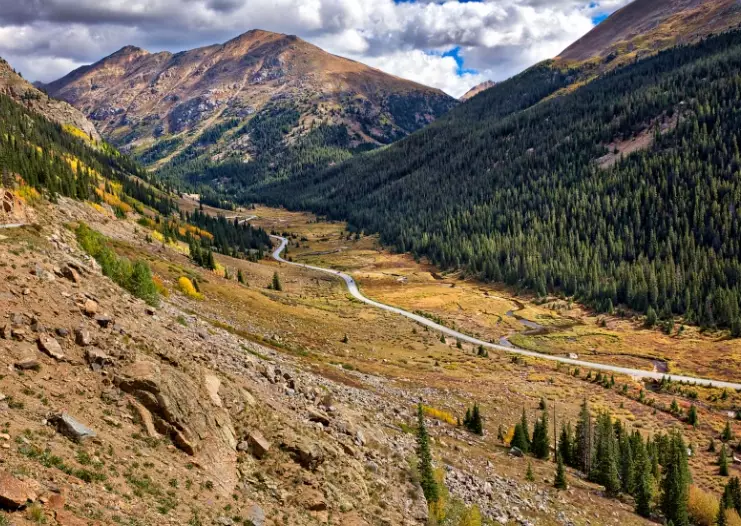
What's in This Guide?
The History Behind the Name
The name doesn't come from a patriotic slogan. It's grounded in the gritty reality of Colorado's mining boom. Back in 1879, prospectors struck silver near what's now the ghost town of Independence. The story goes they made their big discovery on July 4th. Naming the mining district and, eventually, the pass seemed like a no-brainer.
You can still touch this history. Just east of the summit, a short walk from the parking lot, lie the scattered remnants of the Independence ghost town. It's not a restored tourist site—it's a few weathered log shells and foundations slowly being reclaimed by the tundra. Standing there at 11,000 feet, with the wind whipping through the ruins, gives you a visceral sense of how brutal life was for those miners. The Colorado Historical Society has markers that tell the tale, but the place itself does the real talking.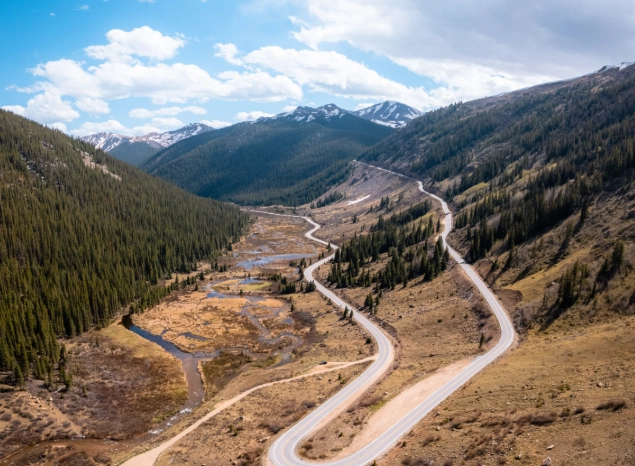
How to Drive Independence Pass Safely (It's Not for the Faint of Heart)
This is the section that matters most for your safety and enjoyment. The pass is typically open from Memorial Day weekend through late October, but that window is entirely at the mercy of snowfall. The Colorado Department of Transportation (CDOT) is your best friend here—check their COtrip.org site for real-time conditions and closure alerts.
The Two Approaches: East vs. West
Which way you come from changes the experience.
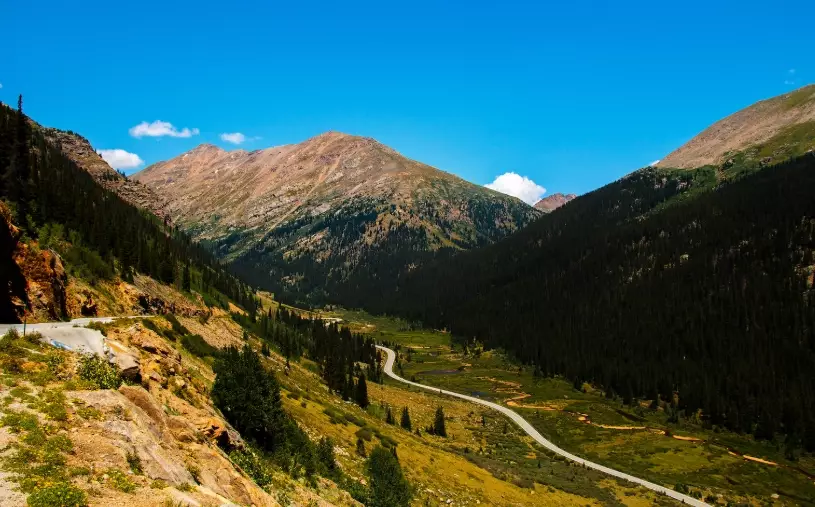
From the East (Twin Lakes/Leadville): This is the more dramatic, and in my opinion, more intimidating climb. You start in the valley floor, and the road corkscrews its way up through a series of tight, exposed switchbacks with massive drop-offs. The views behind you of Twin Lakes and the surrounding peaks are incredible, but keep your eyes on the road. Pull-outs are frequent—use them to let faster traffic pass and to snap photos safely.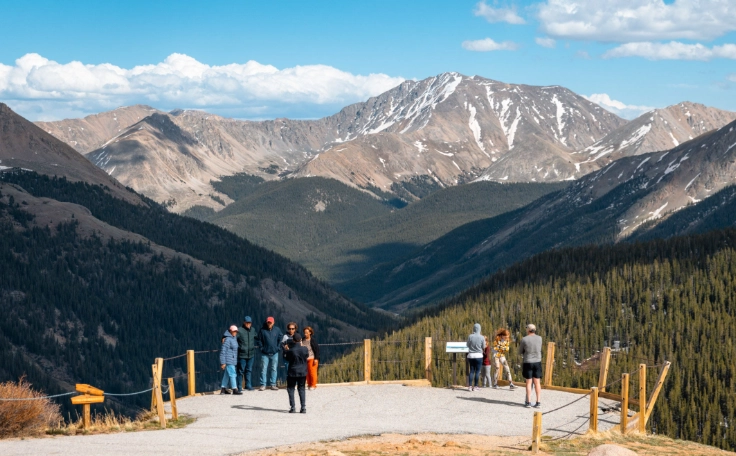
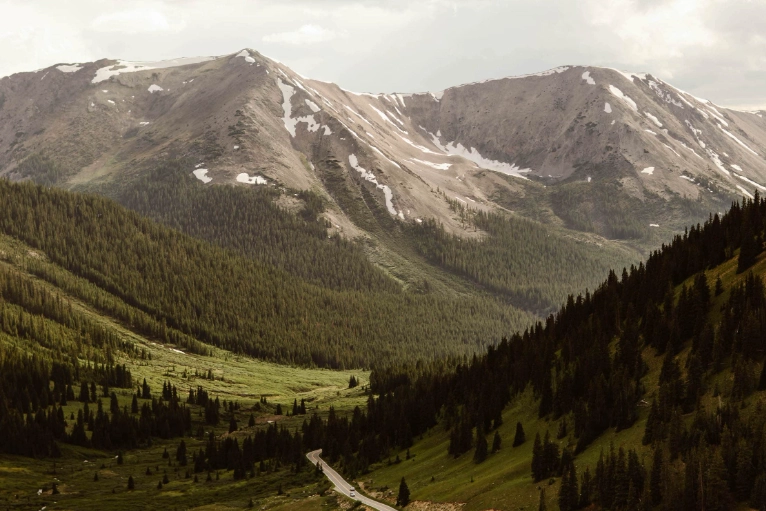
From the West (Aspen): This side feels more gradual as you leave Aspen, winding through the lush Castle Creek Valley. It's still a mountain road, but the initial climb feels less severe. The final approach to the summit is still impressive. Most drivers find this direction slightly less stressful.
Best Hikes and Viewpoints Near Independence Pass
You didn't come all this way just to stay in the car. The pass is a gateway to some of Colorado's most accessible high-alpine terrain.
1. The Summit Itself: Don't just drive over it. Stop at the large parking area at the top (12,095 ft). There's a paved path to a viewpoint with interpretive signs. The air is thin, so move slowly. This is non-negotiable.
2. Linkins Lake Trail: This is the classic, moderate hike from the pass. The trailhead is on the east side, just below the summit. It's about 1.5 miles (one-way) with around 800 feet of gain to a stunning alpine lake cradled by peaks. It gets crowded by 10 AM on summer weekends. Go early.
3. Grottos Trail: On the Aspen side, about 6 miles below the summit, this is a fantastic family-friendly option. It's a short, easy loop (maybe 0.5 miles) that takes you past fascinating ice caves (often filled with snow well into July) and cascading waterfalls on the Roaring Fork River. It feels like a hidden world.
4. The Ghost Town of Independence: Mentioned earlier, but worth repeating. The hike is minimal from the parking area. It's more of a historical stroll than a fitness trek.
Planning Your Trip: Logistics You Can't Ignore
When to Go: July and August are peak. Wildflowers are insane, weather is most stable, and all trails are clear. September is a secret winner—fewer crowds, golden aspens, but be ready for sudden cold snaps and early snow. Avoid weekends if you hate traffic.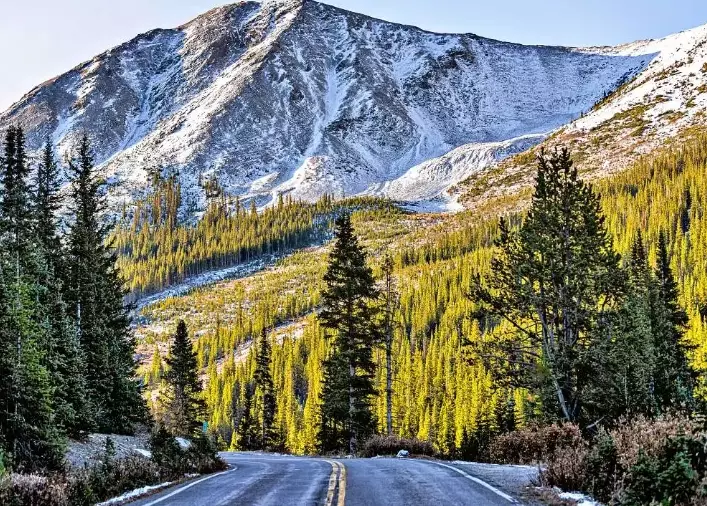
Fuel and Services: This is crucial. There are no gas stations, repair shops, or cell phone towers on the pass itself. Top off your tank in either Aspen or Leadville/Twin Lakes. Fill your water bottles. Pack snacks. Tell someone your plan.
What to Pack: Even on an 80-degree day in Aspen, the summit can be 50 degrees with a biting wind. Layers are key—a fleece, a waterproof shell, a hat. Sturdy shoes if you're hiking beyond the pavement. Sunscreen and sunglasses are mandatory; the UV radiation is intense at this altitude. And water. More water than you think you need.
Altitude Sickness: It's real. Headache, nausea, dizziness. The summit is over 12,000 feet. The best prevention is to acclimate—spend a night in Leadville (10,000 ft) or Aspen (8,000 ft) before tackling the pass. Hydrate relentlessly, avoid alcohol, and don't push yourself too hard on hikes.
Expert Tips Most Guides Won't Tell You
After years of trips, here's the stuff I wish I knew the first time.
The most common mistake? Rushing. People treat it like a highway to get from Aspen to Leadville. It's not. It's the main event. Budget at least 2-3 hours for the drive with stops, more if you're hiking.
For photography, the light is best in the morning on the east side and in the late afternoon on the west side. The midday sun can be harsh. That eastern climb looks completely different—and more dramatic—in the soft morning light.
If you see a line of cars forming behind you on the narrow sections, use the next pull-out. It's mountain driving etiquette. It reduces pressure on you and frustration for others.
My favorite quiet spot isn't at the main summit. It's at the Weller Lake pull-off on the western side. It's a tiny, often-missed campground and trailhead. A 10-minute walk leads to a serene little lake that feels miles from anywhere, even when the summit lot is packed.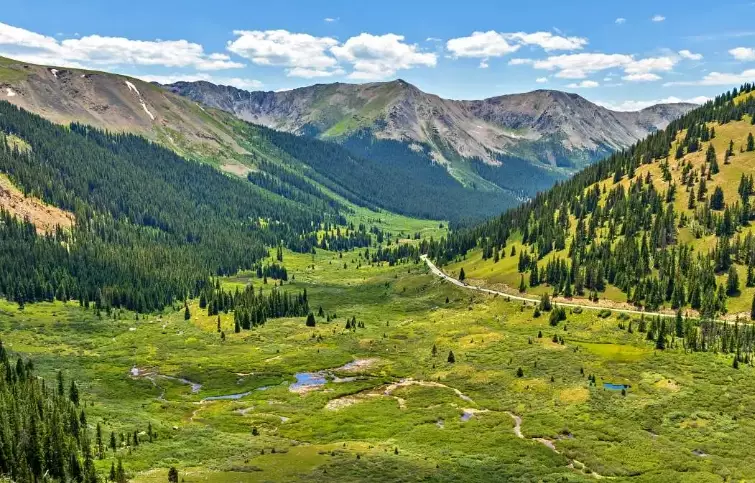
Your Independence Pass Questions, Answered
Reader Comments