Quick Navigation
Let's be real. If you type "South Central LA cities" into Google, you're probably getting a mixed bag. You might be thinking about moving, curious about the history, or just trying to understand this part of Los Angeles beyond what you've seen in movies or heard in music. The search results can be frustrating—some stuff is way too sugar-coated, and other articles just repeat the same old stereotypes. It's annoying.
I've spent a lot of time driving through, talking to people who live there, and just observing. This isn't a textbook report. It's a practical, honest look at the places that make up South Central Los Angeles. We're going to talk about where it actually is (hint: it's not one official city), what the different neighborhoods feel like, the good stuff, the challenges, and everything in between. If you're wondering about safety, schools, or just where to find the best food, you're in the right place.
The Heart of South Central LA Cities (Well, Neighborhoods)
First thing first, let's clear up the biggest confusion. When people search for "South Central LA cities," they're usually looking for neighborhoods within the city of Los Angeles. There's no city hall for "South Central." It's a region, like "Westside" or "the Valley." Its boundaries have shifted over time and depend on who you ask, but it generally sits south of downtown LA and west of the 110 Freeway, stretching down towards places like Watts and Florence.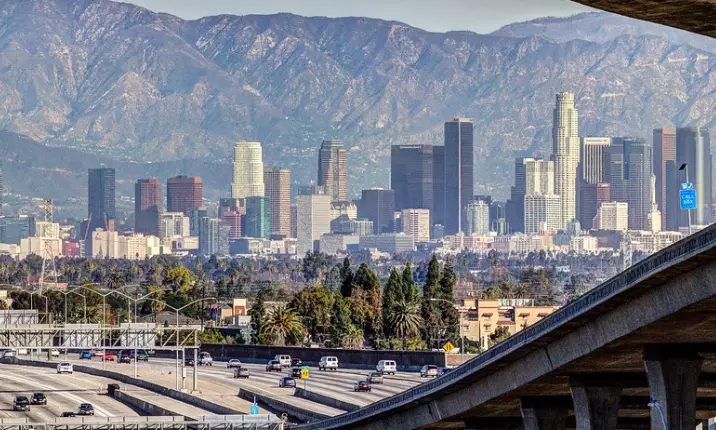
The soul of this area is in its communities. You can't talk about South Central LA cities without diving into these specific places.
The Powerhouse Neighborhoods You Should Know
Each of these spots has a completely different vibe. It's wild how much can change in just a few blocks.
Crenshaw District (and Baldwin Hills/Crenshaw): This is the historic commercial and cultural core for Black Los Angeles. Crenshaw Boulevard is the main artery. You've got the iconic Crenshaw Square, a ton of Black-owned businesses, and it's the heart of the annual Crenshaw Christmas Parade. Just west, Baldwin Hills is home to the "Black Beverly Hills," with stunning views from the hilltops. The vibe here is one of resilience, entrepreneurship, and deep community ties. Leimert Park Village, often included in this area, is the cultural soul—think jazz clubs, art galleries, and bookstores.
Watts: Watts is famous globally, but that fame is a double-edged sword. The Watts Towers are an incredible, must-see folk art monument—a testament to sheer creativity. The neighborhood itself has faced immense challenges but is filled with community activists and organizations working hard. The Watts Towers Arts Center is a key hub. To only know Watts for the 1965 uprising is to miss its ongoing story of art and community.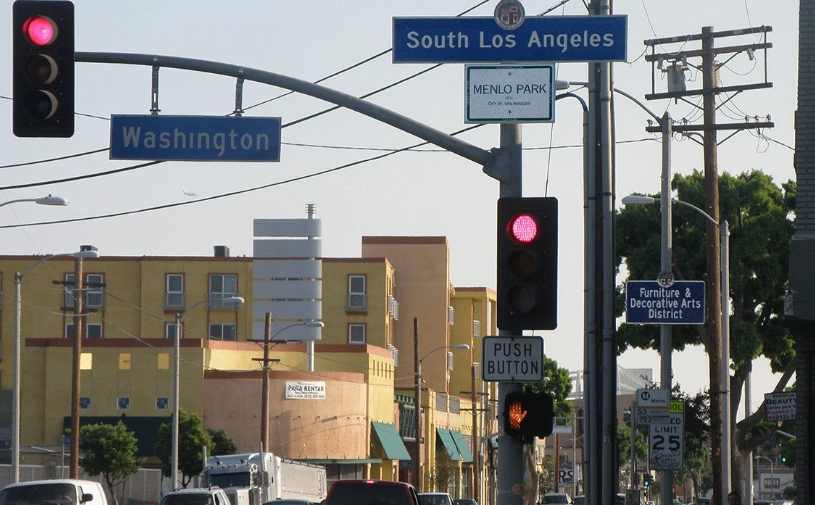
Vermont-Slauson & Hyde Park: This is a more residential, family-oriented area. You'll see well-kept bungalows alongside newer apartments. The intersection of Vermont and Slauson is a major commercial hub. It feels like a working-class neighborhood where people are invested in their homes. It's less touristy, more everyday life.
South Park & Central-Alameda: These areas border the massive Exposition Park, home to the Coliseum, the Natural History Museum, and the California Science Center. Because of this, there's a mix of students (from USC, which is right there), long-time residents, and new development. The housing stock is incredibly varied.
Florence-Firestone: This is an unincorporated area of LA County, sitting right on the border with the City of Los Angeles. It's often grouped into discussions of South Central. It's densely populated, predominantly Latino, and has its own unique set of dynamics separate from the City of LA's governance.
What's It Actually Like to Live in These South Central LA Neighborhoods?
This is where the rubber meets the road. You're not just looking at a map; you're wondering about daily life. Let's break it down, no fluff.
The Reality of Safety and Community
This is the elephant in the room for most people searching. Look, it's complex. Crime rates, particularly property crime and violent crime, have historically been higher in parts of South LA compared to other LA regions. That's a statistical fact you can check on the LAPD's Crime Mapping site. But statistics don't tell the whole story of a block.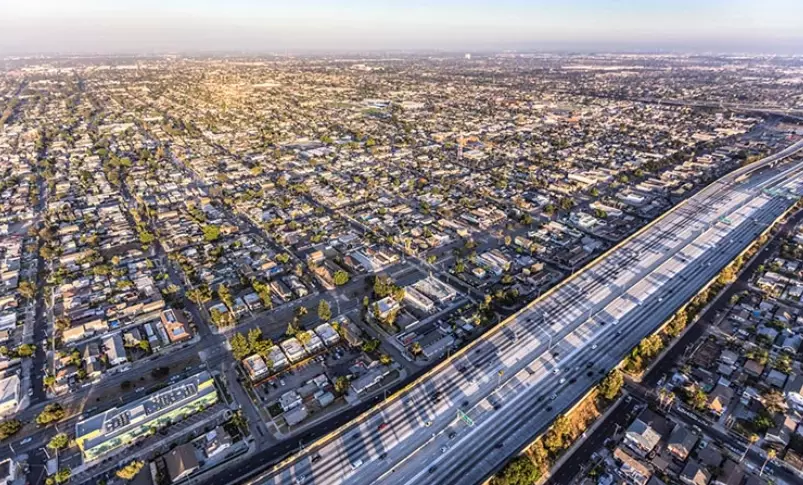
Community networks here are incredibly strong. Neighbors know each other. There are block clubs, neighborhood watch groups (that actually function), and churches that are central hubs. There's a sense of looking out for one another that I haven't felt in some more affluent, "safer" parts of town where everyone lives behind gates. The perception of danger from outside often doesn't match the lived experience of many residents who take normal, smart precautions.
But you have to be aware.
It's block-by-block. A street can be quiet and full of families, and the next one over might have more visible issues. Driving around at different times of day is non-negotiable if you're considering moving here. Talk to people at the local grocery store or coffee shop.
Schools: Navigating the Options
This is a major pain point for families. The Los Angeles Unified School District (LAUSD) serves most of these areas. Like anywhere in LA, school quality varies widely. Some schools are under-resourced and face big challenges. Others are hidden gems with dedicated teachers and strong programs.
Your research has to be hyper-local. Don't just look at district ratings. Dig into:
- Magnet and Charter Schools: There are highly sought-after options like the 28th Street Elementary Magnet (a performing arts magnet) or View Park Prep charter schools. Getting in often involves lotteries.
- Specific Programs: Some neighborhood schools have amazing robotics, music, or language immersion programs that don't show up in top-line scores.
- Parent Involvement: The schools with active PTAs often punch above their weight. This is a critical factor.
Honestly, the school question leads many middle-class families in South Central LA cities to consider private or parochial schools, which adds a significant financial layer. It's a tough calculus.
The Housing Scene: Affordability vs. Inventory
Here's the biggest draw for many: relative affordability. Compared to West LA, Hollywood, or even parts of the Eastside, you get more space for your money in South Central LA neighborhoods. You can still find a standalone house with a yard for a price that would only get you a condo elsewhere.
| Neighborhood / Area | Housing Vibe | Notable Point |
|---|---|---|
| Baldwin Hills | Mid-century homes, views, higher prices. | The "Black Beverly Hills," more affluent. |
| Crenshaw District | Mix of older apartments, duplexes, and single-family homes. | Central location, rapid change near the new rail line. |
| View Park-Windsor Hills | Stunning hillside homes, curvy streets, lush. | Historic preservation area, very desirable. |
| Hyde Park | Classic LA bungalows, more modest lots. | Strong sense of community, family-oriented. |
| Vermont-Slauson | Post-war homes, good condition, grid streets. | Great value, close to amenities. |
But "affordable" is a moving target. Prices have risen significantly in the last decade. Gentrification is a very real and heated topic, especially along the Crenshaw/LAX Metro Rail line that's now open. New, boxy apartment buildings are going up next to older homes. Long-time residents are worried about being priced out. For a buyer or renter, it means you might find a deal, but you're also entering a dynamic, sometimes tense, housing market.
Getting Around: The Transportation Mix
You will need a car. Let's just state that upfront. Public transit exists and is improving, but LA is a car city, and South Central is no exception. The big game-changer is the Metro K (Crenshaw/LAX) Line. It now connects the Expo Line (which goes to Santa Monica and Downtown) through Crenshaw, Leimert Park, and Hyde Park, down to LAX. This is huge for commuting and has already impacted development.
Major arteries like Crenshaw, Slauson, Vermont, Western, and Martin Luther King Jr. Blvd can get very congested during rush hour. Traffic is a fact of life. Parking is generally easier than on the Westside, but always check the specific block for permit requirements.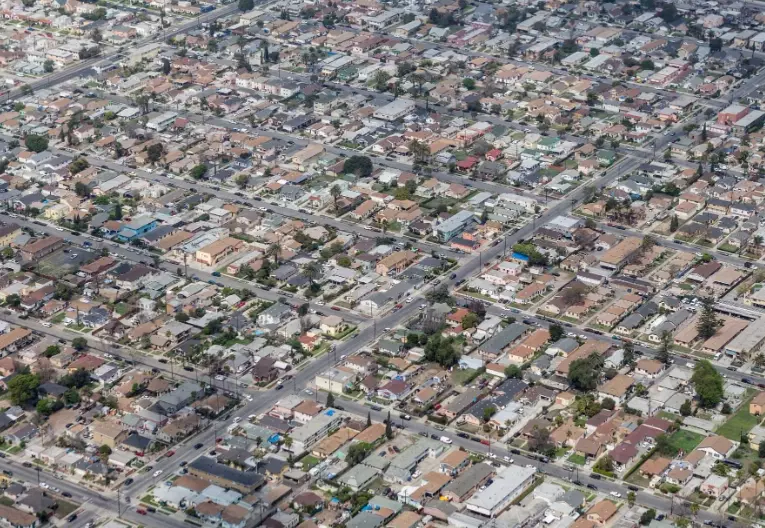
The Culture and Vibe: What Makes South Central LA Special
This is the part that often gets glossed over in dry guides, but it's the main reason people love these communities. The cultural output from this region is staggering.
Food is a religion. Forget fancy tasting menus. This is where you get life-changing:
- BBQ: Legendary spots like Woody's Bar-B-Que (get the hot links).
- Soul Food: Dinners that feel like a hug. My personal favorite is a tiny spot on Degnan where the mac and cheese has a perfect crust.
- Central American Food: The pupusa trucks and restaurants along Vermont are next level.
- Street Food: Bacon-wrapped hot dogs? Born here. Taco stands on every other corner.
Music and Arts are in the soil. From the jazz of Leimert Park to the hip-hop that defined a generation (N.W.A., Kendrick Lamar's roots in Compton which neighbors the area), the soundscape is rich. The California African American Museum (CAAM) in Exposition Park is a world-class institution. Murals tell stories on walls everywhere.
It's not always pretty or polished. Sometimes it's loud. Sometimes there's friction.
But it's alive. It's not a curated experience. It's real. That authenticity is what people are searching for when they look beyond the stereotypes of South Central LA cities.
Your Burning Questions, Answered Honestly
It can be, but with major caveats. The long-term trend, especially with the new Metro line, points towards appreciation. However, this is not a flip-in-two-years market. You need to be prepared to hold for a while. The neighborhood is still in transition, and values can be volatile based on broader economic factors and the pace of local development. Do not buy here purely as a speculative investment without understanding the community dynamics. Buying to live in for the long haul? That's a different, and for many, a more compelling story.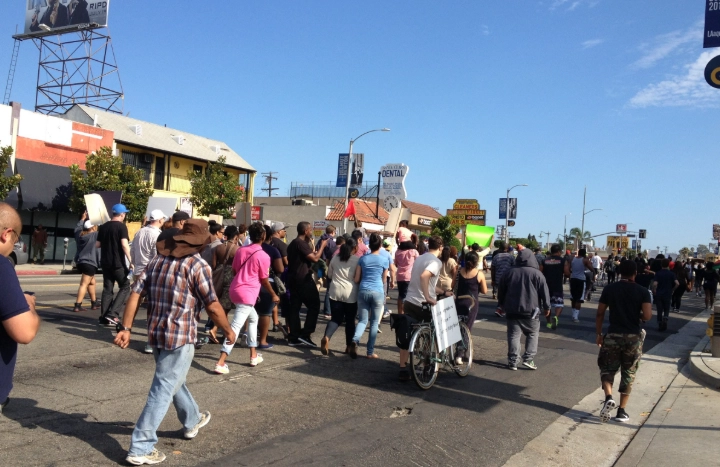
They capture a grain of truth but magnify it for drama. The 90s era gang violence was very real and had devastating consequences. Today, that intensity has receded in many areas, though challenges remain. The media almost never shows the normal, everyday life of families going to work, kids playing in parks, and community festivals. It's a distorted lens. Come see for yourself.
That it's a monolithic, dangerous no-go zone. The diversity within South Central LA cities is astounding—economically, culturally, and in terms of lived experience. The difference between View Park and parts of Watts is like different worlds. The other misconception is that it's all "up-and-coming" in a shiny new way. The change is happening, but it's layered on top of deep, old roots that aren't going anywhere.
This is delicate. If you come with respect, a willingness to listen and learn, and you support local businesses, you'll likely be fine. People are generally friendly. But if you come with a "savior" complex or openly treat the neighborhood as your frontier, you will rightfully get side-eye. Understand that you are moving into an established community with its own rules and rhythms. Integrate, don't invade. Go to the local church or community council meeting. Be a neighbor, not a tourist in your own home.
The Bottom Line: A Region in Its Own Words
Trying to sum up the South Central LA cities and neighborhoods in a neat conclusion feels wrong. It's too dynamic. Some days it feels like it's on the brink of dramatic change, other days the weight of history is palpable on every street corner.
For anyone considering this part of Los Angeles—to live, to invest, to understand—you have to do the work. Look past the search term. The neighborhoods within South Central LA are some of the most culturally rich, historically significant, and complex communities in the entire country. They offer a version of the American city that is raw, real, and endlessly creative.
It has its problems. I wouldn't sugarcoat that. The infrastructure can be lacking, the schools are a challenge, and inequality is visible. But the spirit here? It's tough to match. The food, the music, the art, the sheer will of the people who have built lives and legacies here—that's what defines it.
So, use this guide as a starting point. Then, get off the internet. Go ride the new K Line. Get a meal at a restaurant where you're the only one who doesn't look like the regulars. Walk around Leimert Park. Talk to people. Your own experience will tell you more than any article, including this one, ever could.
Reader Comments