Quick Guide to the Painted Desert
- What Exactly Is the Painted Desert?
- The Big Question: Is Painted Desert Worth It? Let's Break It Down
- Your Practical Guide to Visiting (Making It Worth Your While)
- How Does It Compare? Alternative Desert Destinations
- Frequently Asked Questions (Stuff You're Actually Wondering)
- Final Verdict: So, Is the Painted Desert Worth Visiting?
Let's be honest. You're probably staring at pictures of those striped, colorful badlands in Arizona, wondering if it's just another overhyped Instagram spot or a genuine can't-miss wonder. I get it. I've been there, both literally and figuratively. Planning a trip out to the desert Southwest involves time, money, and precious vacation days. You don't want to waste any of it.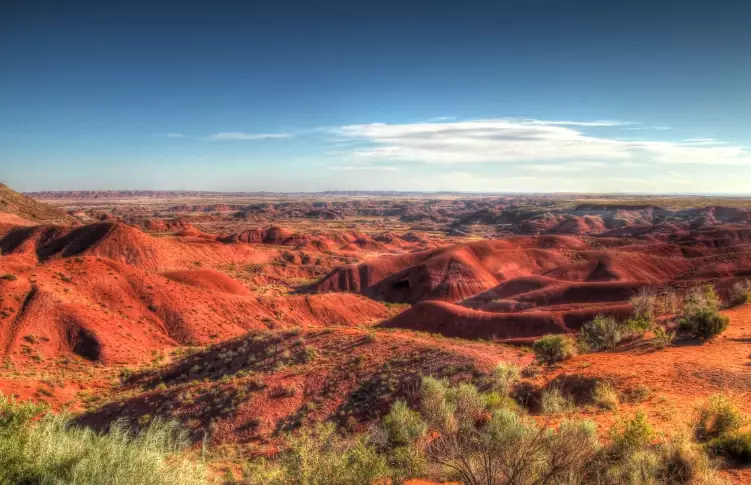
So, is the Painted Desert worth it?
I drove the whole length of it, stopped at every overlook, talked to rangers, and got sunburned in the process. This isn't a fluffy promotional piece. It's a straight-talking, detail-packed guide to help you figure out if this place matches what you're looking for in a trip. We'll dig into the breathtaking views, the potential letdowns, how to plan your visit, and what you might want to do instead.
The Short Answer: For most travelers on a classic Southwest road trip (think Grand Canyon, Monument Valley, Sedona), the Painted Desert is absolutely worth a visit, primarily because it's the stunning northern entrance to the incredible Petrified Forest National Park. It's a low-effort, high-reward scenic drive. However, if you're expecting a hiking paradise or a standalone multi-day destination, you might find it lacking. Your answer to "Is Painted Desert worth it?" depends entirely on your travel style and expectations.
What Exactly Is the Painted Desert?
First, a little clarity because this trips up a lot of people. The Painted Desert isn't a separate park or town. It's a vast, named geological formation covering over 93,500 acres of colorful badlands. The most famous and accessible section runs through the northern part of Petrified Forest National Park. When people ask "Is Painted Desert worth visiting?", they're almost always talking about this park area.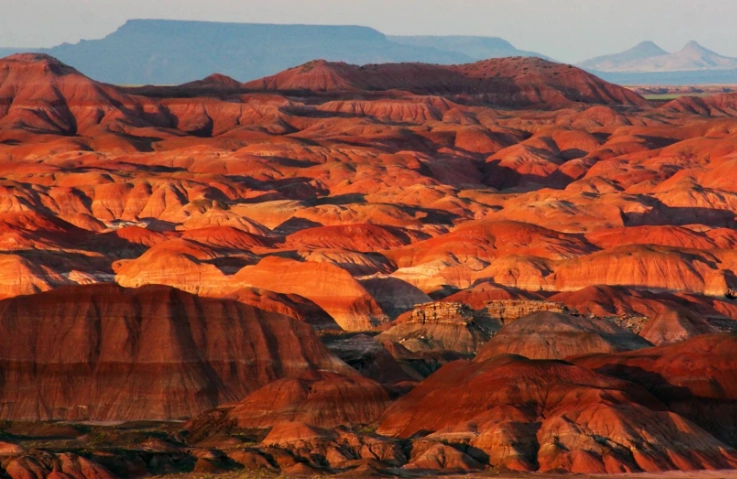
The colors? They're real. Layers of siltstone, mudstone, and shale contain different minerals like iron and manganese, which oxidize into those bands of lavender, red, orange, and gray. It looks like a giant melted a box of Neapolitan ice cream and spilled it across the desert.
The scale is what gets you. It goes on for miles, silent and ancient. It feels less like a landscape and more like a painting of a landscape.
The Big Question: Is Painted Desert Worth It? Let's Break It Down
Instead of a simple yes or no, let's weigh the pros and cons. This is the core of your decision.
Reasons Why the Painted Desert IS Worth It (The Pros)
- Unmatched, Easy-to-See Beauty: You don't need to hike for hours. The views are right there from the park road (I-40) and a series of well-maintained overlooks. For photographers, families with young kids, or anyone with mobility issues, this is a huge win. Sunrise and sunset here are genuinely magical, with the low light making the colors pop in a way midday sun just can't match.
- It's Part of a Two-for-One Deal: Your park entry fee gets you both the Painted Desert in the north AND the Petrified Forest in the south. The petrified wood is mind-blowing—huge, colorful logs that look like they were cut yesterday, but are over 200 million years old. Asking "is Painted Desert worth it" without considering the petrified wood is like only eating the topping off a pizza.
- A Perfect Road Trip Break: Stuck driving the long stretch of I-40 across Arizona? The park is literally right off the highway. You can see the major highlights in 2-3 hours, stretching your legs with some of the best scenery on the entire interstate. It breaks up the monotony in the best way possible.
- Rich History and Culture: This isn't just a pretty face. You'll find ancient Pueblo petroglyphs at Newspaper Rock and the remains of a 13th-century village at Puerco Pueblo. The National Park Service's history pages detail the deep human connection to this land, from early indigenous peoples to Route 66 travelers (a preserved 1930s car sits at the Painted Desert Inn). It adds a layer of meaning to the visit.
Reasons You Might Be Disappointed (The Cons)
- Limited Hiking: This is the biggest complaint, and it's valid. Most of the Painted Desert section is about viewing from overlooks. There are a few short trails (like the easy Painted Desert Rim Trail), but you can't just wander off into those colorful hills. The fragile soil erodes easily, so access is restricted to protect it. If your ideal park day involves a 10-mile backcountry trek, this isn't it.
- It Can Feel Passive: Drive, stop, look, take a photo, drive to the next stop. For some, this feels too much like a museum exhibit. The experience is more observational than immersive compared to parks where you can climb into the scenery.
- The Summer Heat is No Joke: We're talking Arizona desert highs well over 100°F (38°C). If you visit in July or August, even short walks can be draining and potentially dangerous without serious preparation (water, sun protection, timing). The beauty fades fast when you're overheating.
- Remote Location: While it's on I-40, it's not near a major city. The nearest towns (Holbrook, Winslow) have basic services but aren't destinations themselves. You need to plan your lodging and meals.
So, where does that leave us? For the scenic driver, the curious road-tripper, the geology buff, or the photographer chasing light, it's a resounding yes. For the hardcore backpacker seeking solitude on a trail, maybe not. The value of the Painted Desert is inextricably linked to how you use it.
Your Practical Guide to Visiting (Making It Worth Your While)
If you're leaning towards going, doing it right is the difference between a good trip and a great one. Here’s how to max out your visit.
Best Time to Visit
This is non-negotiable for a good experience.
- Top Choice: Spring (April-May) & Fall (September-October): Mild temperatures, wildflowers in spring, comfortable for walking. Perfect.
- Good Alternative: Winter (November-February): Can be cold and windy, but you'll have the place mostly to yourself. Snow dusting the colorful hills is a rare and spectacular sight.
- Proceed with Caution: Summer (June-August): Only if you must. Visit at opening (8 AM) or in the late afternoon/evening. Carry gallons of water, not bottles.
How to Get There and Get Around
The park has two entrances off I-40, about 25 miles apart. The north entrance near I-40 and Exit 311 is the Painted Desert Visitor Center. The south entrance is near Holbrook. The park road is a 28-mile one-way scenic drive connecting them. You cannot drive back the same way. Plan to exit at the opposite end from where you entered.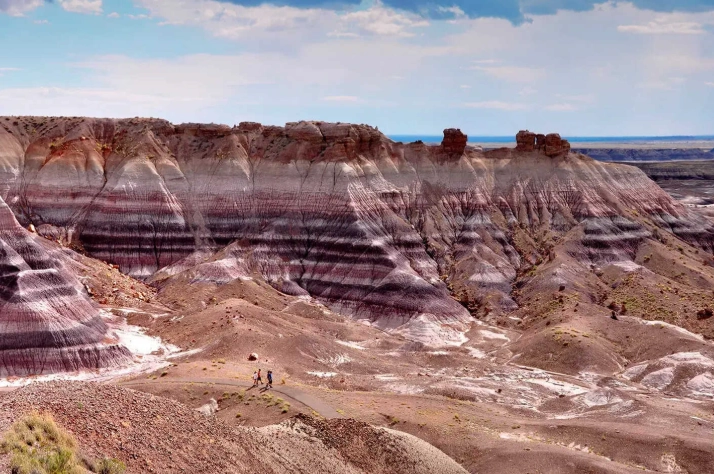
What Does It Cost?
Park entrance fee is $25 per vehicle (good for 7 days). If you visit multiple national parks in a year, the America the Beautiful Annual Pass ($80) is a steal. Money well spent.
Must-See Stops Along the Scenic Drive
Don't just blow through. Stop at these spots to answer "Is Painted Desert worth it?" for yourself:
- Tawa Point: The first big overlook. The sheer scope hits you here.
- Painted Desert Inn National Historic Landmark: A beautifully restored 1930s inn. Even if you don't go in, the view from the porch is iconic.
- Kachina Point & the Rim Trail: Walk a section of this easy, flat trail for changing perspectives.
- Blue Mesa: This is where the park shifts. You drive down into a world of blue and purple badlands and can walk the 1-mile loop trail among them. It's a highlight.
- Newspaper Rock: Use the provided viewers to see hundreds of ancient petroglyphs on the rocks below.
- The Teepees: Striking cone-shaped hills banded in color.
- Crystal Forest & Giant Logs Trails: In the southern section, walk among the most dense and colorful concentrations of petrified wood. It feels surreal.
How Does It Compare? Alternative Desert Destinations
Still on the fence? Let's see how it stacks up against other famous colorful landscapes. This table might help you decide based on what you prioritize.
| Destination | Key Feature | Best For | Effort Level | My Take |
|---|---|---|---|---|
| Painted Desert (AZ) | Vast, layered colorful vistas from overlooks + Petrified Wood | Scenic drives, easy access, photography, geology, families | Low to Moderate (mostly viewing) | The ultimate convenient, two-in-one scenic experience. Less physically demanding. |
| Bryce Canyon (UT) | Intricate hoodoos (spire-shaped rock formations) in amphitheaters | Hiking down among formations, sunrise/sunset photography | Moderate to High (involves hiking) | More immersive. You hike *into* the wonder. More crowded. |
| Badlands (SD) | Sharp, eroded buttes and pinnacles in a grassy prairie | Hiking, wildlife (bison, bighorn sheep), less crowded feels | Moderate (good mix of drive & hike) | Wilder feeling. You can hike anywhere off-trail. Combines scenery with wildlife. |
| Chiricahua (AZ) | A "Wonderland of Rocks" – dense clusters of rhyolite pinnacles | Serious hiking among rock labyrinths, solitude | High (hiking required) | If you want to feel tiny among a maze of rocks, this is it. Far less visited. |
See the pattern? The Painted Desert offers the most accessible, concentrated dose of colorful geology with minimal physical commitment. It's the efficiency expert of beautiful deserts.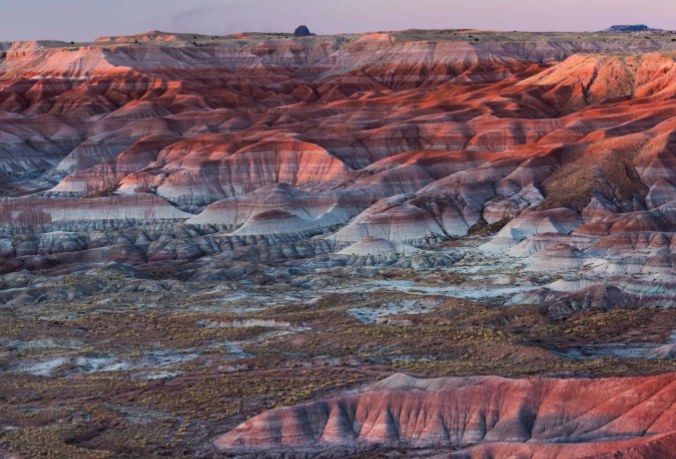
Frequently Asked Questions (Stuff You're Actually Wondering)
Final Verdict: So, Is the Painted Desert Worth Visiting?
Let's circle back. After all this, what's the final call?
If you are road-tripping through Northern Arizona on I-40 or Route 66, the answer is a definitive YES. The detour is minimal, the cost is reasonable, and the payoff—a stunning, easy-to-digest landscape paired with the wonder of the petrified forest—is high. It's a quintessential Southwest experience. It solves the traveler's dilemma of wanting to see epic scenery without an epic hike.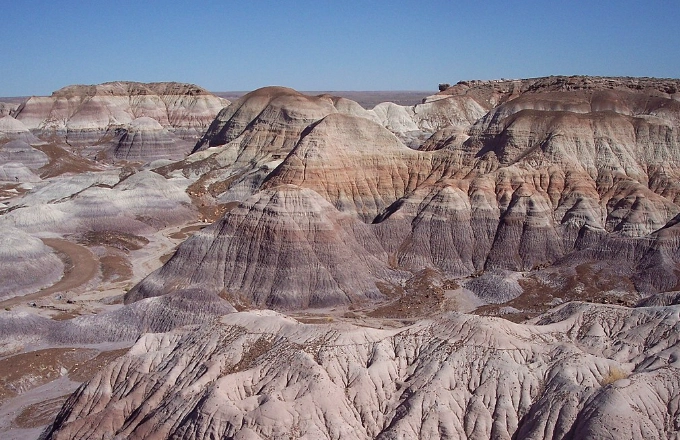
If you are planning a dedicated vacation to only this park from a far distance, you might find it a bit thin for multiple days. In that case, pair it with the Grand Canyon (2 hours west), Meteor Crater (30 minutes west), or the Hopi Mesas.
The beauty of the Painted Desert is in its stark, silent grandeur. It won't entertain you with waterfalls or wildlife jams. It asks you to slow down, look closely, and appreciate the slow, painting hand of geological time. For that unique experience alone, for most people wondering "Is Painted Desert worth it?", the answer leans heavily towards yes.
Just bring water. And go at sunrise.
Reader Comments