Quick Navigation
- Getting Specific: The Exact Geography and Coordinates
- How to Get to Bear Lake: Driving Directions from Major Cities
- Why Is It Called the "Caribbean of the Rockies"?
- What's Around Bear Lake? More Than Just Water
- Best Things to Do at Bear Lake (By Season)
- Where to Stay: Lodging Options Around the Lake
- Frequently Asked Questions (Your Questions, Answered)
- Final Thoughts on Finding This Gem
So you're planning a trip and keep hearing about this place called Bear Lake. Maybe a friend posted stunning photos of turquoise water against a mountain backdrop, or you saw it on a list of "hidden gems." The first question that pops into your head is a simple one: where is Bear Lake located in Utah, exactly? It sounds like it should be easy to find, but if you're staring at a map of Utah, it's not immediately obvious.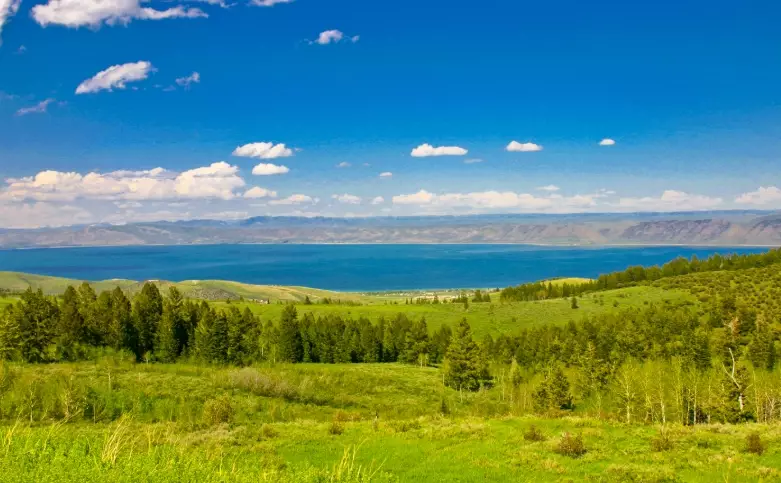
Let me clear that up right away. When people ask where is Bear Lake located in Utah, the answer isn't just a town or a park. It's a whole region straddling a state line. The lake itself is massive—about 20 miles long and 8 miles wide—and it sits right on the border between Utah and Idaho. The Utah side is tucked up in the far northeastern corner of the state. I remember the first time I drove there, I was surprised by how long it took to get "up and over" from the Wasatch Front. You feel like you're leaving Utah for a bit, heading into wide-open ranch land and rolling hills before the lake appears.
Quick Answer: Bear Lake is located in Rich County, in northeastern Utah. Its precise geographic coordinates are approximately 41°57′N 111°24′W. The lake is split almost evenly between Utah and Idaho, with the state border running right through it. The main hub on the Utah side is the town of Garden City.
But just giving you coordinates or a county name doesn't really help you plan a trip, does it? You need to know what's around it, how to get there, and what makes it worth the drive. That's what we're going to dig into. This isn't just a pin on a map; it's a destination with its own unique character, history, and a color of water you won't believe until you see it.
Getting Specific: The Exact Geography and Coordinates
Alright, let's get into the nitty-gritty. If you're looking at a detailed map, you'll find Bear Lake nestled in a high-elevation valley called the Bear Lake Valley. It's not surrounded by the jaggy, steep peaks you see in the central Wasatch Mountains near Salt Lake City. Instead, it's cradled by the more gradual slopes of the Bear River Mountains on the west and the Wasatch Range on the east. This creates a huge, flat basin where the lake sits.
The lake's elevation is about 5,923 feet (1,805 meters) above sea level. That's high enough to keep things cool in the summer but can mean an early winter. The entire lake covers roughly 109 square miles. Now, here's a crucial detail many first-timers miss: the state border runs north-south through the lake. So when you're trying to figure out where is Bear Lake located in Utah, you're really only talking about the southern and eastern portions of the lake. The western and northern shores are in Idaho.
This split ownership leads to some fun trivia. There are two state parks right next to each other: Bear Lake State Park on the Utah side and Bear Lake State Park (again) on the Idaho side. They're managed separately but for the same gorgeous body of water.
Key Landmarks and Nearby Towns
You can't talk about location without knowing where to aim your GPS. On the Utah side, everything revolves around Garden City. It's not a big city by any stretch—more of a wide spot in the road that explodes with visitors in the summer. But it's where you'll find most of the amenities: famous raspberry shakes, marinas, condo rentals, and restaurants.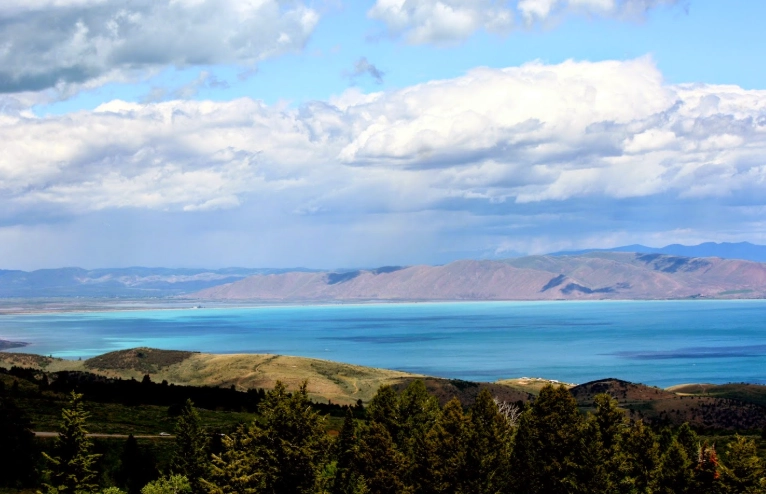
Other key spots around the lake:
- Rendezvous Beach: At the very south end of the lake. A huge, popular beach area with camping. This is often the first view people get of the lake when coming from Logan.
- Ideal Beach & Cisco Beach: Areas on the east side, known for their resorts and access points.
- Laketown: A tiny, quiet town a few miles south of Garden City. It feels more like a farming community.
- St. Charles, Idaho: Just across the border on the north side. Home to the Idaho Bear Lake State Park Marina.
How to Get to Bear Lake: Driving Directions from Major Cities
This is the practical stuff. Bear Lake isn't served by any major airport. Your journey will be a road trip, and the scenery is part of the adventure. Here’s how to get there from key starting points.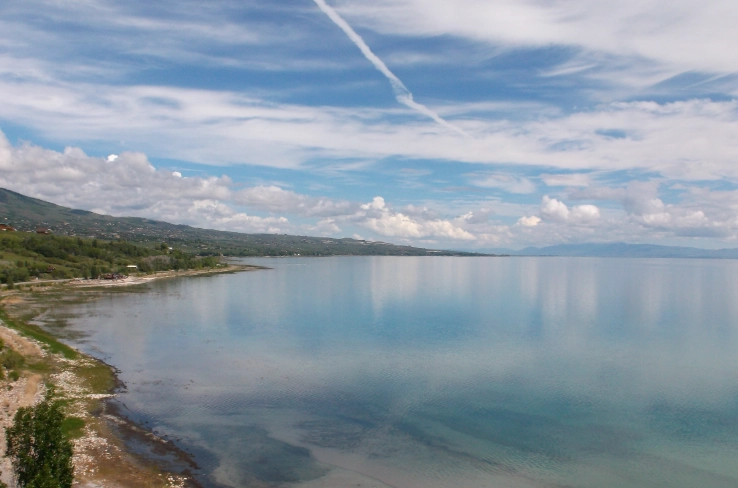
From Salt Lake City (The Most Common Route):
Take I-15 north to Brigham City (Exit 364). Then head east on Highway 89/91 through the beautiful Cache Valley. You'll pass through the city of Logan. From Logan, take US-89 up and over the mountain pass. This is the part that catches people off guard—it's a winding, steep climb up Logan Canyon, followed by a descent into the Bear Lake Valley. The "Welcome to Bear Lake" view from the summit is iconic. Total drive time is about 2.5 to 3 hours for 120 miles.
I have to be honest, that drive through Logan Canyon is stunning in summer and fall, but it can be a white-knuckle experience in a winter storm. The Utah Department of Transportation does a good job plowing, but always check road conditions before you go between October and April.
From Jackson Hole, Wyoming or Southern Idaho:
If you're coming from the north or east, you'll likely come down US-89 from the Idaho side. It's a straighter, less mountainous drive through rural farmland. From Idaho Falls, it's about a 90-minute drive south on US-89.
From Park City or Heber City:
You have a scenic backdoor option. Take Highway 40 east past Strawberry Reservoir, then head north on Highway 32 through Woodland and Francis, eventually connecting to US-89 in Wyoming before dropping south to the lake. It's longer but avoids I-15 and shows you a different side of the region.
Pro Tip: Don't just rely on your phone's GPS once you're near the lake. Service can be spotty in the canyons and around the water. Download offline maps or have a good old-fashioned paper map as a backup. Knowing where is Bear Lake located in Utah is one thing; navigating the last few miles without a signal is another.
Why Is It Called the "Caribbean of the Rockies"?
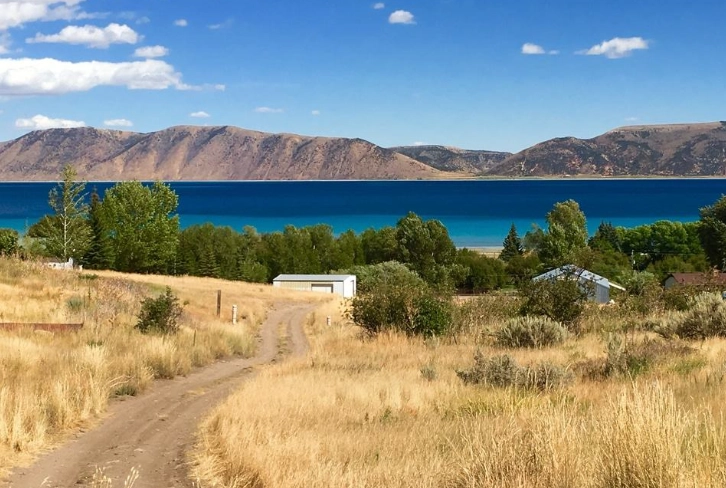
You'll see this nickname everywhere. And when you first see the water, you'll get it. On a sunny day, the lake shines in incredible shades of turquoise and deep blue. It doesn't look like any other mountain lake in Utah. The reason is science, not magic.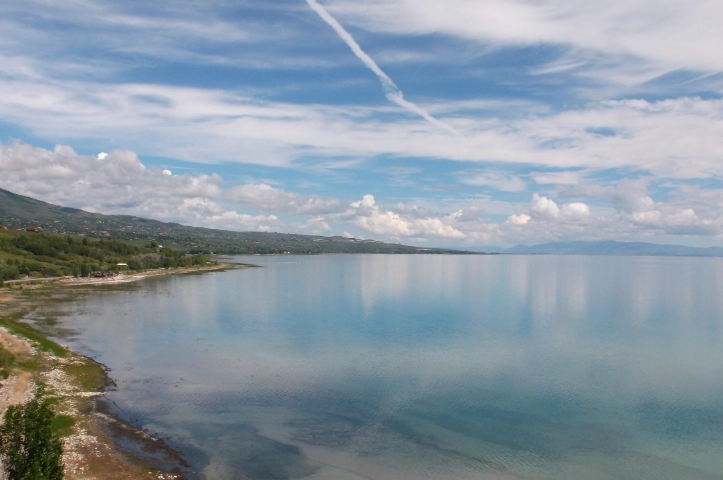
Bear Lake is a natural limestone sink, fed primarily by springs and snowmelt from the surrounding mountains. The water is exceptionally clear. The limestone sediment in the water—called "calcium carbonate"—suspends in the water column. These tiny particles scatter sunlight, reflecting the blue-green wavelengths back to our eyes. It's the same basic principle that makes tropical oceans look turquoise, just with a different mineral source.
The clarity is astonishing. On a calm day, you can see down 20-30 feet in some areas. This isn't a murky, silty reservoir. It's ancient, clean, and unique. This unique property is why the lake is often the central point of the question where is Bear Lake located in Utah—people are searching for that specific, colorful water they've heard about.
What's Around Bear Lake? More Than Just Water
Thinking about where is Bear Lake located in Utah also means understanding its context. It's not an isolated puddle. The region is rich with other things to see and do, which makes the drive even more worthwhile.
- Minnetonka Cave: About 45 minutes north of Garden City in Idaho. A fantastic, professionally guided tour through a large limestone cave. A perfect activity for a hot afternoon or a rainy day.
- Cache National Forest / Wasatch-Cache National Forest: The mountains surrounding the lake are crisscrossed with trails for hiking, mountain biking, and ATV riding. In the fall, the aspen groves are breathtaking.
- Historic Sites: This area was a key rendezvous point for fur trappers in the 1820s. You'll find monuments and markers, like at Rendezvous Beach, detailing this history.
- Raspberry Farms: The microclimate around the lake is perfect for growing raspberries. In late July and August, you can buy them fresh from local stands. And you absolutely must try a raspberry shake—they're a regional obsession.
Best Things to Do at Bear Lake (By Season)
The answer to "what should I do?" depends entirely on when you visit. The vibe changes drastically.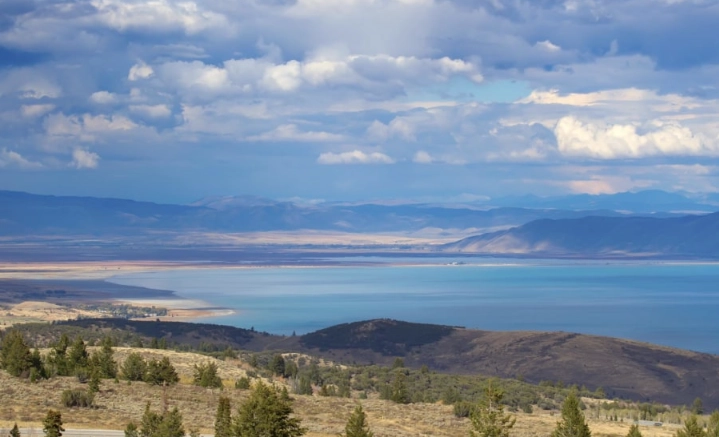
| Season | Top Activities | What to Know |
|---|---|---|
| Summer (June-Aug) | Boating, jet-skiing, swimming, beach camping, raspberry festivals, hiking. | This is peak season. It gets BUSY, especially on weekends. Marinas rent boats and jetskis. Water temps are pleasant (70s). Book everything well in advance. |
| Fall (Sept-Oct) | Scenic drives (Logan Canyon is unreal), hiking, fishing, ATV riding, enjoying smaller crowds. | My personal favorite time. The crowds vanish, the bugs are gone, and the mountains are on fire with color. Water activities are cold but still possible on warm days. |
| Winter (Nov-Mar) | Ice fishing, snowmobiling, cross-country skiing, winter festivals. | The lake often freezes over thick enough for ice fishing villages to pop up. The surrounding forests have epic snowmobile trails. It's quiet and cold. |
| Spring (Apr-May) | Bird watching, fishing, early hiking (lower trails), prepping for summer. | The "muddy" shoulder season. Some services may not be open yet. Can be windy. But it's the time for solitude and watching the valley come back to life. |
One thing I learned the hard way: don't underestimate the sun and altitude. You're at nearly 6,000 feet, reflected off bright blue water. Sunburn happens fast. Pack strong sunscreen, a hat, and sunglasses.
Where to Stay: Lodging Options Around the Lake
Once you know where is Bear Lake located in Utah, the next question is where to lay your head. Options range from rustic to comfortable.
- Camping: This is huge here. The Utah State Parks run excellent campgrounds at Rendezvous Beach and East Beach. They have sites with hookups and primitive sites. They book up months in advance for summer weekends. The Recreation.gov website is your friend for reservations. There's also dispersed camping in the nearby national forest.
- Condos & Vacation Rentals: Garden City is lined with condo complexes. They're great for families—you get a kitchen, multiple bedrooms, and often a view. VRBO and Airbnb have many listings.
- Hotels & Motels: Choices are more limited but exist in Garden City. Think clean, functional, and often priced for the high summer demand. Don't expect luxury chains.
- Resorts: A few older, family-oriented resorts like Ideal Beach Resort offer a mix of cabins, motel rooms, and RV sites right on the water.
Frequently Asked Questions (Your Questions, Answered)
Final Thoughts on Finding This Gem
So, when someone asks you where is Bear Lake located in Utah, you can now give them the full picture. It's not just a spot on a map in Rich County. It's a destination defined by a stunning turquoise lake straddling a state border, reached by a beautiful canyon drive, centered around a small town famous for raspberry shakes, and offering a mix of water sports, mountain adventures, and sheer relaxation.
Its location—somewhat remote but accessible—is part of its charm. It feels like a getaway. It doesn't have the overwhelming corporate feel of some major resort areas. It's families on beaches, retirees fishing, groups renting pontoon boats, and everyone lining up for a shake at the end of the day.
Do your research, check the Utah State Parks website for Bear Lake for current conditions and fees, pack for the sun and altitude, and go see for yourself what makes this corner of Utah so special. Knowing precisely where it is is just the first step to enjoying it.
Reader Comments