Let's be honest. When you search "Red Canyon," you're almost certainly thinking of the granddaddy of them all: the Grand Canyon in Arizona. That iconic, vast expanse of layered red and orange rock is what defines the term for most travelers. I've lost count of my visits over the years, and every single time, that first glimpse from the rim still hits me in the chest. It's not just a view; it's a feeling. But a lot of people get it wrong. They show up at noon in July, walk to the crowded railing at Mather Point, snap a photo, and leave wondering what the big deal is. This guide is here to make sure that isn't you. We're going beyond the postcard to plan a trip that's actually memorable.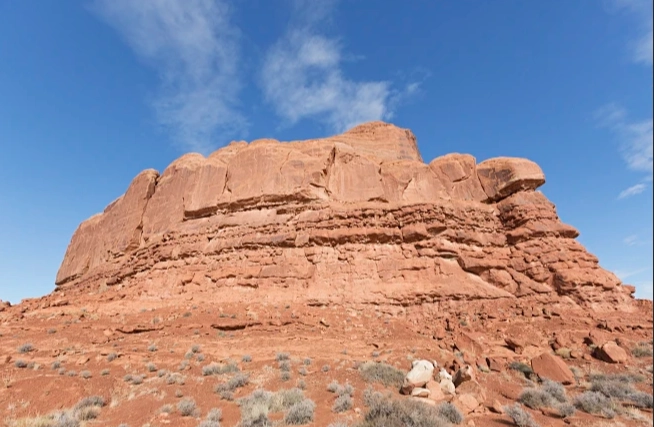
Your Red Canyon Trip at a Glance
Why Visit the Red Canyon (Grand Canyon)?
It's one of those places that's hard to describe until you're there. The scale is incomprehensible. You can see storms happening miles away on the other side. The colors change from fiery red at sunrise to deep purple at dusk. Geologically, it's a history book of the Earth, with rock layers telling a story nearly two billion years old, according to the U.S. Geological Survey.
But here's the non-consensus part: its beauty is matched by its ability to humble you. This isn't a manicured park. It's wild, rugged, and demands respect. That combination of awe and slight intimidation is what makes it special. You don't just see it; you feel it.
Planning Your Red Canyon Trip: A Step-by-Step Guide
Think of this as your checklist. Miss one of these, and your trip gets harder.
Step 1: Nail the Timing
Best Time to Visit: Spring (April-May) and Fall (September-October). The weather is mild, crowds are thinner than summer, and everything is open. Summer (June-August) is packed and scorching hot on the rim, lethally hot inside the canyon. Winter (November-March) is cold with possible snow and ice, but the crowds are minimal, and the snow-dusted canyon is magical. The North Rim is closed from mid-October to mid-May.
Step 2: Get Your Permits and Passes
Entrance Fee: $35 per private vehicle, valid for 7 days. If you visit more than two national parks a year, just buy the $80 America the Beautiful Annual Pass.
Backcountry Hiking: If you plan to camp below the rim (like at Bright Angel Campground), you need a permit from the National Park Service Backcountry Information Center. These can be extremely competitive—apply four months in advance.
Step 3: Choose Your Base
South Rim (Main Visitor Area):
Address for your GPS: Grand Canyon National Park, Arizona 86023 (this will get you to the general area).
Getting There: A 1.5-hour drive from Flagstaff, 4.5 hours from Las Vegas, or 3.5 hours from Phoenix.
Parking: A nightmare in peak season. Use the free Park & Ride lot at the Grand Canyon Visitor Center. It's massive and connects to the shuttle system.
Pro Move: Don't drive from viewpoint to viewpoint. The park's free shuttle buses (Hermit Road Route, Village Route, Kaibab Rim Route) are efficient and save you the headache of finding parking at every stop. The Hermit Road (Red Route) is only accessible by shuttle bus from March to November.
Top Things to See and Do at the Red Canyon
Don't just chase the famous viewpoints. Mix iconic spots with quieter experiences.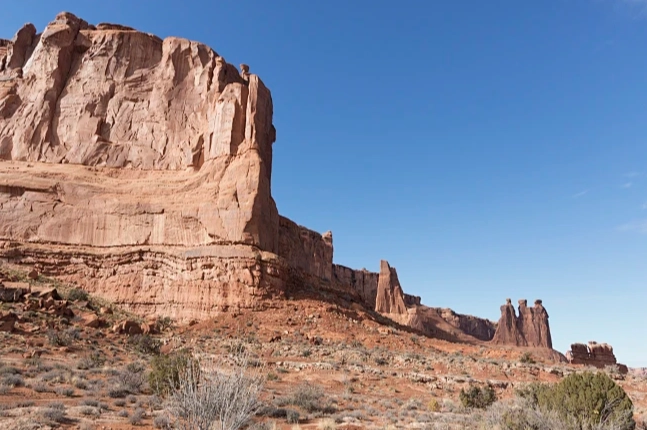
Sunrise at Mather Point or Yavapai Point: Yes, it's crowded. Yes, it's worth it. Get there at least 30 minutes before sunrise. The way the light creeps down the canyon walls is something you'll remember forever.
Hike Below the Rim (Even a Little): The view changes completely when you descend. For a manageable taste:
- South Kaibab Trail to Ooh Aah Point (1.8 mi round trip): Steeper, better views faster.
- Bright Angel Trail to the 1.5 Mile Resthouse (3 mi round trip): More gradual, has water seasonally.
Remember: Going down is optional. Coming up is mandatory. It's twice as hard and takes longer.
Desert View Drive: The 25-mile drive east from Grand Canyon Village to the Desert View Watchtower is stunning. Pull over at Lipan Point for what I consider the most panoramic view in the park. Fewer tour buses make it out here.
Skip the IMAX Theater in Tusayan. You came to see the real thing. Spend that hour and money on a ranger talk instead. The ones on geology at Yavapai Point are fantastic.
Where to Stay Near the Red Canyon
Book at least 6-12 months in advance for in-park lodges, especially for prime seasons. Here’s the breakdown:
| Type | Best For | Price Range (per night) | Notes |
|---|---|---|---|
| In-Park Lodge (South Rim) | Ultimate convenience, walking to rim | $250 - $500+ | Bright Angel Lodge & El Tovar are historic classics. Phantom Ranch (at the bottom) is a unique bucket-list stay. |
| Tusayan (Town just south of park) | More hotel options, restaurants | $150 - $350 | You'll deal with park traffic each morning. Check for shuttle services from your hotel. |
| Flagstaff or Williams | Budget, wider selection | $100 - $250 | Adds a 1-1.5 hour commute each way. Only do this if you're on a tight budget or everything else is sold out. |
| Camping (Mather Campground) | Budget, immersion in nature | $35 | Reservations essential. Showers available nearby for a fee. |
Essential Red Canyon Travel Tips from a Local
These are the things I tell my friends before they go.
Hydration is a non-negotiable job. The air is extremely dry. Drink water constantly, even if you're not thirsty. On hikes, carry a minimum of 1 liter per person for every 2 hours you plan to be out. I've seen too many people get woozy on the trail from simple dehydration.
The biggest mistake? Trying to hike from the rim to the river and back in one day. The park strongly discourages this for good reason. It's a 14-16 mile round trip with over 4,000 feet of elevation gain in extreme heat. Every year, hundreds of people need rescue attempting this. Respect the canyon.
For photography, the light is best within two hours of sunrise and sunset. Midday light is harsh and flat. Use a polarizing filter to cut the haze and make the reds pop.
Leave No Trace. This isn't a city park. Pack out all trash, stay on designated trails, and don't feed the wildlife (the squirrels are bold and will try).
Your Red Canyon Questions Answered (FAQ)
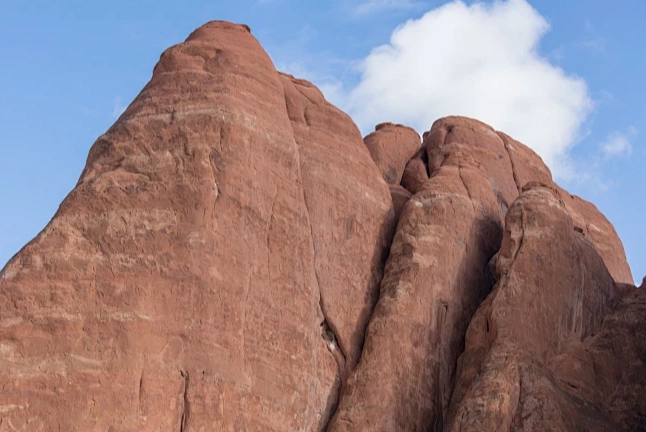 What is the single best hike for great views without being too difficult?
Planning a trip to the Red Canyon—the Grand Canyon—doesn't have to be overwhelming. It's about making a few smart choices: when to go, where to stay, and committing to getting out of the car and onto a trail, even for just an hour. That's where the magic is. See you on the rim.
Reader Comments