Straddling the border between Utah and Wyoming, Flaming Gorge isn't your average reservoir. It's a 91-mile-long slash of emerald green water held back by a concrete dam, cradled by cliffs of vibrant, flaming red Navajo sandstone. Managed by the U.S. Forest Service as a National Recreation Area, it's a place where the high desert meets the Rocky Mountains, creating an ecosystem that's ridiculously productive for fish and fantastically varied for visitors. Most people see a picture of the dam and think that's it. They're wrong. The real magic is in the hidden coves, the quiet Wyoming hills, and the secret spots only the locals and obsessive anglers know about.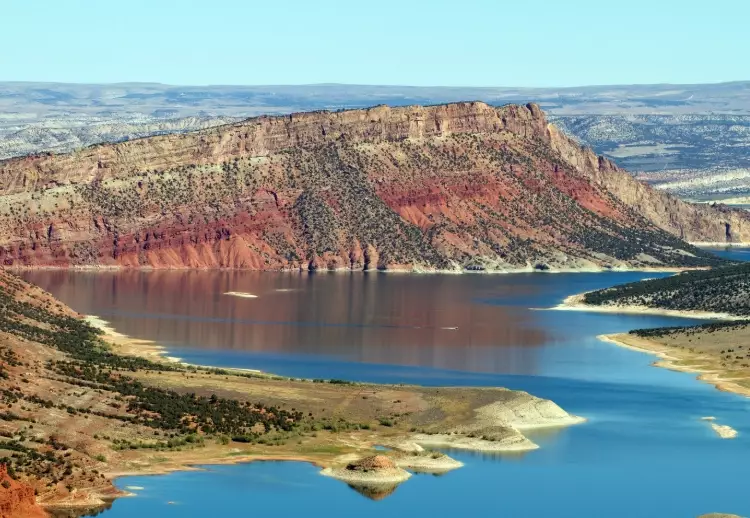
Your Flaming Gorge Adventure at a Glance
What Exactly Is Flaming Gorge?
Let's get the basics out of the way so you can start planning. Flaming Gorge was created by the Flaming Gorge Dam on the Green River, completed in 1964. The reservoir itself is about two-thirds in Utah and one-third in Wyoming. The "Flaming Gorge" name comes from the stunning red canyon walls that explorer John Wesley Powell noted in his 1869 expedition.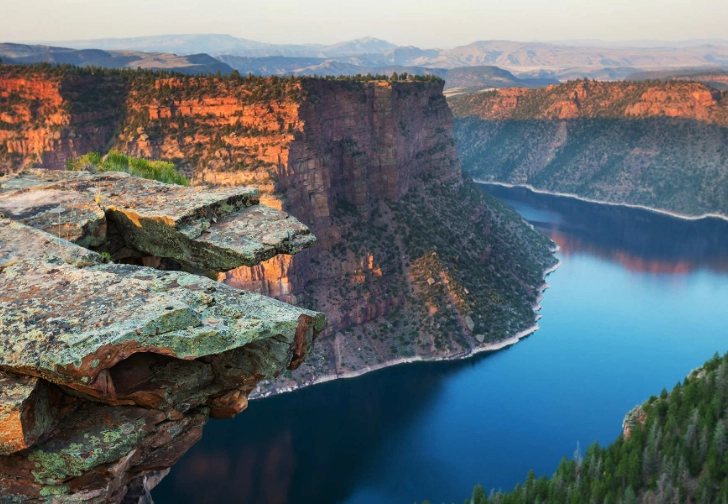
Key Info: No entrance fee is required for the National Recreation Area itself. However, specific sites like the Flaming Gorge Dam visitor center, developed campgrounds, and boat launches require a fee. You can use the America the Beautiful Interagency Pass at some sites. The area is open year-round, but services are reduced in winter. Peak season is Memorial Day through Labor Day. The closest major towns are Green River, Wyoming (north) and Vernal, Utah (south). The main access roads are U.S. Highway 191 running along the east side, and a series of forest roads on the west.
The most common mistake first-timers make? Treating it like a single destination. It's not. It's a massive, linear playground. Your experience will be completely different if you base yourself near the dam in Utah versus up near the Green River inlet in Wyoming. The Utah side is more dramatic, with steep canyon walls and the engineering marvel of the dam. The Wyoming side feels more like a high-mountain lake, with rolling hills, pine forests, and often, significantly fewer people.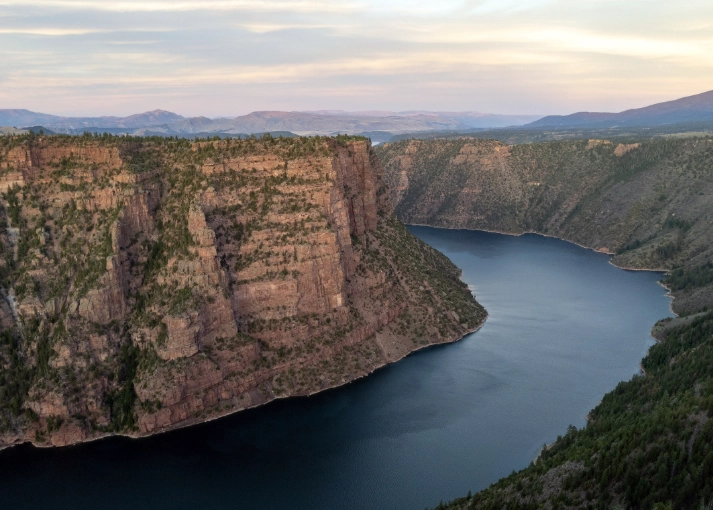
Best Things to Do at Flaming Gorge
You don't come here for museums. You come for the water and the wild.
Fishing: It's a World-Class Fishery for a Reason
This is the big draw. Flaming Gorge is famously home to trophy lake trout (mackinaw). We're talking potential 40-plus pound fish. But focusing solely on macks is a rookie error. The smallmouth bass fishing is arguably more consistent and exciting for most anglers. You can find them cruising the rocky points and cliffs. Kokanee salmon, rainbow trout, and brown trout round out the major species.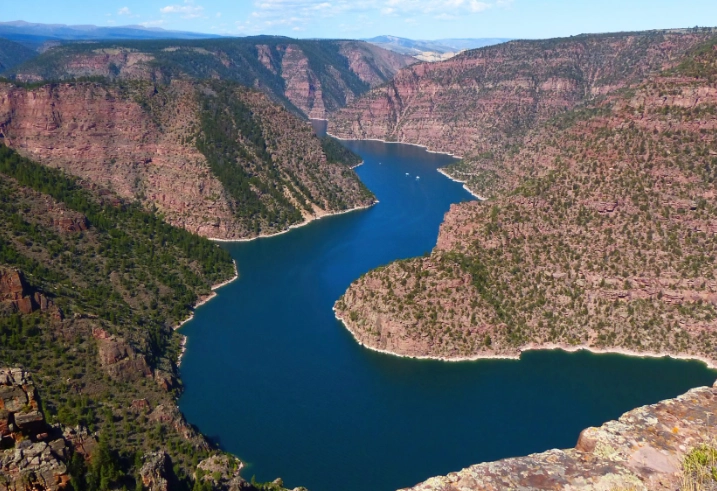
Here's the local tip everyone misses: the fishing pressure maps onto the scenery. The dramatic, deep areas near the dam are where you troll for big lake trout. But the best bass and trout action for shore anglers or small boats is often in the mid-lake areas and the many smaller canyons that branch off the main channel. Sheep Creek Bay, for instance, is a fantastic, sheltered spot for beginners. You must have a valid fishing license for the state you are in (Utah or Wyoming), even if you're on the water. The border runs right down the lake.
Boating and Water Sports
With over 360 miles of shoreline, you can explore for days. There are multiple full-service marinas: Cedar Springs Marina and Lucerne Valley Marina on the Utah end, and Buckboard Crossing Marina in Wyoming. They rent everything from patio boats and ski boats to fishing boats and kayaks.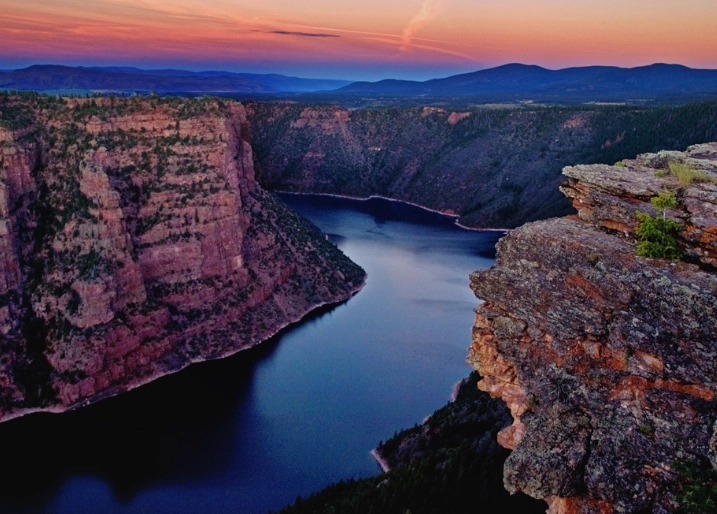
Be warned: the wind can come up fast and fierce in the afternoon, especially on the wider northern sections. My first time out in a rented pontoon, I got caught off guard and had a white-knuckle ride back to the marina. Check the forecast, start early, and always have a plan for where to duck into a sheltered cove if the weather turns. Water skiing and wakeboarding are popular, but be mindful of no-wake zones near shorelines and campgrounds.
Hiking, Biking, and Scenic Drives
Get off the water. The Red Canyon Visitor Center (Utah side) perched on the rim is a must-stop. The view down the 1,300-foot-deep canyon to the water below is breathtaking. The short Canyon Rim Trail here is easy and offers different vantage points.
For a more immersive hike, the Dowd Mountain Trail (about 4 miles round trip) offers perhaps the best panoramic view of the entire reservoir. It's a moderate hike with some elevation gain. On the Wyoming side, the Kingfisher Island Trail is a flat, family-friendly loop perfect for birdwatching.
The Flaming Gorge-Uintas National Scenic Byway (Highway 191) is the main artery and is stunning. For a backcountry experience, the dirt road along the west side (from Sheep Creek Geological Area up to Spirit Lake) is rough but rewards with solitude and incredible views you won't get from the pavement.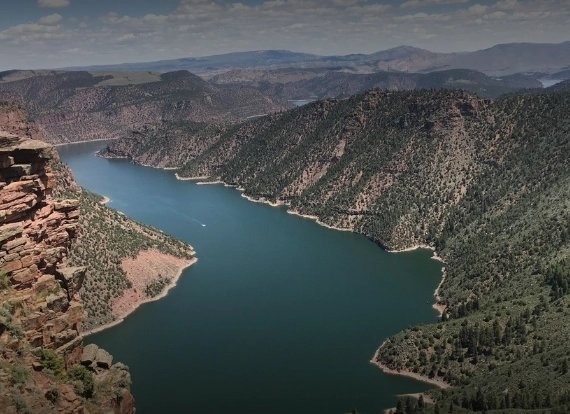
Where to Stay & Camp: A Practical Breakdown
Your choice of lodging defines your trip. Here’s a no-nonsense comparison to help you decide.
| Option | Best For | Example/Location | What to Know |
|---|---|---|---|
| Developed Forest Service Campgrounds | Families, first-timers, RVers (some with hookups) | Lucerne Campground (UT), Mustang Ridge (WY) | Reservations (Recreation.gov) are essential for summer weekends. Fees range $20-$40/night. Amenities like water, vault toilets, fire rings. |
| Dispersed/Free Camping | Self-sufficient adventurers, solitude seekers | Areas along the west-side dirt road (e.g., near Hideout Canyon) | No facilities. Must follow Leave No Trace principles. Fire restrictions common in summer. Check current USFS maps for designated areas. |
| Cabins & Lodges | Comfort, groups, off-season visits | Flaming Gorge Resort (UT), Cedar Springs Lodge (UT) | Book months ahead for summer. Offer easy lake access, some with boat rentals on-site. Higher cost, but with amenities like kitchens. |
| Nearby Town Motels | Budget, last-minute planners, non-campers | Vernal, UT or Green River, WY | You'll have a 30-45 minute drive to the lake each day. More dining options. Allows for side trips to Dinosaur National Monument (from Vernal). |
My personal preference? A developed campground for the first night to get oriented, then moving to a dispersed site for the rest of the week. The developed sites guarantee a picnic table and a defined spot, but the free camping lets you wake up to a private view of the water with no neighbors.
Planning Your Trip: Utah Side vs. Wyoming Side
This is the crucial decision. Don't just pick randomly.
Choose the Utah Side (Dam Area) if: You're a first-time visitor who wants the iconic views (Red Canyon, the Dam). Your focus is trophy lake trout fishing or dam tours. You want easier access to full-service marinas, the visitor center, and more restaurant choices (still limited). You don't mind more crowds, especially at boat ramps on summer weekends.
Choose the Wyoming Side (North End) if: You prioritize peace and quiet. You're into bass fishing, kayaking, or exploring quieter inlets. You enjoy a more alpine, forested environment. You're on a tighter budget and want better access to free camping spots. You're combining the trip with other Wyoming destinations.
Honestly, if you have time, spend a few days on each side. They feel like two different worlds.
Flaming Gorge FAQ: Real Answers from the Water
Flaming Gorge isn't a place you just check off a list. It's a place you learn. You might come for the fishing, but you'll return for the quiet mornings on the Wyoming shoreline, the way the red rock glows at sunset, and the challenge of finding that one perfect, secluded cove that feels like it's yours alone. Do a little planning, respect the power of the environment, and you'll find one of the West's most understated and rewarding outdoor hubs.
Reader Comments