The American Southwest isn't just a place on a map. It's a feeling. The dry heat on your skin at dawn in the Mojave. The impossible silence at the edge of the Grand Canyon. The way the red rocks of Sedona seem to glow from within as the sun sets. For over a decade,I've been guiding friends, family, and now readers through this incredible region. I've seen the mistakes people make—rushing, sticking only to the famous spots, coming at the wrong time. This guide is about avoiding those pitfalls and crafting a trip that's genuinely yours.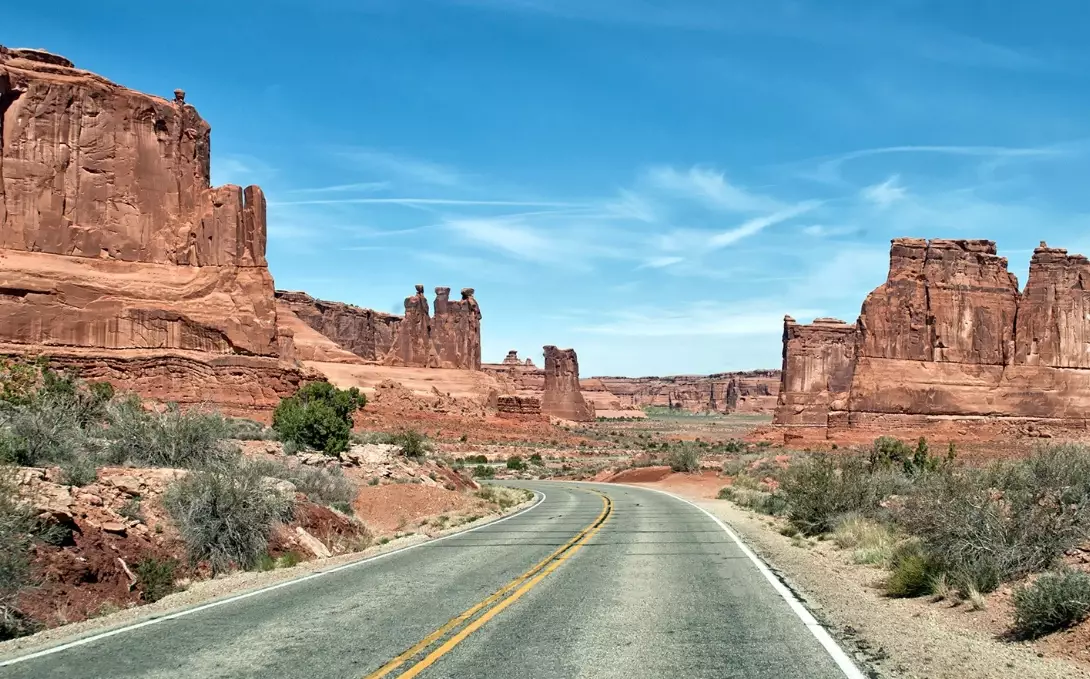
Your Southwest Journey at a Glance
When to Go: Timing is Everything (Seriously)
Get this wrong, and your dream hike becomes a dangerous slog. The Southwest has extremes.
Everyone parrots "spring and fall." Let's get specific.
| Season | Pros | Cons & Expert Notes | Best For |
|---|---|---|---|
| Spring (March-May) | Wildflowers, pleasant temps, flowing waterfalls. | Crowds pick up by late March. April can be windy. Higher elevations (North Rim GC) may still be closed by snow until mid-May. | Photography, comfortable hiking, desert blooms. |
| Summer (June-Aug) | Long days, North Rim access, monsoon storms create dramatic skies. | Extreme heat in low elevations (Death Valley, Moab). Dangerous afternoon lightning & flash floods. Peak crowds and prices. | High-elevation trips (Colorado), visiting the North Rim, monsoon photography. |
| Fall (Sept-Nov) | My top pick. Crowds thin, heat breaks, stable weather. October light is magical. | Early September can still be very hot. Some services start closing in late Oct (North Rim). | Road tripping, comfortable exploration, avoiding crowds. |
| Winter (Dec-Feb) | No crowds, low prices, snow-dusted red rocks are stunning. | Short days. Cold nights. Snow can close roads in parks like Bryce, Zion, and Grand Canyon. Some lodges/tours close. | Solitude, photography, budget travel, visiting lower deserts (Phoenix, Tucson). |
Local Insight: The secret weapon for summer visits? Elevation. Swap a scorching day in Moab (4,300 ft) for a hike in the nearby La Sal Mountains (over 10,000 ft). It can be 20-30 degrees cooler. Bryce Canyon (8,000-9,000 ft) is also a reliable summer escape.
The Iconic Parks: How to Experience Them Right
Yes, you have to see them. But don't just check a box.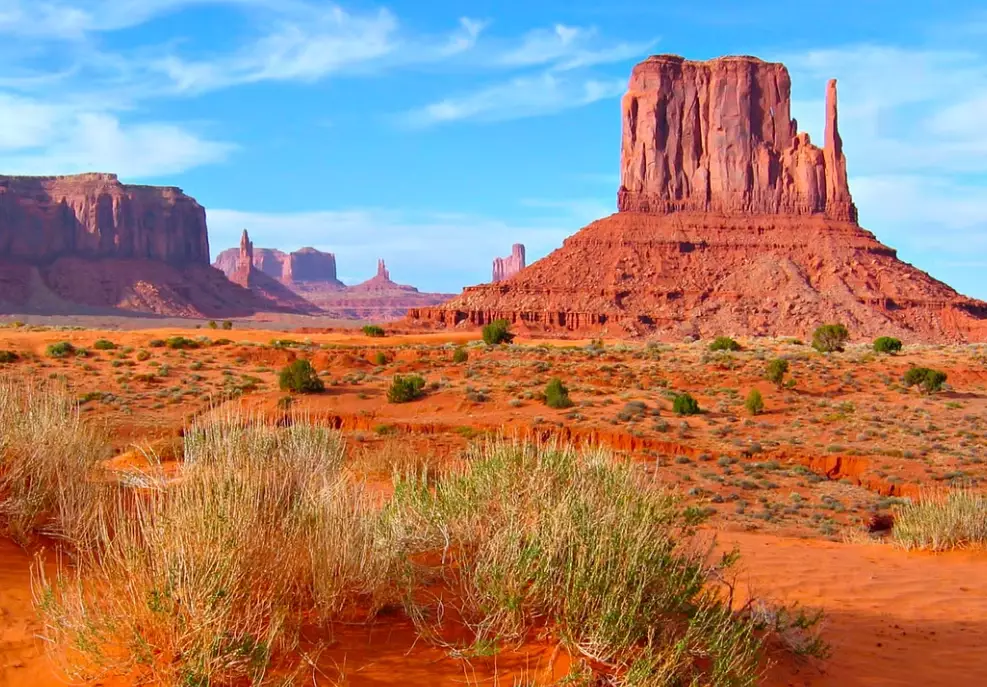
Grand Canyon National Park
The South Rim is open year-round. The view is free, but the experience costs time. Most people stand at the rim for 20 minutes and leave. Big mistake.
- Do This Instead: Get a permit to hike below the rim, even just a mile down the South Kaibab Trail. The perspective change is profound. The Desert View Watchtower on the east end is far less crowded than the main village.
- Logistics: Park entry is $35/vehicle. Parking at the Visitor Center is a nightmare by 9 AM. Use the free park shuttle buses—they're efficient. The North Rim (higher, quieter, closed Oct 15-May 15) is a 4-5 hour drive from the South Rim.
Zion National Park
It's as stunning as the photos suggest, and just as busy. From March through November, you cannot drive the Zion Canyon Scenic Drive yourself. You must use the shuttle.
- The Shuttle Hack: Board at the Springdale Visitor Center (in town) instead of the main park entrance. Shorter lines. You'll need to pay the park entry fee and walk from a town parking spot.
- Beyond Angels Landing: If you don't get a permit for Angels Landing (they're competitive), the Observation Point trail (when open) offers higher, more panoramic views with fewer people. The Riverside Walk is easy, beautiful, and leads to the start of The Narrows.
Arches & Canyonlands National Parks (Moab, Utah)
Two parks, 30 minutes apart. Arches is about delicate, surreal formations. Canyonlands is about vast, raw, Martian-scale landscapes.
In Arches, everyone runs to Delicate Arch for sunset. It's a zoo. For a more unique experience, go for sunrise at Turret Arch or spend time in the Fiery Furnace (requires a permit or guided tour).
Most visitors only see the Island in the Sky district of Canyonlands. For true solitude, the Needles district, 90 minutes south, has incredible hiking among colorful spires with a fraction of the people.
Skip the Crowds: Local Favorites & Hidden Gems
This is where your trip becomes memorable.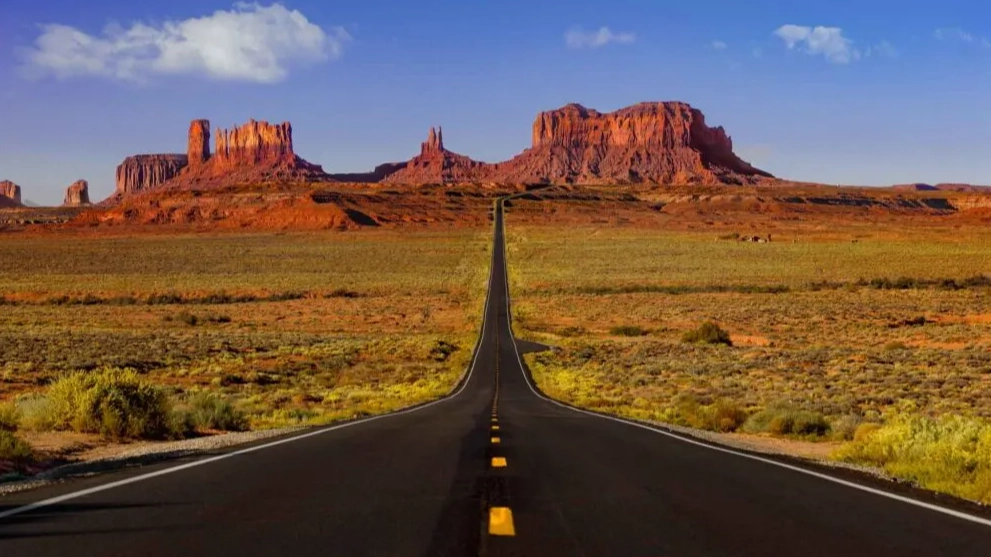
Antelope Canyon Warning: Upper and Lower Antelope Canyon near Page, AZ, are not hidden. They require booked tours, are expensive, and can feel rushed and crowded. They're beautiful, but know what you're getting into. For a similar, less commercial slot canyon experience with more freedom, look into Antelope Canyon X or Canyon X, or head to Little Wild Horse Canyon near Goblin Valley, UT (free, no tour needed).
Other spots that deserve your time:
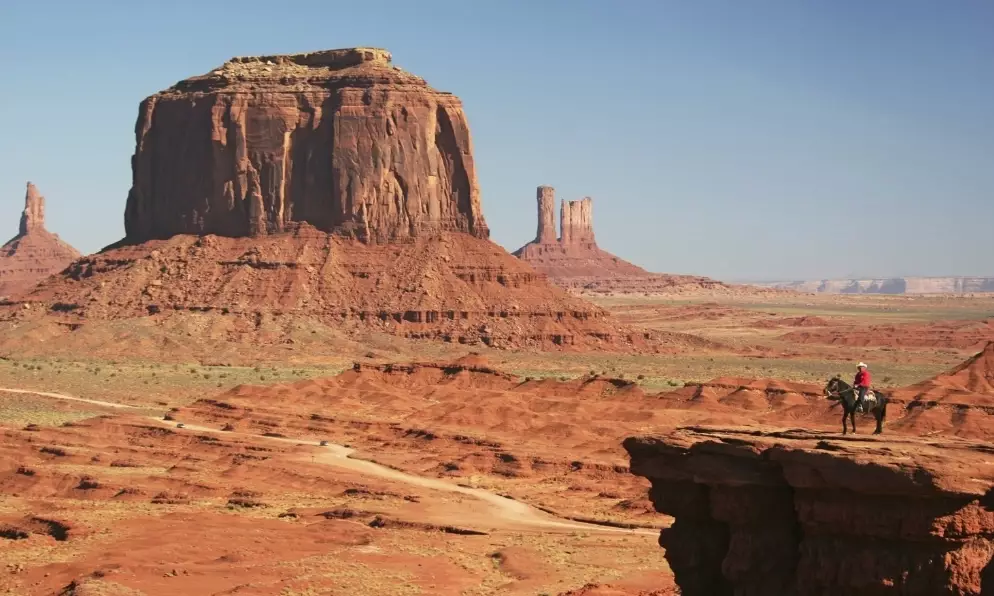
- Monument Valley Navajo Tribal Park: Yes, it's famous. But driving the 17-mile loop yourself is a rite of passage. The dust, the scale, the silence. Stay at The View Hotel (rooms from $250/night) to wake up to that iconic view from your balcony. Consider a guided tour with a Navajo guide to access areas closed to self-driving and hear the stories.
- Sedona, Arizona: More than vortexes. Hike Cathedral Rock for sunset (steep but short), or drive the stunning Red Rock Scenic Byway (SR 179). For a quirky lunch, head to Indian Gardens Cafe & Market in Oak Creek Canyon.
- White Sands National Park, New Mexico: A landscape like nowhere else. Go late afternoon, rent a sled from the visitor center, and stay for sunset. The dunes glow. Pro tip: The gypsum sand doesn't get hot like regular sand, so it's pleasant even on warm days.
Finding the Cultural Heartbeat
The landscape is half the story.
In Santa Fe, skip the generic souvenir shops on the plaza. Go to the Santa Fe Farmers Market (Saturday mornings) or visit Museum Hill. Have a green chile cheeseburger at The Pantry Restaurant (open 7am-9pm, 1820 Cerrillos Rd).
Support Native artists by buying directly from them at reputable markets like the Gallup Inter-Tribal Indian Ceremonial in New Mexico or the Hopi Cultural Center in Arizona. Learn the difference between mass-produced and authentic artisan work.
Building Your Road Trip Itinerary
Here are two frameworks. Google Maps times are optimistic—add 20% for stops, photos, and slower park roads.
The Classic 7-Day Grand Circle (Fast-Paced)
- Day 1-2: Las Vegas to Zion (2.5 hrs). Explore Zion Canyon.
- Day 3: Zion to Bryce Canyon (2 hrs). Hike the Rim Trail, see the hoodoos at sunrise.
- Day 4: Bryce to Page, AZ (2.5 hrs). See Horseshoe Bend, consider a canyon tour.
- Day 5-6: Page to Grand Canyon South Rim (2.5 hrs). Two nights to hike and explore.
- Day 7: Grand Canyon to Las Vegas (4.5 hrs) via Route 66 in Seligman, AZ for a kitschy stop.
Where to Stay: Springdale (Zion), Bryce Canyon City, Page, Tusayan (Grand Canyon). Book months ahead.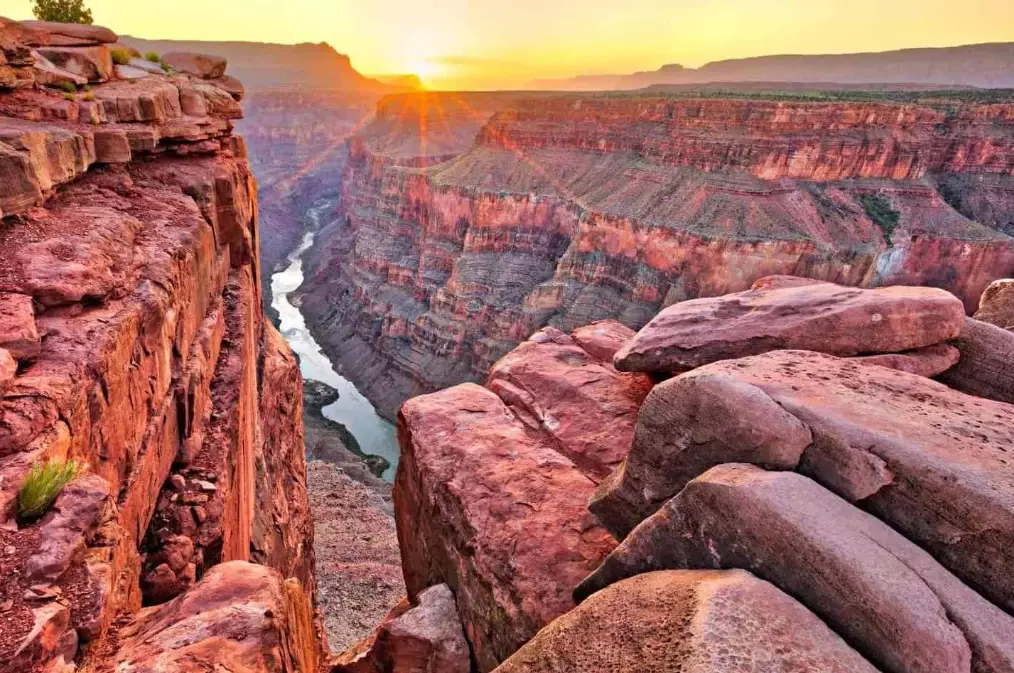
The Deep Dive 10-14 Day Adventure
Add these to the classic loop:
- Moab, UT (2-3 days): For Arches, Canyonlands, and mountain biking.
- Monument Valley (1 day): Overnight here, don't just drive through.
- Santa Fe/Taos, NM (2 days): For art, history, and incredible New Mexican cuisine.
- Sedona, AZ (1-2 days): Hike and soak in the red rock energy.
The Nitty-Gritty: Budget, Gear & Logistics
Money Talk
A mid-range trip for two costs about $200-$300 per day, excluding flights. Breakdown: Lodging ($120-$180), Food ($60), Gas ($30), Park Fees/Activities ($30). Save by camping, cooking some meals, and visiting in the off-season.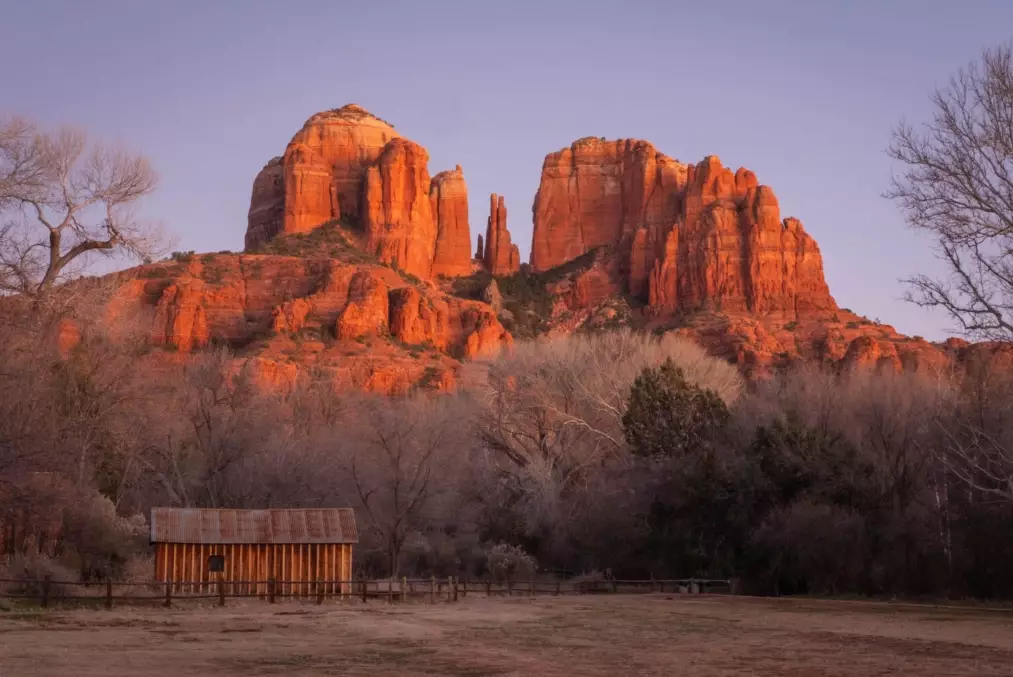
Can't-Miss Gear
- Water, Times Three: A gallon per person, per day, in the car. Plus hiking water bladders. Plus a reusable bottle. Dehydration is the #1 enemy.
- Sun Protection: Wide-brimmed hat, polarized sunglasses, SPF 50+ sunscreen, sun shirt.
- Layers: Desert temperature swings are no joke. A light puffer jacket is perfect year-round.
- Good Footwear: Sturdy hiking boots with ankle support for rocky, uneven trails.
- Paper Maps/GPS Download: Cell service is nonexistent in vast areas. Download Google Maps offline or use a dedicated GPS.
Getting Around & Staying
Any car works for main highways, but if you plan on dirt roads to places like Cathedral Valley in Capitol Reef or the backcountry of Canyonlands, an SUV with high clearance is wise.
For lodging, mix it up. Book a splurge with a view (Monument Valley), a historic motel (like the El Tovar on the Grand Canyon rim), and maybe a night or two of camping under the stars. Reservations are critical from March through October.
Your Southwest Trip Questions, Answered
 The Southwest waits for no one, but it rewards those who come prepared. Ditch the checklist mentality. Pick a couple of icons, add a few hidden corners, leave space for a detour down a dusty road, and talk to the people who call this place home. That's how you find the real magic.
Reader Comments