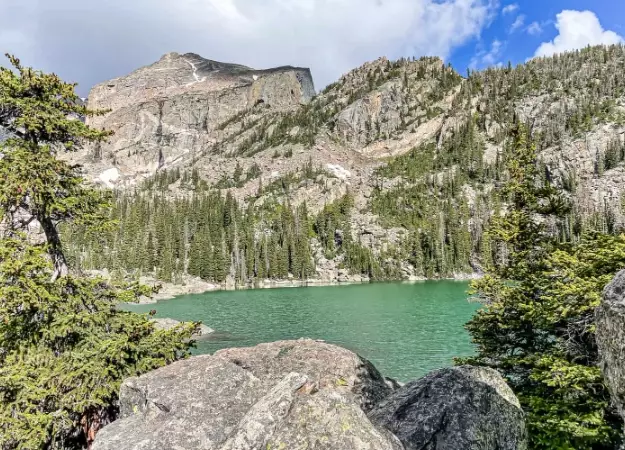
You've seen the photos. A shockingly blue lake cradled by granite peaks, with a landscape of massive, car-sized boulders tumbling right into the water. That's Lake Haiyaha in Rocky Mountain National Park. It's not the easiest trail, and it's gotten wildly popular, but let me tell you, standing on those rocks with that view is worth every step. This isn't just another alpine lake. The color, the scale, the feeling of discovery—it's special. But to enjoy it, you need the right info. I've hiked this trail more times than I can count, in every season, and made every mistake so you don't have to.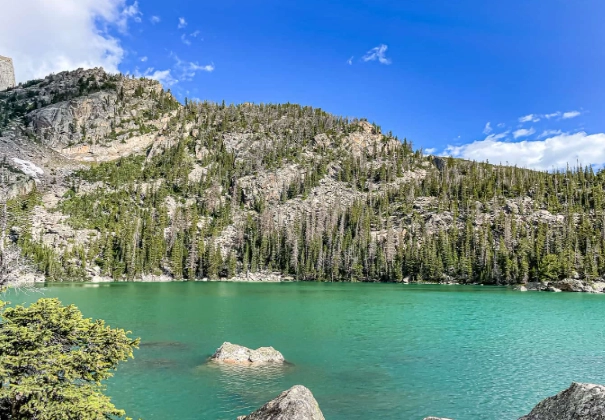
What’s Inside This Guide
How to Get to the Lake Haiyaha Trailhead
First thing: forget just showing up. Rocky Mountain National Park uses a timed entry permit system from late May through October. You need two things: a park pass and a reservation for the "Bear Lake Road Corridor." No permit, no entry during those hours. You can book these on Recreation.gov. They release some spots 120 days in advance, but a big chunk becomes available at 5 PM MT the day before. Set an alarm. It's the single most important step.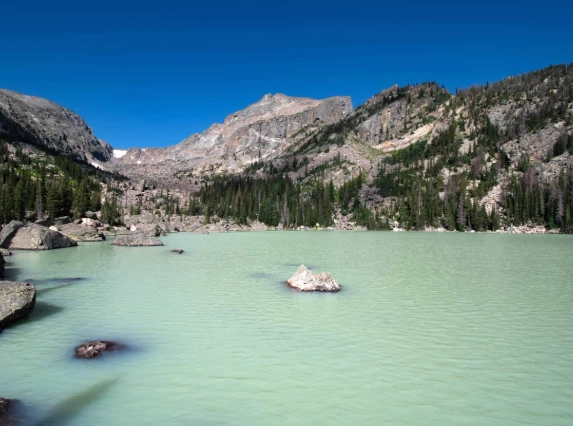
Key Logistics:
Trailhead: Bear Lake Trailhead (the main one).
Address: Bear Lake Road, Estes Park, CO 80517. Navigate here, not to "Lake Haiyaha."
Parking: The lot fills by 5 AM in summer. Use the free park shuttle from the Glacier Basin or Park & Ride lots. It's less stressful.
Park Fee: $35 per vehicle (valid 7 days). An annual America the Beautiful Pass ($80) is a steal if you visit more than two national parks a year.
Restrooms: Available at the trailhead. Last proper ones you'll see.
What to Expect on the Lake Haiyaha Hike
The hike to Lake Haiyaha is a moderate 4.2-mile round trip with about 850 feet of elevation gain. It's often combined with other lakes, but let's focus on the direct route. Most guides say it's "moderate," and they're right, but there's a catch most don't mention: the final 0.2 miles.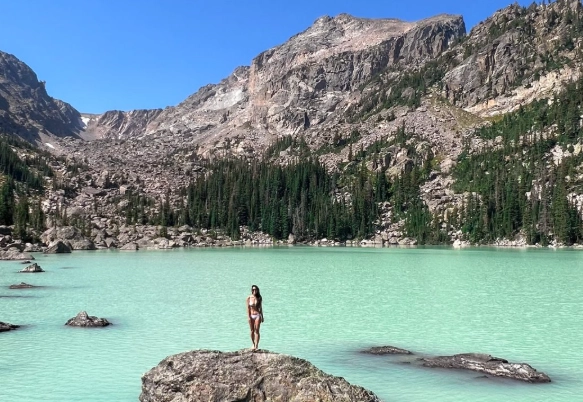
The Route Breakdown
You start on the wide, paved path toward Nymph and Dream Lake. It's crowded. At the Dream Lake overlook, you'll see a sign for Lake Haiyaha pointing left. This is where the real trail begins—narrower, rockier, and quieter. You'll climb through pine forest with occasional glimpses of Hallett Peak.
The final approach is the kicker. You descend slightly to the lake's outlet stream, then face a boulder field. The trail is marked with cairns (rock piles) and you have to scramble over giant, sometimes wobbly, rocks for the last stretch. It's not technical climbing, but it requires hands and good balance. If you have shaky knees or poor footwear, this section will stop you. I've seen people turn around here.
The turquoise color comes from "rock flour"—fine glacial silt suspended in the water. It's most intense in mid-to-late summer after peak snowmelt. Early season, the lake can look more grayish-green as the ice melts.
Essential Hike Stats
| Metric | Detail | Note |
|---|---|---|
| Round-Trip Distance | 4.2 miles | From Bear Lake Trailhead |
| Elevation Gain | ~850 ft | Steadiest climb is in the middle section |
| Estimated Time | 2.5 - 4 hours | Depends on fitness & time spent at the lake |
| Trail Difficulty | Moderate | Rated "moderate" due to the final scramble |
| Highest Point | ~10,220 ft | Be mindful of altitude if coming from low elevation |
Best Time to Visit Lake Haiyaha
This depends entirely on what you want. That iconic photo of blue water? That's late July through September. The snowmelt has filled the lake and the rock flour is swirling. But that's also peak tourist season. For solitude and a different kind of beauty, try late September or early October. The crowds thin, the aspens are gold, and you might get the boulders to yourself. I once had the lake completely alone on a crisp October morning—magical.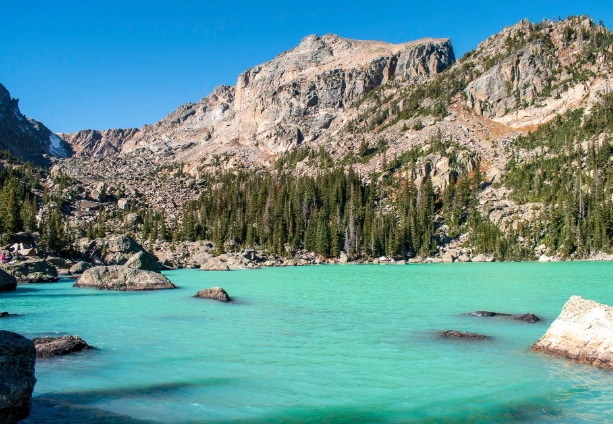
Avoid weekends if you can. Really. A Tuesday is a completely different experience than a Saturday. Start early. I mean, on the trail by 6 AM early. You'll beat the heat, the afternoon thunderstorms (common in July/August), and 90% of the people.
Seasonal Considerations
Winter & Spring (Nov-May): The trail is buried in snow. You need snowshoes, microspikes, and serious winter hiking knowledge. The lake is frozen and white. It's stunning in a stark way, but not for beginners.
Early Summer (June): Trail might be clear, but the final scramble could be a snowfield. Trekking poles are crucial. The water color isn't at its peak yet.
Fall (Oct): Can be perfect, but snow can arrive suddenly. Check the park's trail conditions page before you go.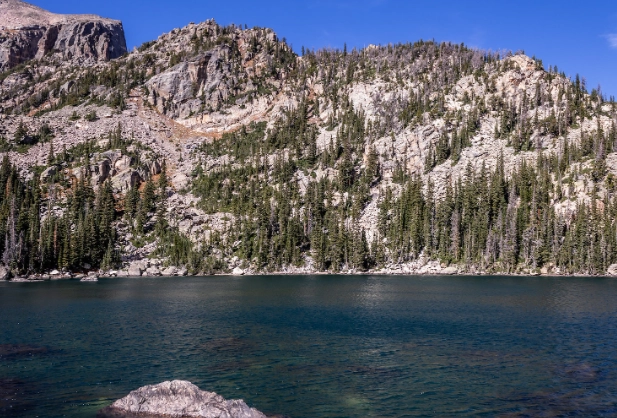
Crafting Your Perfect Day Trip Itinerary
Here’s how I’d structure a flawless day focused on Lake Haiyaha, assuming a summer/fall visit with a timed entry permit starting at 8 AM.
5:30 AM: Arrive at the Glacier Basin Park & Ride. Catch the first shuttle to Bear Lake (they start early!).
6:15 AM: Start hiking from Bear Lake Trailhead. The morning light on Hallett Peak is incredible.
7:15 AM: Arrive at Lake Haiyaha. Enjoy 45-60 minutes of relative peace. Climb out on the boulders (carefully!), take your photos, have a snack.
8:15 AM: Begin the hike back. You'll now pass all the crowds heading up.
9:15 AM: Back at Bear Lake. Option: take the short 0.8-mile loop around Bear Lake if you have energy. It's flat and pretty.
10:00 AM: Shuttle back to your car. Beat the lunch rush into Estes Park.
This plan avoids the parking nightmare, maximizes quiet time at the lake, and gets you down before the most likely time for thunderstorms.
Your Lake Haiyaha Questions, Answered
Lake Haiyaha is more than a checklist item. It's a place that makes you work a little for its reward. The scramble over those ancient boulders feels like a mini-adventure, and emerging to see that slice of liquid turquoise is a moment you'll remember. Plan for the permits, respect the altitude, start early, and you'll understand why this spot has captured so many hikers' hearts. See you on the trail.
Reader Comments