Let's be honest. You've seen the pictures. That impossible blue water, ringed by sheer cliffs, looks almost fake. I thought the same before my first visit. Then I stood at the rim, and the scale of it hit me. This isn't just a pretty lake. It's a geological masterpiece, a caldera formed when Mount Mazama collapsed 7,700 years ago, now filled with nearly 2,000 feet of pristine snowmelt and rain. It's the deepest lake in the United States and arguably the cleanest large body of water on the planet. Planning a trip here is different from other national parks. The season is short, the services are limited, and the altitude is no joke. This guide cuts through the generic advice. I'll give you the specifics on getting there, what to do, where to stay, and—crucially—how to avoid the crowds and have a genuine experience, not just a photo op.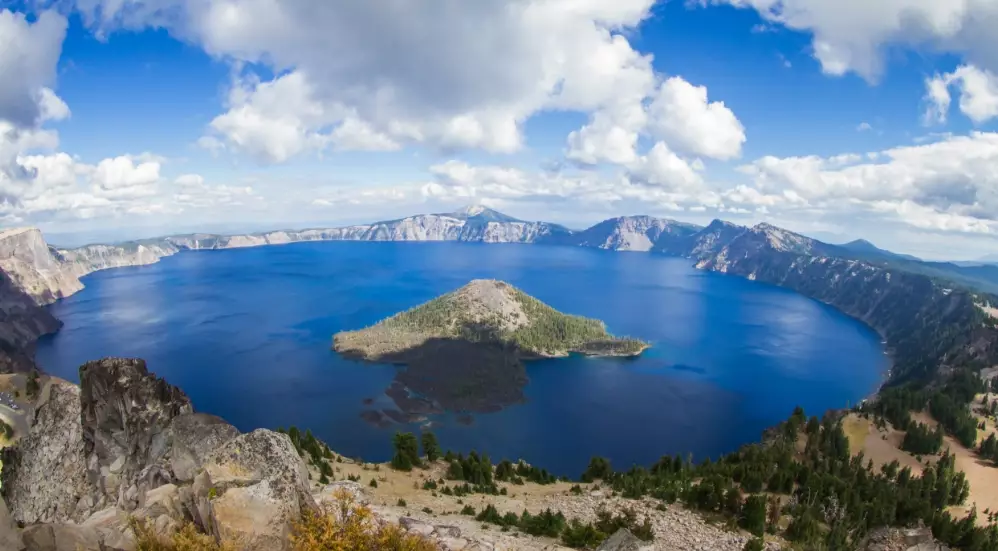
What's Inside This Guide
- The Basics: How Crater Lake Formed & Key Facts
- Getting There: Your Transportation Options
- Fees, Passes, and Practical Info
- When to Visit: Timing Your Trip Right
- Top Things to Do at Crater Lake
- Where to Stay and Eat Near the Park
- Sample Itineraries: One Day vs. Two Days
- Photography and Wildlife Tips
- Safety and Essential Tips from a Regular
The Basics: How Crater Lake Formed & Key Facts
You can't appreciate Crater Lake without understanding its violent birth. About 7,700 years ago, a volcano named Mount Mazama—taller than today's Mount Hood—erupted with a force estimated to be 42 times greater than the 1980 eruption of Mount St. Helens. The magma chamber emptied, and the mountain's summit collapsed inward, creating a vast, bowl-shaped caldera over 5 miles wide.
Over centuries, rain and snowfall (averaging 44 feet per year!) filled the caldera with no inlets or outlets. That's the key to its purity. The water loses about 2.5 million gallons a day to evaporation and seepage, but is replaced by 4.5 billion gallons from precipitation. It's a self-cleaning system. The famous blue? Sunlight penetrates the exceptionally clear water deep down. Red and yellow wavelengths are absorbed, while blue light scatters back to your eyes.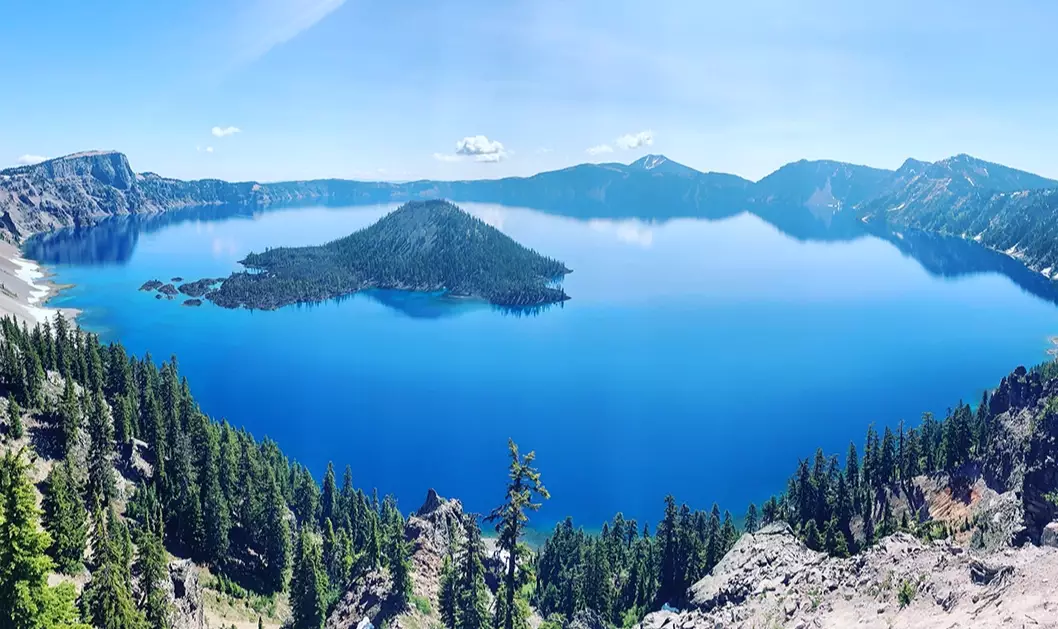
Getting There: Your Transportation Options
Crater Lake's remoteness is part of its charm, but it demands planning. The park is in southern Oregon, roughly a 4-hour drive from Portland, 5.5 hours from San Francisco, and 1.5 hours from Medford.
By Car: This is the only realistic way. The park has two main entrances, but the West Entrance (Highway 62) is open year-round and is your best bet from I-5 via Medford or Roseburg. The North Entrance is only open in summer and fall, typically from late June to October, depending on snow. It's the route from Eugene via Highway 138. A pro tip? Enter from the west, but consider exiting via the north if it's open—the drive along the Umpqua River is stunning.
By Air: The closest major airport is Rogue Valley International-Medford Airport (MFR), about 80 miles away. You'll absolutely need to rent a car. Smaller regional airports in Eugene (EUG) or Redmond (RDM) are farther but can be options for longer road trips.
There is no public transportation that gets you into the park itself. No train, no shuttle from a nearby town. You drive.
Fees, Passes, and Practical Info
Here are the nuts and bolts you need to budget for and know before you go.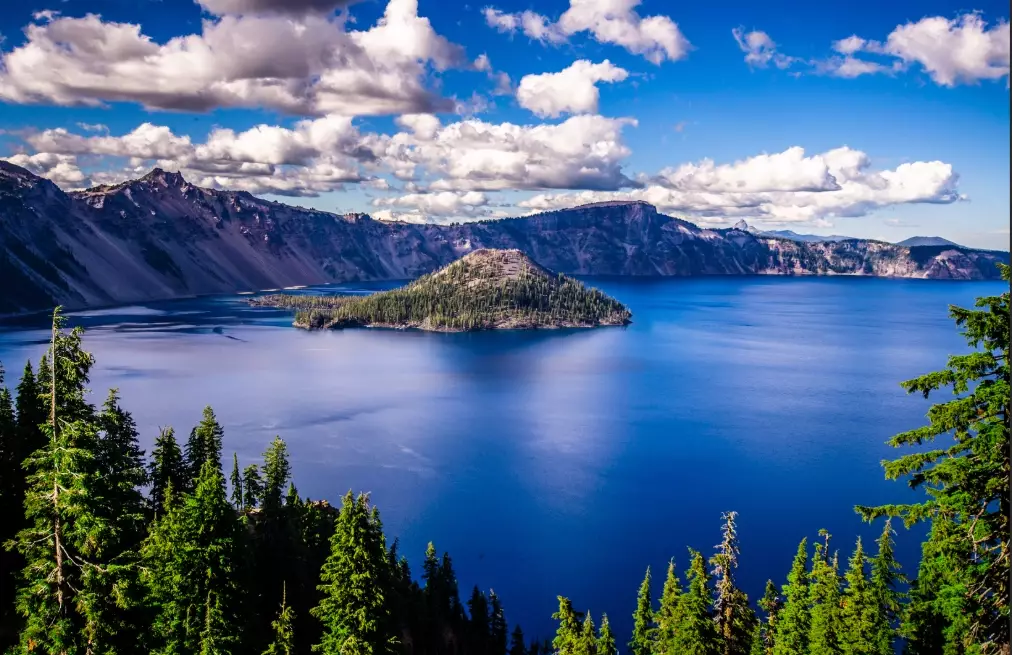
Entrance Fees: The standard entrance fee is $30 per vehicle in the summer (valid for 7 days). From November through April, it drops to $20. Motorcycles pay $25, and individuals on foot/bike pay $15. These fees grant access to both Rim Drive and all park facilities.
America the Beautiful Pass: If you visit more than one or two national parks a year, this is a no-brainer. The $80 annual pass covers your entrance fee here and at all other federal recreation sites. It pays for itself quickly. Seniors can get a lifetime pass for $80, and military members get a free annual pass.
Visitor Centers: The Steel Visitor Center at Park Headquarters is your first stop. Open year-round, it has maps, exhibits, a film, and rangers to answer questions. The Rim Village Visitor Center (summer only) has a fantastic gift shop and a historic exhibit room. Restrooms, water fill stations, and basic snacks are available at both locations.
When to Visit: Timing Your Trip Right
Crater Lake has two distinct personalities: a bustling, accessible summer and a silent, snowbound winter. Your experience depends entirely on when you go.
Peak Season (July - Early September): This is when everything is open—Rim Drive, all trails, boat tours, lodges, and campgrounds. The weather is warm (60s-70s °F), wildflowers bloom, and the lake is (relatively) ice-free. The downside? Crowds. Parking at popular overlooks like Discovery Point can be a challenge by 11 AM. Weekdays are noticeably quieter than weekends.
Shoulder Seasons (Late May-June & Late September-October): My personal favorite time. In June, you'll encounter massive snowbanks along the rim—a surreal contrast to the blue water. Trails at higher elevations may still be snow-covered. In fall, crowds thin, temperatures cool, and you might get lucky with early snow dusting the rim. A key caveat: services wind down. Boat tours typically end in September, and the North Entrance closes with the first major snow.
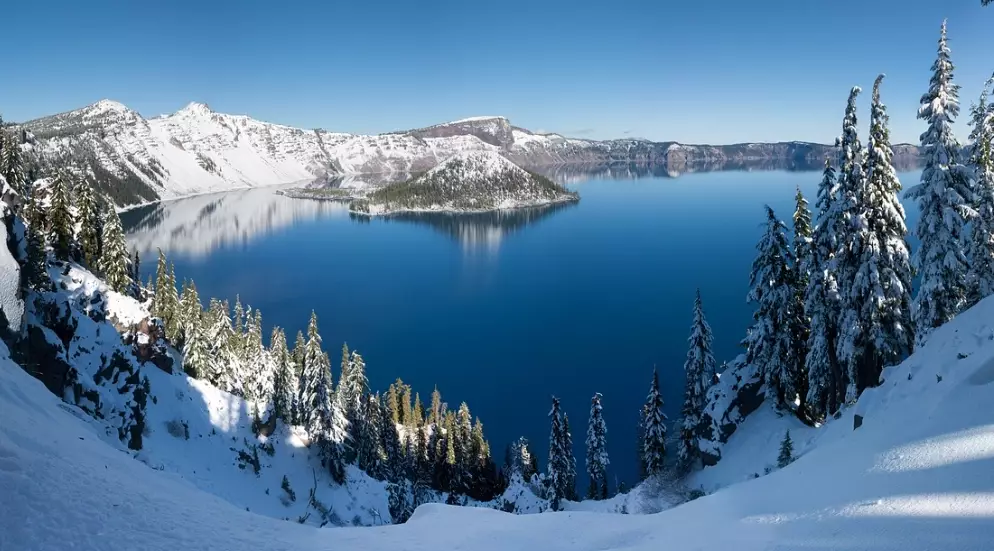
Winter (November - April): The park is open, but it's a different world. Rim Drive closes due to snow. You can only access the park from the west and south entrances, up to Rim Village. Activities shift to snowshoeing and cross-country skiing. The Rim Village Cafe is open, but lodging is closed. It's incredibly beautiful and peaceful, but requires preparation for winter driving and conditions.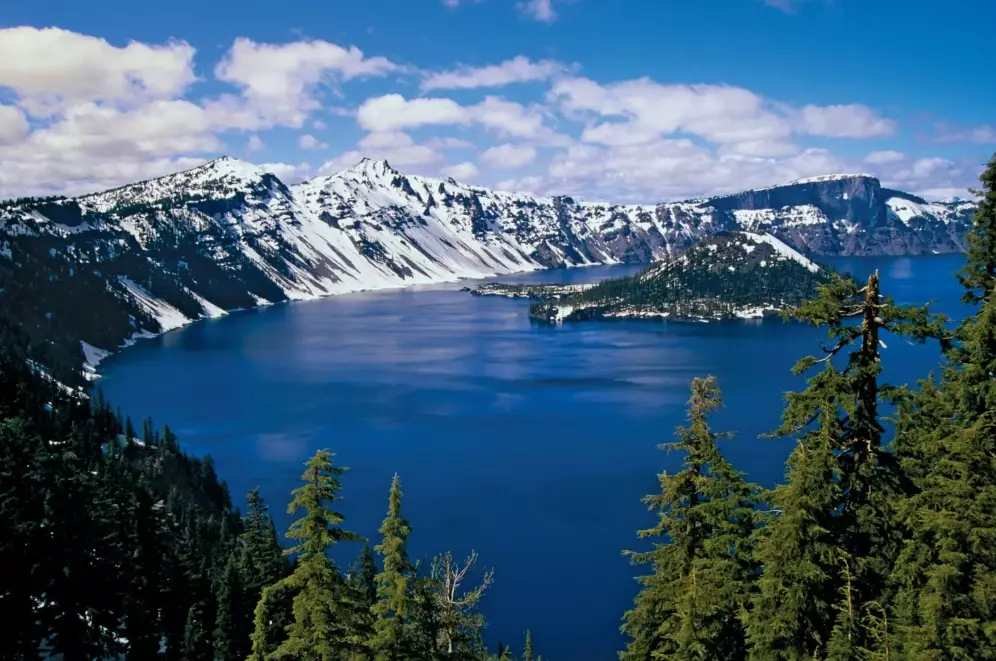
Top Things to Do at Crater Lake
You don't just look at Crater Lake; you experience it from different angles. Here’s how.
1. Drive the Rim Drive
This 33-mile loop road is the park's main artery, with over 30 pullouts. Don't just stop at the first one. Each offers a unique vista. Drive it clockwise. This puts you on the inside lane, making it easier and safer to pull into overlooks. Allow at least 2-3 hours for the drive with stops. Must-see stops include Discovery Point (where the lake was first seen by non-Indigenous explorers), Cloudcap Overlook (the highest paved road point), and The Pinnacles (a side road to fascinating volcanic spires).
2. Hike the Trails
Hiking gets you away from the road noise and into the landscape.
- Garfield Peak Trail: This is the premier rim hike. It's 3.4 miles round trip with about 1,000 feet of gain. The views from the top are unbeatable—you see the entire lake basin and Wizard Island from above. Start early to avoid the midday sun.
- Cleetwood Cove Trail: This is the only trail that goes down to the lake shore. It's steep—1.1 miles down (and, crucially, back up) with a 700-foot elevation change. This is your access point for swimming (briefly!) and the boat tours. The hike up is strenuous, especially at altitude. Take water and don't rush.
- Watchman Peak Trail: A shorter, steeper alternative to Garfield. It's 1.6 miles round trip to a historic fire lookout with a classic view directly over Wizard Island.
- Plains of Abraham: For a different vibe, take this trail on the park's quieter east side. It traverses the pumice desert created by the eruption, with views back to the rim. It feels more remote.
3. Take a Boat Tour (If You Can Get a Ticket)
The boat tour is a game-changer. You see the caldera walls from below, learn geology from a ranger, and, on the standard tour, get 3 hours on Wizard Island to hike or swim. Here's the catch: you can only reach the boats by hiking the Cleetwood Cove Trail. And tickets? They sell out months in advance for peak dates. Book online at Crater Lake Lodges as soon as reservations open (usually in April for the summer season). If you miss out, sometimes same-day tickets are released at the kiosk near the Cleetwood trailhead, but showing up hoping for this is a major gamble.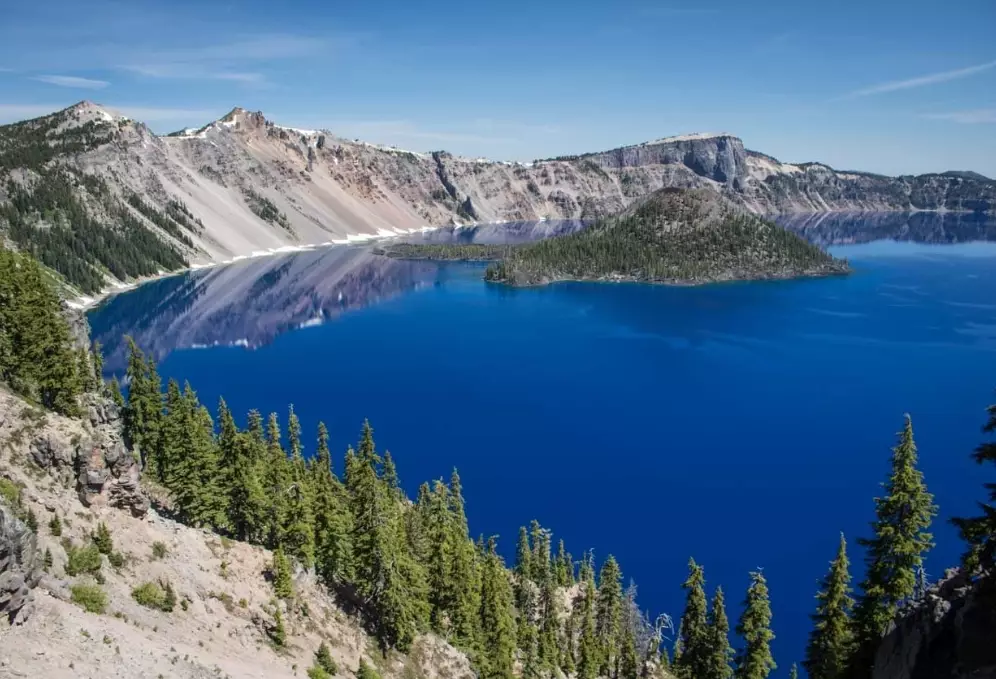
Where to Stay and Eat Near the Park
Options are limited, so book early—like, 6-12 months early for summer.
Inside the Park: - Crater Lake Lodge: The historic gem on the rim. Rooms are simple but the location is unbeatable. Book a lake-view room if possible. The dining room serves the best food in the park (reservations recommended).
- Mazama Village Cabins: Located 7 miles from the rim, these are more rustic, motel-style rooms. They're a more affordable option but require a drive to the lake.
- Campgrounds: The Mazama Campground has tent and RV sites (no hookups). Lost Creek Campground is smaller, tents only. Both are first-come, first-served or reservable via Recreation.gov.
Outside the Park: If park lodging is full, look to these towns:
- Fort Klamath / Chiloquin (20-30 mins south): A few motels and vacation rentals. Very quiet.
- Union Creek / Prospect (30-40 mins west): Classic rustic cabins and lodges like the Union Creek Resort. Feels like a step back in time.
- Diamond Lake (20 mins north): A large resort with hotel rooms and cabins right on another beautiful lake. A great alternative base.
Food: Options are basic. The Annie Creek Restaurant at Mazama Village and the Rim Village Cafe offer cafeteria-style meals. The Crater Lake Lodge Dining Room is table-service with better quality. Packing a picnic lunch is a fantastic idea—you can eat with a view at a quiet pullout.
Sample Itineraries: One Day vs. Two Days
The Perfect One-Day Blitz:
Enter via the West Gate. Stop at Steel Visitor Center for maps. Drive clockwise on Rim Drive. Hike Garfield Peak (early). Have a picnic lunch at an overlook. Continue the drive, stopping at Cloudcap and Vidae Falls. Hike down Cleetwood Cove to touch the water (or take your pre-booked boat tour). Finish with dinner at the Lodge (make a reservation) and watch the sunset from Rim Village before exiting.
A More Relaxed Two-Day Visit:
Day 1: Arrive, check into lodging. Drive the southern half of Rim Drive. Hike the short Sun Notch Trail for a great view of The Phantom Ship rock formation. Settle in, enjoy a leisurely dinner, and stargaze. The night sky here is incredible.
Day 2: Sunrise at Watchman Overlook. Take your pre-booked boat tour to Wizard Island (this will consume most of your day). After returning, explore the northern half of Rim Drive, including the Pinnacles side road. Have a farewell meal.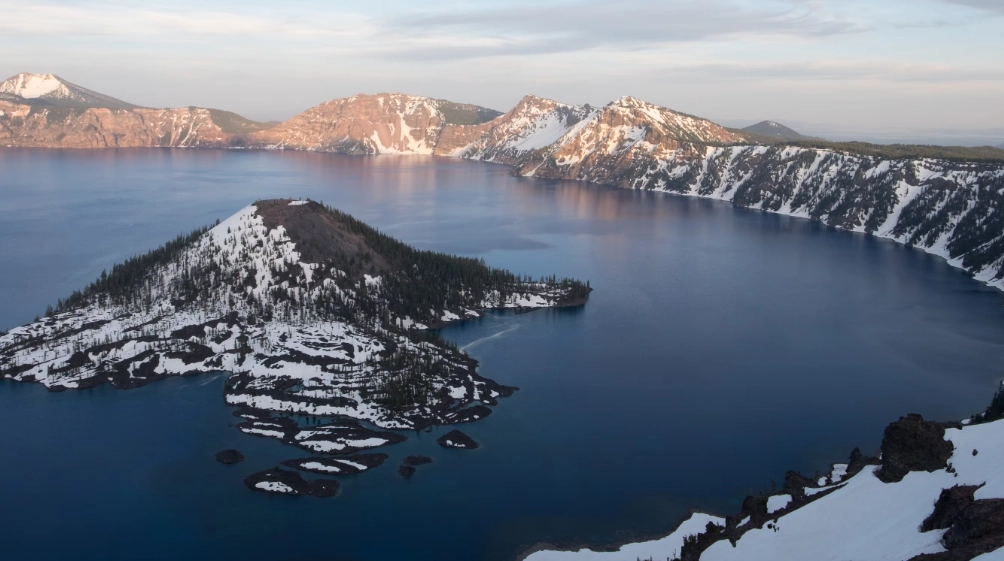
Photography and Wildlife
For Photos: The classic shot is from Rim Village looking towards Wizard Island. But for something different, hike partway down Garfield Peak for a foreground of wildflowers. Sunrise lights up the east rim (try Cloudcap). Sunset paints the west rim in gold (Watchman Peak is perfect). A polarizing filter will deepen the blue of the water and cut glare. In winter, capture the contrast of white snow against the blue water.
Wildlife: You'll likely see Clark's nutcrackers (noisy gray birds) and golden-mantled ground squirrels (don't feed them!). With luck, you might spot elk in the meadows near the entrance, or bald eagles soaring. Black bears live here but are rarely seen near the rim.
Safety and Essential Tips from a Regular
Let's wrap up with the stuff you won't find on the official brochure.
Altitude Sickness: The rim is at 7,000 feet. If you're coming from low elevation, you might get a headache, feel dizzy, or get winded easily. Drink tons of water, avoid alcohol, and take it easy the first day. Don't underestimate the Cleetwood Cove hike back up—it's a lung-buster.
Weather Whiplash: It can be 75°F and sunny at the rim, and then a thunderstorm can roll in within 20 minutes. Always have a warm layer and a rain shell, even in summer. Afternoon thunderstorms are common in July and August.
The Single Most Important Tip: Book your boat tour and lodging the minute reservations open. I've seen too many disappointed faces at the Cleetwood kiosk. Planning a Crater Lake trip in May for an August visit is not too early.
Crater Lake isn't a park you casually drop into. It requires intention. But that effort is rewarded with one of the most singular landscapes in North America. It's not just a lake. It's a lesson in geology, a test of your lungs, and a memory of blue that you'll carry long after you've left its rim.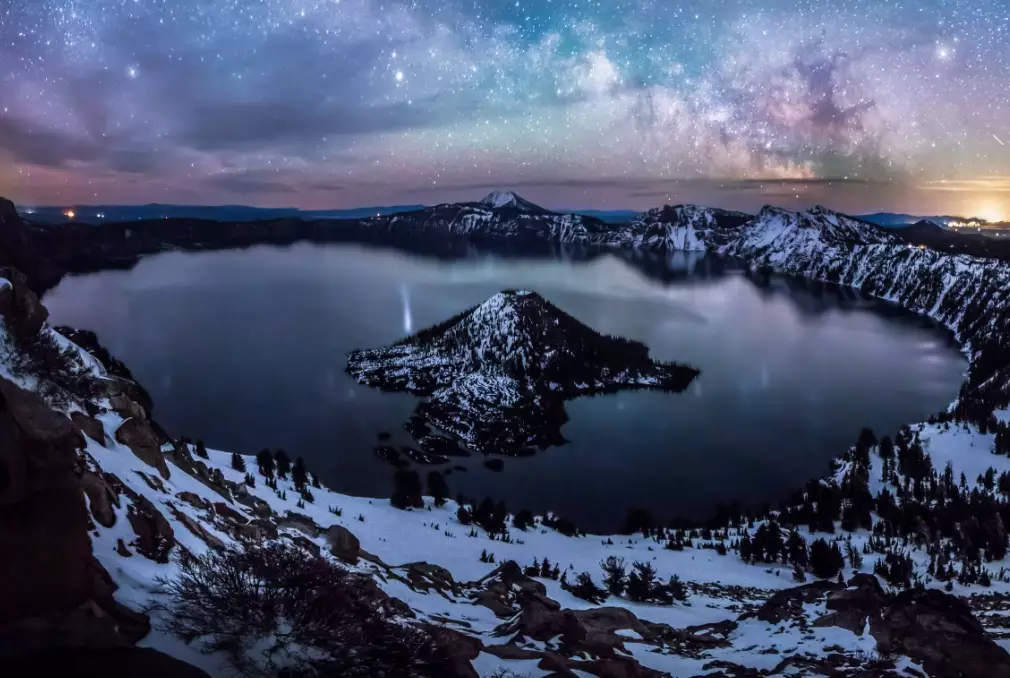
 Can you visit Crater Lake in one day, and what's the most efficient itinerary?
Reader Comments