Driving north on US Highway 395 along the eastern flank of the Sierra Nevada, you round a bend and the world changes. The jagged, snow-capped peaks give way to a vast, shimmering plain. In its center lies Mono Lake—a massive, ancient, and profoundly strange body of water. Its turquoise surface is dotted with spires of pale rock that look like they belong on Mars. This isn't just another pretty lake. It's a geological wonder, an ecological oasis, and one of California's most unique destinations. Forget what you know about alpine lakes. Mono Lake operates on its own rules.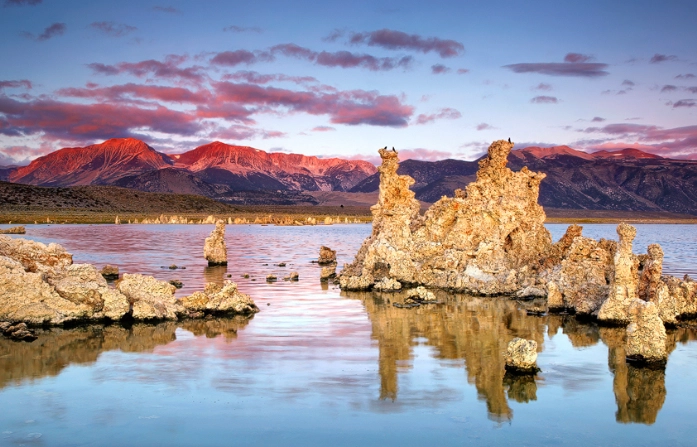
What’s Inside This Mono Lake Guide
- How to Get to Mono Lake and Essential Visitor Info
- What Makes Mono Lake So Unique? The Science Behind the Scenery
- The Best Things to Do at Mono Lake: South vs. North Shore
- Mono Lake Photography: Capturing the Tufa Towers (The Right Way)
- Practical Travel Tips & Common Mistakes to Avoid
- Your Mono Lake Questions, Answered
How to Get to Mono Lake and Essential Visitor Info
First things first. Mono Lake is huge—about 65 square miles. You can't just "show up." You need to know where to go. The lake is located just east of Yosemite National Park, near the town of Lee Vining, California.
Key Info at a Glance:
Location: Mono Basin, just off US Highway 395, Lee Vining, CA 93541.
Operating Hours: The lake itself is always "open" as it's public land managed by the U.S. Forest Service and California State Parks. The Mono Basin National Forest Scenic Area Visitor Center is your essential first stop. Its hours vary seasonally (typically 8am-5pm in summer, 9am-4pm in fall/spring, closed in winter). Always check the Inyo National Forest website for current info.
Admission: There is no entrance fee to visit Mono Lake or its viewing areas. However, some state natural reserve parking areas may request a voluntary donation.
Getting There: If you're coming from the Bay Area or Northern California, take US-395 south. From Southern California, take US-395 north. Lee Vining is about a 4.5-hour drive from San Francisco, 5.5 hours from Los Angeles, and just 30 minutes from the Tioga Pass entrance to Yosemite (open seasonally, roughly May-October).
Stop at the visitor center. I mean it. Most people blow right past it, heading straight for the tufa they saw on Instagram. Big mistake. The volunteers there have decades of local knowledge. They'll tell you about road conditions, recent wildlife sightings, and—most importantly—which areas are accessible. Water levels fluctuate, and some trails or boardwalks might be submerged.
What Makes Mono Lake So Unique? The Science Behind the Scenery
Okay, so why does this lake look so weird? It boils down to three things: no outlet, high salinity, and tufa.
Mono Lake is a terminal lake. Water flows in from Sierra streams but has no way out except evaporation. Over millennia, this process concentrated salts and minerals, making the lake about 2-3 times saltier than the ocean and highly alkaline.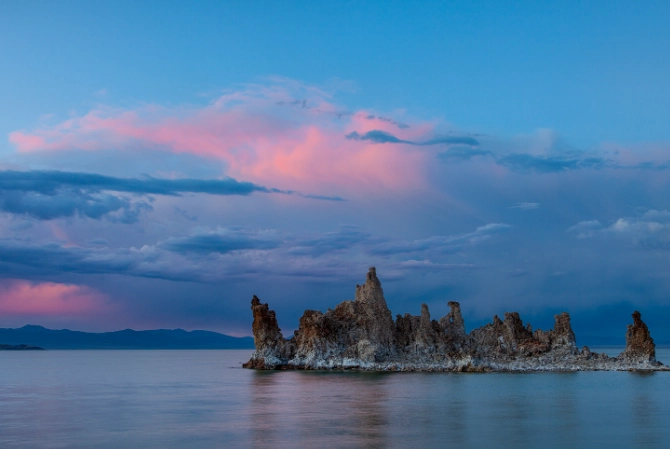
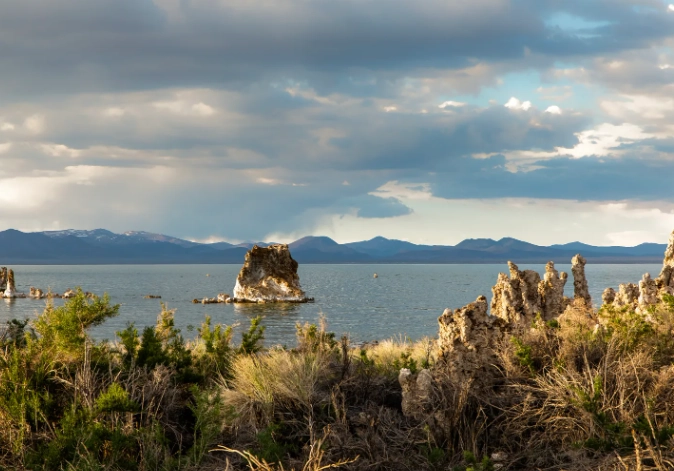
Now, the stars of the show: the tufa towers. These aren't lava formations or coral. They're limestone. Freshwater springs rich in calcium bubble up from the lake bottom and meet the carbonate-rich lake water. A chemical reaction occurs, depositing limestone around the spring mouth, building these towers upward over centuries. The most famous tufa groves visible today were exposed when the lake level dropped dramatically in the mid-20th century due to water diversion to Los Angeles. A landmark legal battle later saved the lake, and its level is now managed. You can learn about this crucial history from resources like the Mono Lake Committee.
This harsh environment creates a bizarre ecosystem. The only things that can live in the main lake are trillions of tiny brine shrimp and alkali flies. But this simple food web supports over a million migratory birds annually. Seeing clouds of California gulls or phalaropes spinning on the water is a spectacle.
The Best Things to Do at Mono Lake: South vs. North Shore
Your experience depends entirely on which side of the lake you visit. They offer completely different vibes.
| Feature | South Shore (Near Lee Vining) | North Shore (Near Mono City) |
|---|---|---|
| Primary Access | Mono Lake County Park & Navy Beach. Easy off Highway 395. | Mono Lake Tufa State Natural Reserve. Requires driving on partially paved/unpaved roads. |
| The Vibe | More accessible, popular for sunrise/sunset photos, close to amenities. | More remote, wild, and quiet. Feels like you discovered it. |
| Key Attraction | The iconic, dense forest of tufa towers at Navy Beach and Old Marina. You can walk right among them. | Panum Crater (a young volcano you can hike into) and wider views of the lake against the Sierra backdrop. |
| Best For | First-time visitors, photographers, families with kids, people short on time. | Hikers, geology buffs, birders, those seeking solitude. |
| My Personal Take | The tufa are incredible, but it can get crowded at golden hour. The water access is easier for a quick toe-dip (expect a slippery, mucky bottom). | This is where I always go for a longer walk. The view of the Sierra from the north is unbeatable, especially in late afternoon light. |
If you have time, do both. Start at the South Shore for the classic tufa experience, then drive the loop around the north for perspective. The Mono Lake Committee also offers fantastic guided tours (kayak tours are a highlight) from June to September—book ahead.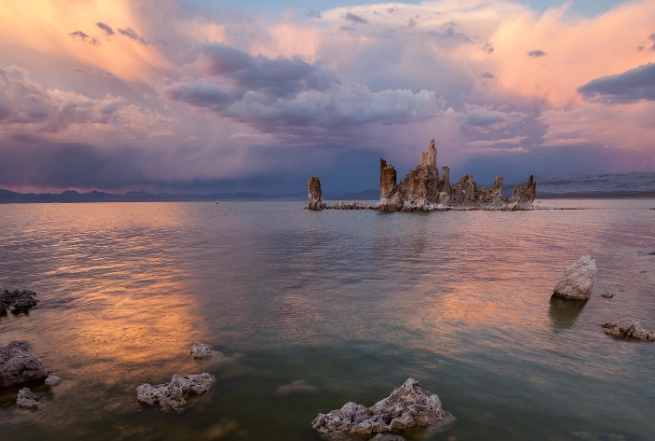
Don't Miss These Specific Spots
- Navy Beach: For the most concentrated, walkable tufa field. Park, walk 2 minutes, you're there.
- Panum Crater Plug Trail: A moderate 0.5-mile hike to the top of a 600-year-old volcano. The view of Mono Lake from the rim is otherworldly.
- Mono Lake County Park: Picnic tables, restrooms, and a gentle path to the water's edge. Great for a relaxed lunch.
Mono Lake Photography: Capturing the Tufa Towers (The Right Way)
Everyone wants that shot. Here’s the secret most photo guides won’t tell you: midday light at Mono Lake is usually terrible. The high-altitude sun bleaches out the subtle colors of the tufa and water.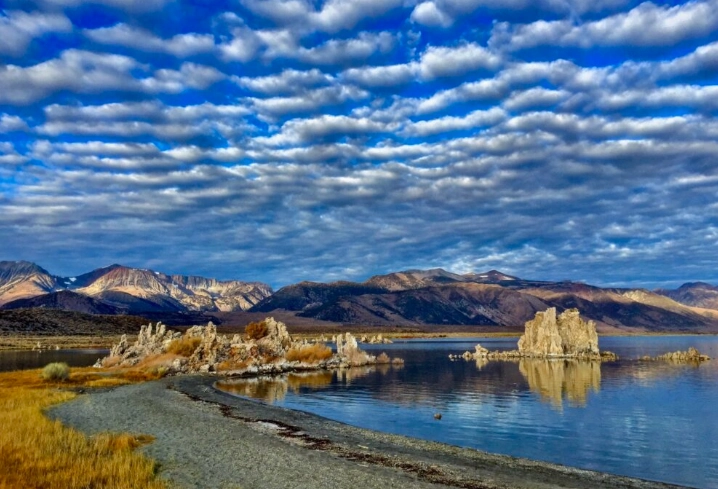
You need the low-angle light of sunrise or sunset. But here's the expert nuance: Sunrise is often better than sunset. Why? The eastern sky lights up the Sierra peaks, which reflect in the lake's surface. The air is calmer, leading to glassier water for reflections. At sunset, the sun sets behind the Sierra, so the tufa are often in shadow while the sky is bright. It can still be beautiful, but it's a trickier balance.
A polarizing filter is your best friend. It cuts the glare on the water and makes the tufa textures pop. Wear shoes you don't mind getting wet and muddy—the best compositions often require wading a few feet into the shallows. And for goodness sake, look down. The patterns in the sand, the brine fly pupae casings, and the tiny details are as fascinating as the grand landscape.
Practical Travel Tips & Common Mistakes to Avoid
Let's get practical. This is a high-desert environment at over 6,000 feet in elevation.
The Top 3 Mistakes First-Time Visitors Make:
1. Not bringing layers. It can be 85°F at 2pm and 45°F by 7pm. The wind whips across the basin without warning.
2. Expecting to swim. You can wade, but the water is dense, salty, and has a distinct… organic smell. It won't ruin your clothes, but it's not a refreshing dip. Rinse off with fresh water afterwards.
3. Rushing the visit. Mono Lake isn't a 30-minute photo stop. Plan for at least half a day to visit the center, explore one shore, and do a short hike. A full day lets you appreciate its scale and mood changes.
Where to stay? Lee Vining has basic motels, a historic lodge, and campgrounds. June Lake (15 minutes north) has more options. Book months in advance for summer and fall weekends. Where to eat? Whoa Nellie Deli inside the Tioga Gas Mart is a legendary spot for fish tacos and burgers. The Mono Cone is a classic for soft-serve.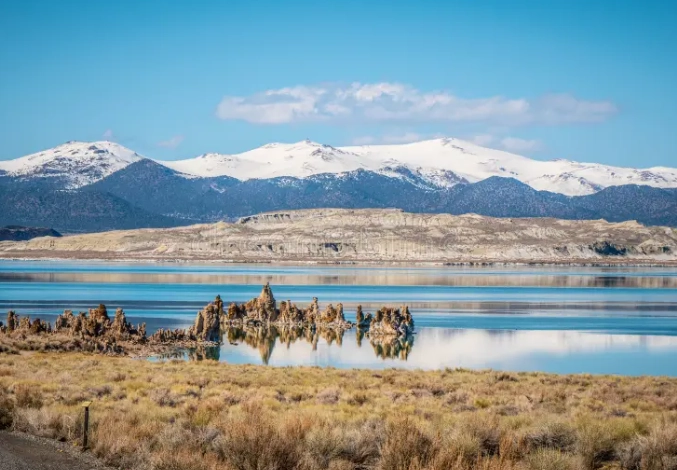
The best time to visit is late spring through early fall. May-June has wildflowers and high water. July-August has warm weather and all tours operating. September-October has fewer crowds, stunning fall colors in the nearby canyons, and active bird migrations. Winter is for the hardy—snow-covered tufa are magical, but roads and services are limited.
Your Mono Lake Questions, Answered
Mono Lake sticks with you. It's not a place you simply see; it's a place you feel. The silence out on the north shore, the crunch of alkali crust underfoot, the cry of a gull over water that has witnessed millennia. It challenges your expectations of what a lake should be. In a world of over-manicured nature experiences, Mono Lake remains defiantly, wonderfully strange. Go see it.
Reader Comments