Nestled in the Santa Rita Mountains just south of Tucson, Madera Canyon isn't just another pretty spot in Arizona. It's a world-renowned birding mecca and a hiker's sanctuary, a place where the Sonoran Desert dramatically gives way to a lush, pine-oak woodland. This "Sky Island" effect—where isolated mountain ranges host ecosystems radically different from the surrounding desert—makes Madera Canyon a biological treasure chest. People come from across the globe hoping to spot a dazzling Elegant Trogon or hear the call of a Mexican Spotted Owl. But here's the thing most generic guides miss: if you treat it like a simple checklist of birds or trails, you'll miss its soul. The real magic is in the pace. This is a place to slow down, to sit on a bench by a creek, and let the wildlife come to you.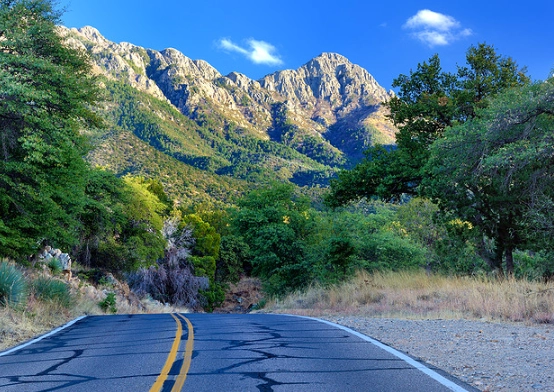
Your Quick Guide to Madera Canyon
Getting There & Key Logistics
Madera Canyon is about a 45-minute to one-hour drive southeast from Tucson. You'll take I-19 south to exit 63 (Continental Road), head east, then follow the well-signed Madera Canyon Road into the Coronado National Forest. The road dead-ends at the Roundup Picnic Area.
Need-to-Know Basics
Address & Navigation: Use "Madera Canyon Recreation Area, Green Valley, AZ 85614" for GPS. The canyon itself is a series of parking lots and trailheads along Madera Canyon Road.
Fees: A Coronado National Forest Day Pass is required. It's $8 per vehicle (as of this writing). You can buy it at self-service stations at the entrance or online via Recreation.gov. An America the Beautiful Interagency Pass also works.
Operating Hours: The canyon is open 24/7, but the road gates are not locked. Restrooms at major trailheads are usually maintained. The best visiting hours are dawn until late morning, and again in the late afternoon for wildlife activity.
Cell Service: It's spotty to non-existent once you're up the canyon. Download maps and info beforehand.
One logistical nuance most overlook: the parking lots, especially the ones at the top near the Proctor Trailhead and the Roundup area, fill up incredibly fast on weekend mornings from March through May. I've seen people circling like vultures by 8 AM. If you want a prime spot for an early hike or birding session, aim to arrive by 7:00 AM, or consider visiting on a weekday.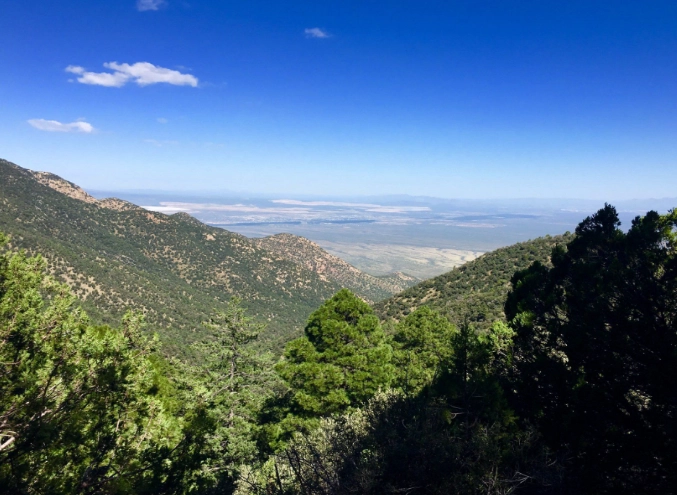
The Best Hiking Trails for Every Level
Don't make the mistake of thinking Madera Canyon is only for hardcore mountaineers. The trail system is beautifully tiered.
For Families & Easy Birding: The Proctor Loop
This is the heart of the canyon. It's a network of paved and gravel paths around the Proctor Parking Area (Milepost 6.5). The Proctor Trail #144 is a gentle, shaded walk along Madera Creek. It's wheelchair-accessible for the first stretch and is famously productive for birding. You'll see more binoculars and long camera lenses here than anywhere else. The loop connects to the Nature Trail for a longer, but still easy, stroll.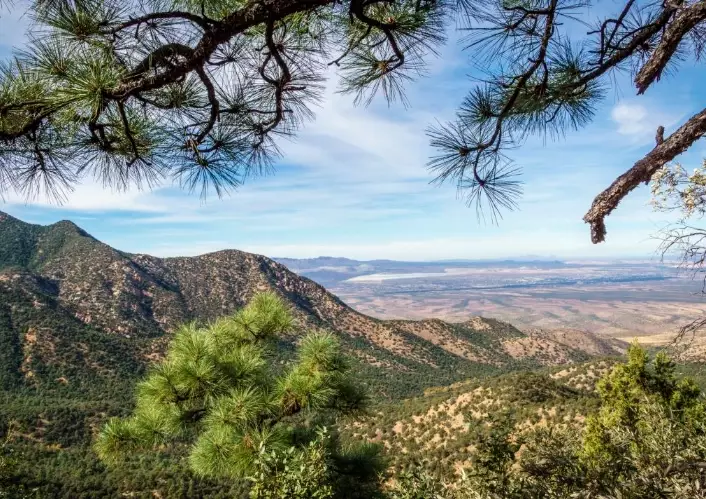
For a Solid Half-Day Hike: Josephine Saddle via Old Baldy Trail
Ready for a workout with epic payoffs? The Old Baldy Trail #372 starts from the Roundup area. It's a steady, switchbacking climb through fantastic forest to Josephine Saddle. The round trip is about 5.5 miles with 1,500 feet of elevation gain. At the saddle, you get breathtaking views down into Florida Canyon. This is where you might find higher-elevation birds like the Hutton's Vireo or hear the wind in the pines. It's challenging but doable for anyone in decent shape with enough water.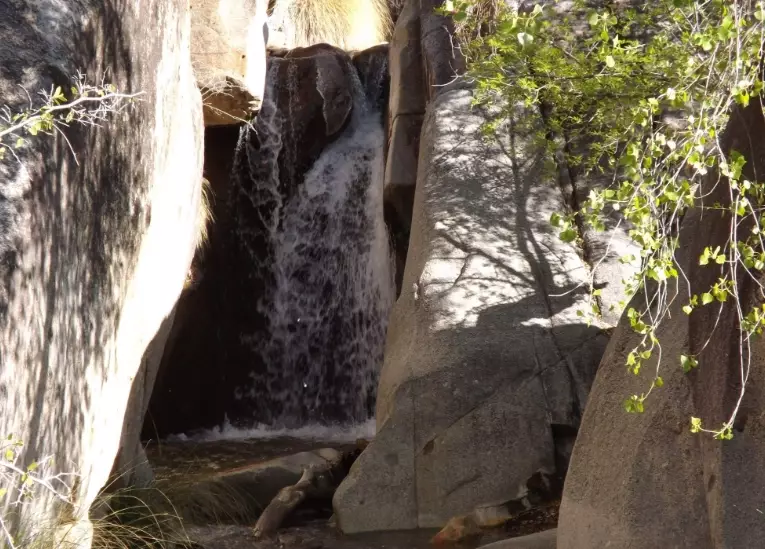
For the Ambitious: Mount Wrightson Summit
The crown jewel. Mount Wrightson is the highest peak in the Santa Ritas at 9,453 feet. The summit hike is a full-day, serious endeavor—11+ miles round trip and over 4,000 feet of climbing from the Roundup trailhead. You'll pass through multiple life zones. It's usually tackled via the Old Baldy and Super Trail loops. Only attempt this if you're an experienced hiker, have started at dawn, and have checked the weather (afternoon thunderstorms are a real hazard in summer). The view? Unforgettable.
| Trail Name | Start Point | Distance (RT) | Difficulty | Best For |
|---|---|---|---|---|
| Proctor Loop Trails | Proctor Parking Lot | 1-2 miles | Easy | Families, beginner birders, photography |
| Josephine Saddle (Old Baldy) | Roundup Picnic Area | ~5.5 miles | Moderate-Strenuous | Experienced hikers, forest immersion, views |
| Mount Wrightson Summit | Roundup Picnic Area | 11+ miles | Very Strenuous | Peak baggers, all-day adventure |
| Vault Mine Trail | Between Proctor & Whitehouse | ~2.5 miles | Moderate | Avoiding crowds, history, good incline |
Birding Like a Pro: Seasons, Spots & Strategy
Let's cut to the chase. You're here for the birds. The official list boasts over 250 species. The star is the Elegant Trogon, a stunning green-and-red bird that summers here. But focusing solely on the trogon is the biggest mistake a birder can make. You might miss the Painted Redstart flitting in the oaks, the Magnificent Hummingbird at a feeder, or the Montezuma Quail which is arguably harder to find.
The Seasonal Clock
- Spring (March-May): Peak migration. Warblers, flycatchers, and the summer residents (like the trogon) arrive. This is the busiest, most competitive time.
- Summer (June-August): Trogons are vocal and present, but it's hot at lower elevations. Higher trails offer relief. Monsoon rains (July-Aug) bring lush greenery and increased activity.
- Fall (September-November): Underrated. The crowds vanish. Southbound migration happens, and the canyon is peaceful and beautiful.
- Winter (December-February): A different cast: juncos, kinglets, and sometimes Red-breasted Nuthatches. Quiet and serene, with a chance of snow at higher elevations.
Strategic Birding Locations
Dawn at Proctor Road: Before you even hit a formal trail, walk slowly along the road between the Whitehouse and Proctor lots at dawn. This is a hotspot for foraging flocks.
The Creek Crossings: Anywhere the trail crosses Madera Creek on the Proctor Loop is a natural funnel for birds coming to drink or bathe. Be patient and stay quiet.
The Feeders at Santa Rita Lodge: While the lodge is private for guests, the viewing area at their famous hummingbird feeders is often accessible to the public and is a guaranteed spectacle. It's a great spot for beginners or photographers. Please be respectful and consider making a donation to their conservation fund.
Higher Elevation Trails: For species like the Olive Warbler or Greater Pewee, you need to get up to the Josephine Saddle area on the Old Baldy Trail.
Bring water, snacks, a field guide (Sibley's or the free Merlin app), and most importantly, patience. The birds are there. Sit on a bench for 20 minutes and you'll see more than hiking briskly for two hours.
Where to Stay and Grab a Bite
There are no hotels or restaurants inside the canyon itself. Planning ahead is key.
Lodging In and Near the Canyon
- Santa Rita Lodge: The iconic choice right in the canyon. It's a no-frills, rustic retreat with cabins and rooms, famous for its bird feeders. It books up a year in advance for peak season. Perfect for serious birders who want to be on-site at dawn. Address: 1218 S Madera Canyon Rd, Green Valley, AZ. Prices range from $150-$250+ per night.
- Chuparosa Inn Bed & Breakfast: Another excellent, bird-focused B&B just a few miles from the canyon entrance. Quiet, knowledgeable hosts, and great breakfasts. A fantastic alternative if Santa Rita is full.
- Green Valley or Sahuarita: These towns, about 20-30 minutes away, offer all the standard chain hotels (Holiday Inn Express, Hampton Inn) and vacation rentals. This is the most flexible and plentiful option.
- Tucson: Staying in Tucson gives you the widest range of dining and lodging, but you're committing to a 45-60 minute commute each way to the canyon.
Food & Supplies
Pack a picnic. There are wonderful picnic areas throughout the canyon (Whitehouse, Roundup). There are no food vendors in the canyon. Stock up on water, snacks, and lunch in Green Valley or Sahuarita. For a post-hike meal, Green Valley has decent Mexican food and casual American fare. My personal stop is often for a well-earned burger on the drive back to Tucson.
Building Your Perfect Day Trip or Weekend
The Efficient Day Trip (From Tucson or Green Valley)
6:30 AM: Arrive at Whitehouse Picnic Area. Secure parking, use facilities.
6:45 - 9:00 AM: Morning birding walk on the Proctor Loop trails. This is prime time.
9:00 - 9:30 AM: Break for a snack, check out the Santa Rita Lodge feeders (if accessible).
9:30 - 12:30 PM: Hike the Vault Mine Trail or a longer section of the Old Baldy Trail towards Josephine Saddle.
12:30 PM: Picnic lunch at Roundup or Whitehouse.
1:30 - 3:00 PM: Relaxed exploration, maybe a short walk on a different creek section. Wildlife is less active in the midday heat.
3:00 PM: Head out, stopping at a viewpoint on Madera Canyon Road for a final look.
The Relaxed Weekend Getaway
Day 1: Arrive midday, check into lodging. Afternoon reconnaissance: drive to the top, scout trails, have a late picnic dinner at a picnic area to enjoy the evening light and early owl calls.
Day 2: Full dawn-to-dusk immersion. Execute the ambitious hike (Old Baldy to Saddle or beyond) you scouted, with plenty of birding stops on the way up and down. Early bed.
Day 3: A final, slow-paced morning birding session on the Proctor Loop, saying goodbye to the trogons (hopefully), before a late breakfast in Green Valley and departure.
Expert Answers to Your Madera Canyon Questions
Madera Canyon's magic is its accessibility and depth. It welcomes the first-time visitor with easy paths and stunning birds, yet it endlessly rewards the return visitor with new trails, deeper forest silence, and the constant possibility of a surprise encounter. It's not a theme park; it's a living, breathing mountain ecosystem. Respect it, plan for it, and it will give you an experience that sticks with you long after you've driven back down into the desert.
Reader Comments