Quick Guide
- The Lay of the Land: Understanding Bear Lake's Geography
- Your First Option: Developed Campgrounds (The Easy Way)
- Your Second Option: Dispersed Camping (The Adventurous Way)
- Permits, Fees, and Reservations: Cutting Through the Red Tape
- When is the Best Time to Camp at Bear Lake?
- What to Pack: The Bear Lake-Specific Camping List
- Your Burning Questions Answered: The Bear Lake Camping FAQ
- Making Your Decision: A Quick Recap
Let's cut right to the chase. If you're typing "Can I camp at Bear Lake?" into Google, you want a clear answer, not a fluffy travelogue. The short answer is a resounding yes, you absolutely can camp at Bear Lake. But—and this is a big but—the "how" and "where" are what really matter. It's not just one simple option. Your experience can range from a fully serviced RV spot with a lake view to finding a solitary patch of dirt in the national forest where the only sound is the wind.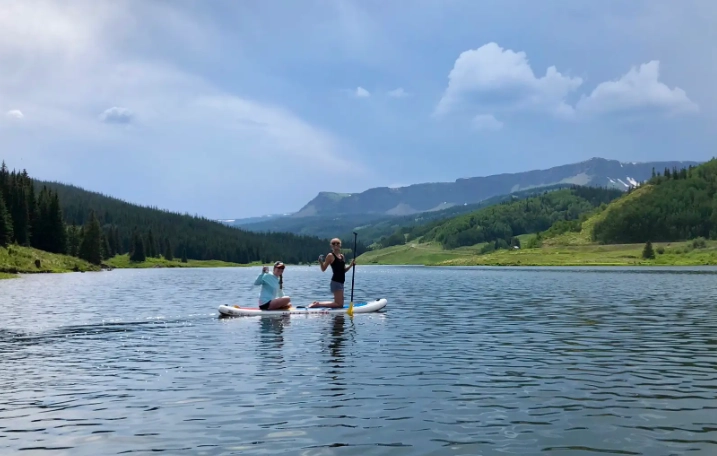
I've spent more nights than I can count around Bear Lake, in tents, in the back of my truck, and yes, once in a very crowded campground that made me question my life choices. This guide is the one I wish I had before my first trip. We're going to walk through every single option, the rules (the boring but crucial stuff), the secrets to a good spot, and the common mistakes to avoid. Because honestly, nothing ruins a trip faster than setting up camp only to have a ranger tell you to pack up.
Quick Navigation: This guide is long because the topic is detailed. Use these anchors if you're in a hurry: Official Campgrounds, Free Dispersed Camping, Permits & Fees, When to Go, What to Bring, Your Questions Answered.
The Lay of the Land: Understanding Bear Lake's Geography
First things first, "Bear Lake" isn't managed by one entity. This is the key to understanding the different answers to "Can I camp at Bear Lake?". The lake straddles the Utah-Idaho border, and the land around it is a patchwork of different managers, each with their own rulebook.
- Bear Lake State Park (Utah & Idaho): Manages the most popular, developed areas right on the shoreline, including Rendezvous Beach and Eastside. This is where you find classic family campgrounds with amenities.
- U.S. Forest Service (Wasatch-Cache National Forest): Controls vast tracts of land, primarily on the west and south sides. This is the domain of developed forest campgrounds and, importantly, dispersed camping.
- Bureau of Land Management (BLM): Manages some areas, particularly to the north and east. BLM land often allows dispersed camping as well, but rules can differ slightly from the Forest Service.
- Private Property: Significant portions of the shoreline are privately owned. No camping here unless it's a designated private RV park or you have explicit permission.
So when you ask about camping at Bear Lake, you're really asking about which of these jurisdictions you want to camp in. Your choice dictates the scenery, the cost, the amenities, and the level of solitude.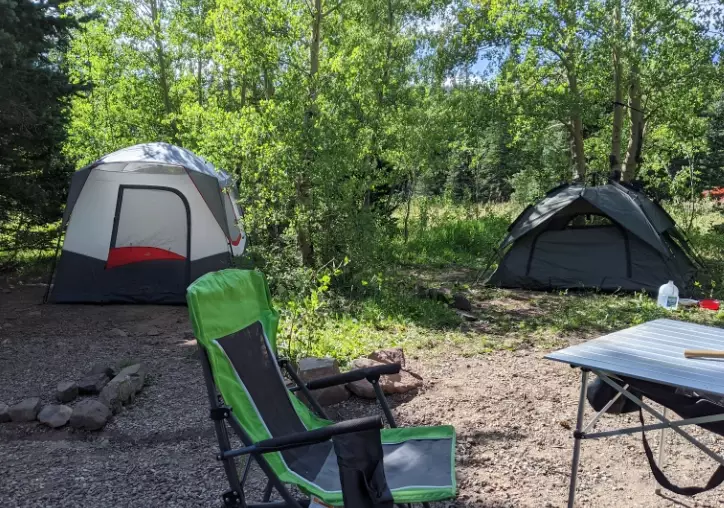
Your First Option: Developed Campgrounds (The Easy Way)
If you want a guaranteed spot, picnic tables, fire rings, and often amenities like potable water and vault toilets, the developed campgrounds are your best bet. They take the guesswork out of the question "Can I camp at Bear Lake?". You reserve a spot, you show up, you camp. Ideal for families, first-timers, or anyone who doesn't want to venture far into the backcountry.
Here’s a breakdown of the major developed campgrounds to help you compare. I've included my personal take on the vibe of each one.
| Campground Name | Managing Agency | Key Features & Vibe | Reservations & Notes |
|---|---|---|---|
| Rendezvous Beach | Utah State Parks | The big, popular one. Long sandy beach, great for swimming and large groups. Can feel crowded and noisy on summer weekends (trust me, I've been there on a July 4th weekend – it was a zoo). Lots of RVs. | Reservations essential in summer. Book via ReserveAmerica. Full hookup sites available. |
| Eastside (North & South) | Idaho State Parks | Beautiful views of the lake from the east bench. More spaced-out sites than Rendezvous, feels a bit more relaxed. Good mix of tent and RV. | Reservations highly recommended. Book via Idaho Parks & Rec. |
| Garden City Park | Town of Garden City, UT | Right in town. Super convenient for running to get food or supplies, but you're not exactly "in nature." More of an urban camping experience. | First-come, first-served. Often fills early on summer Fridays. |
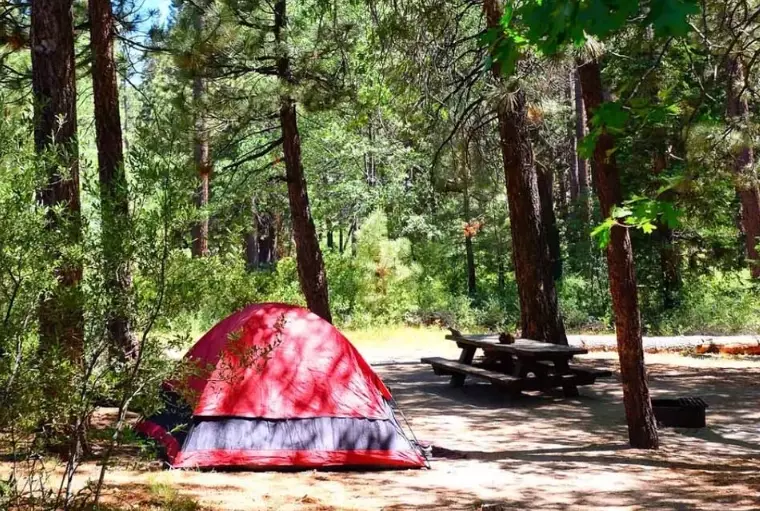
| Paris Springs & Swan Flat | U.S. Forest Service | My personal favorites for a forest feel. These are a short drive from the lake, nestled in aspens and pines. Quieter, cooler, and great for tents. You trade the direct lake view for shade and serenity. | Mostly first-come, first-served. A few sites may be reservable. Check Recreation.gov for details. |
A word of caution on the state park beaches: the sand is fantastic, but the wind can be brutal in the afternoon. On one trip, my awning nearly became a kite. Stake everything down deeply.
Your Second Option: Dispersed Camping (The Adventurous Way)
This is where the real magic happens for many, and it's a major part of the complete answer to "Can I camp at Bear Lake?". Dispersed camping, also called primitive or dry camping, means camping outside of a designated campground, usually for free, on public land managed by the Forest Service or BLM.
No amenities. No reservations. Just you, your gear, and a huge landscape. This is how you find true solitude.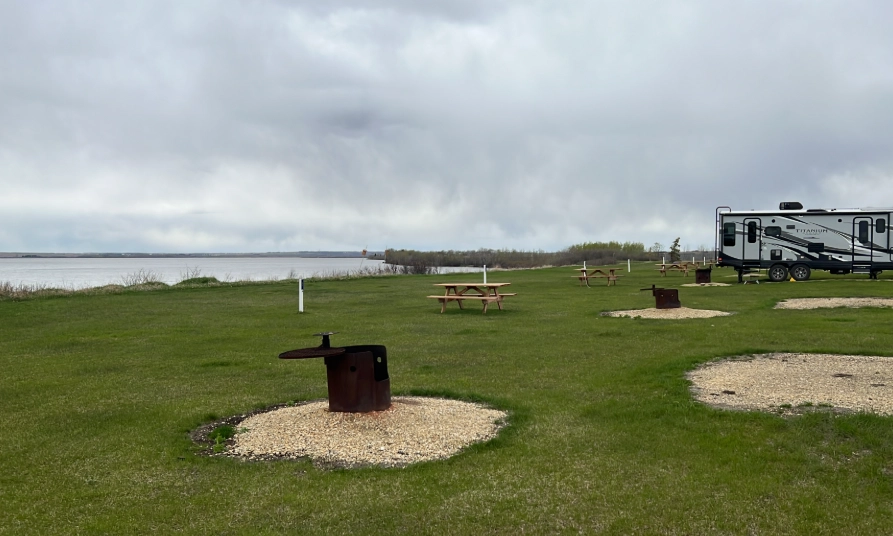
The Rules of Dispersed Camping: Non-Negotiables
Freedom comes with responsibility. Breaking these rules is how areas get closed to everyone. The Wasatch-Cache National Forest official site has the full regulations, but these are the big ones:
- Camp 100-200 feet from water, trails, and roads. This protects fragile shoreline and keeps the area wild for the next person.
- No camping in day-use areas or posted closures. If there's a sign, obey it.
- Stay Limit: Typically 14 days within a 30-day period in one location.
- The Golden Rule of Dispersed Camping: Pack It In, Pack It Out. Everything. All trash, including food scraps, toilet paper, and hygiene products. If you brought it, it leaves with you.
Human Waste: This is the biggest issue. If there's no outhouse, you must bury it. Dig a "cat hole" at least 6-8 inches deep and 200 feet from any water, trail, or camp. Pack out your toilet paper in a sealed bag. Seriously. Please.
Where to Find Dispersed Sites Around Bear Lake
Look to the national forest lands southwest of the lake, up in the canyons like Logan Canyon or St. Charles Canyon. Forest Service roads (often gravel) branch off from the main highways. You'll see pull-offs and previously used spots. A good rule is: if you see obvious fire rings and the area looks established, it's probably okay. If you're trampling pristine vegetation to make a spot, you're in the wrong place.
My go-to method? I use a mapping app like Gaia GPS or OnX that shows public land boundaries. I look for national forest land (green on most maps) that's accessible by a decent road. I'll often drive up on a Friday evening and just explore slowly until I find a spot that feels right. It requires flexibility, but the reward is a campsite all your own.
So, can I camp at Bear Lake for free? Yes, through dispersed camping on national forest land. But "free" doesn't mean without cost—the cost is your preparation, self-sufficiency, and commitment to Leave No Trace.
Permits, Fees, and Reservations: Cutting Through the Red Tape
Nobody likes surprise fees. Let's clarify what you need to pay for and when.
- Developed Campgrounds: Always have a fee, ranging from $20-$40+ per night. You pay this when you make your reservation or to the camp host on-site.
- Dispersed Camping: Generally no fee on most Forest Service and BLM land around Bear Lake.
- Day Use at State Parks: If you're camping dispersed but want to use Rendezvous Beach for the day, you'll need to pay the state park day-use fee at the entrance station.
- Fire Permits: This is critical. Outside of a metal fire ring in a developed campground, you often need a permit for any open flame, even a camp stove, depending on the season and fire danger. In Utah, get a free Fire Permit from Utah Fire Info. In Idaho, check the Idaho Fire Info site. Always check for current fire restrictions before you strike a match.
When is the Best Time to Camp at Bear Lake?
This isn't a trivial question. The season dramatically changes the experience and the answer to "Can I camp at Bear Lake?"
- Peak Summer (July - August): Warm days, perfect for swimming. This is when everyone asks if they can camp at Bear Lake. Reservations are mandatory for developed sites. Dispersed sites fill early on weekends. Afternoon thunderstorms and wind are common.
- Shoulder Seasons (Late May-June, September): My personal favorite time. Fewer people, cooler nights, fewer bugs. Water might be chilly for swimming, but hiking is perfect. Some high-elevation forest roads may still be closed in early June due to snow.
- Fall (October): Stunning with changing aspens. Nights get very cold. Many developed campgrounds close after September/Labour Day. Dispersed camping is still an option, but be prepared for freezing temperatures.
- Winter (Nov-April): A different world. The lake often freezes. Camping shifts to cold-weather/winter camping. Most roads into dispersed areas are impassable due to snow. Only for the very experienced and properly equipped.
What to Pack: The Bear Lake-Specific Camping List
Forget generic lists. Here’s what you specifically need for Bear Lake, especially if you're answering "yes" to dispersed camping at Bear Lake.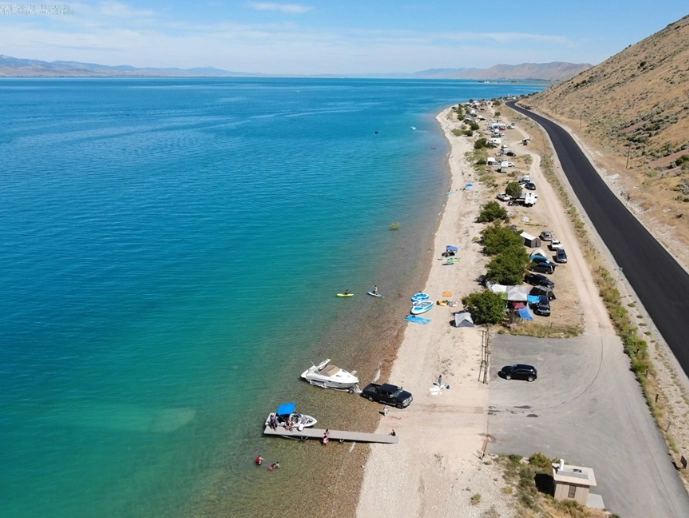
Essential Gear (Beyond the Basics)
- Wind-Stable Shelter: A sturdy tent with strong stakes and guylines. The wind whipping across the lake is no joke.
- Warm Sleeping Bag: Even in summer, nights at 6,000+ feet can dip into the 40s (F). A 20-30°F bag is safe.
- Sun Protection Army: Sunscreen, wide-brim hat, sunglasses. The elevation means stronger UV rays. You'll burn faster.
- All Your Water: For dispersed camping, you must bring all the water you need for drinking, cooking, and cleaning. Plan for at least 2 gallons per person per day. There is no spigot in the woods.
- Bug Spray: Mosquitoes can be fierce in June and July, especially near marshy areas.
- Maps & Navigation: A physical map or offline maps on your phone. Cell service is spotty to non-existent in the national forest.
The "Leave No Trace" Kit
If you're going primitive, this is as important as your tent.
- Trash Bags: Heavy-duty bags. More than you think you'll need.
- Sealable Bags for Toilet Paper: Like zip-top freezer bags. Double-bag it.
- Trowel: For digging proper cat holes.
- Biodegradable Soap: For washing dishes, and only to be used 200+ feet from any water source.
Your Burning Questions Answered: The Bear Lake Camping FAQ
Making Your Decision: A Quick Recap
So, after all this, can you camp at Bear Lake? You tell me.
If you want ease, amenities, and a social atmosphere, book a site at a state park or forest service campground months in advance for summer. If you seek solitude, self-reliance, and a free stay, head into the national forest for dispersed camping, but go prepared to follow all the rules and leave no trace.
The beauty of Bear Lake is that it offers both. My advice? Try both. Maybe start with a weekend at a campground to get your bearings. Then, on a future trip, venture down a forest road with your newly honed skills. That's how you truly experience everything this amazing place has to offer.
Just remember to check those official links for the very latest on permits and restrictions before you head out. Conditions change, and the most responsible camper is an informed one. Now go answer that question for yourself.
Reader Comments