I still remember the first time I squeezed through Buckskin Gulch. The walls were so close I could touch both sides, and the light filtering down from above felt like something out of a dream. But halfway in, I realized I’d made a classic mistake—I hadn’t checked the weather forecast closely enough. That’s the thing about Buckskin: it’s breathtaking, but it demands respect. If you’re thinking about hiking this iconic slot canyon, you’re in the right place. This guide cuts through the generic advice and gives you the nitty-gritty details, from snagging permits to avoiding flash floods, based on years of hiking here.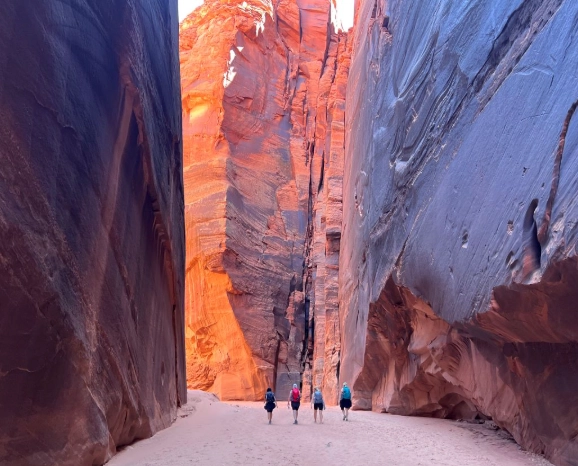
Quick Navigation: What’s Inside This Guide
- What is Buckskin Gulch and Why Should You Hike It?
- How to Get a Buckskin Gulch Permit (Without the Hassle)
- Planning Your Buckskin Gulch Hike: Routes and Itineraries
- Essential Gear for Buckskin Gulch: What Most People Forget
- Safety First: Navigating Flash Floods and Other Risks
- When is the Best Time to Visit Buckskin Gulch?
- FAQs: Your Buckskin Gulch Questions Answered
What is Buckskin Gulch and Why Should You Hike It?
Buckskin Gulch isn’t just another canyon—it’s one of the longest and deepest slot canyons in the world, stretching over 15 miles through the Paria Canyon-Vermilion Cliffs Wilderness. Located on the Arizona-Utah border, it’s part of the Bureau of Land Management (BLM) area. The draw? Sheer, narrow walls that tower hundreds of feet high, creating a maze-like experience that’s equal parts awe-inspiring and humbling.
But here’s a non-consensus view: many blogs hype the beauty, but few mention the psychological toll. The confinement can trigger claustrophobia, and the silence is deafening. I’ve seen seasoned hikers turn back because they underestimated the mental challenge. That said, if you’re prepared, it’s an unforgettable adventure.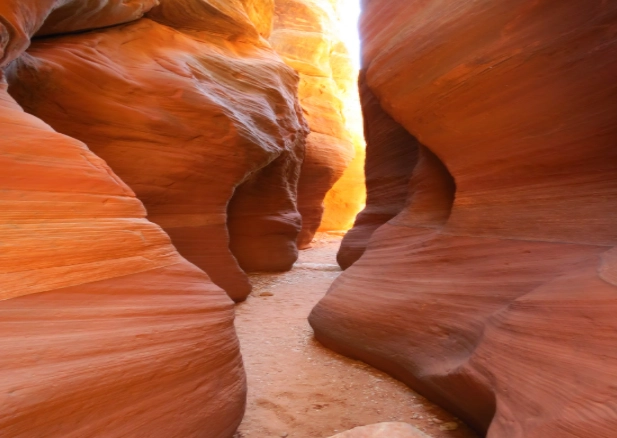
Location and Access Points
Buckskin Gulch has two main trailheads: Wire Pass Trailhead and Buckskin Gulch Trailhead. Wire Pass is more popular because it’s shorter and connects directly to the narrows. From Page, Arizona, take Highway 89 to House Rock Valley Road—a rough dirt road that requires a high-clearance vehicle, especially after rain. The BLM website has detailed directions, but trust me, download offline maps; cell service is nonexistent.
Address-wise, it’s roughly 40 miles east of Kanab, Utah. There’s no formal “opening hours”—it’s open year-round, but access depends on weather. Parking is free but limited, so arrive early, especially on weekends.
How to Get a Buckskin Gulch Permit (Without the Hassle)
This is where most people stumble. You need a permit for any overnight trip or for day hikes if you’re entering from Wire Pass. Day hikes from Buckskin Gulch Trailhead don’t require one, but that’s a longer route. Permits are managed by the BLM and sell out fast, especially from March to October.
Here’s the step-by-step:
- Apply Online: Go to the BLM’s Paria Canyon permit page. Applications open four months in advance. Set a reminder—permits for popular dates vanish within minutes.
- Fees: As of now, it’s $6 per person per day for overnight trips, plus a $5 reservation fee. Day use from Wire Pass is $6 per person. Prices can change, so check the latest on the BLM site.
- Group Size: Limited to 10 people. Larger groups? Split up or rethink plans.
I’ve missed out twice because I waited too long. Don’t be like me—plan ahead. If permits are sold out, consider mid-week trips or off-season visits.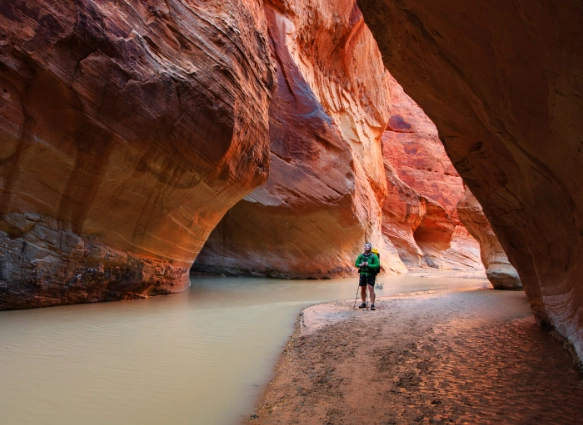
Pro Tip: The BLM releases a small number of last-minute permits 48 hours in advance. If you’re flexible, try your luck online at 8 AM Mountain Time two days before your hike.
Planning Your Buckskin Gulch Hike: Routes and Itineraries
Routes vary based on time and fitness. Most hikers do a day hike through Wire Pass to Buckskin Gulch and back, about 5-6 miles round trip. For the full experience, an overnight trek through Buckskin to the Paria River is epic but requires more logistics.
| Route | Distance | Time Needed | Difficulty | Permit Required? |
|---|---|---|---|---|
| Wire Pass to Buckskin Narrows (out-and-back) | 5-6 miles | 4-6 hours | Moderate | Yes, for Wire Pass entry |
| Buckskin Gulch Trailhead to Middle Narrows | 8 miles round trip | 6-8 hours | Strenuous | No for day use |
| Through-hike: Wire Pass to Paria River | 15+ miles | 2-3 days | Very strenuous | Yes, overnight permit |
For a day hike, start at Wire Pass. The trail drops quickly into the slot, and within minutes, you’re surrounded by those iconic walls. It’s mostly flat but involves scrambling over rocks and wading through occasional pools—expect mud and water, even in dry seasons.
Overnight trips require caching water at the Paria River exit or carrying all your water, which adds weight. I once carried 4 liters and ran out; now I always cache. The BLM recommends specific spots, detailed in their guide.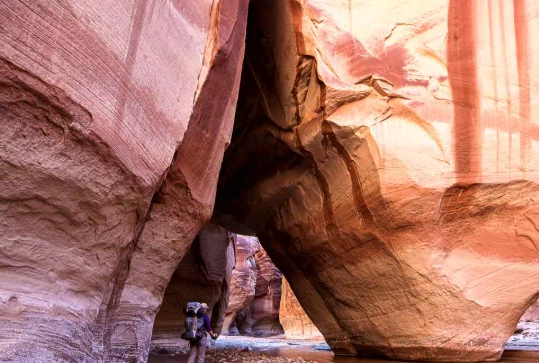
Getting There: Directions and Parking
From Las Vegas, it’s a 4-hour drive via I-15 and Highway 89. From Phoenix, about 5 hours. Fill up gas in Page or Kanab—the last stations before the trailhead. House Rock Valley Road is 8 miles of graded dirt, but after rain, it turns to slick mud. I’ve seen sedans get stuck; a 4x4 or at least an SUV is wise.
Parking at Wire Pass has space for about 20 vehicles. Get there by 7 AM to secure a spot. No facilities—just a pit toilet at the trailhead. Pack out all trash.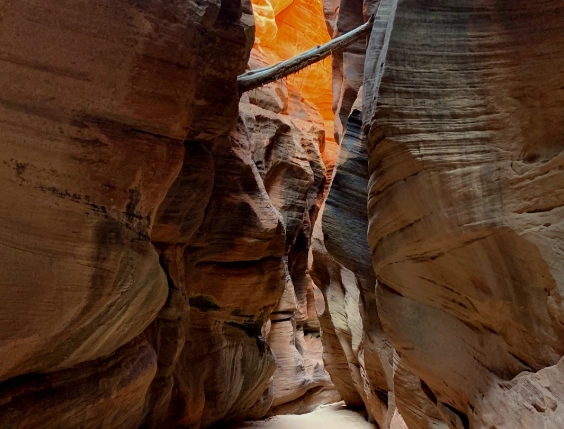
Essential Gear for Buckskin Gulch: What Most People Forget
Gear can make or break your hike. Beyond the basics (water, snacks, sturdy shoes), here’s what beginners often overlook:
- Headlamp with Extra Batteries: The narrows get dark fast, even midday. If you get delayed, a light is crucial.
- Neoprene Socks or Water Shoes: You’ll hit water pools. Wet feet in regular boots lead to blisters. I learned this the hard way.
- Dry Bags: For electronics and extra clothes. Splashes are common.
- Trekking Poles: Not just for stability—they help test water depth and mud consistency.
- Weather Radio: Cell phones don’t work. A portable NOAA weather radio gives flash flood warnings.
Skip cotton clothes; they stay wet. Synthetic or wool layers work better. And bring more water than you think—at least 3 liters per person for a day hike. In summer, double that.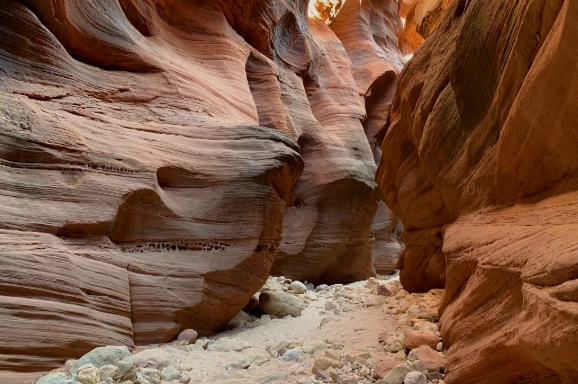
Safety First: Navigating Flash Floods and Other Risks
Flash floods are the biggest danger. Buckskin Gulch is a drainage channel, and rain miles away can send a wall of water through without warning. Most guides say “check the weather,” but that’s not enough. Here’s what I do:
Monitor the National Weather Service forecast for the entire Paria River watershed, not just the canyon. If there’s a 20% chance of rain within 50 miles, I reconsider. Once inside, watch for signs like rising water levels, debris in the water, or a sudden change in air pressure. If you hear a roar like distant thunder, get to high ground immediately—don’t wait to see water.
Other risks: hypothermia from cold water, ankle injuries on rocky terrain, and getting lost in side canyons. Always tell someone your plan and expected return time. The BLM recommends registering at the trailhead, but honestly, the boxes are often full—so have a backup check-in system.
I once helped a group who’d wandered into a dead-end side canyon. They’d missed the main route because they weren’t watching for cairns. Pay attention to trail markers.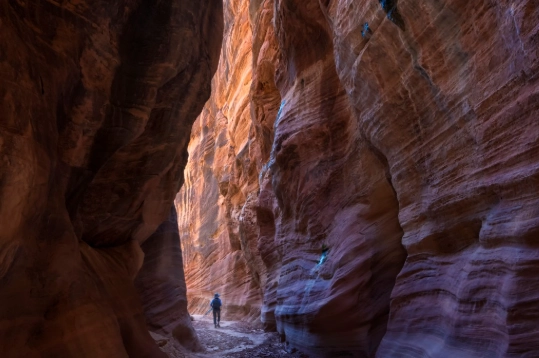
When is the Best Time to Visit Buckskin Gulch?
Spring (April to June) and fall (September to October) are ideal. Temperatures range from 50°F to 80°F, and flash flood risk is lower. Summer (July-August) is scorching—temps can hit 100°F in the narrows, making dehydration a real issue. Winter brings snow and ice, which can be beautiful but treacherous.
Here’s a non-consensus take: late fall (November) is underrated. Crowds thin out, and the light is softer for photos. Just pack extra layers for cold nights if overnighting.
Check the BLM’s seasonal advisories before you go. They update trail conditions regularly.
FAQs: Your Buckskin Gulch Questions Answered
Buckskin Gulch is more than a hike; it’s an experience that sticks with you. With the right prep, you’ll walk away with stories to tell. Check those permits, pack smart, and respect the canyon—it’s a fragile place. See you on the trail.
Reader Comments