Let's cut through the vague descriptions. Roosevelt Point isn't a theme park or a crowded beach boardwalk. It's a rugged, windswept finger of land where the forest meets the sea, managed primarily for wildlife and the quiet enjoyment of nature. If your idea of a perfect day involves spotting an Osprey dive for fish, listening to warblers in the pines, and hiking trails where your only company is the sound of waves, you're in the right place. I've been visiting for over a decade, and most guides miss the crucial, gritty details that make or break a trip here.
What's Inside: Navigate Your Visit
Getting There & The Parking Reality
First, the logistics. Roosevelt Point is deliberately not signposted from the main highway. You need to know where you're going.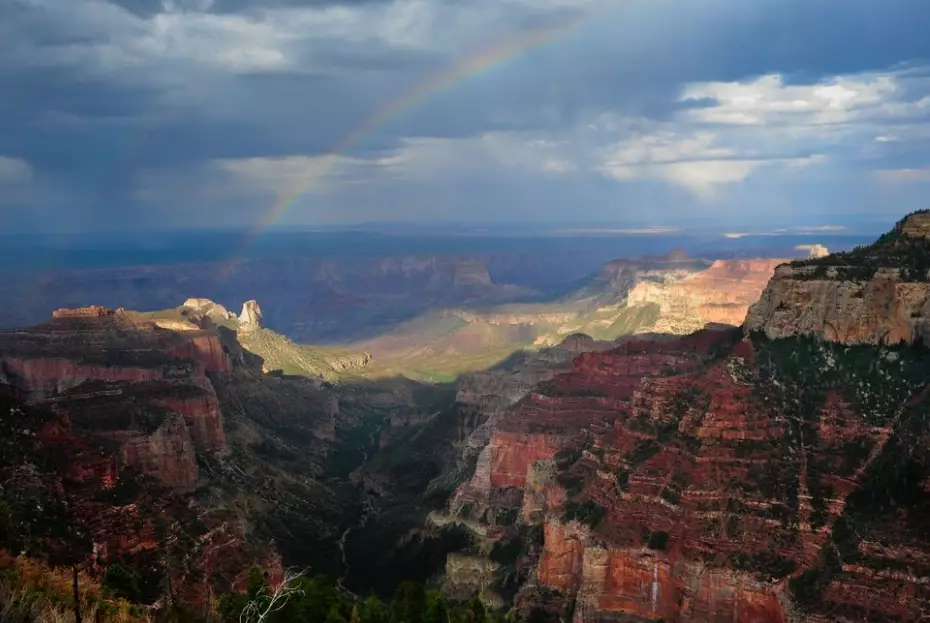
- Address for your GPS: Use coordinates or search for the intersection near the entrance. The physical address is often listed as a range along the coastal access road (e.g., "Near 12500 Coastal Highway"). The local land trust website has the most precise mapping tool.
- Directions: From the nearest town, take State Route 101 north for about 8 miles. Turn left onto Bayview Road. Continue for 3.5 miles until it turns into a gravel road (Pine Bluff Lane). Follow this for another 1.2 miles to the dead-end parking area. Don't be alarmed by the increasingly rustic road—you're on the right track.
- Parking: Here's the first bottleneck. There's a single, unpaved parking lot with space for about 15-18 cars. It fills up by 9:30 AM on prime weekend mornings from May to September. If it's full, do not park on the grassy shoulders or block the gate. Your only legal option is to leave and come back later. I've seen rangers ticket people regularly for this.
- Fee & Hours: No entrance fee. The area is open from dawn to dusk. There are no streetlights, and the gate may be locked at night. Plan to finish your hike well before sunset.
Key Info at a Glance
Best For: Serious birdwatchers, coastal hikers, photographers, solitude seekers.
Not Ideal For: Those needing amenities (no restrooms, no water), families with very young children wanting playgrounds, or anyone looking for easy, paved walks.
My Pro Tip: Aim to arrive by 8 AM, even on weekdays. You'll get a parking spot and experience the peak morning bird activity.
Birding Heaven: What You'll Actually See (And When)
The birdlife is why most people come. But "lots of birds" isn't helpful. Here’s the specific, seasonal breakdown based on my logs.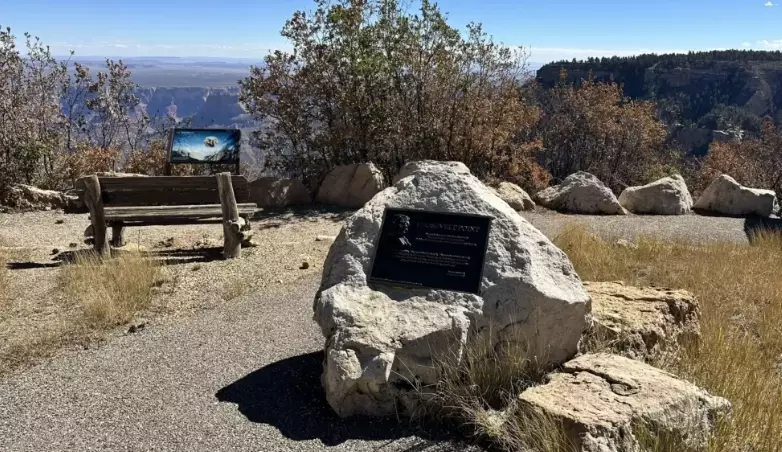
Spring & Summer (May-August)
This is the main event. The mixed coniferous and deciduous woods are dripping with migratory songbirds. You'll hear them before you see them. The real prize is the pair of nesting Ospreys on the platform at the point's tip. You can watch them fish all day. A common mistake is spending all your time at the obvious overlook. The scrubby area 200 yards back along the Bluff Trail often has more variety.
| Common Sightings (Seasonal) | Best Spot to Find Them | Notes from the Field |
|---|---|---|
| Osprey | Nesting platform at the Point, or soaring over the water | Active all day. Bring a scope for nest viewing. |
| Various Warblers (Yellow, Pine, Black-throated Green) | Dense mid-canopy along the Forest Loop Trail | Easier to hear (chip calls) in late morning. |
| Bald Eagle | Often perched in tall snags on the eastern bluffs | Usually one immature bird patrolling the territory. |
| Common Tern & Caspian Tern | Diving just offshore from the rocky beach | Noisy and active. Great for flight photography. |
Fall & Winter (September-February)
The crowds vanish, and a different cast arrives. Look for Northern Harriers cruising low over the marsh grasses. Flocks of Bufflehead and Common Goldeneye bob in the sheltered coves. On a cold, clear winter day, the light is spectacular for photography, but the wind chill is no joke. Layer up.
Hiking Trails: A Breakdown for All Levels
There are three main interconnecting loops. They are not paved, and after rain, they can be muddy with rooty sections.
The Point Loop (Easy, 0.8 miles): The must-do. A flat, gravel path leads directly to the main overlook. It's accessible for most. This is where everyone goes, so it's the busiest. The views are undeniably stunning—a 180-degree panorama of the sound.
The Bluff Trail (Moderate, 1.5 miles): My personal favorite. It branches off the Point Loop and follows the eroding clay bluffs. You get peek-a-boo water views through the trees and far more solitude. The footing is uneven in places, and there are a few short, steep sections. The birding in the edge habitat here is consistently better than on the main loop.
The Forest Loop (Moderate, 2.2 miles): The longest trail. It ducks inland away from the water, winding through a denser, quieter forest. You're less likely to see waterbirds, but you might flush a grouse or pileated woodpecker. It feels a world away from the coast. Can be buggy in mid-summer.
You can combine them all for a solid 3.5-mile hike that captures every ecosystem the point offers.
Planning Your Perfect Day: A Sample Itinerary
Here’s exactly how I'd structure a first visit on a Saturday in June to maximize the experience and avoid frustration.
7:45 AM - Arrive & Park. Beat the crowd. The morning light is soft and beautiful.
8:00 AM - 9:30 AM - Bird the Forest Loop. Start here when songbird activity is at its peak. Move slowly, listen for calls.
9:30 AM - 11:00 AM - Hike the Bluff Trail to the Point. Work your way towards the main overlook as the day warms up. Scan the water for terns and ospreys.
11:00 AM - Noon - Soak in the Point. Find a rock, have a snack, and just watch the ospreys work. This is when the parking lot is filling and the casual visitors are just arriving.
Noon - 12:30 PM - Walk back via the Point Loop. An easy stroll back to your car as others are streaming in.
12:30 PM - Leave for Lunch. Drive 15 minutes back towards town. There's a fantastic little clam shack with outdoor seating—the perfect reward.
Expert Tips & Common Mistakes to Avoid
After countless visits, here’s the brass tacks advice you won't find on a generic tourism page.
- Footwear is Non-Negotiable: Do not wear flip-flops or slick-soled shoes. The trails have roots, gravel, and can be slippery. Trail runners or hiking shoes are ideal.
- The Wind is a Factor: It's almost always windier at the point than your car thermometer suggests. A lightweight windbreaker, even on a warm day, is a lifesaver.
- Pack It In, Pack It Out: There are zero trash cans. Bring a bag for your wrappers and apple cores. I've watched people guiltily stuff trash under rocks—don't be that person.
- Respect the Closure Signs: Parts of the bluffs may be roped off during nesting season (for plovers) or due to erosion. Going past these ropes damages fragile habitats and is disrespectful to the conservation work here.
- The "Secret" Spot: If you follow the Bluff Trail all the way past the second bench, there's an unmarked, narrow path that drops down to a tiny, secluded cobble beach. It's the best place to eat lunch in total privacy. Shh.
Roosevelt Point demands a little more preparation than your average park, but it rewards you with a genuinely wild coastal experience. You're a guest in a place that operates on nature's terms, not a curated tourist attraction. Embrace that, and you'll have an unforgettable visit.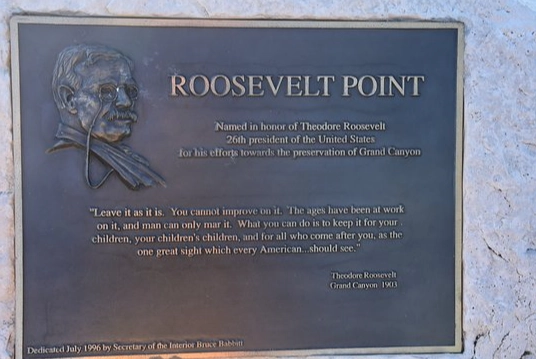
Reader Comments