I almost drove right past it. The turnoff to the Wahweap Hoodoos trailhead isn't marked by a grand sign, just a dusty pullout on a remote Utah highway. Most people are speeding towards the big names—Bryce Canyon, Zion, Arches. But if you blink, you'll miss one of the most bizarre and photogenic geological wonders in the American Southwest: a silent army of white, mushroom-shaped hoodoos tucked deep within a parched wash.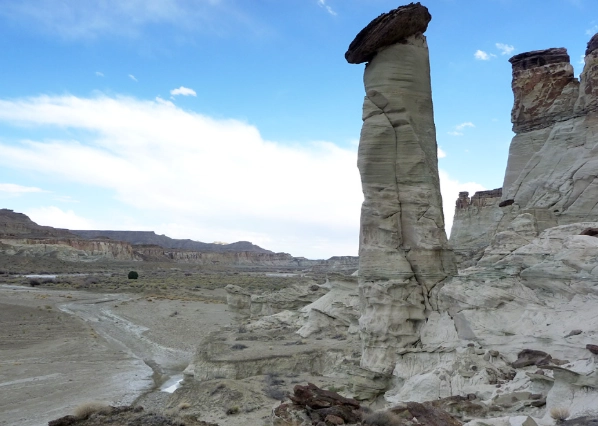
Forget the red rock. The Wahweap Hoodoos are a different beast. Carved from creamy-white Navajo Sandstone, they look like melting sandcastles or petrified ghosts. Hiking here feels less like visiting a national park and more like stumbling upon a secret. There's no visitor center, no entrance fee, and on a weekday morning, you might have the whole place to yourself. But that secrecy comes with a catch—you need to know exactly what you're doing.
Your Quick Trail Map to the Hoodoos
Wahweap Hoodoos At a Glance
Location: Grand Staircase-Escalante National Monument, Utah. Nearest town is Kanab (about 1 hour away).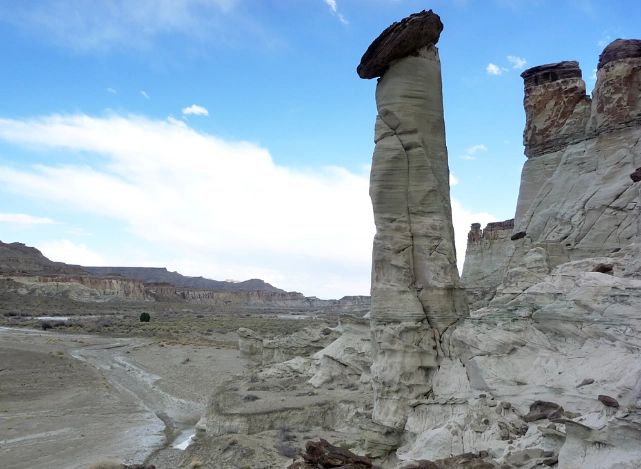
Managed by: Bureau of Land Management (BLM). No entrance fee or permit required for day hiking.
Best Time to Visit: Spring (April-May) and Fall (September-October). Summer is brutally hot. Winter can be cold with potential for ice in the wash.
Key Feature: Unique white/gray hoodoos formed in the Wahweap Creek drainage, distinct from the red hoodoos of Bryce Canyon.
The Exact Trailhead Location (No More Guessing)
This is the part that frustrates everyone. Online descriptions can be vague. Here's the foolproof way to find it.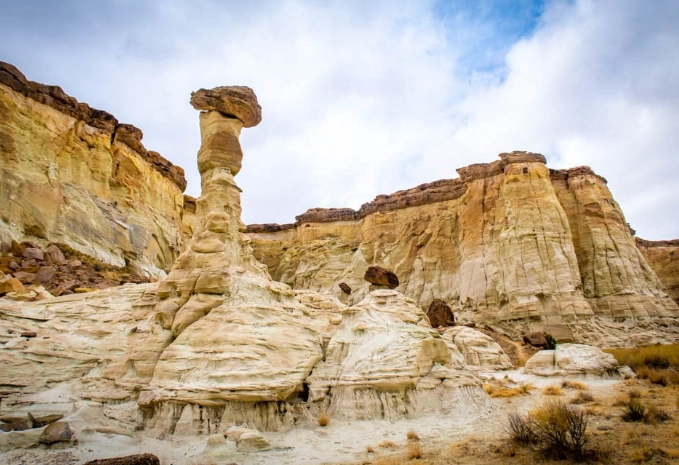
From the town of Kanab, head east on US-89 for about 43 miles. You'll pass the turn-off for Big Water, Utah. Keep going for another 5 miles. Look for a wide, unmarked dirt pullout on the south side of the highway. It's directly opposite a small, fenced communication tower on the north side of the road. The coordinates are approximately 37.1215° N, 111.6682° W.
There is no sign that says "Wahweap Hoodoos." If you see a brown BLM sign for "Wahweap Creek" or "Hackberry Canyon," you're in the right area. The pullout can fit about 8-10 vehicles. Don't confuse it with the signed "Wahweap Overlook" pullout a few miles back—that's a different view entirely.
Pro Tip from a Local: Download the offline Google Maps area or use a dedicated GPS app like Gaia GPS. Cell service is non-existent here. Pin the trailhead coordinates before you leave Kanab. I've seen too many people drive back and forth on US-89 looking confused.
Hiking the Wahweap Wash: Distance, Difficulty & What to Expect
The hike isn't a maintained trail. It's a route down a sandy wash. You park, walk past the metal gate, and descend into the wide mouth of Wahweap Creek.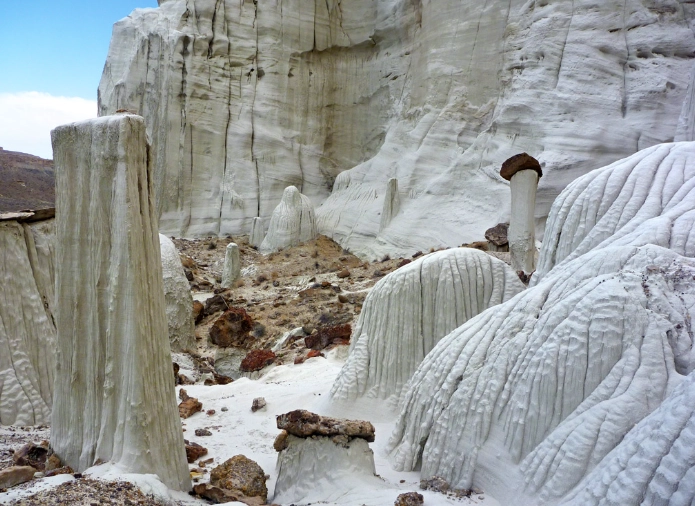
The First Mile: It's flat, sandy, and not terribly scenic. You're walking between low sandstone walls. This is where people sometimes doubt they're in the right place. Just keep going.
Entering the Slot: After about 1 to 1.5 miles, the wash begins to narrow. The walls get higher. You'll start to see the first, smaller hoodoos clinging to the cliffsides. They look like drippy sand sculptures.
The Main Gallery: The real spectacle begins around the 2-mile mark from the trailhead. The wash makes a few bends, and suddenly, you're surrounded. Dozens of tall, white hoodoos cluster together in side alcoves and along the main wash. The most famous group, often called the "Goblins" or "Hoodoo City," is in a large amphitheater on your left (south) side. Don't just stare at the first ones—explore the nooks and crannies.
Round-Trip Stats: A hike to the main hoodoo groups and back is roughly 4.5 to 5.5 miles total, depending on how far you explore. There's minimal elevation gain (maybe 200-300 feet), but the soft sand makes it feel harder. Give yourself 3-4 hours to really enjoy it.
What Most Hiking Guides Get Wrong About the Difficulty
They label it "easy" or "moderate." I'd call it moderate with route-finding elements. The challenge isn't climbing; it's the sand, the sun, and knowing where to go. In the main area, you'll be walking on a mix of sand, rock, and dry creek bed. There are no signs pointing to the best spots. You have to wander a bit. This is part of the fun, but it requires a basic comfort with off-trail exploration.
A Photographer's Guide to the White Hoodoos
Photographing the Wahweap Hoodoos is a dream, but the bright white sandstone can be a nightmare for your camera's light meter.
The Golden Hour Rule is Wrong Here. Well, not completely wrong, but incomplete. Yes, sunrise and sunset paint the hoodoos with warm, magical light. However, the canyon walls are deep. The best light for the main hoodoo amphitheater is mid-morning, when the sun is high enough to peek over the eastern rim and light up the formations. Late afternoon leaves much of it in deep shadow. For detail shots and textures, an overcast day is actually fantastic—it acts as a giant softbox, eliminating harsh shadows on the white rock.
Gear Advice: A wide-angle lens (16-35mm) is essential for capturing the scale of the groups. A 24-70mm or a prime like a 50mm is perfect for isolating individual hoodoos. A polarizing filter can help manage glare on the sandstone. Bring a sturdy tripod—the low light in the canyon often calls for longer exposures.
The most common mistake I see? Photographers blow out the highlights on the white rock. Bracket your exposures or shoot in RAW and be prepared to pull down the highlights in post-processing to retain that delicate texture.
Essential Safety & Off-Trail Navigation Tips
The biggest dangers here are environmental, not wildlife.
Flash Floods: This is a slot canyon drainage. Check the weather forecast religiously. Do not enter if there is any rain in the forecast, even miles upstream. The wash can flood rapidly with zero warning. According to safety guidelines from the Bureau of Land Management, always have an escape plan to higher ground.
Heat and Hydration: There is zero shade in the wash until you reach the narrows. Carry at least 3 liters of water per person, more in summer. A wide-brimmed hat, sunscreen, and salty snacks are mandatory.
Navigation: The route is straightforward—down the main wash, back up the same wash. The trick is not getting disoriented in the side alcoves where the hoodoos are. When you leave the main wash to explore, look back and mentally note your entry point. All the alcoves drain back to the main wash, so if you get turned around, just head downhill until you hit the big sandy channel.
Leave No Trace applies doubly here. The white sand shows every footprint, but try to stay on durable surfaces like rock or sand. Don't climb on the hoodoos—they are incredibly fragile.
Planning Your Trip: Itineraries & Nearby Stops
You're in the heart of the Grand Staircase. The Wahweap Hoodoos shouldn't be your only stop. Here’s how to build a perfect day or weekend around them.
| Trip Style | Morning | Afternoon | Notes & Logistics |
|---|---|---|---|
| The Big Day Trip (From Kanab) |
Sunrise at Wahweap Hoodoos. Hike in the cool morning light, explore, photograph. | Drive to nearby Cottonwood Canyon Road (requires high-clearance). See the Grosvenor Arch or hike to the Cottonwood Narrows. | Long day. Pack a big lunch. Fill gas in Kanab. Cottonwood Rd is dirt and can be impassable when wet. |
| The Photography Focus | Start late morning at the Hoodoos to catch the best light in the main amphitheater. | After lunch, drive back towards Kanab and explore the photogenic Toadstool Hoodoos trail (an easier 1.8-mile round trip). | Two very different hoodoo experiences in one day. Toadstools are great for sunset. |
| The Basecamper (Camping nearby) |
Leisurely breakfast at camp, then hike the Wahweap Hoodoos. | Relax at camp, short drive to the Paria Movie Set (a ghost town from old westerns) or the White Pocket permit area (advanced). | Free, dispersed camping is available along House Rock Valley Road (north of US-89). No facilities. Pack it in, pack it out. |
Where to stay? Kanab is your best bet for motels, groceries, and gear. I've had good, simple stays at the Parry Lodge—it's got old Hollywood charm. For camping, the aforementioned dispersed sites or the more developed Buckskin Gulch Stateline Campground near the Paria Contact Station are options.
Reader Comments