Quick Guide to the Salt Lake Desert
- So, What Exactly *Is* the Salt Lake Desert?
- Planning Your Visit: It's Not Just a Quick Stop
- What Can You Actually *Do* in the Salt Lake Desert?
- The Nuts and Bolts: A Quick-Reference Table
- Facing the Harsh Realities: The Downsides No One Talks About
- Your Salt Lake Desert Questions, Answered
- The Unspoken Truth: Why This Place Stays With You
I remember the first time I pulled over on the side of I-80, somewhere west of the Great Salt Lake. The engine ticked as it cooled. The silence was the first thing that hit me – not a peaceful quiet, but a heavy, absolute silence that made my ears ring. In front of me stretched an endless, cracked white plain, meeting a sky so big it felt like a dome. This was the Great Salt Lake Desert, and it was nothing like I'd imagined from photos.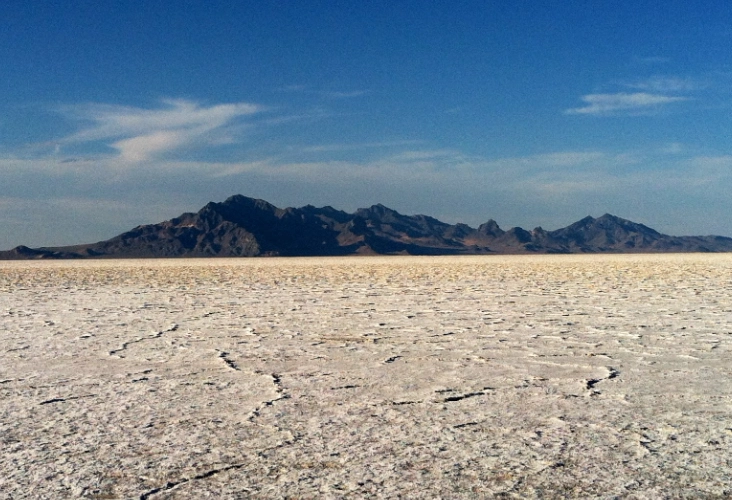
Photos make it look pristine, magical, a perfect white canvas. They don't convey the sheer scale, the disorienting emptiness, or the crusty, uneven texture underfoot. They definitely don't prepare you for the smell – a faint, briny tang hanging in the dry air. That first visit was equal parts awe and a low-level anxiety. What if my car broke down here? This place felt profoundly indifferent to my existence.
But that's the pull of it. The Salt Lake Desert region, encompassing the famous Bonneville Salt Flats and the larger Great Salt Lake Desert, isn't a typical tourist destination. It's an experience, a geographical mood, a lesson in humility. It asks more questions than it answers. Why is it here? What can survive here? And why on earth would anyone want to drive absurdly fast on it?
Let's get this straight first: When people say "Salt Lake Desert," they're usually talking about one of two specific, adjacent areas in northwestern Utah. The Great Salt Lake Desert is the vast, arid region west of the Great Salt Lake itself. Smack in the middle of it lies the Bonneville Salt Flats, the iconic, ultra-flat, salt-crusted basin world-famous for land speed racing. They're part of the same system, but the Flats are the star attraction.
So, What Exactly *Is* the Salt Lake Desert?
You can't understand this place without rewinding the clock. Way back, about 15,000 years ago, this whole area was covered by Lake Bonneville, a prehistoric pluvial lake that was massive – think the size of Lake Michigan. As the climate dried, the lake shrank dramatically, leaving behind the current Great Salt Lake and a huge, dry lakebed loaded with minerals. That ancient lakebed is what we now call the Great Salt Lake Desert.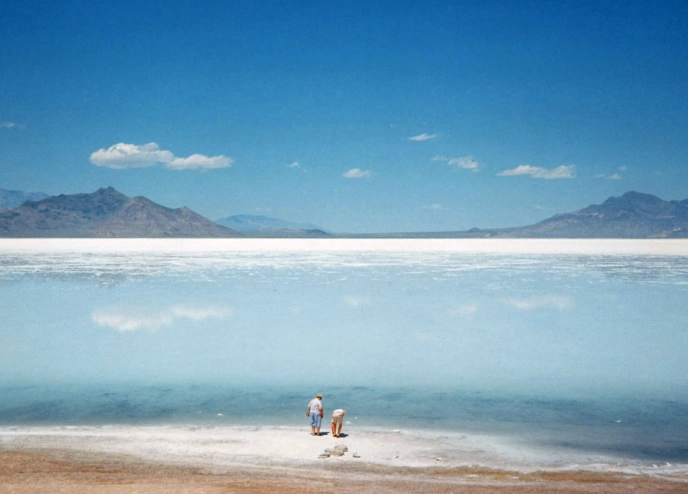
The salt comes from the mountains. Over millennia, rainfall and snowmelt have washed minerals, including sodium and chloride (the components of salt), from the surrounding mountains into the basin. With no outlet to the sea, the water evaporates, leaving the salts behind in a thick crust. It's a slow, ongoing process you can almost feel happening on a hot day.
The U.S. Geological Survey has some fantastic, detailed resources on the geology of the Basin and Range province that explain this process in mind-blowing detail. It turns this blinding white plain into a page of Earth's history book.
The most famous part, the Bonneville Salt Flats, is special because of its near-perfect flatness. We're talking about a surface variation of less than one meter over miles. That didn't happen by accident. It's a combination of that specific mineral composition, the wind smoothing it over centuries, and a delicate hydrological balance. Speaking of balance, it's a fragile one. There's been real concern in recent decades about the salt crust thinning, possibly due to nearby mineral extraction altering groundwater flow. It's a reminder that even landscapes that seem eternal are dynamic and vulnerable.
Planning Your Visit: It's Not Just a Quick Stop
Okay, you're convinced. You want to see this surreal place for yourself. Here's the real talk you won't find on most glossy travel sites.
When to Go (And When to Absolutely Avoid It)
Timing is everything in the Salt Lake Desert. Get it wrong, and your experience ranges from unpleasant to dangerous.
- The Sweet Spot (Late Spring & Early Fall): May-June and September-October are ideal. Days are warm (70s-80s °F), nights are cool, and the risk of summer thunderstorms or winter mud is low. The light for photography is gorgeous.
- Summer (Proceed with Extreme Caution): July and August are brutally hot. We're talking 100+ °F regularly. The surface reflects the sun, creating a furnace effect. If you go, it must be at sunrise or sunset. Carry insane amounts of water – way more than you think you need. Seriously, triple it.
- Winter and Early Spring (The Wild Card): This is when the salt flats can have a thin layer of water, creating those famous mirror effects. It's stunning. But it also means the ground is soft and can be impassable. Driving on the wet salt is a terrible idea—you'll get stuck, and the salty water will eat your car's undercarriage alive. Always, always check conditions locally before venturing off-road.
A Non-Negotiable Warning: The beauty of the Salt Lake Desert is a trap for the unprepared. There are no services, little shade, and spotty cell service. Your car is your lifeline. Before any trip onto the flats proper (like at the Bonneville Speedway access area), ensure your vehicle is in top shape, you have a full tank of gas, extra water (one gallon per person per day, minimum), food, and a way to signal for help. Tell someone your plan. This isn't paranoia; it's basic desert survival.
How to Get There and Where to Stand
Interstate 80 cuts right through the heart of the Great Salt Lake Desert. The most common access point for the Bonneville Salt Flats is at exit 4, about 110 miles west of Salt Lake City. You'll see a sign for the "Bonneville Speedway." A short paved road leads to a parking area right on the edge of the salt.
That's the easy access. For a more secluded feel, you can explore the edges of the larger Great Salt Lake Desert via various Bureau of Land Management (BLM) roads. The BLM's recreation website is a goldmine for finding these less-traveled routes. Just make sure you have a good map or offline GPS.
For official travel information and current alerts, the Utah Office of Tourism's website is the best starting point.
What Can You Actually *Do* in the Salt Lake Desert?
It's not an amusement park. The activities are few but incredibly unique.
- Stand There and Feel Small: This is the main event. Walk out onto the salt. Listen to the crunch. Look at your shadow stretching for what seems like miles. It's a pure, unmediated natural experience.
- Photography: It's a photographer's dream and nightmare. The minimalism, the reflections, the vast skies. The challenge is creating a compelling composition when your subject is... flat whiteness. Play with perspectives, use a person or object for scale, and chase the golden hours.
- Witness Speed Week (If You're Lucky): The legendary Speed Week, hosted by the Southern California Timing Association, usually happens in August. It's when the Bonneville Salt Flats transform into the world's fastest racetrack. Check the SCTA-BNI website for official dates—they are 100% dependent on the salt condition being perfect. It can be canceled last minute, which is heartbreaking for teams but shows how much we're at the mercy of this environment.
- Stargazing: With minimal light pollution, the night sky here is staggering. On a moonless night, the Milky Way looks close enough to touch.
What you can't do is just anything you want. Collecting salt in large quantities is prohibited. Driving recklessly off designated areas damages the crust. This is a fragile place.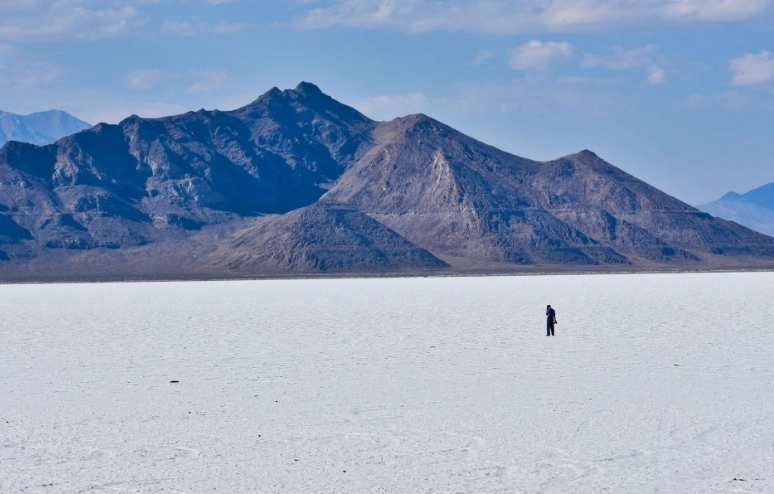
The Nuts and Bolts: A Quick-Reference Table
Here’s a breakdown of the key areas within the Salt Lake Desert region to help you distinguish them:
| Area Name | What It Is | Key Feature & Vibe | Best For |
|---|---|---|---|
| Bonneville Salt Flats | The iconic, super-flat central basin of the desert. | The famous bright white, crusty salt pan. Ground zero for speed records. Feels otherworldly and precise. | Iconic photos, experiencing the absolute flatness, visiting during Speed Week. |
| Great Salt Lake Desert | The vast, surrounding arid region. | More varied terrain: salt flats, scrubland, dry hills. Feels immense, harsh, and ancient. | Solitude, scenic drives on I-80, understanding the full scale of the ecosystem. |
| Bonneville Speedway | The specific, marked racing area on the Flats. | Where the racing magic happens. Marked by access road and sometimes timing towers. Feels historic. | Seeing the racetrack, imagining the speed (when no events are on). |
| Silver Island Mountains | Mountain range on the northwestern edge of the Flats. | Dramatic, isolated peaks rising from the white plain. Provides stunning contrast and perspective. | Photography (using the mountains as a backdrop), hiking on the periphery. |
Facing the Harsh Realities: The Downsides No One Talks About
Let's not romanticize it. The Salt Lake Desert can be a brutal, disappointing, or just plain weird place.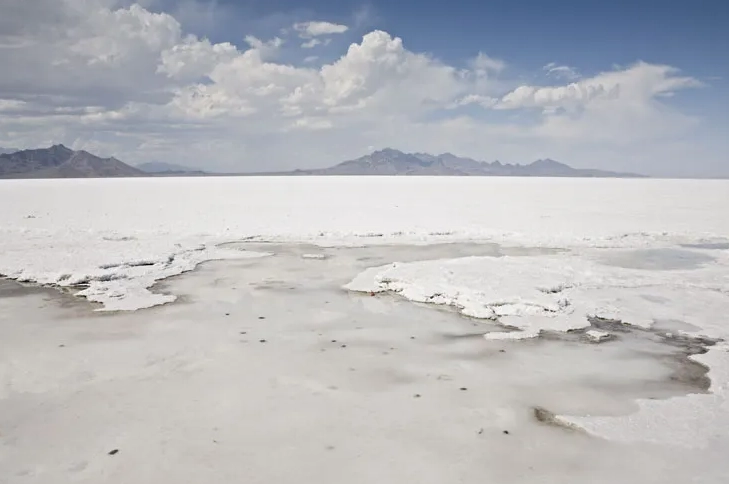
The Mud Trap: I mentioned it, but it bears repeating. If the salt is wet, it turns into a sticky, corrosive clay that will immobilize your vehicle. Recovery is expensive and messy. The local tow truck drivers must make a fortune.
The Bugs: In certain seasons, especially near the edges, there can be swarms of brine flies or other insects. They're not harmful, but they're annoying and get everywhere.
The Monotony: Some people drive out, step onto the salt for five minutes, say "cool," and leave. If you're not in the right headspace, the overwhelming sameness can feel underwhelming. It's not a place that screams for attention; it whispers, and you have to be quiet to hear it.
The Environmental Anxiety: Seeing the tire tracks that dig too deep into the crust, or reading about the salt layer thinning, casts a shadow. You're visiting a landscape that might be fundamentally changing. It adds a layer of melancholy to the wonder.
Your Salt Lake Desert Questions, Answered
I've gotten tons of questions from people over the years. Here are the big ones.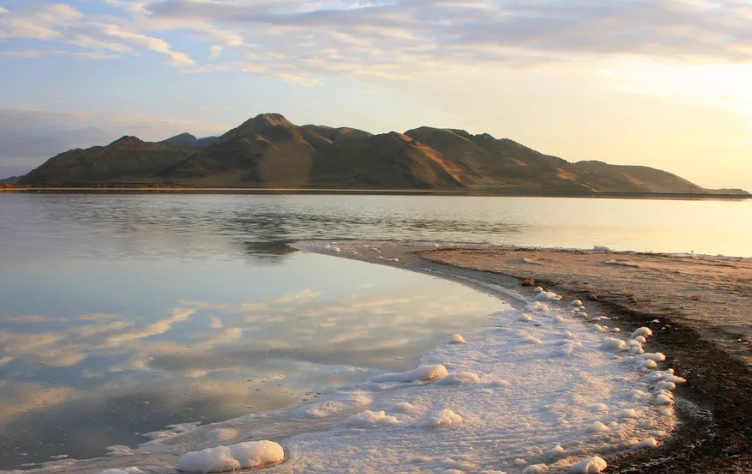
When bone dry and hard, yes, on designated areas like the access road to the Speedway viewing area. People drive out a little ways for photos. But always proceed slowly at first to test the surface. Never, ever drive on it if it looks damp, has standing water, or is shortly after rain. The official BLM page for the Bonneville Salt Flats has the most current conditions and guidelines.
It's the bed of that ancient lake, Lake Bonneville. Over thousands of years, sediments settled evenly on the bottom. After the water evaporated, wind and a recurring cycle of shallow flooding and evaporation further smoothed and leveled the salt crust into that insane flatness.
Sunrise and sunset, without a doubt. The low angle of the sun creates long shadows, highlights the texture of the salt polygons, and bathes everything in warm gold or pink light. Midday light is harsh and flat, washing out all detail.
You can, but you likely won't be able to walk or drive on the flats if they're covered in water (which creates the mirror effect). It's best viewed from the roadside or overlooks. It's also very cold and windy. The mirror effect is stunning from a distance, though.
Technically, it's sodium chloride, so yes. But I wouldn't. It's dirty, mixed with other minerals from the ground and who-knows-what from the environment. Just buy sea salt from the store.
The Unspoken Truth: Why This Place Stays With You
You don't come to the Salt Lake Desert for entertainment. You come for a reset. In a world that's constantly shouting, this place is all silence. In a life measured in notifications and to-do lists, this landscape operates on a geologic timescale that renders all that trivial.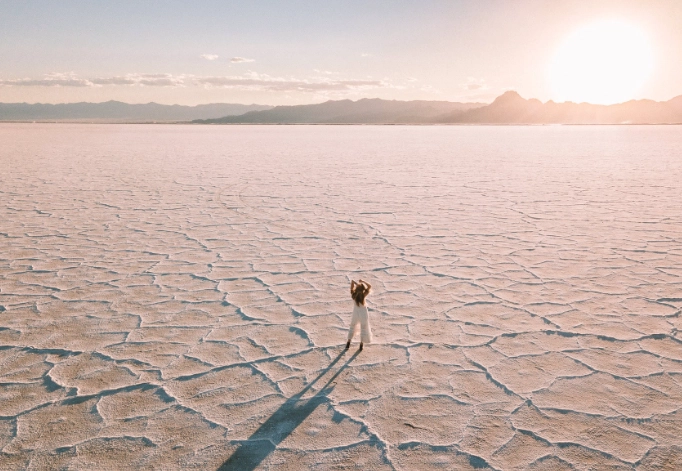
It's harsh. It's not always comfortable. It can be boring if you let it. But if you meet it on its own terms—with preparation, with respect, and with a bit of quiet patience—it offers something rare: a true sense of scale. Your problems feel smaller. The world feels bigger. And you're left with the memory of standing on a former ocean floor, under a boundless sky, feeling simultaneously insignificant and uniquely alive.
That's the real secret of the Salt Lake Desert. It doesn't give you anything. It takes things away—the noise, the clutter, the ego. And what's left feels strangely like clarity.
Just make sure your spare tire is full.
Reader Comments