You're driving through southern Utah, surrounded by the epic red rock of Zion National Park. You've seen the canyons, maybe even done a hike. But there's another story here, a quieter one, written in weathered wood and forgotten foundations. Just a few miles southwest of the park's Springdale entrance, down a dusty road, sits Grafton. It's not just any ghost town. It's arguably the most iconic, most photographed, and most accessible historic settlement of its kind in the American Southwest.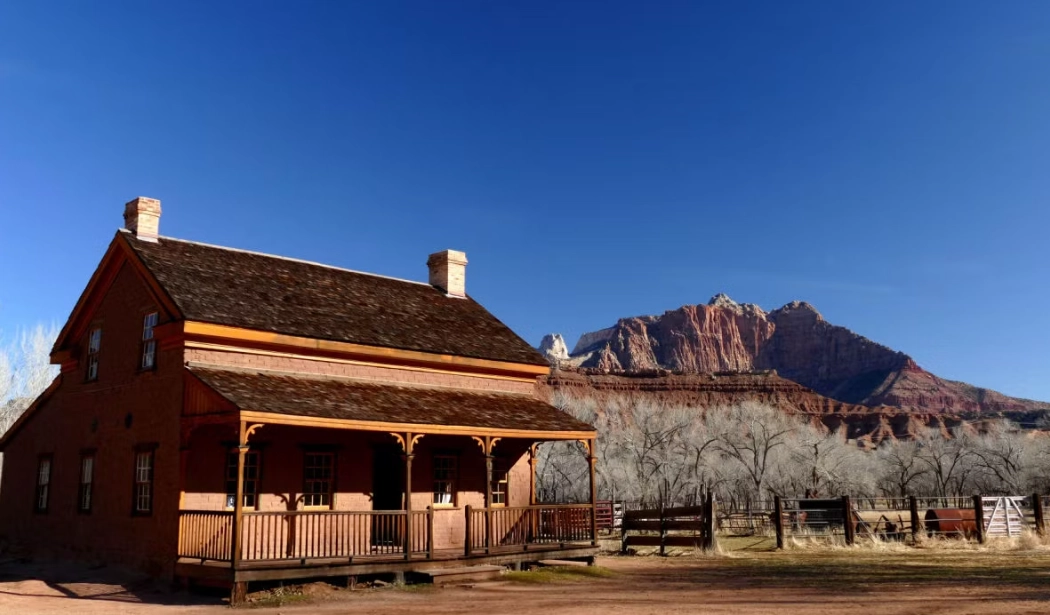
I've been to a lot of ghost towns. Some are just a pile of stones. Some feel like theme park sets. Grafton is different. It feels paused. The schoolhouse still stands sentinel, the Russell home still has its chimney, and the sense of a community that fought floods, conflict, and hardship is almost tangible. If you want to understand the pioneer struggle in the shadow of Zion's beauty, you have to walk its silent streets.
Your Quick Guide to Grafton
The Story Behind the Ghost: Why Grafton Was Abandoned
Grafton wasn't always a ghost town. Founded in 1859 by Mormon pioneers, its original name was Wheeler. They moved a mile downriver in 1862 to better farmland and renamed it Grafton. Life was tough but promising. They built homes, planted orchards, and dug irrigation ditches from the Virgin River.
Then the river turned on them. Repeated, catastrophic floods in the 1860s wiped out their crops and irrigation works. The Black Hawk War created tension and danger with local Native American tribes, leading to fortified homes and periods of abandonment. The final blow was economic. When the Union Pacific Railroad bypassed the area in the early 1900s, the town's isolation became permanent. The last family packed up and left in the mid-1940s.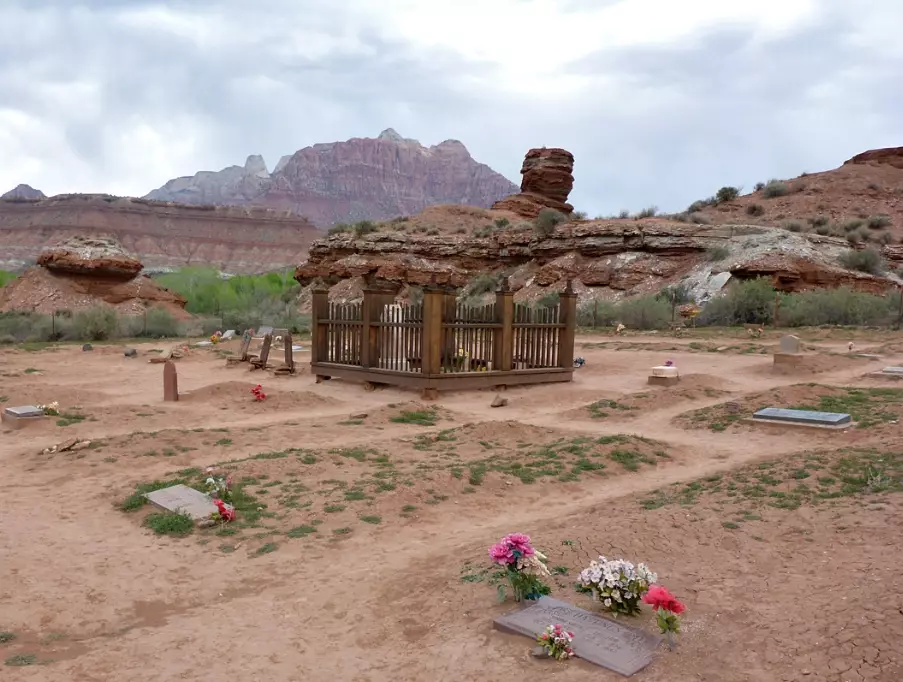
That's the textbook history. Here's the nuance most summaries miss: Grafton didn't fail because people gave up. They were relentlessly stubborn. After each flood, they rebuilt. After conflict, they returned. The abandonment was a slow bleed, a generation-long realization that the world had moved on and connected elsewhere. Walking there, you're not seeing a sudden disaster site. You're seeing a long, slow exhale.
Planning Your Visit: The Essential Details
Let's get practical. This isn't a marked national park site with a visitor center. You need to know these specifics.
Grafton Ghost Town: Vital Stats
Address / Location: Grafton, UT 84770. It's located south of Rockville, Utah. There is no street address. Navigate to "Grafton Ghost Town" on Google Maps, or use these coordinates: 37.1684° N, 113.0806° W.
Getting There: From the town of Rockville (just west of Springdale/Zion), turn south onto Bridge Road. Cross the historic one-lane bridge over the Virgin River. The paved road ends and becomes a well-graded dirt road. Follow signs for Grafton. It's about a 3.5-mile drive from the bridge. The road is suitable for passenger cars in dry conditions. Drive slowly—it's dusty and has washboards.
Admission & Hours: This is the best part. It's free and open to the public 24/7, year-round. It's managed by the Bureau of Land Management (BLM) and the Grafton Heritage Partnership, who have done stellar preservation work.
Best Time to Visit: Spring (March-May) and Fall (September-November) offer the most pleasant temperatures. Summer is scorching hot with little shade. Winter is mild but can be muddy. For light, early morning or late afternoon is magical.
What to Bring: Water. More water than you think. Sunscreen, a hat, sturdy shoes (not sandals—there are rocks and weeds), and your camera. There are no services—no water, no restrooms (a primitive outhouse is sometimes present, but don't count on it).
A critical piece of advice I learned the hard way: Fill your gas tank in Springdale or Hurricane before you go. You don't want to be low on fuel and looking for a station out there. And tell someone your plans if you're going solo.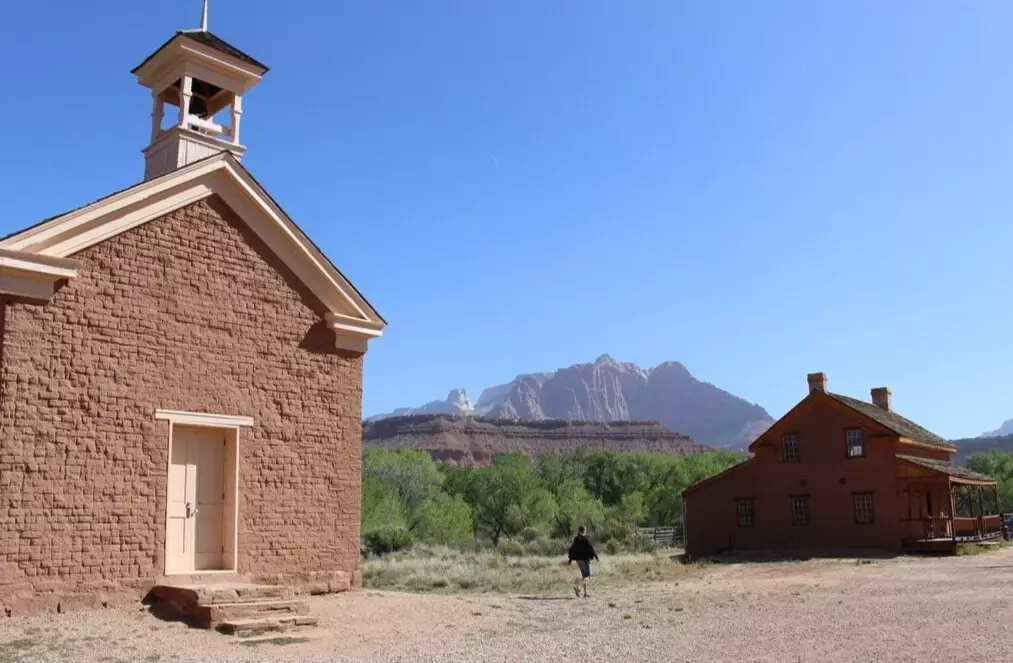
What to See and Explore at Grafton Today
Five main structures remain, each with a story. Don't just snap a picture and leave. Stop and look at the details.
The Grafton Schoolhouse
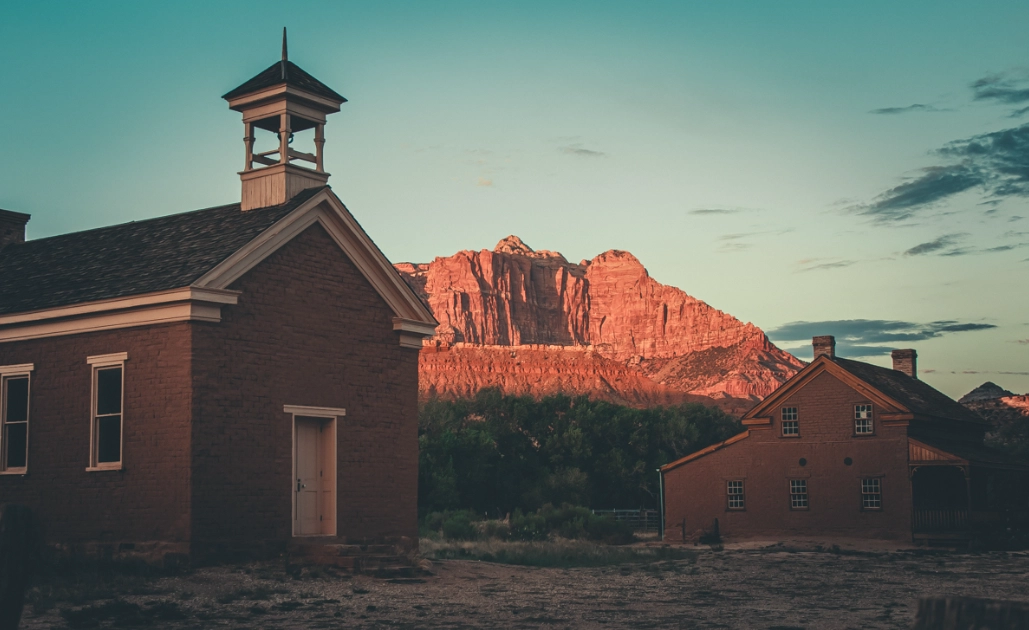
This is the star. Built in 1886, it's the most photographed building. It served as both a school and a church. Peek inside the windows (don't enter—it's stabilized for preservation). Imagine kids reciting lessons here with those incredible red cliffs as their backdrop. The bell tower is iconic, but look at the craftsmanship of the door and window frames. This was a community's pride and joy.
The Alonzo H. Russell Home
This two-story adobe home, built around 1870, is the most substantial residence left. Alonzo Russell was a prominent settler. You can walk onto the porch and peer into the rooms. The interior walls and fireplace are remarkably intact. It gives you the clearest sense of what domestic life was like here.
The John and Ellen Wood Home
A smaller, simpler log and adobe cabin. Its rustic state feels more authentic to the initial struggle of settlement than the more finished Russell home. The roof is gone, letting you study the construction methods.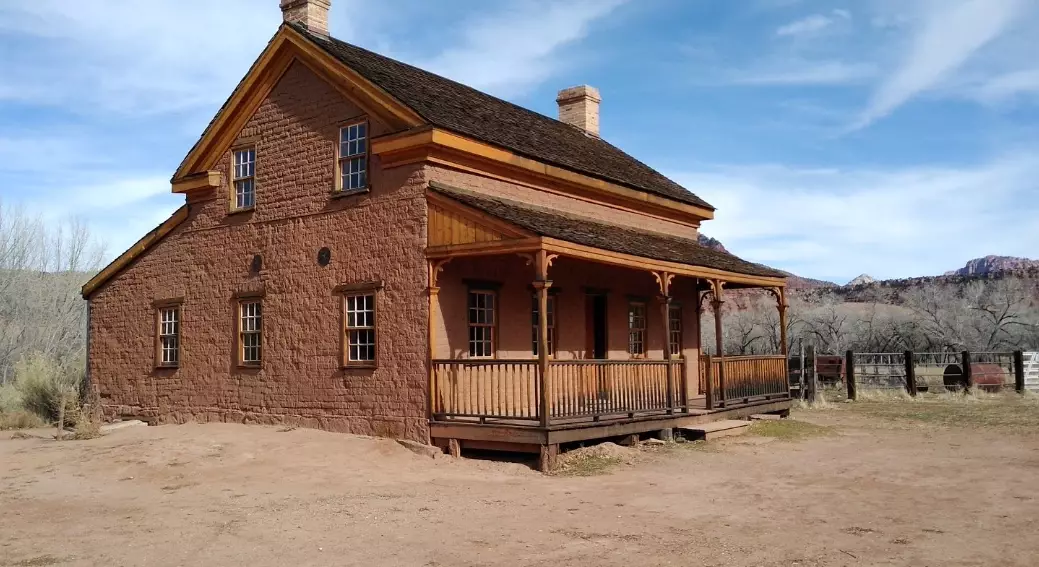
The Louisa Woolley Home & The Ballard Home
These are more skeletal—foundations and partial walls. They're important because they show the layout of the town. Take a moment to trace the outline of the rooms. It shrinks the scale of pioneer life down to something very real.
The Grafton Cemetery
This is a somber but essential visit. It's a short walk south of the main townsite. The most famous grave is that of John D. Wood, who died in 1866. His epitaph reads "Killed by Indians," a stark reminder of the period's conflicts. Other graves, including those of young children, tell silent stories of disease and hardship. Please be respectful. This is hallowed ground.
Look beyond the buildings, too. You can still see the old road ruts, the ditches from the irrigation system, and the non-native trees (like black locust) planted by the settlers that now tower over the site.
Grafton Photography Tips: Beyond the Postcard Shot
Everyone gets the front-on shot of the schoolhouse. It's a great shot. But to really capture Grafton's soul, dig deeper.
Light is Everything: As mentioned, golden hour is king. But an overcast day can be fantastic for black and white photography, emphasizing textures and moods without harsh shadows.
Find the Details: The peeling paint on a windowsill. A rusty hinge. The way a cactus grows through a crack in a wall. These close-ups tell the story of decay and time better than any wide shot.
Use the Environment: Frame the buildings with the cottonwood trees. Use the long shadows of late afternoon as leading lines. Capture the contrast between the delicate wildflowers in spring and the rugged, decaying wood.
Atmosphere Over Perfection: Sometimes a little dust in the air, kicked up by the wind, adds to the atmosphere. Don't wait for perfectly sterile conditions. The weather-worn feeling is the point.
One more thing. I see so many people obsessed with getting the "empty" shot. They wait for other visitors to leave. But sometimes, having a person in the frame, small against the vast landscape and history, can actually make the photo more powerful. It adds scale and a human connection.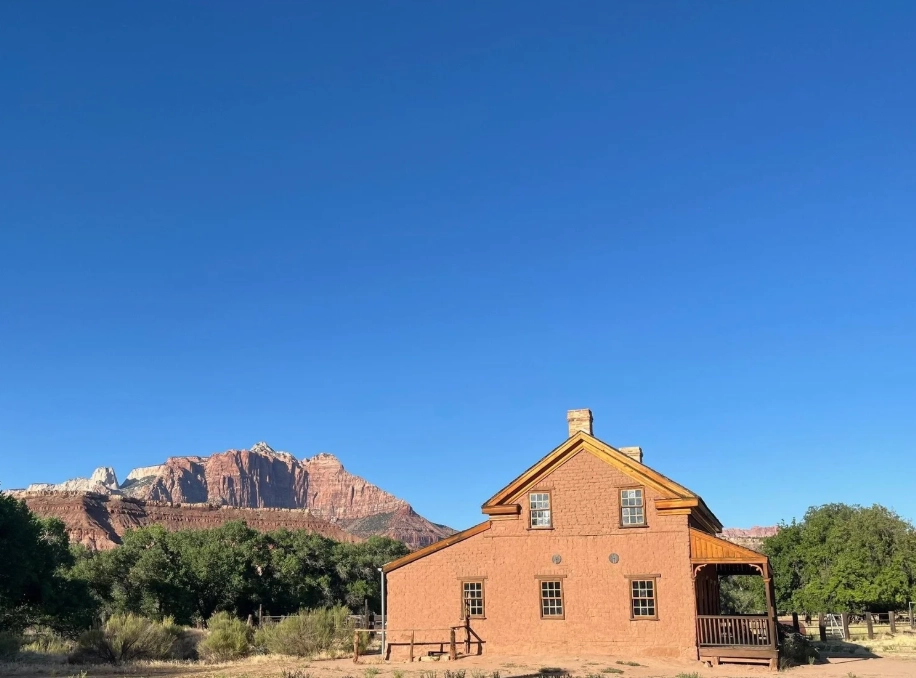
Beyond Grafton: Other Nearby Historical Stops
If Grafton whets your appetite, you're in the right area. Southern Utah is dotted with history.
Rockville: The town you drive through to get to Grafton. It's a living historic town with its own charm. The one-lane bridge you cross is historic itself.
Zion National Park Human History Museum: Before you dive into Zion's nature, stop here. It provides crucial context about the Native peoples and pioneers who lived in the region, making your visit to Grafton even more meaningful.
Silver Reef Museum: About a 30-minute drive west. This was a mining boomtown, a completely different flavor of history than the agricultural Grafton. Well worth a visit for contrast.
Kanarraville: Another early Mormon settlement north of Zion. Less preserved than Grafton but with a charming old schoolhouse and less traffic.
Your Grafton Questions Answered
 Grafton isn't just a checklist stop. It's a place that asks you to slow down. To listen to the wind through the cottonwoods where kids once played. To touch the sun-warmed adobe that someone mixed by hand. In the shadow of Zion's overwhelming grandeur, Grafton offers a human-scale story of perseverance and quiet farewell. It’s a necessary counterpoint to the park's natural wonders, and that's why, after all these years, it still haunts us in the best way possible.
Reader Comments