What You'll Find in This Guide
You're driving through the vast, colorful badlands of Arizona, and there it is—the Painted Desert Inn, perched on a rim overlooking a landscape that looks like a watercolor painting gone wild. This isn't just a pit stop; it's a portal to the past. Built in the 1920s and later redesigned by the Civilian Conservation Corps, this National Historic Landmark has stories etched into its walls. I've lost count of how many times I've guided friends here, and every visit uncovers something new. Let's cut to the chase: if you're thinking about visiting, you need the real details, not just the brochure stuff. This guide dives deep into what makes the Painted Desert Inn special, how to get there, what to expect, and how to avoid the common pitfalls that can trip up first-timers.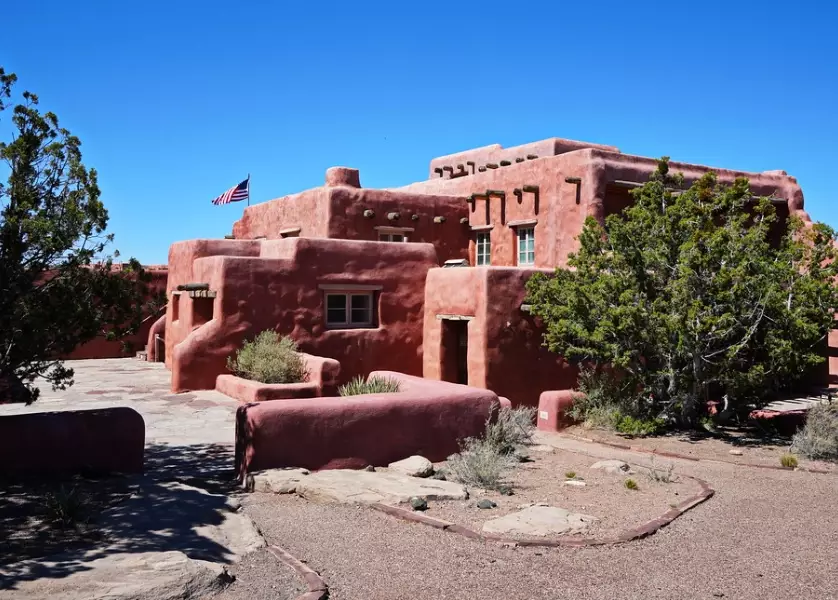
The History and Significance of Painted Desert Inn
Most people see a pretty building, but the Inn's history is a layered tale of ambition, artistry, and adaptation. Originally constructed in 1924 as the "Stone Tree House," it was a rustic lodge for travelers on the iconic Route 66. Back then, it was a rough-and-ready place—think basic rooms and a cozy fireplace. But in the 1930s, the Civilian Conservation Corps (CCC) transformed it. Using local materials like petrified wood and sandstone, they created the Pueblo Revival-style structure you see today, with its flowing lines and earthy tones that blend seamlessly into the desert.
The real magic, though, is inside. In the 1940s, Hopi artist Fred Kabotie and other Native American artists were commissioned to paint murals in the lobby and dining room. These aren't just decorations; they're vibrant narratives of Hopi and Navajo culture, depicting kachinas, daily life, and spiritual symbols. Walking through, you can feel the respect for the land and its people. The Inn operated as a lodge until 1963, then closed and was later restored by the National Park Service. Today, it's a museum managed by the Petrified Forest National Park—a testament to historic preservation done right.
Here's a non-consensus point I've picked up from talking to park rangers: many visitors assume the Inn is purely a tourist attraction, but its design was deeply functional. The thick adobe walls regulate temperature, keeping it cool in summer and warm in winter. That's something modern architects still study. If you rush through, you'll miss these subtle genius touches.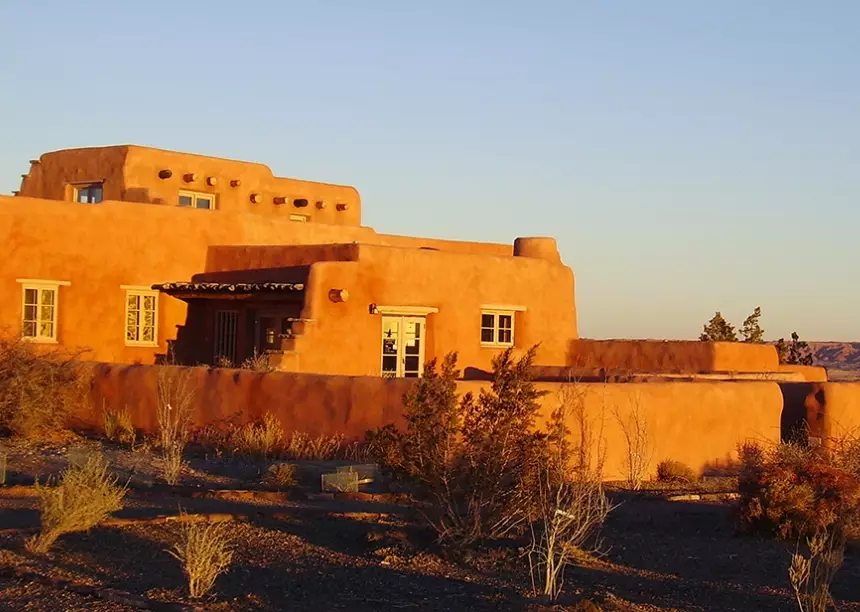
How to Plan Your Visit: Practical Information
Let's get practical. A smooth visit hinges on knowing the nuts and bolts. The Painted Desert Inn is located within the Petrified Forest National Park in northeastern Arizona. Here's the essential data you need to plan.
Address and Contact
The official address is: Painted Desert Inn, Petrified Forest National Park, 1 Park Road, Petrified Forest, AZ 86028. For the latest info, the National Park Service website for Petrified Forest National Park is your best friend. Phone: (928) 524-6228. Don't rely solely on third-party sites; park conditions change.
Hours of Operation and Fees
The Inn typically opens from 9:00 AM to 5:00 PM daily. But—and this is a big but—hours can shift with seasons. In winter (November to February), it might close earlier or have reduced days. I've seen folks show up at 4:30 PM only to find the doors locked. Call ahead or check the NPS site the day before.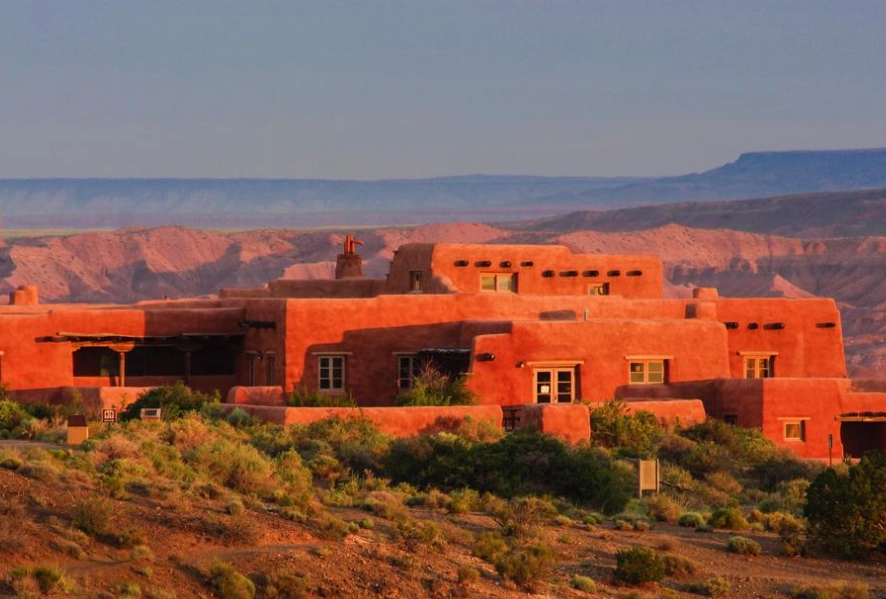
To enter the park and access the Inn, you'll pay an entrance fee. Here's the breakdown:
| Pass Type | Cost | Validity |
|---|---|---|
| Private Vehicle | $25 | 7 days |
| Motorcycle | $20 | 7 days |
| Individual (Foot/Bike) | $15 | 7 days |
| America the Beautiful Pass | $80 (annual) | All federal parks |
Once inside, there's no extra charge for the Inn itself. The fee covers the whole park, including the Petrified Forest areas to the south. Pro tip: If you're planning to visit multiple national parks in a year, the America the Beautiful Pass is a steal.
Getting There: Transportation Options
You'll need a car. Public transportation is virtually non-existent in this remote part of Arizona. The nearest major airport is Flagstaff Pulliam Airport (FLG), about a 1.5-hour drive west. From Phoenix Sky Harbor (PHX), it's a 3-hour drive. Take I-40 east, exit at 311 for the park's north entrance. The drive from the entrance to the Inn is about 2 miles along the park road, with pull-offs for photos of the Painted Desert vistas. Parking at the Inn is free but limited—maybe 30 spots. On busy weekends (think holidays or spring break), it fills up by noon. Arrive early, not just for parking, but for softer light and fewer crowds.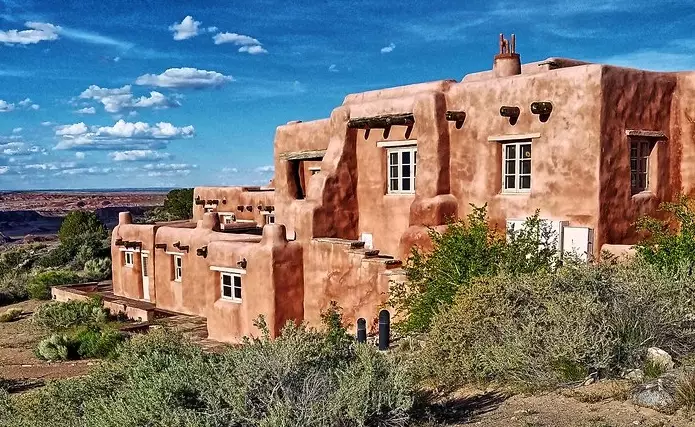
What to See and Do at the Inn
So you've arrived. Now what? The Inn isn't huge, but it packs a punch. Don't just snap a photo and leave. Here's how to make your time count.
First, step inside. The lobby is a time capsule. Look up at the ceiling—those are original vigas (wooden beams). The stone floor is local sandstone. And those murals by Fred Kabotie? They tell stories of Hopi migration and ceremonies. Take a moment to read the placards; they explain symbols like the rain cloud or the corn stalk. I once spent 20 minutes just staring at one mural, noticing details I'd missed before.
The bookstore is run by the Western National Parks Association. It's not your typical gift shop. You'll find books on geology, Native American history, and regional art. I always pick up a postcard or a guidebook—proceeds support the park. The rangers here are knowledgeable; ask them questions. They might share anecdotes about the CCC workers or point out a hidden architectural detail.
Outside, the rim trail offers panoramic views of the Painted Desert. The colors shift with the light—pinks, reds, grays. It's especially stunning at sunrise or sunset. But here's my contrarian take: midday isn't bad either, if you want to avoid the photographer crowds. The harsh light brings out the stark contrasts in the landscape. Just bring water and a hat; there's little shade.
Guided tours are sometimes available, led by park rangers. They're free and focus on history or ecology. Check at the desk when you arrive. If there's one happening, join it. You'll learn about the Inn's role in Route 66 tourism or how the desert ecosystem works. It adds depth you won't get from a placard.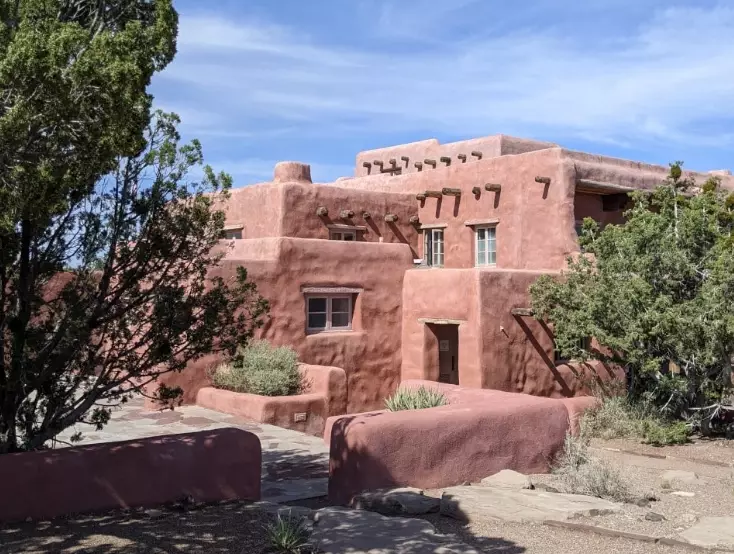
Nearby Accommodations and Essential Travel Tips
Since you can't stay at the Inn, you'll need a place to sleep. The closest town is Holbrook, about a 25-minute drive west on I-40. It's a classic Route 66 town with a mix of budget hotels and quirky motels. Here are a few options I've tried or heard good things about:
- Wigwam Motel: Yes, the iconic teepee-shaped rooms from the 1950s. It's a historic experience, but the rooms are basic. Address: 811 W Hopi Dr, Holbrook, AZ 86025. Rates start around $100/night. Book early—it's popular.
- Best Western Arizonian Inn: Reliable and clean, with a pool. Address: 2508 Navajo Blvd, Holbrook, AZ 86025. Rates: $120-$150/night. Good for families.
- Days Inn by Wyndham Holbrook: Budget-friendly, pet-friendly. Address: 2601 Navajo Blvd, Holbrook, AZ 86025. Rates: $80-$110/night.
For food, Holbrook has diners and Mexican restaurants. Try Mesa Italiana Restaurant for a local vibe. But pack snacks and water for the park—options inside are limited to vending machines at the Inn.
Travel Tips from a Desert Regular
This isn't your average city tour. The remote location demands preparation.
Timing is everything. Best months are April-May and September-October. Summers are scorching (100°F+), and winters can be cold with occasional snow. I made the mistake of visiting in July once; the heat was brutal, and the Inn felt like an oven despite its design. Spring brings wildflowers; fall has crisp air.
What to bring. Sunscreen, a wide-brimmed hat, sunglasses, and sturdy shoes. The terrain is rocky. A refillable water bottle—dehydration sneaks up fast. A camera, obviously. Binoculars if you're into birdwatching (ravens and hawks are common).
Accessibility notes. The Inn's main floor is wheelchair accessible via a ramp, but some areas, like the lower-level exhibits, might have steps. Check with rangers for assistance. The rim trail is paved but has slight inclines.
Avoid the crowds. Weekdays are quieter than weekends. Arrive right at 9 AM or after 3 PM. Most tour buses come mid-morning. If you want solitude, that's your window.
One more thing: cell service is spotty in the park. Download maps or info beforehand. I've seen too many people stranded with dead phones.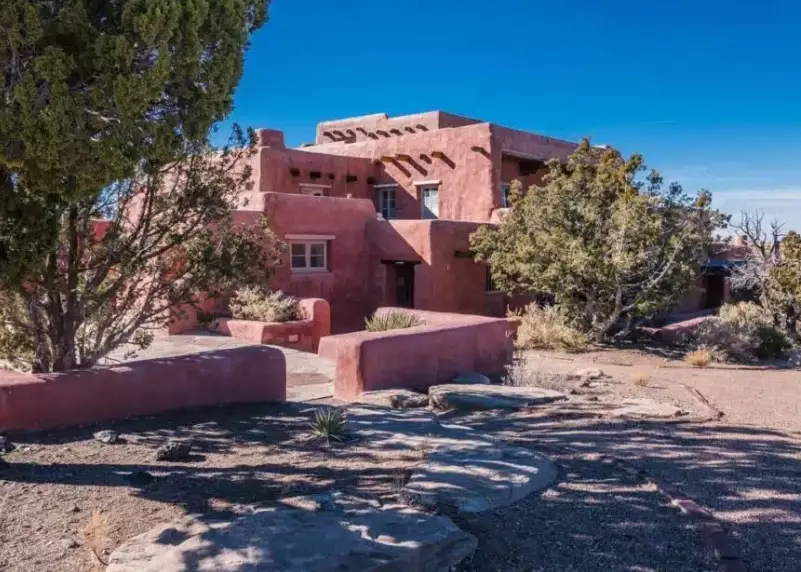
Frequently Asked Questions
Wrapping up, the Painted Desert Inn is more than a stop—it's a story in stone and paint. Whether you're a history buff, a photographer, or just curious, it rewards a thoughtful visit. Plan ahead, respect the desert, and let the place speak to you. Safe travels.
Reader Comments