Explore the Guide
You typed that question into Google, didn't you? "What is the best slot canyon in Arizona?" It's a simple question with a lot of opinions behind it. I've been there, scrolling through photos, reading conflicting advice, trying to figure out where to commit my precious vacation time and money.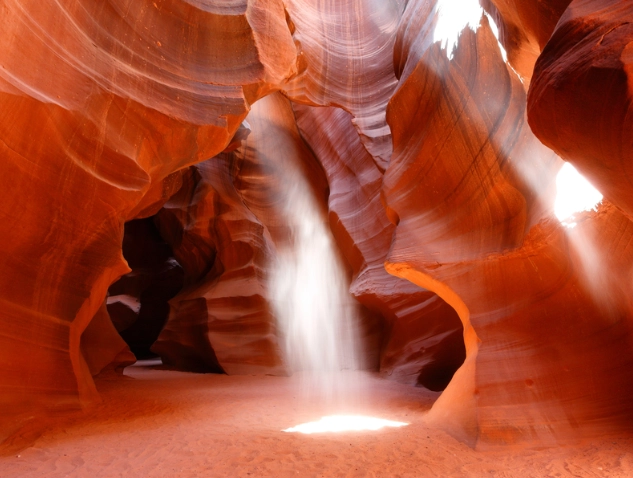
Let's cut through the noise. After spending more time in Arizona's desert than I sometimes care to admit, hiking, getting dust in my camera, and talking to countless guides, the answer for the single, absolute best slot canyon for most people is, without a doubt, Antelope Canyon.
Now, hold on. Before you think this is just a generic travel blog repeating the obvious, stick with me. Saying "Antelope Canyon" is like saying "pizza"—it's a category unto itself. The real magic, and the real decision you need to make, lies in understanding which part of Antelope Canyon is best for you. That's where most articles stop, and that's where we're going to dive deep. Is it the world-famous Upper Antelope Canyon (the one you see on every screensaver) or the less-trodden, adventure-feel of Lower Antelope Canyon? Or maybe something else entirely?
This isn't just a list. This is your planning handbook. We're going to talk about light beams, ladder climbs, tour prices, camera settings, and even the disappointing parts (yes, it can get crowded). By the end, you'll know exactly what to book, when to go, and how to have an experience that's worth every penny.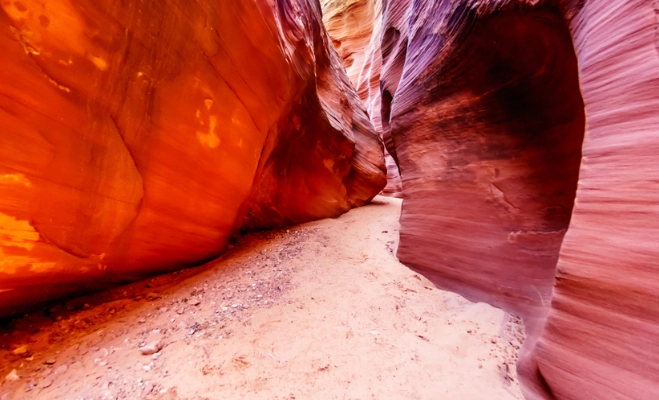
Breaking Down the Champion: Upper vs. Lower Antelope Canyon
This is the core of your decision. Most people asking "What is the best slot canyon in Arizona?" are really asking, "Which part of Antelope Canyon should I see?" They are two very different experiences.
I did Upper Canyon on my first visit. You walk in, and boom—that famous light beam is right there, filtering down from a crack high above. It's breathtaking, almost surreal. The walls are so smooth they look like liquid stone. But you're also in a line of people. It feels more like a curated museum exhibit (a stunning one) than a wilderness hike.
Lower Canyon felt different. You descend down metal ladders into the earth. It's tighter, more twisting. You have to squeeze through narrow sections and navigate more uneven terrain. There's a sense of discovery, of being inside the earth. The light comes in at different angles, creating dramatic contrasts and deep blues and purples in the shadows. It was less about that one perfect shot and more about the overall atmosphere.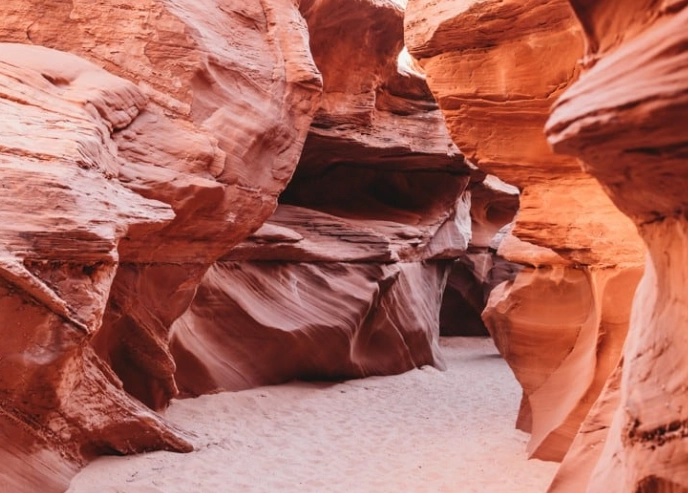
| Feature | Upper Antelope Canyon ("The Crack") | Lower Antelope Canyon ("The Corkscrew") |
|---|---|---|
| Terrain & Experience | Ground-level entrance, flat sandy floor. Easy walking. Feels more open, spacious. The classic "light beam" canyon. | Requires climbing down (and up) several steep ladders (about 5-6 total). Narrower, more adventurous feel with winding passages. |
| Light & Photography | Famous for intense, direct light beams mid-day (Apr-Sept best). Light pours from above. Best for iconic "beam" shots. | Softer, diffused light. More varied colors (deep purples, blues). Better for dramatic side-lighting and texture shots all day. |
| Crowds & Vibe | Extremely popular, especially at peak beam times (11 am - 1:30 pm). Tours move in a steady, managed line. Can feel rushed. | Generally fewer people. Tours feel slightly more relaxed and exploratory, though still guided and structured. |
| Physical Demand | Very low. Suitable for almost all ages and mobility levels. No stairs or ladders within the canyon itself. | Moderate. You must be comfortable with ladders and some uneven footing. Not recommended for severe fear of heights or mobility issues. |
| Best For... | First-time visitors, photographers targeting the light beams, families with young kids, those with limited mobility. | Adventure seekers, those wanting a less crowded feel, photographers interested in color and texture, people okay with ladders. |
My personal take? If it's your first and possibly only visit, and you have your heart set on that photograph, choose Upper. It delivers exactly what you've seen in pictures.
But if you dislike crowds and want to feel a bit more like an explorer, choose Lower. I actually preferred the vibe of Lower, even if my photos from Upper are the ones my family always asks to see.
The Honest Truth About Tours, Tickets, and Timing
You cannot explore Antelope Canyon on your own. Period. It is located on Navajo Nation land, and access is strictly controlled through licensed tour operators. This isn't a limitation—it's a necessity for preservation and safety. Flash floods are a very real danger in slot canyons.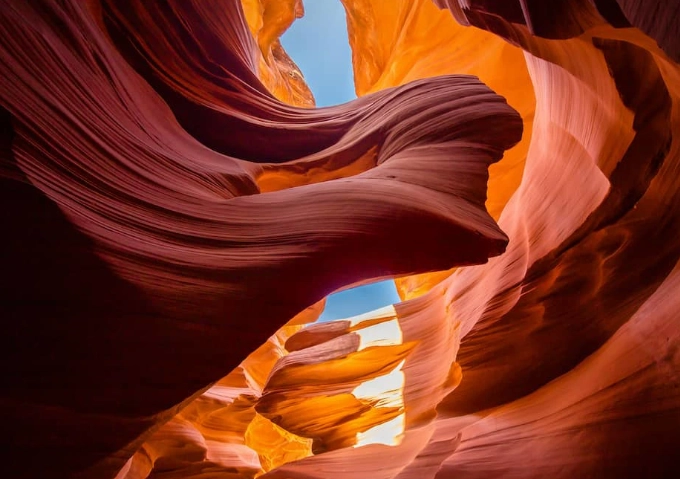
Booking Your Tour: This is Critical
Don't just show up in Page, Arizona, expecting to walk in. You must book in advance, especially for peak season (March through October) and especially for the prime photography time slots in Upper Canyon. I'm talking weeks, if not months, in advance for those 11 AM tours.
There are several reputable tour companies. I've used two different ones and had good experiences with both. The key is to book directly through their official websites. A great resource for understanding the rules and authorized operators is the official Navajo Nation Parks & Recreation website. It’s the closest thing to an official source for guidelines.
Prices vary. A standard sightseeing tour for Upper might run $80-$100 per person. Photography-specific tours (which give you more time and often allow tripods) can be $150-$200. Lower Canyon tours are often slightly cheaper. It's not a cheap activity, but let's be real—you're paying for a unique, guided experience in one of the world's most famous natural landmarks.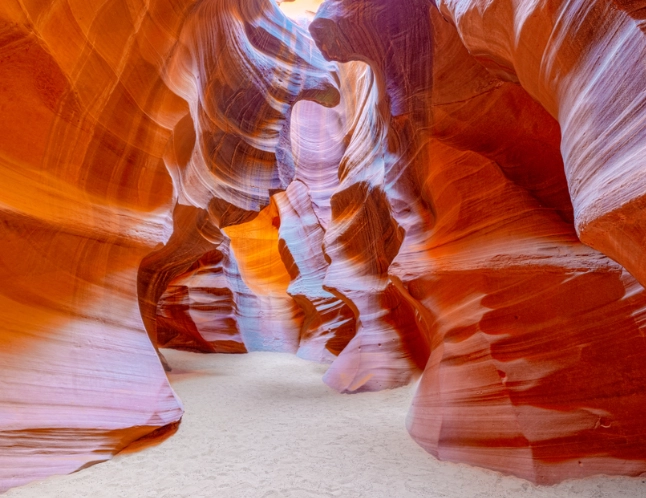
When to Go: Chasing the Light or Chasing Solitude?
This directly answers a hidden part of "What is the best slot canyon in Arizona?"—the when.
- For the Famous Light Beams (Upper Canyon): Aim for late March through early October. The sun is high enough to send shafts of light directly into the canyon. The absolute peak is around noon (11:30 AM - 1:30 PM tours). Summer is hottest but most reliable for beams.
- For Fewer Crowds and Milder Weather: Visit in the shoulder seasons—April-May or September-October. The light is still great, especially in Upper, and the temperatures in Page are much more pleasant for exploring the area. Winter (Nov-Feb) has very few crowds and a stark, beautiful light, but the beams in Upper are weak or non-existent.
- Time of Day: For Lower Canyon, I actually recommend early morning or late afternoon. The angled light creates incredible long shadows and highlights the textures. For Upper, you're locked into that midday window for beams.
Beyond Antelope: Other Contenders for "Best Slot Canyon"
Okay, so Antelope is the consensus #1. But Arizona's desert is full of secrets. If you have more time, or if the idea of a guided tour with a group turns you off, there are other incredible options. These answer the broader interpretation of "What is the best slot canyon in Arizona?" for different types of travelers.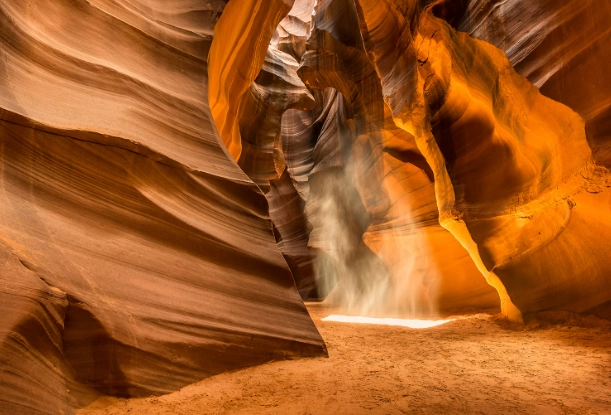
For the Adventurous Hiker: Buckskin Gulch
Often cited as the longest and deepest slot canyon in the Southwest, Buckskin Gulch is the anti-Antelope. This is a serious, backcountry commitment. We're talking permits, potential overnight trips, navigating mud and water, and a very real flash flood risk. You need proper gear, maps, and preparation.
The Bureau of Land Management (BLM) website for the Paria Canyon-Vermilion Cliffs Wilderness is the authoritative source for permits and critical safety information. Buckskin is for experienced canyoners who want solitude and raw, untamed narrows. It's breathtaking, but it's not a casual sightsee.
For a Colorful, Accessible Alternative: Canyon X
Located near Antelope Canyon and also on Navajo land, Canyon X is like Antelope's quieter cousin. It's accessed through similar guided tours (sometimes offered by the same companies). The colors are spectacular—deep oranges and reds—and because it's less famous, tours are often smaller and more intimate. It doesn't have the same iconic light beams as Upper Antelope, but it makes up for it in rich hues and a sense of discovery. A fantastic option if Antelope tours are sold out or you want to see something slightly different.
For a Quick, Free Taste: Waterholes Canyon
Also near Page, Waterholes Canyon requires a permit (you can get it online from the Navajo Nation) but allows for more self-guided exploration than Antelope. It's narrower and requires some scrambling. It's a good middle ground between the fully guided Antelope experience and the full wilderness of Buckskin. Do your research on current access conditions.
So, is one of these the "best"? It depends. For pure, iconic beauty and guaranteed wow-factor with minimal effort, Antelope wins. For wilderness challenge, Buckskin is king.
Your Practical Guide to a Perfect Visit
Let's get down to brass tacks. Here’s what you actually need to know to plan.
Photography Tips (Even with a Phone)
- For DSLR/Mirrorless Cameras: Shoot in manual mode. Your camera's light meter will be fooled by the contrast. Start with settings like ISO 800-1600, aperture around f/8-f/11, and let the shutter speed float. A wide-angle lens (16-35mm full-frame equivalent) is essential. Tripods are usually only allowed on designated "photography tours," which cost more but are worth it for serious shooters.
- For Smartphones: Use the HDR mode. Tap to focus on the mid-tones of the canyon wall, not the bright sky or dark shadows. Your phone will do surprisingly well! Consider a small portable tripod for stability in low light.
- Dust: It's everywhere. Be very careful changing lenses. Consider a clear UV filter to protect your front lens element.
What to Wear & Bring:
- Footwear: Closed-toe shoes with good grip. Sandals are a bad idea. You'll be walking on sand and, in Lower Canyon, on ladders.
- Clothing: Even in summer, the canyon can be cooler. A light layer is smart. Wear clothes you don't mind getting dusty. Hats are great for the walk to/from the canyon.
- Essentials: Water. More water than you think. Sunglasses for outside. A small backpack. Cash for tips (tipping your guide is customary and appreciated—they often share great geological and cultural insights).
- What NOT to Bring: Large backpacks, tripods (unless on a photo tour), selfie sticks, or drones (strictly prohibited).
Getting There & Basecamp:
All Antelope Canyon tours depart from Page, Arizona. It's a small town near the Utah border. Fly into Las Vegas (4.5-hour drive) or Phoenix (4-hour drive) and rent a car. Page has hotels, Airbnb options, and restaurants. Book your accommodation early during peak season too—it fills up.
While in Page, pair your canyon visit with other wonders: Horseshoe Bend (a 5-minute drive from town, get there for sunrise to avoid crowds), and Lake Powell for water activities.
Answering Your Burning Questions (FAQ)
Let's tackle the specific things people worry about when planning.
The Final Verdict
So, after all this, what is the best slot canyon in Arizona?
For the overwhelming majority of visitors—first-timers, families, photography enthusiasts, and those seeking a guaranteed, world-class natural wonder—the answer is Antelope Canyon.
And within that, if you want the iconic photograph and the easiest walk, book a midday tour of Upper Antelope Canyon. If you want a slightly more adventurous feel with fewer people and stunning colors, book a tour of Lower Antelope Canyon.
The search for the best slot canyon in Arizona ultimately leads you to the Navajo Nation's stunning landscape near Page. It's a place that demands planning, respects the rules, and rewards you with an experience that sticks in your memory long after the desert dust has been washed from your shoes.
Start looking at tour dates. That midday slot in Upper fills up fast.
And trust me, when you're standing there, watching that beam of light cut through the dusty air onto the flowing sandstone, you'll have your own answer to the question.
Reader Comments