You've seen the pictures. A river of impossible, milky-blue water cutting through red rock, a waterfall-like pour-over into the mighty Colorado River deep within the Grand Canyon. That's the Little Colorado River, and it's one of Arizona's most stunning—and misunderstood—natural wonders. Most people just see it from the air on a helicopter tour. But if you're willing to dig a little deeper, there are ways to experience its magic up close. I've spent over a decade exploring the Colorado Plateau, and I'm here to tell you that visiting the Little Colorado River isn't a simple checkbox activity. It's a lesson in geology, tribal sovereignty, and backcountry preparedness.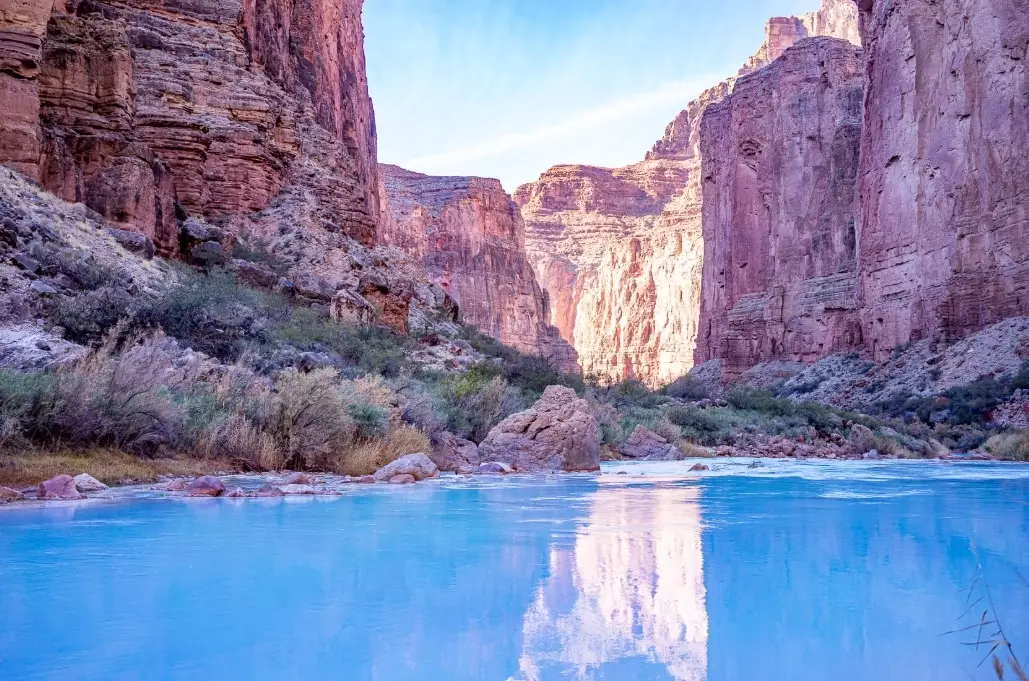
Let's get one thing straight right away: there are two main ways people experience the "Little Colorado." There's the dramatic Little Colorado River Gorge you can drive to, and there's the famous confluence with the main Colorado River, which is a serious hike. Mixing these up is the first mistake most travel blogs make.
Your Quick Guide to the Little Colorado River
What Exactly Is the Little Colorado River?
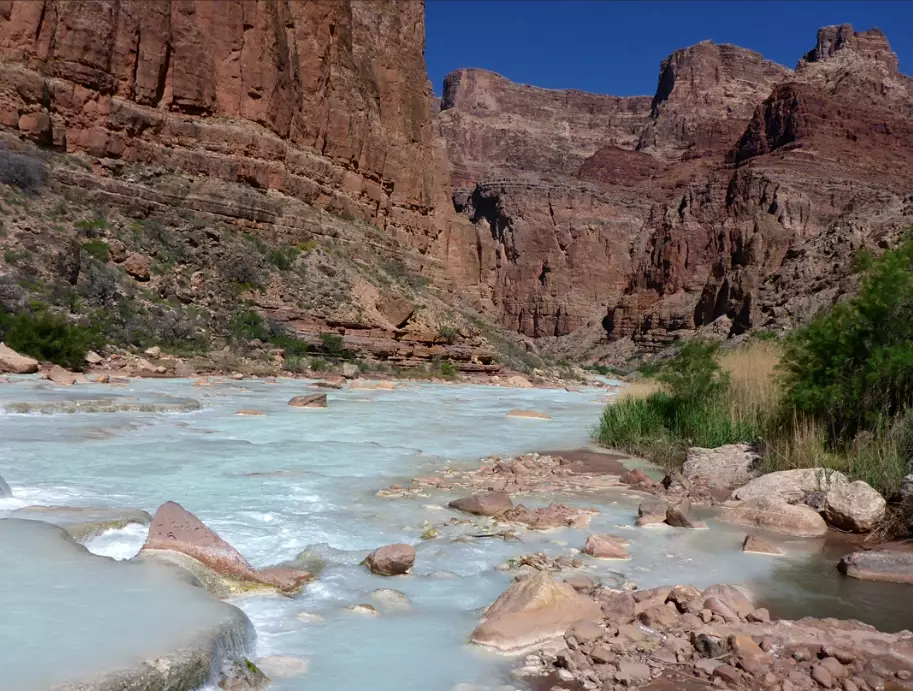
It's not just a pretty stream. The Little Colorado River (LCR) is a major tributary, flowing over 300 miles from the White Mountains in eastern Arizona to its confluence within the Grand Canyon. The magic happens because of geology. Upstream, the river passes through limestone-rich layers, dissolving calcium carbonate. When the water emerges at springs near the canyon, it's super-saturated with this mineral. Exposure to air causes travertine (a form of limestone) to precipitate out, giving the water its opaque, turquoise-blue color. The flow and color intensity change wildly with the seasons. Spring snowmelt brings the highest, most vibrant flows. After summer rains, it can turn chocolate brown with silt. Winter offers a softer, lighter blue.
This area is also deeply significant to the Navajo, Hopi, and other Pueblo tribes. The confluence is a sacred site. Remember, you're a guest here.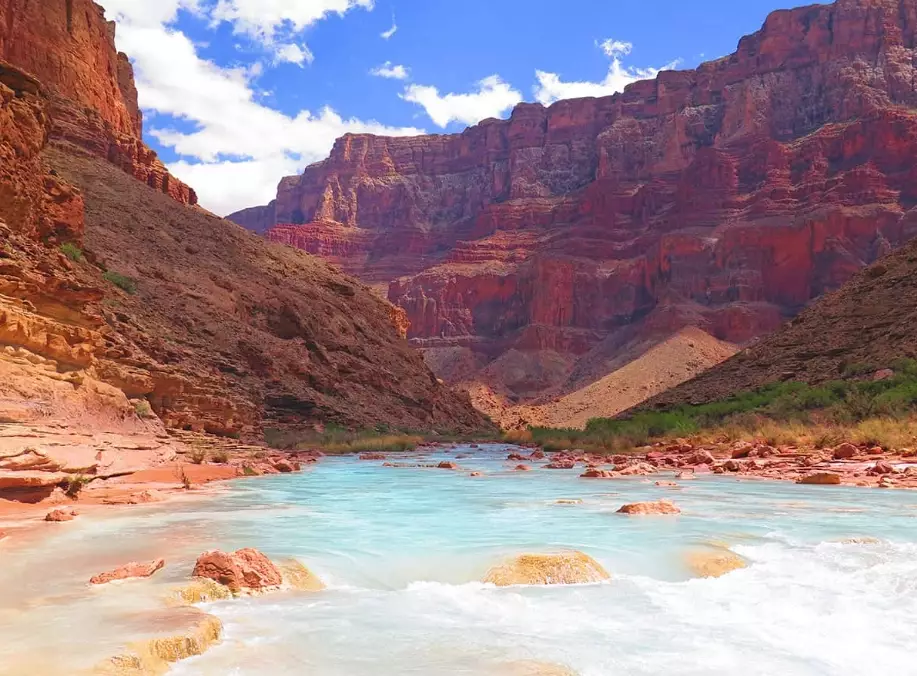
Key Facts at a Glance
Location: Northern Arizona, primarily within the Navajo Nation and Grand Canyon National Park.
Famous Feature: The turquoise-blue waters at the confluence with the Colorado River.
Nearest Major Town: Page, Arizona (for guided tours, supplies).
Governing Bodies: Navajo Nation Parks & Recreation (for the gorge overlook), Grand Canyon National Park (for the confluence area).
Best Time for Color: Late May through early June.
Biggest Misconception: That it's an easy roadside attraction. Access is complex.
How to See the Little Colorado River: 3 Main Options
You basically have three choices, each with a wildly different commitment level.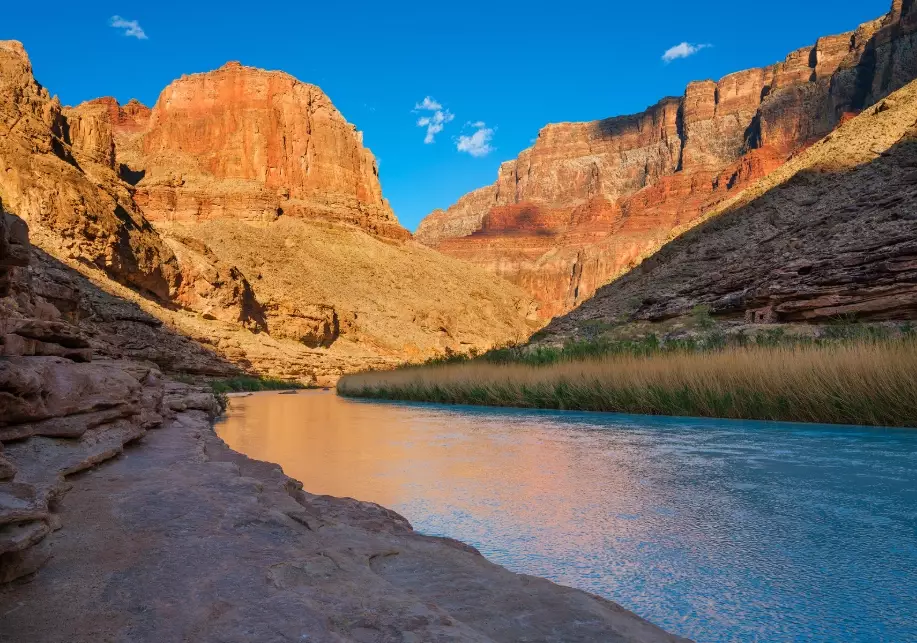
1. The Overlook (Easiest)
The Little Colorado River Gorge Overlook is on Navajo land along Highway 64, about 30 miles north of Cameron. You pay a small per-person recreation fee at the entrance station (cash is best). It's a paved walk to a fenced viewpoint perched right on the rim. The view is straight down into a dizzyingly deep, narrow canyon. You won't see the famous blue water here—you're looking at the dry lower gorge. But the scale is immense. Vendors often sell Navajo crafts here. It's worth a 30-minute stop if you're driving between the Grand Canyon South Rim and Page.
2. The Hike (Most Rewarding, Most Difficult)
Reaching the actual confluence on footpath is a major backcountry undertaking. The most common route is descending from the South Rim via the Tanner Trail to the river, then hiking upstream along the river for miles to the confluence. Another route is descending from the North Rim via the North Kaibab Trail to Bright Angel Creek, then hiking upstream along Bright Angel Creek to the Colorado River, then hiking downstream along the Colorado River for miles to the confluence. The Tanner Trail is about 9 miles one way with over 4,000 feet of elevation loss (and gain on the return). The North Kaibab Trail is about 14 miles one way with over 5,000 feet of elevation loss. Both require excellent physical fitness, backcountry navigation skills, ample water (you need to treat/filter water from the river or Bright Angel Creek), and a permit from the National Park Service. The confluence itself is a stunning sight, but it's a multi-day backpacking trip with serious exposure to heat and sun. Do not attempt this without proper preparation.
3. By Air or Guided Tour (Most Accessible for the Confluence)
This is how most people see the blue water. Helicopter tours from Grand Canyon National Park Airport (Tusayan) or Page fly over the confluence. It's breathtaking from the air. Some tour operators from Page offer guided 4x4 tours that get you closer to the river upstream of the confluence, though you won't hike all the way to the confluence itself. These are great options if you want the visual payoff without the extreme physical challenge.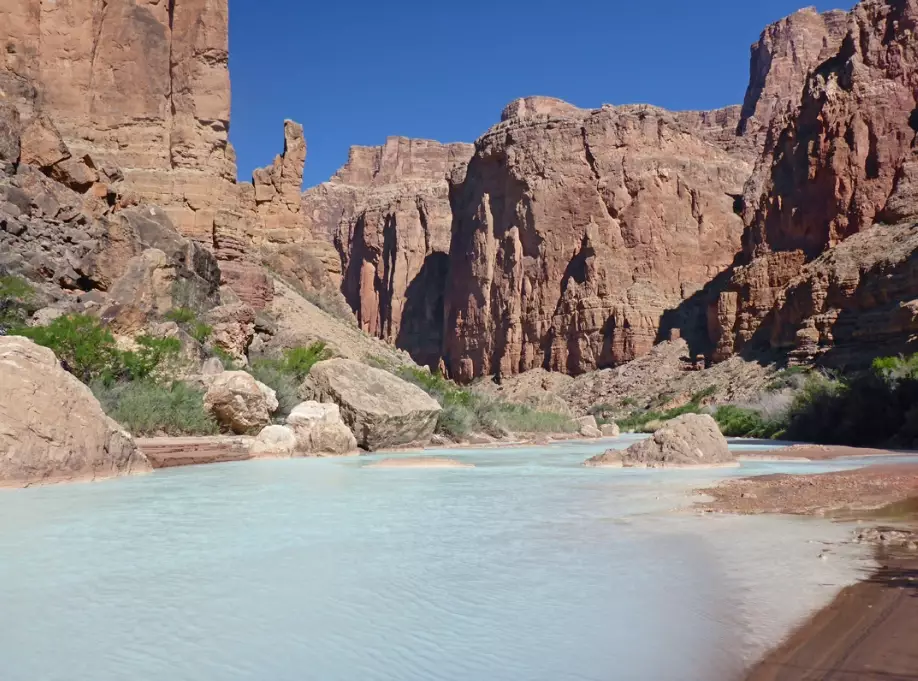
Planning Your Visit: Logistics You Can't Ignore
This isn't a spontaneous stop.
- Permits: If you plan to hike to the confluence, you need a backcountry permit from Grand Canyon National Park. They're competitive, especially for spring and fall. Apply months in advance.
- Navajo Nation Regulations: Much of the land around the river is within the Navajo Nation. Access is restricted. You cannot just drive off-road. Respect all signage. The overlook requires a recreation permit.
- Water: Carry all you need for the overlook. For hiking, you'll need a minimum of 4 liters per person per day, plus a way to treat water from the river (filtering and chemical treatment recommended).
- Weather: Summer temperatures in the inner canyon regularly exceed 110°F (43°C). Hiking is not advised in peak summer. Spring and fall are ideal. Winter can be cold at the rim but mild in the canyon.
- Navigation: Trails are not always well-marked. Carry a detailed map, compass, and GPS device, and know how to use them.
Getting That Perfect Photo: Photography Tips
That iconic shot? It's harder than it looks.
The light in the deep canyon is tricky. Midday sun creates harsh shadows but lights up the water best. Early morning or late afternoon light is warmer but leaves the river in shadow. A polarizing filter can help cut glare on the water and deepen the blue. A wide-angle lens captures the scale. If you're hiking, protect your gear from fine red dust. From the air, try to get a seat by the window (and clean it!).
Most photos you see are from the air or from a specific downstream vantage point that requires that serious hike to reach.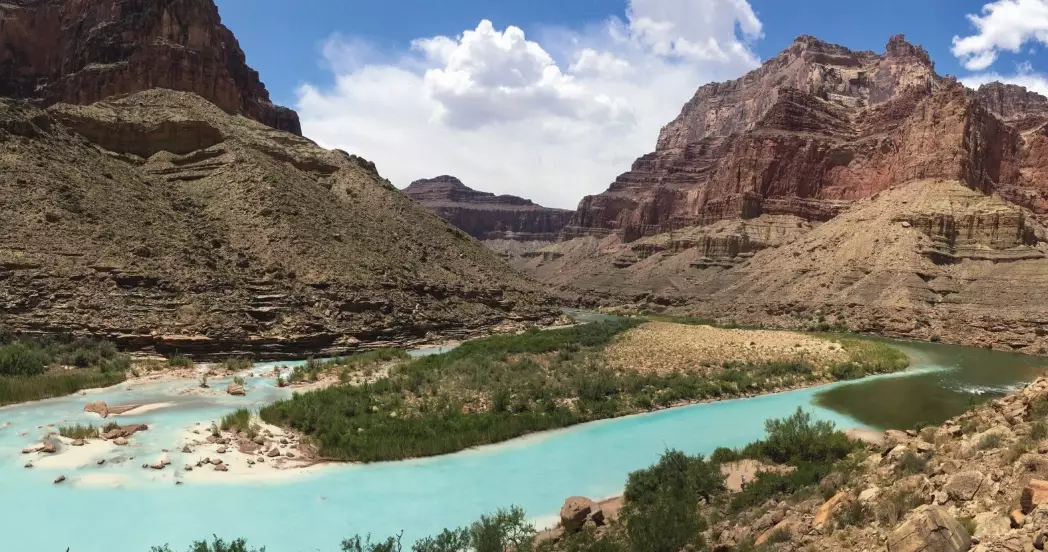
Respect & Safety: The Non-Negotiables
The river's beauty hides real dangers. The travertine deposits make the riverbed incredibly slick. Swimming is strongly discouraged due to powerful currents and cold water. Flash floods are a real risk in the narrow canyon after rain, even far upstream. Always check the weather. Heat exhaustion and dehydration are the top killers in the Grand Canyon. Start hikes before dawn, rest in shade during the hottest part of the day, and drink water constantly, even if you're not thirsty.
Respect the cultural significance. Don't remove rocks, disturb archaeological sites, or leave any trace of your visit.
A Realistic One-Day Itinerary from Page, AZ
If you're based in Page and want a full-day experience focusing on the Little Colorado River:
- 7:00 AM: Depart Page. Grab coffee and packed lunch.
- 8:00 AM: Arrive at the Little Colorado River Gorge Overlook. Spend 45 minutes taking in the views.
- 9:00 AM: Drive to nearby Cameron (30 mins). Visit the historic Cameron Trading Post.
- 10:30 AM: Embark on a pre-booked 4x4 tour with a licensed Navajo guide to access areas of the river upstream. (Many tours depart from Page or nearby).
- ~4:00 PM: Return to Page.
- Alternative: Book a morning or afternoon helicopter tour from Page Airport specifically highlighting the confluence.
This gives you a tangible experience without the extreme physical demands of the hike.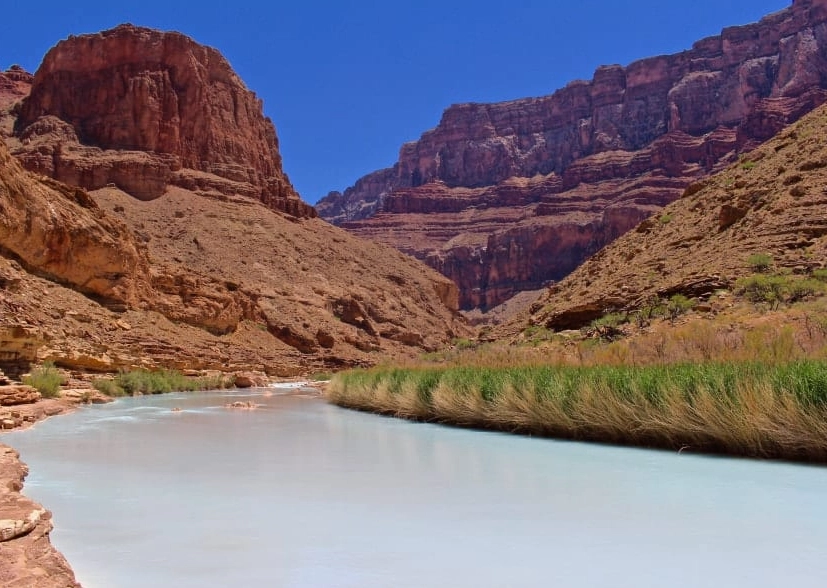
Your Questions, Answered
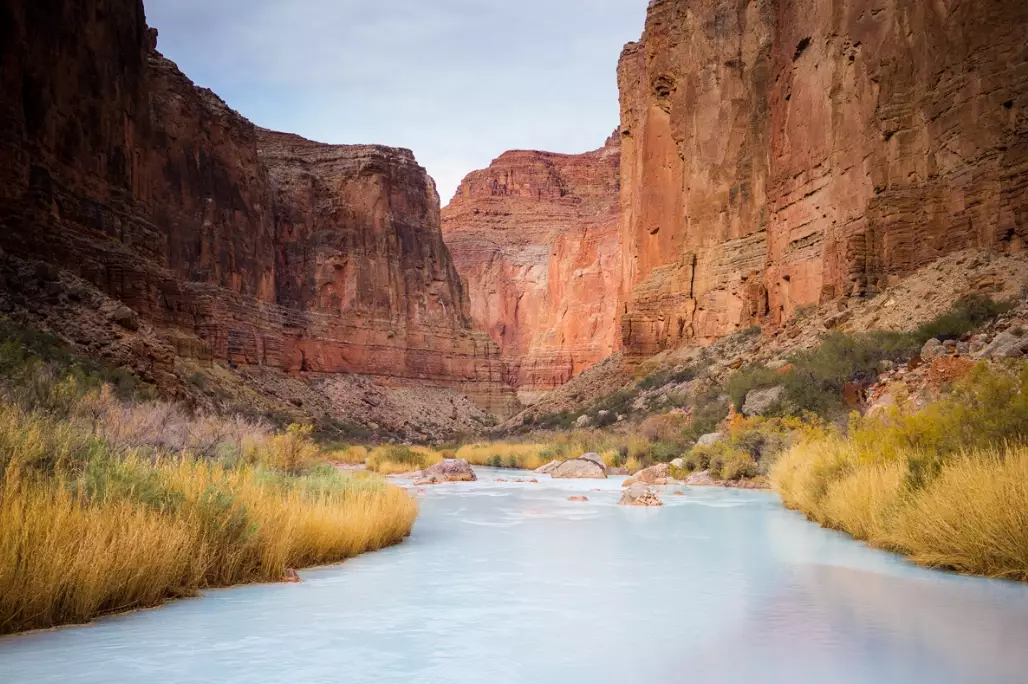 When is the best time to see the bright blue water?
 Whether you're looking at the confluence from a helicopter, standing at the overlook, or, if you're truly prepared, making the arduous journey on foot, the Little Colorado River is a place of profound beauty. Plan carefully, respect the land and its people, and you'll be rewarded with an experience that goes far beyond a simple snapshot.
Reader Comments