Quick Guide
- The Data Doesn't Lie: What Official Reports Say
- The Algae Question: When the Water Gets Green
- Swimming, Fishing, and Boating: What's Actually Safe?
- What Makes the Water Quality Change? The Big Influences
- Common Questions People Ask (That You Were Thinking Too)
- The Final Verdict: So, Is Lake Roosevelt Clean?
Let's cut to the chase. You're probably planning a trip—maybe to camp, fish, or just cool off on a hot day—and you typed that question into Google. "Is Lake Roosevelt a clean lake?" It's a simple question, but the answer isn't a simple yes or no. I've asked myself the same thing before packing my kayak and fishing gear. It depends on what you mean by "clean," what part of the lake you're talking about, and what you want to do there.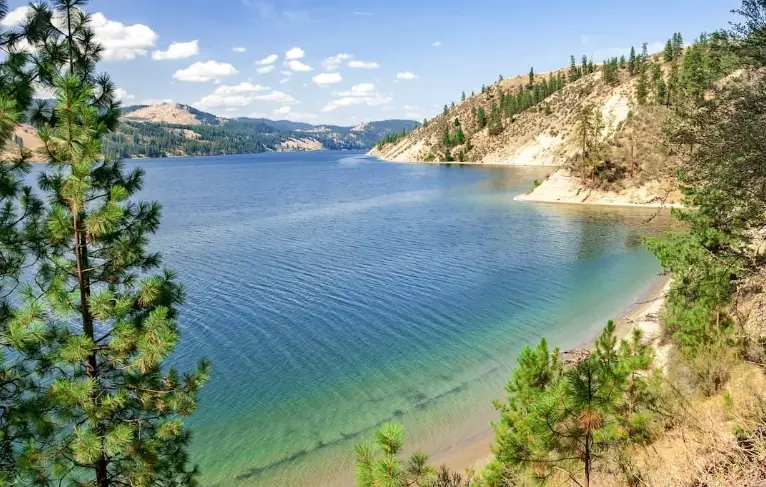
I've spent enough time around the lake to have my own opinions, and I've dug through more water quality reports than I care to admit. The short version? For the vast majority of visitors and activities, yes, Lake Roosevelt is considered a clean and safe body of water. But if you're looking for pristine, untouched wilderness water, you might need to adjust some expectations. It's a reservoir, after all, created by the Grand Coulee Dam, and that comes with a whole different set of environmental realities compared to a natural alpine lake.
The Data Doesn't Lie: What Official Reports Say
You don't have to take my word for it. The best place to start is with the people who test the water regularly. The Lake Roosevelt Water Quality Council, a collaborative group involving tribes, agencies, and utilities, has been monitoring the lake for decades. Their reports are public, though they can be a bit dense.
So, is Lake Roosevelt a clean lake according to the numbers? Let's break down the key parameters they measure.
Key Water Quality Indicators
Scientists track a bunch of stuff, but for us regular folks, a few metrics matter most:
- Fecal Coliform Bacteria: This is the big one for swimmers. It indicates possible contamination from human or animal waste. Levels in Lake Roosevelt are consistently well below the state's limit for safe swimming. You're far more likely to encounter high bacteria counts after a heavy rainstorm near a developed shoreline, but those are short-lived events.
- Nutrients (Phosphorus & Nitrogen): These come from fertilizers, wastewater, and natural sources. High levels can fuel algae growth. The lake has what's called "mesotrophic" conditions—a middle ground. It has moderate nutrient levels, which means algae blooms can happen, but they're not the constant, scary green slime you see in some polluted lakes.
- Temperature & Dissolved Oxygen: Fish need cool, oxygen-rich water. The dam's operations actually help here. Water released from the bottom of Lake Roosevelt (the "hypolimnetic" release) is cold, which helps keep the river downstream healthy for salmon. In the lake itself, oxygen levels are usually good, though they can dip lower in deep areas during late summer.
- Turbidity & Total Suspended Solids: Fancy words for how cloudy the water is. It's a reservoir, so it carries sediment. After spring runoff or windy days, the water can get murky, especially at the northern end where the Columbia River enters. This isn't necessarily "dirty" in a harmful way, but it can affect visibility for diving.
- Metals & Contaminants: Historic mining upstream in Canada left a legacy of metals like lead and mercury in the lakebed sediments. This is the most complex issue. The good news is that these contaminants are largely locked in the sediment and are not freely dissolved in the water column you swim in. The concern is primarily for bottom-feeding fish, which is why there are consumption advisories.
See? Not so simple. The lake scores an "A" on some tests and a "C+" on others.
The Algae Question: When the Water Gets Green
Alright, let's talk about the elephant in the room. Or rather, the greenish tint in the water. Almost every large, warm lake in the country deals with algae. Lake Roosevelt is no exception.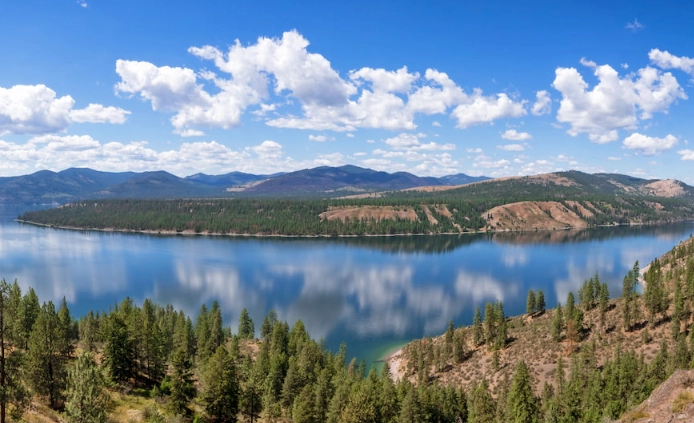
In late summer, when the water is warm and calm, you might see areas with a green scum or pea-soup consistency. These are cyanobacterial blooms, sometimes called blue-green algae. Some types can produce toxins that are harmful to people and pets.
Now, before you panic, let's be clear. Not all algae blooms are toxic. And major, lake-wide toxic blooms are rare on Roosevelt. The monitoring is pretty good. The National Park Service and the Washington State Department of Health will post advisories at boat launches and on their websites if a bloom is confirmed to be toxic.
The presence of algae doesn't automatically mean the lake is "dirty." It's a natural process, but it's amplified by nutrient inputs. It's a sign the lake's ecosystem is productive, maybe a bit too productive in spots.
Swimming, Fishing, and Boating: What's Actually Safe?
This is what you really want to know, right? Can I let my kids splash around? Can I eat the fish I catch?
Is It Safe to Swim in Lake Roosevelt?
Generally, yes. I've been swimming in it for years. The vast majority of the time, at most beaches, the water is fine for swimming. The state's routine testing rarely finds bacteria levels that would cause a health advisory.
You should practice common sense, though:
- Avoid swimming for a day or two after a really heavy rainstorm, as runoff can temporarily increase bacteria.
- Steer clear of obvious algae blooms (the green, scummy areas).
- Don't drink the lake water. This seems obvious, but I've seen people do it. Use treated water for drinking and cooking.
- If you have open cuts or wounds, maybe keep them out of the water, or cover them with waterproof bandages.
The water is clean enough that I don't hesitate to jump in on a hot day. But I always do a visual check first.
The Fish You Catch: To Eat or Not to Eat?
Fishing is huge here. And the fish are healthy and fight hard. But because of those legacy contaminants in the sediment (mercury, PCBs), there are consumption advisories. This is the most important "cleanliness" issue for anglers.
The advisories aren't "don't eat." They're "limit how much you eat." They're especially cautious for pregnant women, nursing mothers, and young children.
Here’s a simplified look at the current guidelines (always check the latest from the WA Department of Fish & Wildlife):
| Fish Species | Recommended Limit (General Population) | Notes |
|---|---|---|
| Rainbow Trout / Kokanee | Up to 8 meals per month | These are open-water feeders, lower in contaminants. |
| Walleye | Up to 2 meals per month | Larger, older walleye have higher mercury. Smaller ones are better. |
| Smallmouth Bass | Up to 2 meals per month | Similar advice as for walleye. |
| Lake Whitefish | Do Not Eat | Bottom-feeder, higher contaminant accumulation. |
| Northern Pikeminnow | Do Not Eat | Definitely avoid. |
The key takeaway? You can absolutely enjoy your catch. Just follow the guidelines. I personally fillet my fish and remove the skin and fatty tissue, where some contaminants accumulate, before cooking. It's an extra step that gives me peace of mind.
Boating and Water Sports
No issues here. The water is clean for boating, skiing, kayaking, and paddleboarding. Just be mindful of other users and practice clean boating habits—don't dump your trash or fuel into the lake. The cleanliness of the lake depends on visitors too.
What Makes the Water Quality Change? The Big Influences
Lake Roosevelt isn't a static bathtub. Its cleanliness varies by location, season, and what's happening upstream. Understanding this helps you pick the best spot for your activity.
- The Dam: Grand Coulee is the maestro. It controls the flow, which affects temperature, sediment, and how long water sits in the reservoir. It's a double-edged sword—it traps sediment and some contaminants, but it also creates the lake we use.
- The Columbia River: The lake is essentially a wide spot in the mighty Columbia. Everything that happens in the watershed upstream in Canada and the US eventually flows in. Snowmelt, agricultural runoff, forestry practices—it all contributes.
- Local Geography: Shallow, sheltered bays (like near campgrounds) warm up faster and are more prone to algae growth than the deep, open main channel.
- Weather: Hot, calm summers promote algae. Windy periods can stir up sediment. Heavy rains cause runoff.
- Human Activity: Developed shorelines, marinas, and high boat traffic can contribute localized pollutants like oil, gas, and bacteria. This is why practicing "Leave No Trace" principles is crucial.
I've noticed the water clarity is often better in the spring and early summer. By late August, it can be warmer and greener in the shallows. The northern end, around the Canadian border, tends to be more influenced by river inflow and can be murkier. The southern end, near the dam, often has clearer, colder water.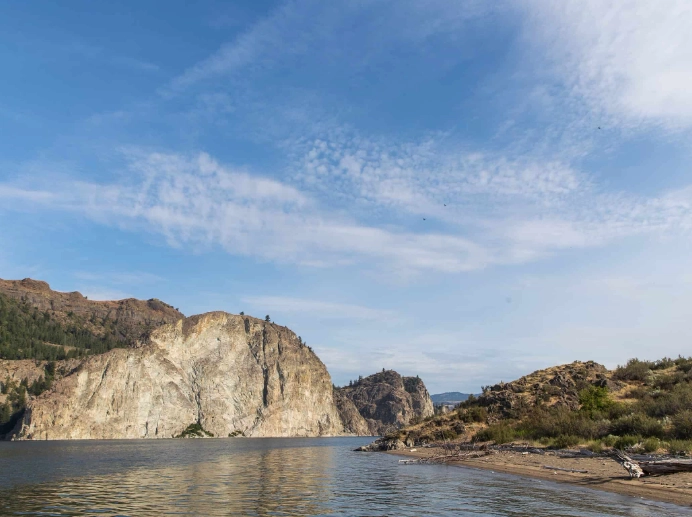
Common Questions People Ask (That You Were Thinking Too)
The Final Verdict: So, Is Lake Roosevelt Clean?
After all that, let's circle back to your original search: "Is Lake Roosevelt a clean lake?"
If you're asking if it's safe for a summer vacation—for swimming off your boat, camping on the shore, and catching dinner (within limits)—then absolutely, it is a clean lake. It meets the standards, and millions of visitors enjoy it safely every year without issue. I do, and I plan to keep doing so.
If you're asking if it's a perfectly pristine, crystal-clear alpine lake untouched by human influence, then no, it's not. It's a working reservoir in a large river system with a complex history. It has environmental challenges, primarily legacy contaminants in fish and seasonal algae.
My Takeaway Advice
Don't let the nuances scare you off. Lake Roosevelt is a fantastic resource. Go enjoy it. Just be an informed visitor:
- Check for Advisories: Before you go, take 2 minutes to look at the National Park Service's water quality page or the WA Dept. of Health for any active alerts.
- Use Your Eyes and Nose: Avoid water that looks or smells foul.
- Follow Fish Consumption Guidelines: They exist for a reason. Enjoy your catch responsibly.
- Do Your Part: Pack out your trash, use pump-out stations for boats, and don't litter. The lake's future cleanliness depends on all of us.
The lake is clean enough to create a lifetime of memories. Just go in with your eyes open. That's the best any of us can do.
I remember one evening, after a long day of kayaking, I just floated on my back in a quiet cove. The water felt fine, the sky was huge, and the only sound was the lap of tiny waves against the kayak. In that moment, the question of "Is Lake Roosevelt a clean lake?" faded away. It was just a beautiful place. And with a little awareness, it can stay that way for a long time.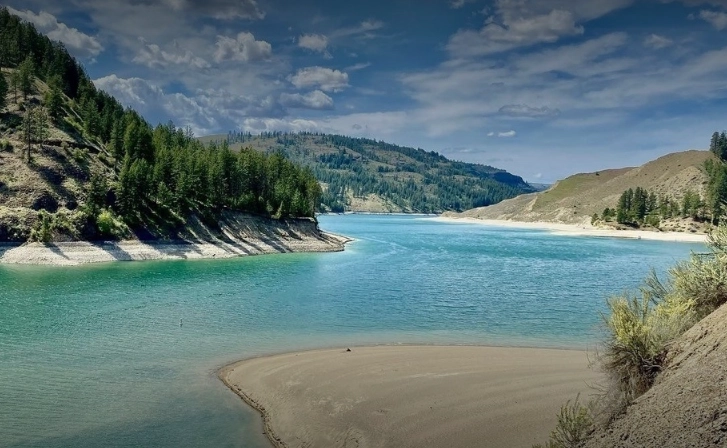
Reader Comments