Forget pristine beaches and palm-lined boulevards. Drive down Highway 111 on the eastern shore of California's Salton Sea, and you'll find something else entirely: Bombay Beach. It's a place where rust is a primary color, where sculptures grow from the salt-crusted earth, and where the line between art installation and abandoned home is beautifully, hauntingly blurred. This isn't a polished tourist trap—it's a raw, living gallery and a community clinging to the edge of an ecological disaster zone. Most online guides just list the Instagram spots. I've been visiting for years, watching it evolve. This guide tells you what you actually need to know to plan a trip that's respectful, safe, and genuinely fascinating.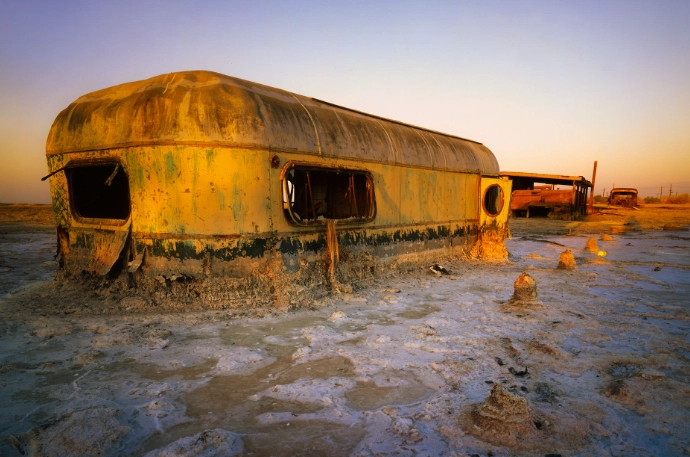
What's Inside This Guide
What Exactly is Bombay Beach?
First, a crucial correction. Many blogs call Bombay Beach a "ghost town." That's wrong, and it's disrespectful. A few hundred people still live here year-round. It's a living, breathing, struggling community that exists within a landscape of decay. The story starts in the 1950s when the Salton Sea was a booming resort destination. Bombay Beach was a waterfront paradise. Then the sea began to recede and become saltier, killing fish and driving tourism away. What's left is a skeleton of that dream, but one that's been adopted by artists as a canvas.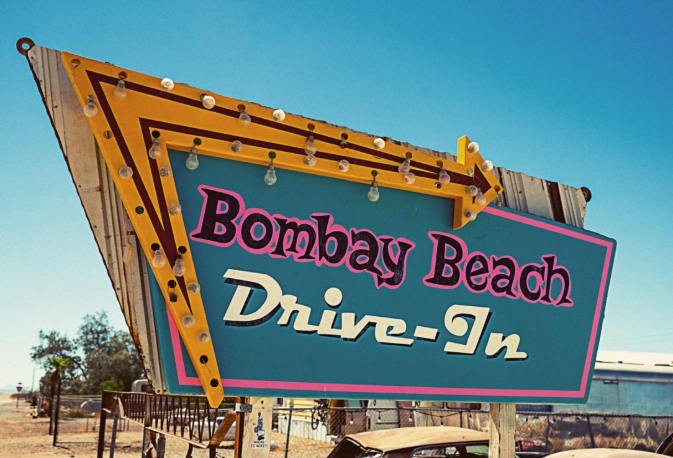
The town's rebirth as an art destination is largely thanks to the Bombay Beach Biennale. It's not a formal, ticketed event in a white-walled gallery. It's a decentralized, sometimes chaotic, infusion of art directly into the environment. Artists come and install pieces in vacant lots, on crumbling foundations, and even in the water. The art stays, weathering under the brutal sun, becoming part of the town. This means the "map" of Bombay Beach is always shifting. That sculpture you saw on Instagram last year might be gone, rusted into oblivion, or transformed by a new artist.
The One Thing Most First-Timers Miss
Everyone races to the big installations on the first few streets. But the real texture of Bombay Beach is in the quiet, resident-owned streets further back. You'll see meticulously kept trailers with gardens, flags flying, and signs of daily life. This contrast—between the curated weirdness of the art zone and the resilient normalcy of the homes—is the whole point. Spend at least a few minutes walking beyond the "hot spots." Just be quiet and respectful; you're in someone's neighborhood.
The Art & The Abandonment: What You'll Actually See
You don't need a ticket or a map. Exploration is the activity. Just park (legally, not in front of driveways) and start walking. The art and ruins are densely packed in the grid near the receding shoreline.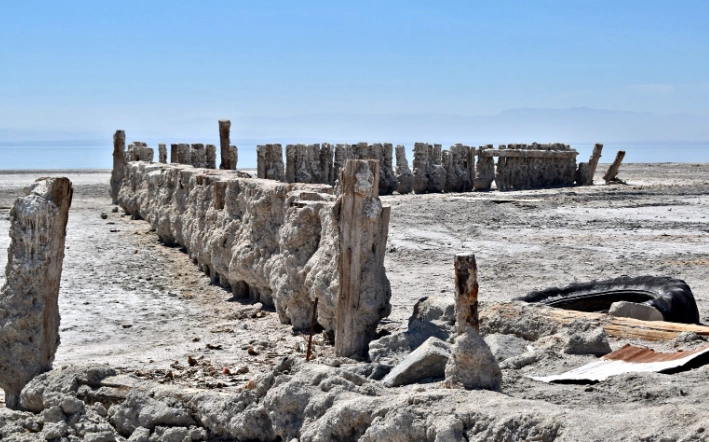
Iconic Art Installations (That Might Still Be There)
Art here is ephemeral. Assume nothing is permanent. But here are some pieces and concepts that have defined the experience:
- The Movie Set Streets: Entire blocks look like a post-apocalyptic film set. You'll see bathtubs planted in the sand, chairs arranged for an audience of no one, and frames of houses standing like skeletons.
- Bombay Beach Opera House: It's not an opera house. It's a small, gutted structure near the shore that sometimes hosts intimate performances or contains sound installations. Look for the piano.
- The Love Nest & Other Sculptures: Keep your eyes peeled for welded metal sculptures, often human figures or animals, integrated into lots. A personal favorite was a piece called "The Love Nest," a metal bedframe with a view of the sea, tucked behind a fence. It's probably rusted into a new shape by now.
- The Library: A small shack filled with water-damaged books, open for browsing. It's a powerful, silent statement.
The Abandoned Structures: A Note on Respect
Yes, there are crumbling houses with open doors. A common mistake visitors make is treating these like museum exhibits put there for their entertainment. They're not. They are the decaying homes of people who left, often quickly. It's one thing to look from the street; it's another to walk in, rummage, or take "souvenirs." That's trespassing and theft. The vibe you get from respecting the space is far more powerful than any photo you could take inside.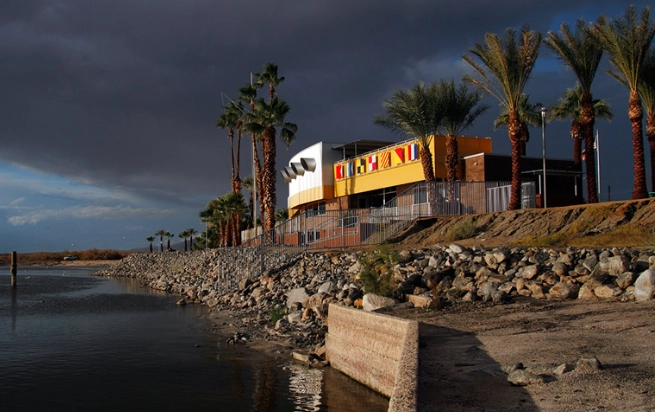
Also, safety first. These structures are unstable. Rotting floors, exposed nails, and asbestos are real hazards. Don't let your Instagram shot be your last.
How to Plan Your Visit to Bombay Beach
This isn't Disneyland. There's no front gate, no hours of operation, and no gift shop (well, mostly). Planning is about logistics and mindset.
Getting There, Parking, and The Basics
Address & Navigation: Bombay Beach, CA 92257. It's on the east side of the Salton Sea. Plug "Bombay Beach" into Google Maps. It will take you to the general community. Once you see the water tower and the first abandoned structures, you're there.
From Los Angeles: About a 3-hour drive via I-10 East to Highway 111 South. It's a stark, beautiful drive into the desert.
From San Diego: About 2.5 hours via I-8 East to Highway 86/111.
Parking: Street parking only. Never block driveways, mailboxes, or roads. The sand on the shoulders can be soft, so stick to paved areas. There's no designated lot.
"Admission": Free. However, the Biennale and the artists survive on donations. If you see a donation box (often near larger installations), consider contributing a few dollars. It directly supports the art you're enjoying.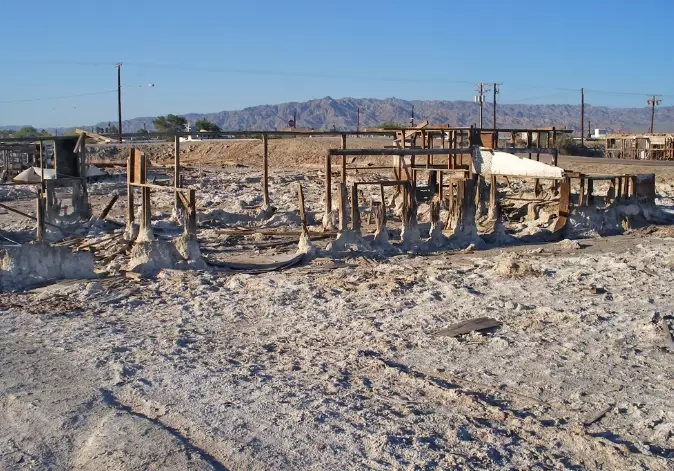
When to Go & What to Bring
Best Time of Year: October to April. Full stop. Summer temperatures regularly hit 115°F (46°C) and above. The smell from the Salton Sea can also be more pronounced in the heat. It's miserable and potentially dangerous for extended exploring.
Best Time of Day: Early morning or late afternoon. The light is magical for photography, and the temperatures are manageable.
Packing List (Non-Negotiable):
- Water: More than you think you need. There are no public water fountains.
- Sturdy, Closed-Toe Shoes: The ground is uneven, with rusty metal, broken glass, and sand.
- Sun Protection: Hat, sunglasses, and high-SPF sunscreen. There is zero shade.
- Snacks/Food: Options are extremely limited. The Bombay Beach Beach (yes, that's the name) is essentially the town's only bar/restaurant. It has character, cold drinks, and basic food, but hours can be erratic. Don't rely on it being open. Pack a cooler.
- Full Gas Tank: The last reliable gas stations are in Niland to the north or Westmorland to the south.
- A Sense of Respect: Your most important item.
Looking Beyond the Sights
If you just snap photos and leave, you've missed half the story. The Salton Sea itself is a character. Read up on its history as an accidental sea and its ongoing ecological crisis. The California Salton Sea Management Program website has authoritative information on the state's efforts. Understanding this context transforms the landscape from "cool and creepy" to profoundly tragic and compelling.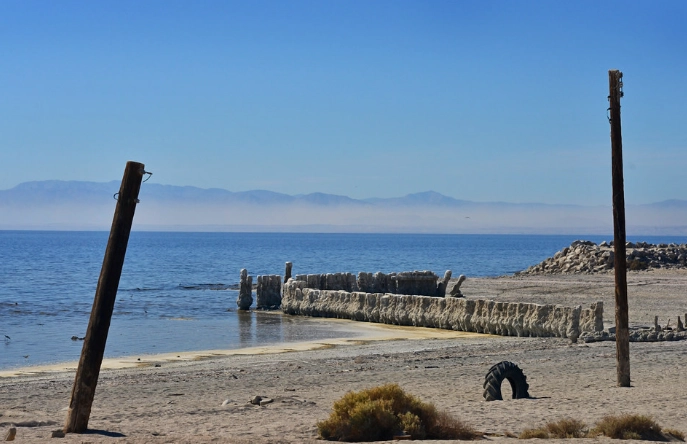
Also, talk to people if the opportunity arises (without intruding). The longtime residents and the artists who spend seasons there have stories you won't find online. I once chatted with a resident who was painting his trailer a bright sky blue. "Gotta have some color out here," he said. That stuck with me more than any sculpture.
Your Bombay Beach Questions, Answered
Bombay Beach won't be for everyone. It's harsh, it's weird, and it asks more questions than it answers. But if you're tired of predictable travel and want to see a place where nature, decay, and human creativity are having a fierce, beautiful argument under the desert sun, there's nowhere else like it. Go with an open mind, plenty of water, and leave nothing behind but your footprints in the sand.
Reader Comments