Your Quick Trail Map to Ash Paw Canyon
Let's be honest. When you think of New Mexico slot canyons, places like Kasha-Katuwe get all the attention. But if you're willing to trade paved paths for a bit of adventure, Ash Paw Canyon is the reward. Tucked away in the high desert, it's not a national monument. There's no visitor center, no entrance fee booth, and definitely no crowds. What you get instead is a raw, unfiltered slice of geology—a winding crack in the earth with walls that glow like embers in the right light.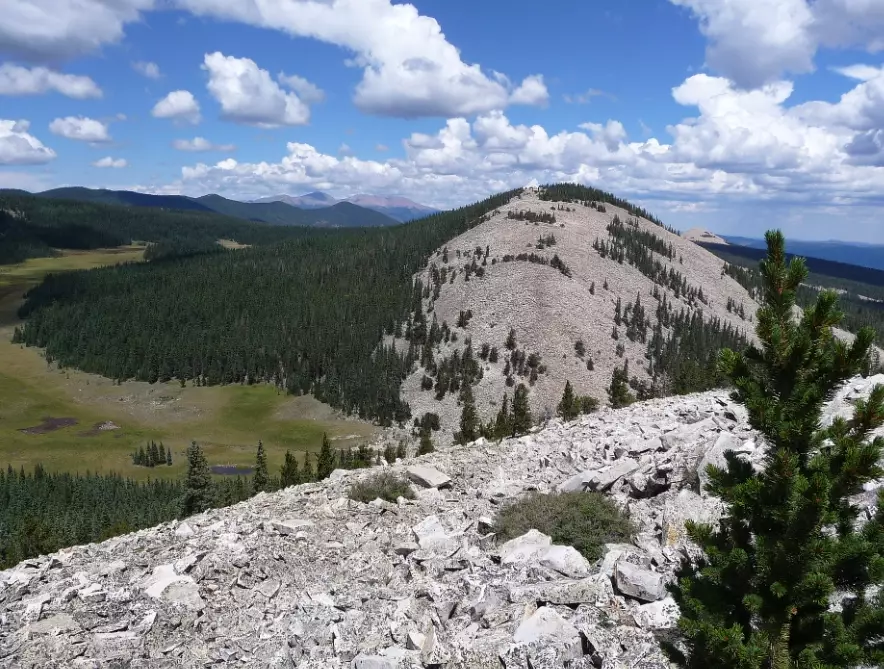
I've hiked it a dozen times over the years, in different seasons and with different companions. Each time, I spot something new: a hidden alcove, a petroglyph I'd missed, or a pool of water that wasn't there the month before. This guide isn't just a list of facts. It's the sum of those trips, including the mistakes I made so you don't have to.
Where Exactly is Ash Paw Canyon?
Ash Paw Canyon sits on a mix of state trust land and Bureau of Land Management (BLM) territory, roughly an hour's drive southeast of the city of Carlsbad. Don't bother looking for a street address. Navigation is about landmarks and coordinates.
The most common approach is from US Highway 285. You'll turn onto a well-maintained county road, which eventually becomes a graded dirt road. This is where most people get nervous. The final two miles to the unofficial trailhead require a high-clearance vehicle. After a rainstorm, it's 4WD-only territory. I once spent an hour helping dig out a sedan that thought it could make it. Trust me, it can't.
Getting There: A Reality Check
Nearest Major Town: Carlsbad, NM (approx. 65 miles northwest).
From Carlsbad: Take US-285 S for about 40 miles. Turn east onto County Road 408. After 12 miles, the pavement ends. Continue on the dirt road (FR 205) for approximately 6 miles until you see a obvious pull-out with tire tracks leading to a wire fence gate. This is the trailhead.
Coordinates for Trailhead: Use your map app or GPS with these coordinates: approximately 32.1° N, 104.5° W. Cell service is non-existent out here, so download offline maps from Google Maps or use a dedicated GPS unit. The Bureau of Land Management website has general maps for the area, but none detail this specific trail.
What to Expect on the Ash Paw Canyon Trail
The hike is a 4.5-mile out-and-back journey with about 650 feet of total elevation change. It breaks down into three distinct phases.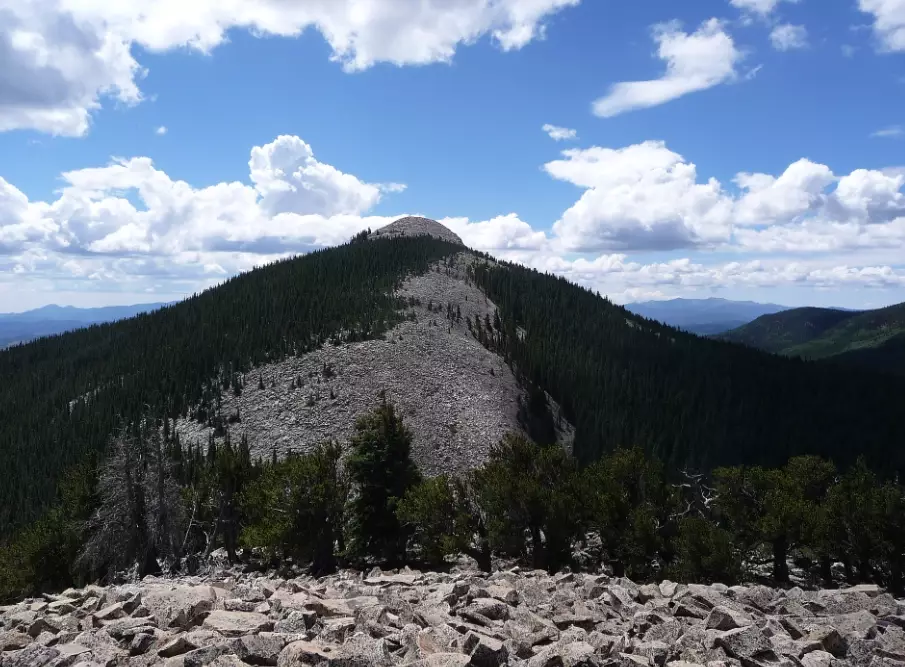
Phase 1: The Mesa Walk (0 - 1.2 miles). You start on a wide, flat mesa dotted with juniper and cholla cactus. The path is clear, marked mainly by cairns (small rock piles) and occasional footprints. The view is expansive—you can see for miles. This part is easy and lulls you into a false sense of security. It's also where most casual hikers turn around, completely missing the main event.
Phase 2: The Descent (1.2 - 1.7 miles). The trail suddenly drops off the mesa edge. You'll navigate a series of steep, rocky switchbacks. Good hiking shoes with grip are essential here; the sandstone can be slick. This section gets your heart pumping and leads you right to the canyon's rim.
Navigating the Slot Canyon Section
Phase 3: The Slot (1.7 miles and beyond). This is why you came. You scramble down a final rock face and the world narrows. The walls, a stunning mix of red and white sandstone, rise 40 to 60 feet on either side. In some places, you can touch both sides at once.
The floor is a mix of sand, smooth rock, and boulders you have to climb over or squeeze around. There's no single "trail" here—you pick your way through. Look for the path of least resistance and watch for cairns left by previous hikers. About a half-mile into the slot, you'll find the "Ash Paw Arch," a small but photogenic sandstone window high up on the south wall. The light around 10 AM slices right through it.
How far you go is up to you and conditions. The canyon eventually opens up after about a mile, but many people find a nice spot, have a snack, and head back.
Essential Gear and Safety Tips
This isn't a city park stroll. Being unprepared here isn't just uncomfortable; it's dangerous.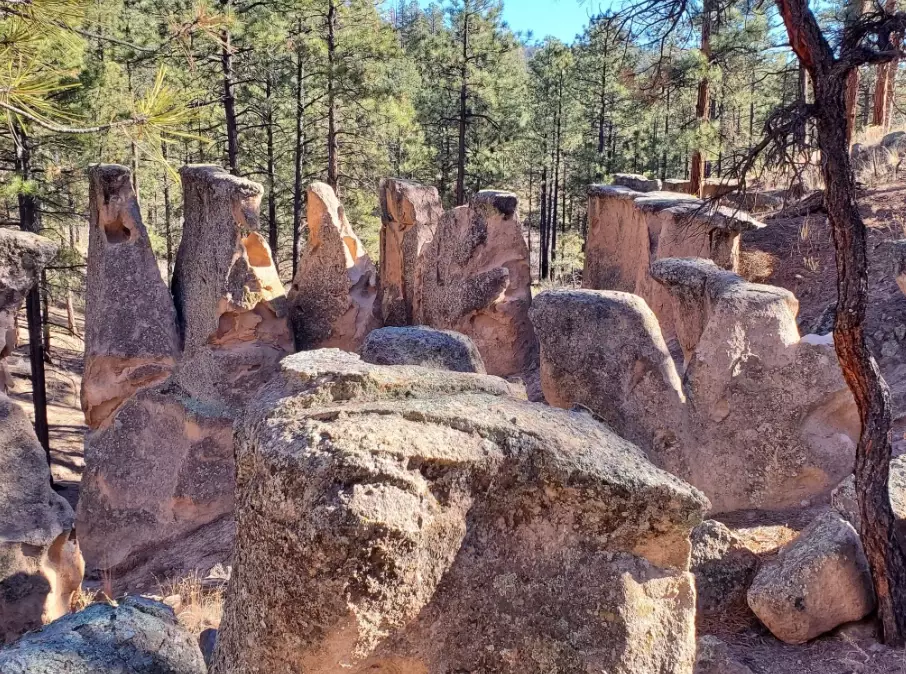
Non-Negotiable Gear:
- Water: A minimum of 3 liters per person, even in cooler months. I carry 4 in summer. There is no reliable water source in the canyon.
- Sturdy Footwear: Hiking boots or trail runners with aggressive tread. No sandals or sneakers.
- Weather Radio/App: More important than extra snacks. Flash floods are the #1 killer in slot canyons. Check the forecast for the entire region, not just the canyon. A storm 20 miles away can send a wall of water through your location on a sunny day.
- Headlamp: If you get delayed, getting out of the narrows in the dark is nearly impossible.
The Flash Flood Rule: If the sky looks threatening in any direction, or if you hear rushing water (it often sounds like distant applause), get to high ground immediately. Don't wait. The highest ground is usually back the way you came, up onto the mesa.
Other hazards include loose rocks when scrambling, extreme heat in summer, and hypothermia risk in winter if you get wet. The canyon floor can be 20 degrees cooler than the mesa.
Planning Your Visit: The Nitty-Gritty Details
| Aspect | Details |
|---|---|
| Best Time to Visit | Spring (March-May) and Fall (September-November). Summer is brutally hot. Winter can be pleasant but days are short. |
| Operating Hours | Daylight hours only. It is not safe or recommended to be in the canyon at night. |
| Entrance Fee/Permit | No fee or permit is currently required for day use. This is subject to change as visitation increases. Always verify with the BLM Carlsbad Field Office before your trip. |
| Pet Policy | Pets are allowed but not recommended for the slot canyon section due to difficult scrambles and extreme temperatures on the sand/rock. If you bring them, they must be on a leash. |
| Facilities | None. No water, no restrooms, no trash cans. Practice Leave No Trace principles. Pack out everything you bring in. |
| Trail Difficulty | Moderate to Strenuous. The mesa is easy, the descent is moderate, the slot canyon is strenuous due to scrambling. |
Beyond the Hike: Nearby Attractions
You've driven all this way, so make a day of it. Carlsbad is the obvious hub, but there are gems closer to the trailhead.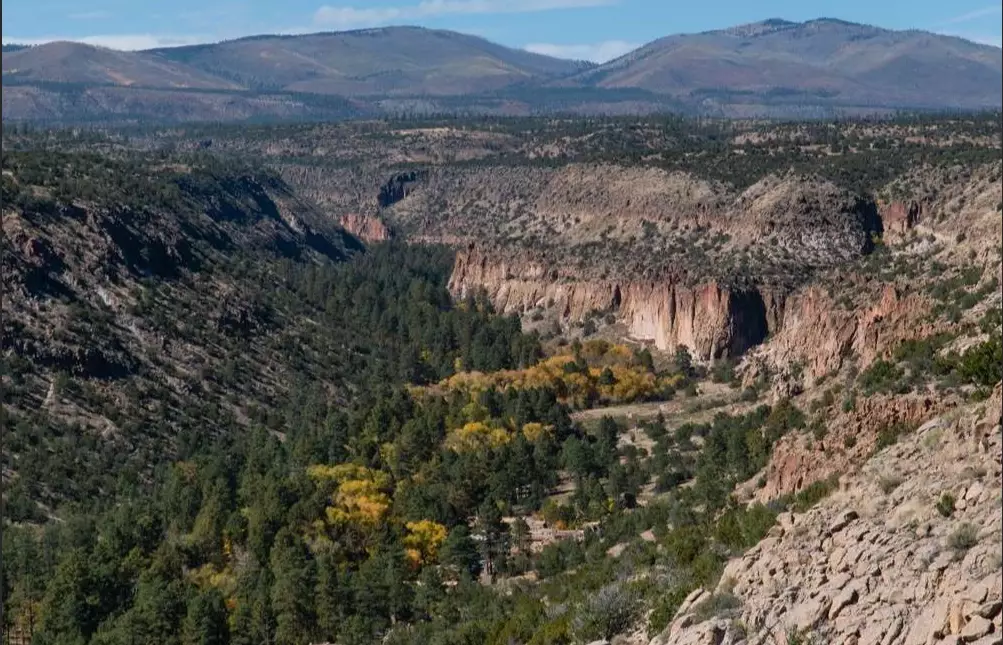
Living Desert Zoo and Gardens State Park: About a 45-minute drive back toward Carlsbad. It's a fantastic place to understand the flora and fauna you just hiked among. Their raptor exhibit is particularly good.
Carlsbad Caverns National Park: The world-famous caves are about 90 minutes north. It's the perfect contrast—exploring deep underground after a day in the sun-drenched canyon. Reserve your cavern entry time online in advance, especially on weekends.
For Food: Don't expect anything near the trailhead. Pack a lunch. In Carlsbad, skip the chains and head to a local spot like Trinity Hotel Restaurant for a solid post-hike meal.
Common Questions Answered (Your Ash Paw Canyon FAQ)
 What is the best time of day for photography in Ash Paw Canyon?
Reader Comments