Quick Guide
- The Geology Behind the Beauty: How Bear Lake Was Actually Formed
- If It's Natural, Why Do People Think Bear Lake is Man-Made?
- What Makes Bear Lake So Special (Hint: It's Not the Parking)
- Visiting Bear Lake: What to Know Before You Go
- Common Questions (FAQs) About Bear Lake
- Final Verdict: Nature's Masterpiece, Human-Managed
That's the million-dollar question, isn't it? You see those stunning, almost-too-blue-to-be-real photos of Bear Lake straddling the Utah-Idaho border, and it's hard not to wonder. Did engineers create this? Was it a massive dam project? The answer is a fascinating piece of natural history that's way more interesting than any human construction project.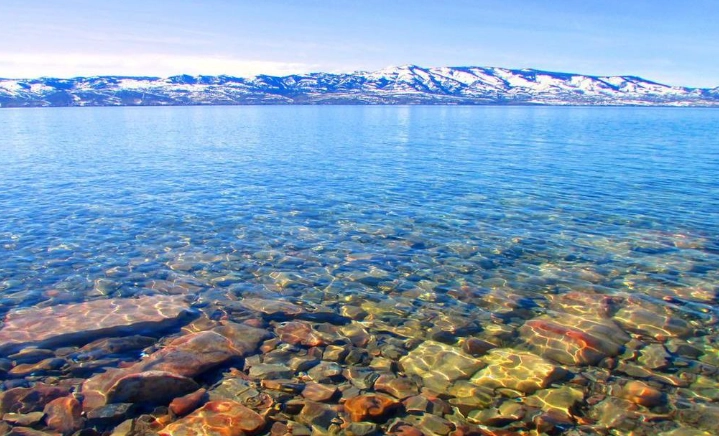
Let's cut to the chase: No, Bear Lake is not man-made. Not even a little bit. The idea that Bear Lake Utah is man made is a complete myth. It's a natural, ancient lake born from powerful geological forces that were at work long before humans ever set foot in the region. Its story involves earthquakes, gigantic prehistoric lakes, and slow, relentless earth movements.
The Straight Answer: Bear Lake is a natural tectonic lake. Its basin was formed primarily by faulting (the Bear Lake Fault) and later modified by a massive landslide. Its water comes from natural springs, snowmelt, and creeks. No dam, no diggers, no human engineering created the lake itself.
I think the confusion pops up for a few reasons. First, its water is an unbelievable shade of turquoise-blue, which looks almost artificial. Second, there are man-made structures related to it, like canals and dams that manage its water level. But confusing the management of the lake with the creation of the lake is a big mistake. It's like thinking Central Park is a natural forest because it has trees.
To really understand why the question "Is Bear Lake Utah man made" gets a firm "no," we need to rewind the clock—way, way back.
The Geology Behind the Beauty: How Bear Lake Was Actually Formed
Forget bulldozers. The real architects were earthquakes and gravity. The formation of Bear Lake wasn't a single event, but a slow-motion geological process spanning hundreds of thousands of years. The main players were faults and a catastrophic landslide.
The Fault's Role: Creating the Basin
The foundation of the lake is the Bear Lake Fault. This is a normal fault, where the land on one side drops down relative to the other. Imagine the earth cracking and a huge block of land sinking. Over immense periods, this sinking created a depression—a perfect bathtub to hold water. This type of lake is called a tectonic lake, in the same family as much deeper lakes like Lake Tahoe.
This fault is still active today, by the way. The U.S. Geological Survey (USGS) monitors seismic activity in the region, reminding us that the landscape is still slowly changing.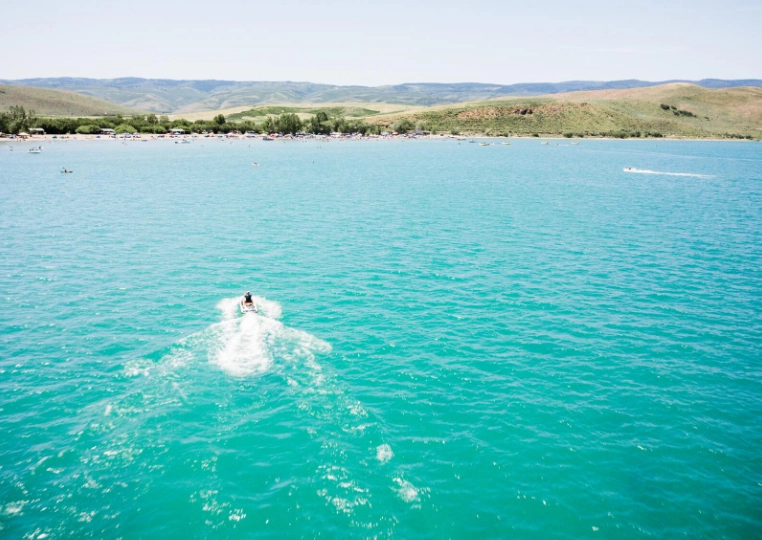
The Landslide That Sealed the Deal
Here's the plot twist. A fault alone often creates a deep, narrow basin. But Bear Lake's basin was partially filled in and reshaped by one of the largest landslides in the history of the Rocky Mountains, known as the Bear Lake Slide.
This colossal collapse of rock and sediment tumbled into the nascent basin, creating a natural dam and further defining the lake's shape. So, while the fault created the "hole," the landslide helped fine-tune its contours and depth profile.
Water from the Ages: The Bonneville Connection
Now you have a basin. Where did all the water come from? This is my favorite part of the story.
During the last ice age, a gigantic inland sea called Lake Bonneville covered much of western Utah. At its peak, it was the size of Lake Michigan! As the climate warmed and Lake Bonneville began to recede and eventually catastrophically flood (creating the Bonneville Flood), its waters drained away.
But Bear Lake's basin, sitting at about 5,900 feet in elevation, was a high-and-dry remnant. It never completely dried out. Instead, it became a separate, independent lake fed by its own watershed—the Bear River and countless springs. The Utah Geological Survey (UGS) has detailed maps and publications showing how Bear Lake is a hydrologic leftover from this much wetter period.
So, no human hands. Just ice, earth, water, and time.
If It's Natural, Why Do People Think Bear Lake is Man-Made?
This is where things get practical, and where the myth likely sprouts. Humans have messed with the lake, but we're talking about adjustments, not creation.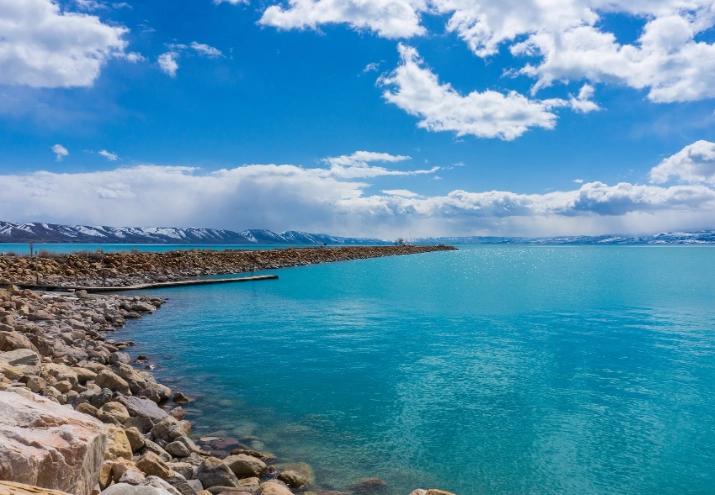
The Human Touch (Managing, Not Making):
- Dams and Canals: Yes, there are dams. The Mud Lake Dam and others were built in the early 20th century to control the lake's water level, primarily for irrigation and to ensure a stable water supply. They didn't create the lake; they just put a tap on it. The outlet is now managed by the Bear River Water Conservancy District.
- The Bear River Diversion: This is a big one. In the 1910s, a canal was built to divert water from the Bear River into Bear Lake. Why? To use the lake as a massive natural storage reservoir. Water is pumped in during high-flow seasons and released back into the river during dry times. This increased the lake's volume and stabilized its level, but again, the lake was already there.
- Marinas and Shorelines: The beaches, boat harbors, and parks are developed. The famous "Ideal Beach" or "Rendezvous Beach" are human-made recreation areas on a natural shoreline.
See the pattern? We've engineered the water management and the access, but the fundamental lake—its basin, its unique chemistry, its existence—is 100% natural. Asking if Bear Lake Utah is man made is like asking if the Mississippi River is man-made because we built levees and locks along it.
The downside? Summer weekends can feel like a parade of boats and RVs. The natural beauty is undeniable, but the main beaches get packed. It's the price of being so accessible and gorgeous.
What Makes Bear Lake So Special (Hint: It's Not the Parking)
Okay, so it's natural. Why should you care? What makes this lake worth the trip compared to any other reservoir?
The Famous "Caribbean Blue" Water
This is the showstopper. The intense turquoise color isn't from chemicals or trick photography. It's caused by suspended limestone deposits (calcium carbonate) reflecting sunlight. The limestone comes from the surrounding mountains and is constantly ground into a fine, white "flour" that stays suspended in the water. On a sunny day, it scatters the light to create that impossible blue. It's a completely natural phenomenon, and it's breathtaking.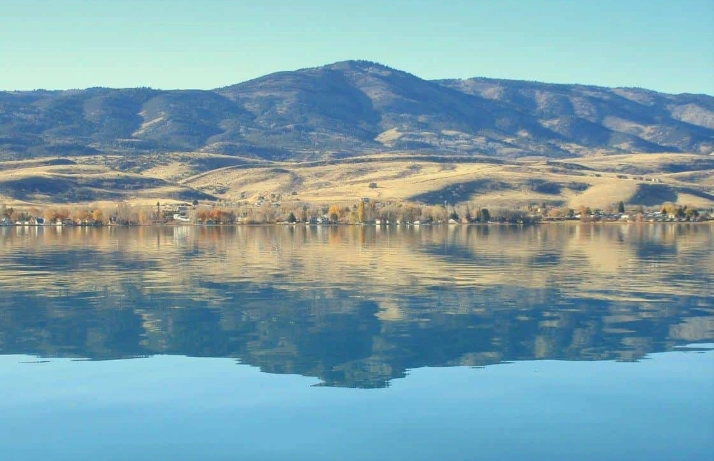
A Unique and Ancient Ecosystem
Because Bear Lake has been isolated for so long, it developed its own suite of endemic species—fish found nowhere else on Earth.
| Endemic Bear Lake Species | Why It's Cool | Status |
|---|---|---|
| Bear Lake Sculpin | A small, bottom-dwelling fish that's a relic from the Lake Bonneville era. | Considered a sensitive species. |
| Bear Lake Whitefish | A prized catch for anglers, distinct from other whitefish. | Managed fishery. |
| Bonneville Cisco | Undergoes a famous January spawning run where they can be scooped up from the shore. | Subject to specific seasonal regulations. |
| Bonneville Whitefish | Another unique variant found only here and in a couple of neighboring waters. | Less common. |
This unique biology is perhaps the strongest evidence that Bear Lake is not man-made. You don't get millennia of evolutionary isolation in a human-made reservoir. The Utah Division of Wildlife Resources (UDWR) has extensive resources on conserving these unique fish.
Visiting Bear Lake: What to Know Before You Go
Since you're probably thinking about a trip now, let's get practical. Knowing it's natural changes how you appreciate it, but you need some ground truth.
Best Time to Visit: Late June through September for warm weather and water activities. But be warned—this is peak season. For solitude and stunning fall colors, try late September or early October. Winter is for snowmobiling and ice fishing, but it's seriously cold.
Getting There & Around: It's remote. The main hubs are Garden City, Utah, and the Idaho side towns. You'll need a car. There's no major airport right next door (Salt Lake City is about 2 hours from the south end).
Top Things to Do (Beyond Staring at the Water):
- Boating & Watersports: Rent a pontoon, jet ski, or paddleboard. The state park marinas are your best bet for rentals.
- Fishing: Target those endemic cutthroat trout or whitefish. You need a Utah or Idaho fishing license depending on where you're casting from.
- Raspberry Days: If you're there in early August, Garden City's Raspberry Days festival is a classic small-town celebration (with amazing shakes).
- Explore the Scenic Byway: Drive the Bear Lake Scenic Byway (US-89) for incredible views of the entire valley.
Where to Stay: Options range from developed campgrounds in Bear Lake State Park to cabins, condos, and hotels in Garden City. Book very early for summer weekends. Honestly, the lodging can be pricey and books up fast—that's a genuine pain point.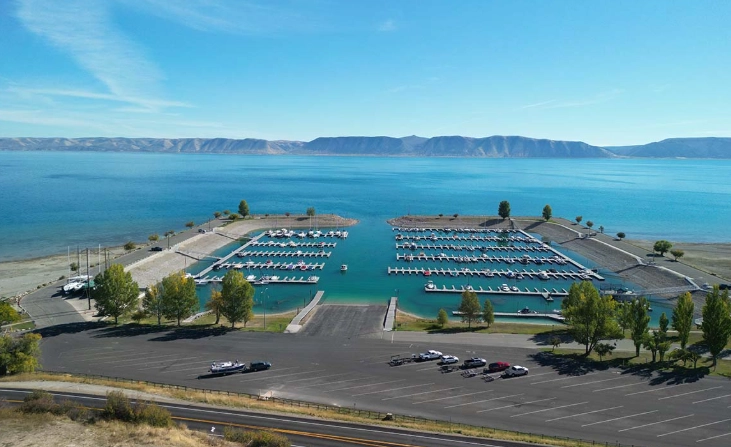
Common Questions (FAQs) About Bear Lake
Final Verdict: Nature's Masterpiece, Human-Managed
Let's wrap this up. The question "Is Bear Lake Utah man made" has a clear, definitive answer rooted in geology, not gossip. Bear Lake is a natural tectonic lake, formed by faulting and a monumental landslide, and a relic of the ancient Lake Bonneville. Its stunning blue color and unique ecosystem are testaments to its long, independent history.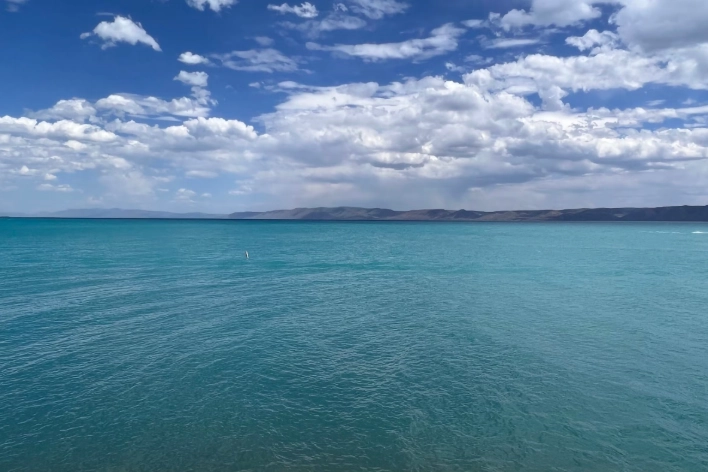
Humans have certainly put their mark on it—diverting water into it, building dams to regulate its level, and developing its shores for recreation. But these are modifications to a pre-existing natural wonder. We are the stewards and the beneficiaries, not the creators.
So next time you see that photo, you'll know you're looking at the work of earthquakes, landslides, and ice ages.
Understanding this makes a visit all the more meaningful. You're not just visiting a pretty reservoir; you're dipping your toes into a piece of ancient geological history. That, to me, is way cooler than any man-made lake could ever be.
Reader Comments