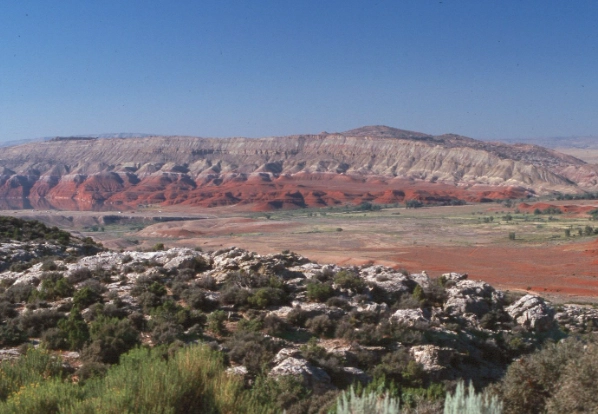
When you think of US deserts, images of the scorching Sonoran with its saguaro cacti or the red rocks of the Mojave probably come to mind. The Great Basin Desert? For many, it's a blank spot on the map. That's a shame, because this vast, cold desert covering most of Nevada and parts of Utah, California, Oregon, and Idaho holds a stark, subtle beauty and a sense of solitude that's getting harder to find. It's defined not by heat, but by rain shadow—trapped between the Sierra Nevada and the Rockies, it's a land of "basin and range," where isolated mountain islands rise from flat, sagebrush-covered valleys. This isn't a desert for postcard clichés; it's for travelers who find beauty in open space, ancient trees, and starry nights so dark they feel physical.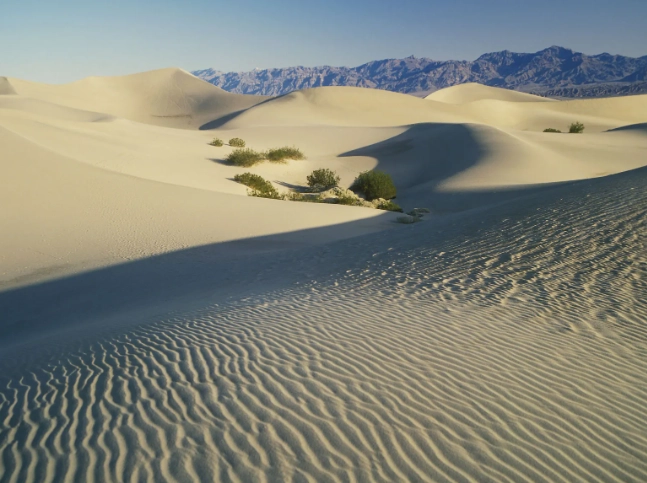
What's Inside This Guide
What Makes the Great Basin Desert Unique?
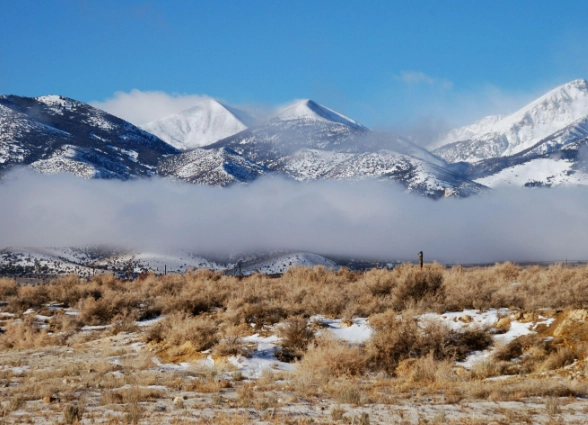
For starters, it's a cold desert. Winter temperatures regularly plunge below freezing, and even summer nights can be chilly. The defining characteristic is its hydrology: no rivers flow out to an ocean. Water collects in basins, forming temporary lakes or evaporating, leaving behind alkali flats. This creates an ecosystem dominated by hardy sagebrush, juniper, and unique grasses.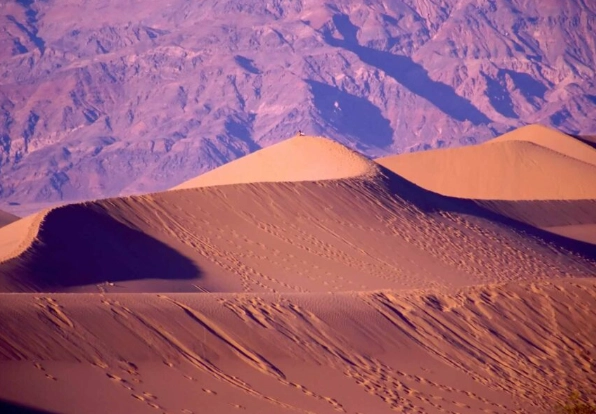
The human footprint feels light here. You can drive for an hour and see nothing but a single ranch and a winding dirt road. The silence is profound. This remoteness is its greatest asset and its biggest challenge for visitors.
A Local's Perspective: After a decade of exploring these basins, I've learned the beauty is in the details. It's the way the late afternoon sun turns the sagebrush silver, the specific smell of rain on dry earth (petrichor is strongest here), and the sudden appearance of a pronghorn sprinting across the valley floor. Most people drive through on Highway 50 (the "Loneliest Road") trying to get somewhere else. The trick is to have nowhere else to be.
Top Places to Experience the Great Basin Desert
You can't "do" the whole thing—it's too big. Focus on these accessible yet representative gems.
1. Great Basin National Park (The Crown Jewel)
This park is the essential introduction. It's not just desert; it's a vertical slice of the entire Great Basin ecosystem, from sagebrush valleys to 13,000-foot peaks.
Location: Near Baker, Nevada, right on the Utah border. The address for the visitor center is 100 Great Basin National Park, Baker, NV 89311.
Must-Do Activities:
- Lehman Caves: This stunning marble cave requires a guided tour. Book online via Recreation.gov well in advance, especially for weekend slots. The 60-minute Grand Palace tour is perfect for most. Price: ~$12-15 per adult.
- Wheeler Peak Scenic Drive: A 12-mile paved road (open roughly late May to October, weather-dependent) climbing to over 10,000 feet. The view from the summit trailhead is worth the drive alone.
- Bristlecone Pine Grove: Hike the Glacier Trail to see these ancient, gnarled trees, some over 3,000 years old. This is a moderate 4.6-mile round trip hike.
- Stargazing: The park is an International Dark Sky Park. The astronomy programs are fantastic, but even just lying outside your tent is unforgettable.
Camping: The park has several first-come, first-served campgrounds (like Upper Lehman Creek). I prefer the more primitive sites along Snake Creek Road just outside the park boundary for more solitude.
2. The "Loneliest Road" Corridor (US Highway 50)
This isn't just a route; it's the desert's main artery. Don't just blast through. Stop at:
- Sand Mountain: A massive singing sand dune you can see from miles away. It's loud, surreal, and managed by the Bureau of Land Management (BLM). Free to visit, but respect closures for sensitive wildlife.
- Grimes Point Archaeological Site: An easy walk past ancient petroglyphs. It's free, informative, and a perfect leg-stretcher. You'll find it about 10 miles east of Fallon, NV.
- Eureka, Nevada: A beautifully preserved 19th-century mining town. Get a burger at the Owl Club and feel the history. It's a real town, not a theme park.
3. Basin and Range National Monument
For the truly adventurous. This massive, relatively new monument protects a classic basin-and-range landscape. There are no services, no gas stations, and often no cell signal.
Key Attraction: The City, a monumental land art sculpture by Michael Heizer. Viewing is by reservation only on select weekends through the Triple Aught Foundation. It's a commitment, but for art and desert lovers, it's a pilgrimage.
If that's too much, just driving the gravel roads here (like to the Seaman Range) with a good map and full supplies offers unparalleled solitude. Check current road conditions with the BLM Ely District office first.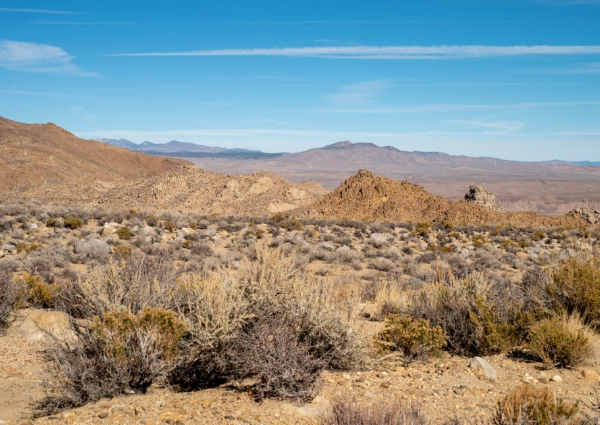
How to Plan Your Great Basin Desert Trip
This isn't a spontaneous weekend getaway. A little planning prevents a big headache.
| Planning Aspect | Essential Tips & Details |
|---|---|
| Best Time to Visit | Late Spring (May-June) & Early Fall (Sept-Oct). Summer is hot in the valleys but pleasant in the mountains. Winter is for the hardy—many roads and services close. Wildflowers peak in June. |
| Getting There & Around | You need a car. Major airports are Salt Lake City (UT) or Reno (NV). Rent a vehicle with good ground clearance if you plan on any gravel roads. Fill your tank at every opportunity—gas stations can be 80+ miles apart. |
| Where to Stay | Camping is king. Abundant BLM land allows dispersed camping (follow Leave No Trace). For hotels, Ely or Baker near Great Basin NP offer basic motels (Stargazer Inn in Baker is clean and friendly). Book ahead for summer. |
| What to Pack | Layers! Temperature swings are extreme. Sun protection (hat, sunscreen), more water than you think you need (1 gallon/person/day), offline maps (Gaia GPS or Maps.me), a paper map, tire repair kit, and non-perishable food. |
| Permits & Fees | Great Basin NP entrance: $15/vehicle (7 days). Cave tours extra. Most other areas are free. Dispersed camping on BLM land is free. |
Common Mistakes First-Time Visitors Make
I've seen these happen too often. Avoid them.
Underestimating the scale and emptiness. A dot on the map might be a 3-hour drive away on a two-lane road. Your GPS ETA is a best-case scenario.
Relying solely on cell service. Assume you'll have none for 80% of your trip. Download maps, save web pages, and tell someone your itinerary.
Overlooking the altitude. Great Basin National Park's attractions are at high elevation. Wheeler Peak is over 13,000 feet. Take it easy, stay hydrated, and be aware of altitude sickness symptoms.
Expecting convenience. This is not Arizona's desert. Towns are small, restaurants close early, and grocery selections are limited. Embrace the simplicity—pack a cooler, make your own coffee, and enjoy a sunset instead of hunting for nightlife.
Sticking only to the pavement. Some of the best moments come from a short walk down a dirt road. Just be responsible—have the right vehicle and don't go if storms are threatening (dirt turns to impassable mud).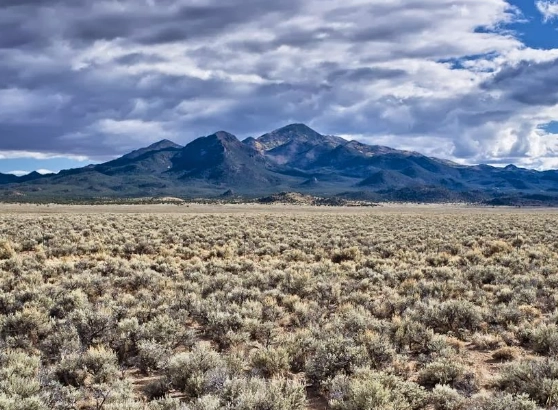
Your Great Basin Desert Questions Answered
Day 1 (Arrival & Lower Park): Arrive in Baker by early afternoon. Set up camp or check into lodging. Do the Lehman Caves tour you pre-booked (afternoon slot). After, drive the Wheeler Peak Scenic Drive up to the Mather Overlook for sunset. Have dinner in Baker (the restaurant hours are limited, so plan accordingly). Attend a ranger-led night sky program if available.
Day 2 (High Country): Get an early start. Drive to the Wheeler Peak trailhead. Choose your hike: the Bristlecone & Glacier Trail (4.6 miles) is the classic. If you're fit and acclimated, the summit of Wheeler Peak (8.6 miles round trip) is epic. Have a packed lunch. In the afternoon, explore the Lehman Creek Trail near the campground for a easier, wooded walk.
Day 3 (Departure & Hidden Gems): Before leaving, hike the Alpine Lakes Loop (2.7 miles) for a different high-alpine vibe. Then, instead of driving straight out, take the longer but stunning Snake Creek Road (dirt, but usually passable for careful sedans in dry weather) out of the park for a final dose of basin views and absolute quiet.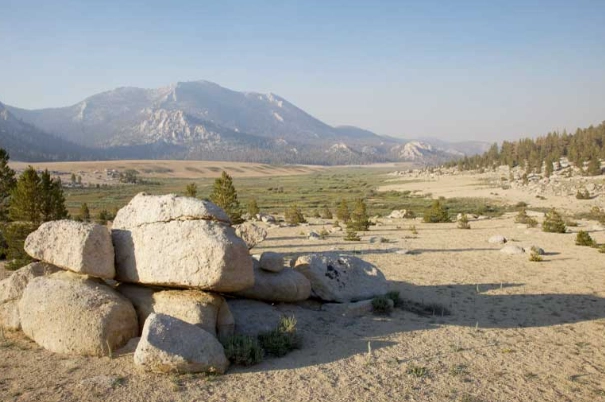
Reader Comments