Let's get one thing straight right away. A desert isn't just a barren wasteland. That's the biggest misconception first-timers have. Driving into the vastness of the American Southwest, you're entering a world of profound silence, impossible geology, and life that's adapted in the most ingenious ways. I've spent over a decade exploring these places, from the iconic saguaro forests of Arizona to the silent, sagebrush-covered basins of Nevada. This guide isn't just a list of places. It's the manual I wish I'd had, packed with the gritty details that turn a good trip into a great one—and keep you safe while you're at it.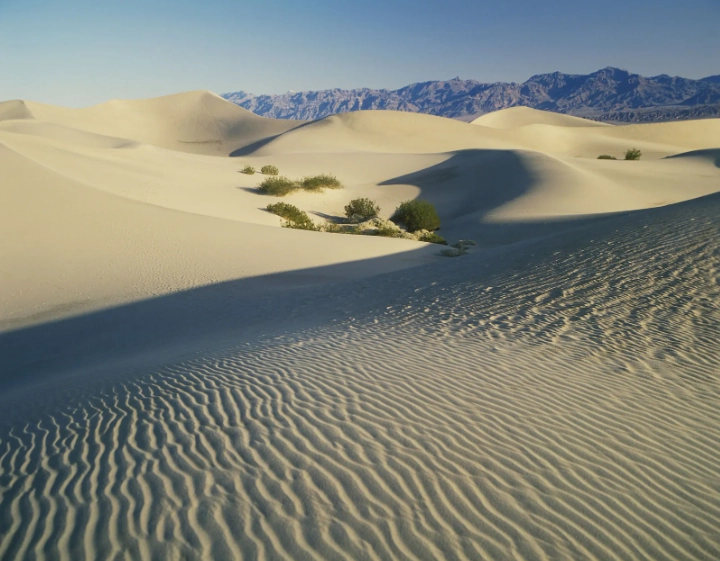
Your Desert Adventure Roadmap
The Four Faces of Aridity: USA's Major Deserts
Most people think "desert" and picture the Sahara. The USA has four distinct ones, each with its own personality. Getting this right changes how you plan.
| Desert | Key States | Signature Vibe | Best For |
|---|---|---|---|
| The Mojave | CA, NV, AZ, UT | Extreme & Rugged. Home to Death Valley, Joshua trees. | Hardcore adventurers, geology nerds. |
| The Sonoran | AZ, CA, Mexico | Lush & Biodiverse. Famous for giant saguaro cacti. | First-timers, wildlife, accessible hikes. |
| The Chihuahuan | TX, NM, Mexico | High & Remote. Rainier, with unique grasslands. | Solitude seekers, birdwatchers. |
| The Great Basin | NV, UT, OR, ID | Cold & Vast. Defined by mountain ranges and sagebrush. | Stargazing, off-the-grid exploration. |
Sonoran Desert: The Green Giant
This one will shatter your expectations. It gets two rainy seasons, so it's surprisingly green. The star is the saguaro cactus, which only grows here. You need to visit Saguaro National Park (split into East and West districts near Tucson). The west district has a denser forest of saguaros. Entrance is $25 per vehicle, good for 7 days. Hit the Valley View Overlook Trail or the more challenging Wasson Peak hike for panoramic views. Don't skip the Arizona-Sonora Desert Museum—it's more of a zoo/botanical garden hybrid and is utterly brilliant for understanding the ecosystem.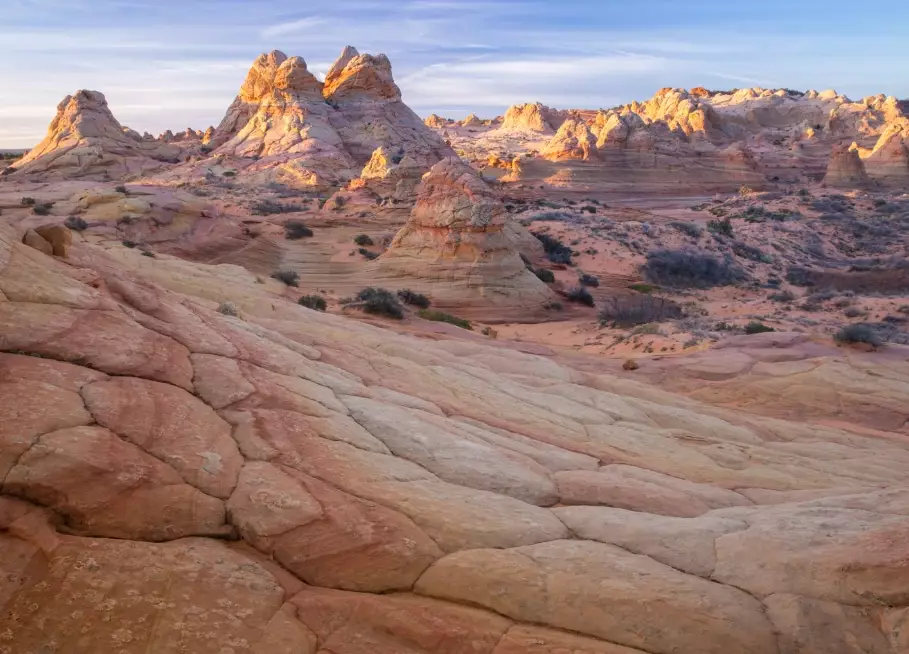
Mojave Desert: Land of Extremes
This is the desert of record books. Death Valley National Park is the anchor. Badwater Basin is the lowest point in North America at 282 feet below sea level. Dante's View gives you a staggering panorama of the whole basin. A park pass is $30. In spring, the wildflower blooms can be insane. Then there's Joshua Tree National Park, where the whimsical Joshua trees (actually a giant yucca) create a surreal landscape. The park is split by two desert ecosystems—the Colorado and the Mojave. Don't just drive through; scramble on the rocks at Hidden Valley or hike to Barker Dam. Entry is also $30.
Here's a tip most blogs don't mention: the light in the Mojave, particularly around Goldstone or the edges of Death Valley, has a quality I've never seen elsewhere. It's sharp, clear, and makes everything look hyper-real. Photographers, take note.
Chihuahuan & Great Basin: The Underdogs
The Chihuahuan Desert is best experienced at Big Bend National Park in Texas. It's remote—the nearest major airport is hours away. That keeps crowds down. You get the Chisos Mountains rising from the desert floor, and the Rio Grande carving canyons. It's a backpacker's paradise. The Great Basin feels endless. Its hallmark is basin-and-range topography: long, flat valleys separated by parallel mountain ranges. Great Basin National Park in Nevada is its crown jewel, home to ancient bristlecone pine trees and the stunning Lehman Caves. The night sky here is officially designated as some of the darkest in the country.
Pro Tip: The "Fifth" Desert
Locals and geographers sometimes argue about the Colorado Plateau. It's not a true desert by strict precipitation definitions, but it feels like one and contains the most famous desert scenery on earth: the Grand Canyon, Monument Valley, Arches, and Canyonlands. When planning a trip, you'll almost always combine the Colorado Plateau with the Mojave or Sonoran. Think of it as the scenic, high-desert cousin.
Planning & Survival: Not Just About Extra Water
Okay, let's talk logistics. This is where trips go wrong.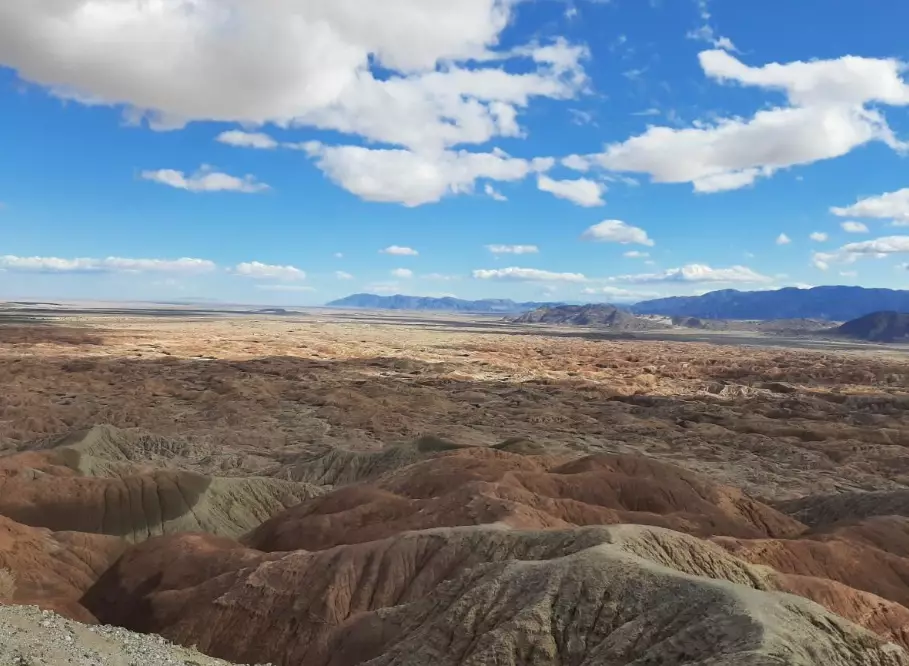
When to Go (And When to Absolutely Avoid)
Summer in the low-elevation deserts (Sonoran, Mojave valleys) is brutal. Death Valley regularly hits 120°F (49°C). Hiking can be life-threatening. The sweet spot is October through April. Spring (March-May) brings wildflowers and perfect temperatures. Fall (Sept-Nov) has fewer crowds. Winter is great in the Sonoran and low-elevation areas, but be prepared for snow and closures in places like the Grand Canyon's North Rim or Great Basin.
The Non-Negotiable Packing List
Everyone says water. I'll say it again: more water than you think. One gallon per person, per day, minimum. Double if you're hiking. But here's what else:
- Navigation: A GPS unit (like a Garmin inReach) or downloaded offline Google Maps. Paper maps from the park visitor center are gold.
- Sun & Heat Protection: Wide-brimmed hat, UV-blocking sunglasses, SPF 50+ sunscreen, and light-colored, long-sleeved shirts and pants. Synthetic or merino wool. It sounds counterintuitive, but covering up keeps you cooler and protects from sun and cactus spines.
- Vehicle Prep: Full spare tire, jack, and know-how to use it. Check coolant and tire pressure. A small air compressor can save you.
Driving the Vastness
Distances are huge. From Las Vegas to the Grand Canyon's South Rim is 4.5 hours. Phoenix to Tucson is 2 hours. Fill up your tank at every half-tank mark. Services are sparse. I once drove 80 miles on Nevada's Highway 50 ("The Loneliest Road in America") without seeing another car. It's exhilarating but demands respect.
Iconic Parks & Can't-Miss Spots
Beyond the big names, here are some spots that deliver huge rewards with slightly fewer people.
Monument Valley (Navajo Nation)
This isn't a National Park; it's a Tribal Park managed by the Navajo Nation. The iconic mittens and buttes are on every postcard. The 17-mile self-drive loop on a dirt road is worth the $8 per person entry fee. For a deeper experience, book a guided tour with a Navajo guide—they'll take you into areas closed to the public and share stories you won't hear otherwise.
Valley of Fire State Park, Nevada
An hour from Las Vegas, this feels like Mars. Brilliant red Aztec sandstone formations, petrified wood, and ancient petroglyphs. It's smaller and more manageable than a national park, perfect for a day trip. Entrance is $10 for Nevada vehicles, $15 for others. Hike the Fire Wave trail or explore Mouse's Tank Road.
Organ Pipe Cactus National Monument, Arizona3>
In the southern Sonoran Desert, this UNESCO biosphere reserve is the only place in the US where the namesake organ pipe cactus grows wild. It's remote and stunningly beautiful. The Ajo Mountain Drive is a fantastic 21-mile scenic loop. Be aware: this park borders Mexico, so you may see Border Patrol activity.
Crafting Your Perfect Desert Itinerary
Let's build a trip. Here’s a classic 7-day loop starting and ending in Las Vegas, hitting three desert types.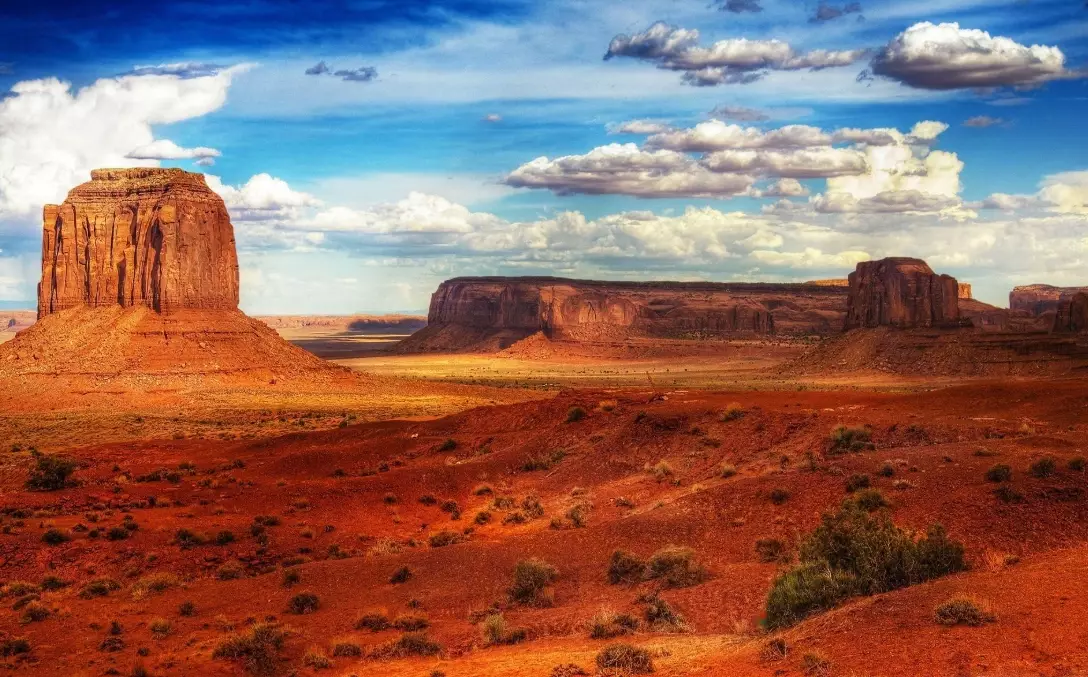
Day 1-2: Las Vegas to Death Valley. Drive 2 hours to Death Valley. Spend a day and a half exploring Badwater, Artist's Palette, and Zabriskie Point. Stay in Furnace Creek or Beatty.
Day 3: Death Valley to Mojave Preserve. Drive south through the eerie emptiness of the Mojave National Preserve. Stop at the Kelso Dunes and the Cima Dome. End near Joshua Tree.
Day 4: Joshua Tree National Park. Full day hiking and scrambling. Stay in Twentynine Palms or Yucca Valley.
Day 5: Joshua Tree to Phoenix/Sonoran Desert. Long drive (4-5 hours) east to Phoenix. Visit the Desert Botanical Garden in the late afternoon.
Day 6: Saguaro National Park. Explore the Tucson area, hiking in Saguaro (the West district is my favorite).
Day 7: Return to Vegas via Hoover Dam. A long drive back (7-8 hours), with a stop at the Hoover Dam to break it up.
Too rushed? Focus on just one region. A 5-day Sonoran trip based in Tucson is deeply rewarding.
Expert Answers to Your Desert Questions
What is the best time of year to visit deserts in the USA?
The ideal window is late fall (October-November) and early spring (March-April). Summers are brutally hot, often exceeding 110°F (43°C) in places like Death Valley, making extensive outdoor activity dangerous. Winters can be surprisingly cold, especially at night and at higher elevations in the Mojave and Great Basin. Shoulder seasons offer the most balanced experience: warm, sunny days and cool, comfortable nights perfect for hiking and camping.
Is it safe to drive through American deserts alone?
Yes, but with critical preparations most first-timers overlook. Beyond extra water, carry a physical paper map. Cell service is nonexistent on vast stretches of highways like US-50 in Nevada or Route 66 in Arizona. Tell someone your route and check-in times. Ensure your spare tire is full and you have tools to change it. The real risk isn't getting lost on main highways, but venturing down unmaintained dirt roads without high-clearance vehicles. If your car breaks down, stay with it—it's much easier for rescuers to spot.
Which US desert is best for first-time visitors?
The Sonoran Desert, hands down. It offers the most accessible and diverse introduction. You have major cities like Phoenix and Tucson as hubs with all amenities. The landscape is instantly iconic with giant saguaro cacti. It's also the only place to see the unique "sky island" ecosystems. Compared to the more austere and remote Great Basin or the extreme heat of the Mojave's lower elevations, the Sonoran provides a friendlier scale with well-developed infrastructure, numerous state and national parks (Saguaro, Organ Pipe), and a longer comfortable season.
What is the one thing most people forget to pack for a desert trip?
Lip balm with SPF and electrolyte tablets. Everyone remembers sunscreen for their skin, but the dry, windy air chaps lips painfully fast. And while you'll be drinking plenty of water, sweating profusely in dry heat leads to salt and mineral depletion that water alone doesn't replace. Low electrolyte levels can cause fatigue, headaches, and cramps, mimicking dehydration. A few tablets in your water bottle each day make a huge difference in energy levels. Also, pack a wide-brimmed hat, not a baseball cap—your neck and ears will thank you.
 The silence out there gets into your bones. You'll come back with your camera full, your mind clearer, and a newfound respect for a landscape that doesn't care about your schedule. Plan well, pack smart, and go see it.
Reader Comments