Quick Guide
- The Permit Puzzle: Your Key to Water Holes Canyon
- Gearing Up: What to Pack for Your Hike
- Finding the Trailhead and Navigating the Route
- Water Holes Canyon vs. Antelope Canyon: The Real Comparison
- Capturing the Magic: Photography Tips for Water Holes Canyon
- Frequently Asked Questions (The Stuff You're Actually Searching For)
- Final Thoughts and Responsible Visitation
Let's be honest, when you think of slot canyons in Arizona, one name dominates the search results. But what if I told you there's a sibling canyon, often overshadowed, that delivers an equally breathtaking experience without the same level of frenzy? That's Water Holes Canyon Arizona for you. Tucked away near the iconic Page area, this winding, sculpted sandstone passage offers a more intimate, permit-controlled adventure that feels like a discovery. I've been through it a couple of times now, and each visit reminds me why seeking out these less-trodden paths is worth the extra planning hoops.
The name itself is a clue. "Water Holes" refers to the perennial pools of water that often sit in the canyon bottom, remnants of the flash floods that carved this beauty over millennia. Unlike its famous neighbor where you're often shoulder-to-shoulder with a tour group, a hike through Water Holes Canyon can feel profoundly solitary. You hear the crunch of your own footsteps on the sand, the drip of water from seeps in the walls, and your own breath echoing off the narrow, undulating walls. It's a different vibe entirely.
But here's the kicker, and the main thing that trips people up: you can't just show up. Access is tightly managed by the Navajo Parks and Recreation Department. No permit, no entry. It's a system that protects the canyon but adds a layer of complexity that deters many. This guide is here to demystify all of that. We're going to walk through exactly how to get that golden ticket (the permit), what the hike is really like, what to pack, and how it stacks up against the other big-name canyon down the road. Consider this your one-stop shop for planning a successful trip to Water Holes Canyon.
Heads Up: This isn't a casual stroll. It involves navigating sandy washes, minor scrambling, and potentially cold water. Respect for the land, its custodians, and its power is non-negotiable. Flash floods are a real and deadly danger in any slot canyon. Always, and I mean always, check the weather forecast meticulously before you go.
The Permit Puzzle: Your Key to Water Holes Canyon
This is the single biggest hurdle and the most common point of failure for aspiring hikers. Let's break it down, because understanding the "why" makes the "how" easier to stomach.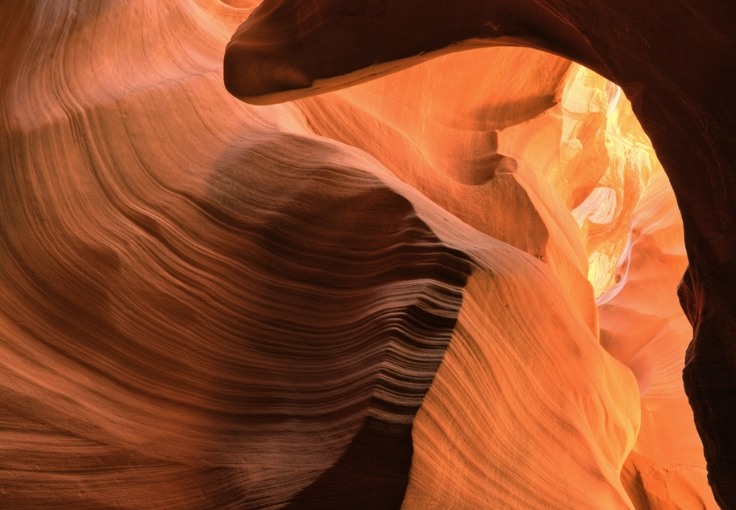
Water Holes Canyon is located on Navajo Nation land. The Navajo Nation administers its own parks and protects its cultural and natural resources. The permit system for Water Holes Canyon Arizona serves a few critical purposes: it limits environmental impact, ensures visitor safety (they know who's in there), and generates revenue that goes back to the local community. It's a model of managed tourism that, while sometimes frustrating for planners, is ultimately a good thing for the canyon's preservation.
How to Actually Get Your Water Holes Canyon Permit
Gone are the days of rolling up to a random roadside vendor. The process has been centralized. As of my last check (and you should always verify this yourself), the primary method is through the Navajo Nation Parks and Recreation Department website. They have a dedicated portal for permits. You'll need to apply in advance—I'd recommend at least a few weeks, especially for peak seasons (spring and fall). Sometimes, same-day permits are available at the Antelope Canyon Navajo Tribal Park office in Page, but that's a huge gamble. Don't bank on it.
The application will ask for your group size, desired date, and vehicle information. You'll pay a fee per person, plus sometimes a vehicle fee or guide fee depending on the specific requirements for that season. Yes, you read that right—some periods or group sizes may require you to hire a Navajo guide. This isn't a downside; these guides offer incredible insight into the geology and history you'd otherwise miss.
Pro Tip from Experience: Call the Navajo Parks office if you're confused. Their phone number is listed on the official site. A quick, polite call to clarify the current process can save you hours of online frustration. Rules and procedures can shift, and the website isn't always the most intuitive. Confirming details directly is the best insurance policy for your plans.
Once secured, print multiple copies of your permit. You'll need to display one on your dashboard at the trailhead and likely show another to any ranger you might encounter.
Gearing Up: What to Pack for Your Hike
Packing wrong can turn a magical hike into a miserable one. The environment in a slot canyon is unique. Here’s my tried-and-true list, born from forgetting things and learning the hard way.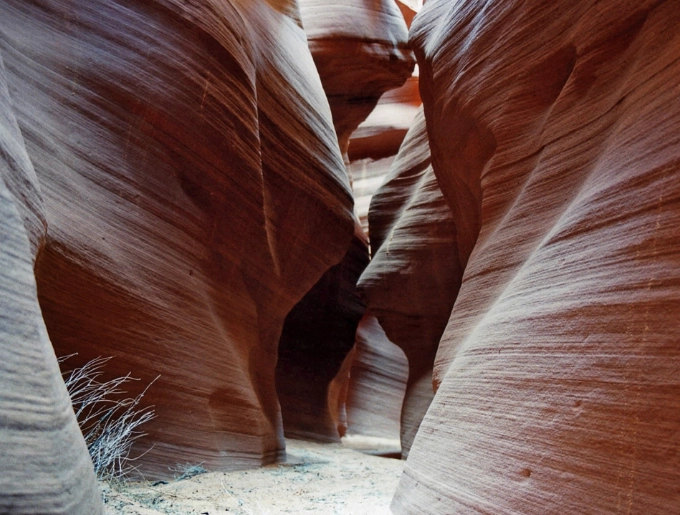
The Absolute Must-Haves:
- Sturdy, Grippy Footwear: Forget flip-flops or smooth-soled shoes. You need traction on sandy, uneven, and potentially wet rock. Trail runners or hiking shoes with good grip are perfect. If there's water, you might just have to get your feet wet.
- Plenty of Water: It's desert hiking, even if the canyon is cool. Carry at least 2-3 liters per person. More if it's hot. There is no drinking water in the canyon.
- High-Energy Snacks/Lunch: You'll be out for hours. Pack nuts, bars, jerky, sandwiches.
- Permit & ID: Keep them in a waterproof bag or Ziploc.
- Headlamp or Flashlight: Even in daytime, some deep, narrow sections can be surprisingly dark. A light helps you see the details and navigate safely.
The "You'll Be Glad You Had It" List:
- Camera & Smartphone (in a case): The photo ops are insane. A wide-angle lens is king here. A waterproof case or bag protects your gear from sand and any unexpected water.
- Light Layers: The temperature can swing dramatically from the sunny rim to the shaded canyon floor. A light long-sleeve shirt and a fleece are smart.
- Sun Protection: Hat, sunglasses, sunscreen. The Arizona sun is no joke, even on a canyon hike.
- Small First-Aid Kit: Band-aids, antiseptic wipes, blister pads. Basic stuff.
- Trash Bag: Pack out everything you pack in. Leave no trace.
What NOT to Bring: Drones are almost always prohibited on Navajo land without special permits. Tripods can be cumbersome in tight spaces (a mini tripod or bean bag is better). And please, don't bring the urge to carve your initials or stack rocks. Leave the canyon as you found it.
Finding the Trailhead and Navigating the Route
This is another area where info online can be vague or outdated. The main access point for Water Holes Canyon Arizona isn't signposted like a state park. You'll be looking for a pull-off along Highway 98, east of Page. Specific coordinates are easy to find with a quick search, but I'll describe it: look for a wire fence gate (often unlocked but sometimes locked—your permit is your authority to enter) and a faint sandy road leading south from the highway. There's usually a cattle guard. You'll see other vehicles with permits on their dashes if you're in the right spot.
Park considerately. Then, the "trail" is essentially following the wide, sandy wash downstream (south). You'll walk for a good 30-45 minutes through this open area before the walls begin to rise and narrow around you. That's your signal that you're entering the true slot section.
The hike isn't technically graded, but it has its moments. You'll encounter:
- Deep, soft sand in the wash that makes for a slog.
- Minor dry falls or steps that require careful down-climbing or bum-sliding. Nothing requires ropes for an average hiker, but use your hands and take it slow.
- Those famous water holes. Their depth varies wildly with recent weather. You might be able to rock-hop around them, or you might have to wade through knee-deep (or rarely, chest-deep) chilly water. Testing depth with a trekking pole is wise.
How far you go is up to you and your permit conditions. Many people hike to a major junction or a significant obstacle and then turn back, making it a 3-5 hour round-trip adventure. The further you go, the more technical it may become.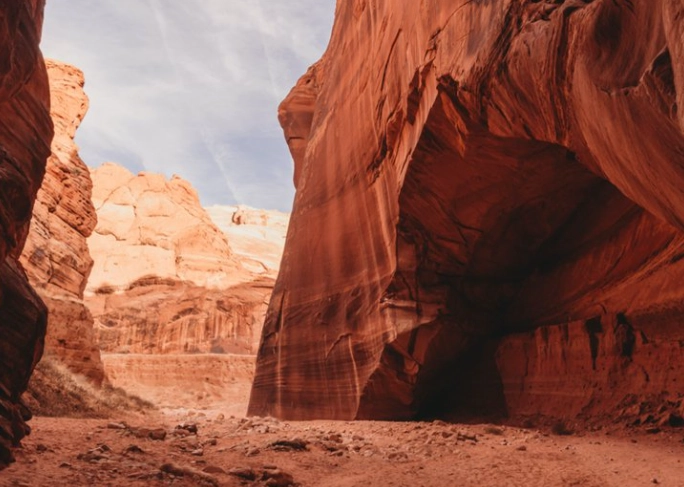
The moment the slot narrows, the world changes. The sky becomes a thin, winding blue ribbon far above. The light turns soft and magical, reflecting off the orange and pink walls. It's quiet, cool, and feels ancient. This is the payoff for all the permit hassle.
Water Holes Canyon vs. Antelope Canyon: The Real Comparison
Everyone wants to know this. Is it better? Should I do both? It's not about better or worse; it's about different experiences. Here’s a blunt breakdown.
| Aspect | Water Holes Canyon | Upper/Lower Antelope Canyon |
|---|---|---|
| Crowds | Very low. You may see a few other small groups or have it to yourself. | Very high. You are on a timed tour with a group, moving at a set pace. |
| Access | Self-guided (often), but requires a self-obtained permit. More logistical legwork. | Guided tour only. You book a tour with a company, and they handle the permit. Easy to book. |
| Experience | Adventurous, exploratory, quiet. You set your own pace and rhythm. | Structured, educational, efficient. The guides know all the best photo spots. |
| Photography | Unhurried, creative control. Can wait for perfect light. No tripod restrictions (usually). | Rushed at prime spots. Must keep up with group. Often no tripods allowed in busy tours. |
| Cost | Lower permit fee, but potential guide cost. No upselling. | Higher tour fee, often with photo tour premiums. |
| Physical Demand | Moderate. Sand, scrambling, possible wading. More route-finding. | Lower (Upper) to Moderate (Lower). Well-defined paths, ladders in Lower. |
My take? If you crave a quiet, personal connection with a landscape and don't mind a little logistical challenge, Water Holes Canyon Arizona is your sanctuary. If you want a guaranteed, iconic photo and a streamlined, informative experience, book an Antelope Canyon tour. They cater to different travel styles. Honestly, if you have the time, doing both gives you a fantastic appreciation for the diversity of the Colorado Plateau's slot canyons.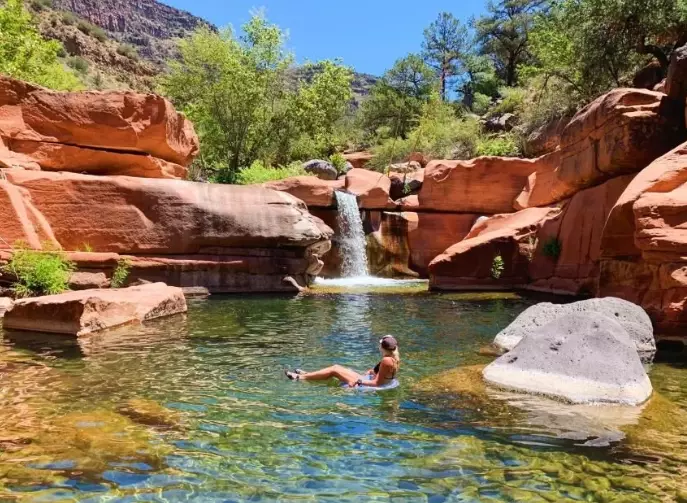
Capturing the Magic: Photography Tips for Water Holes Canyon
This place is a photographer's dream, but it has its challenges. The light is everything.
The best light is mid-morning to early afternoon, when the sun is high enough to send beams of light shooting down into the deepest parts of the canyon. These "light beams" are what create the famous ethereal photos. You need a bit of dust in the air to see them, which is usually not a problem. To capture them, you'll need to manage a high-contrast scene. Bracket your exposures (take multiple shots at different brightness levels) so you can blend them later, or use your camera's HDR mode.
A wide-angle lens (like a 16-35mm on a full-frame camera) is essential to capture the sweeping curves and towering walls. But don't forget to look for details: the swirling patterns in the sandstone, the texture of the walls, a lone plant clinging to a crack. I often find my favorite shots are the intimate ones, not just the grand vistas.
Since you (likely) won't be rushed, take your time. Experiment with compositions. Get low to the ground to make the canyon walls soar. Look for reflective pools of water to double the beauty. And for heaven's sake, clean your camera sensor before you go—changing lenses in a sandy environment is asking for trouble.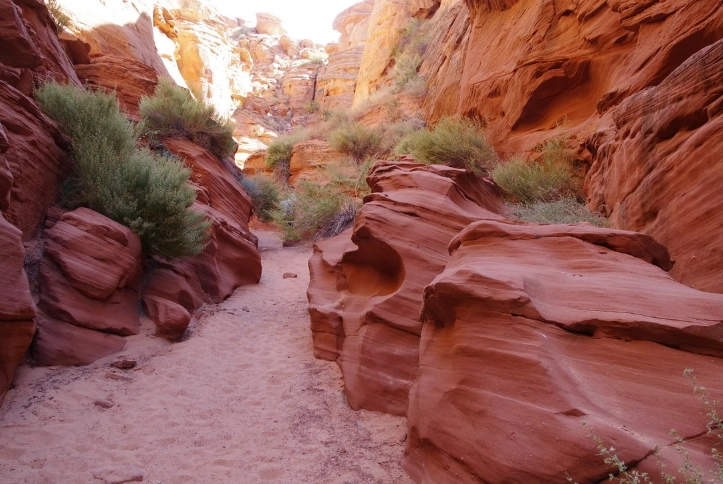
Frequently Asked Questions (The Stuff You're Actually Searching For)
Final Thoughts and Responsible Visitation
Water Holes Canyon is a privilege to visit, not a right. That permit system exists for a reason. The experience it protects—one of solitude, raw beauty, and personal challenge—is increasingly rare. When you go, tread lightly. Literally and figuratively.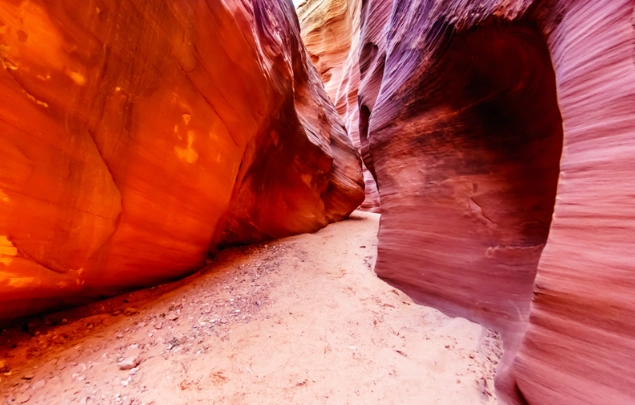
Stay on established paths in the wash. Don't touch the canyon walls unnecessarily; the oils on your skin can damage the delicate sandstone and darken it over time. Pack out every scrap of trash, including fruit peels and nut shells. Be quiet and respectful; you are a guest in a sacred landscape.
Planning a trip to Water Holes Canyon Arizona requires more effort than clicking "book now" on a tour website. But that effort is part of the experience. It filters for those who truly want to be there. The reward is a slice of Arizona's hidden beauty, all to yourself (or nearly so). It's a reminder that the greatest adventures often lie just beyond the edge of convenience. Do the work, get the permit, and go see it for yourself. You won't regret it.
Just watch out for those water holes. Trust me on that.
Reader Comments